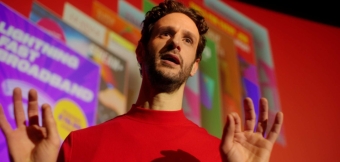

Riaz Farooq, Senior Creative Director at Pixel Artworks, has spent years pushing against the noise of digital overload to rediscover what really moves us. Not just flashy trends, but moments that spark curiosity, connection, and meaning.
In this article, he explores why so many brand experiences feel hollow today, and what it takes to bring genuine emotion (and lasting connection) back into the work we create.

We've reached peak stimulation. All day, every day, we're consuming content - TikToks, Reels, ads, news - all competing for our attention that's already stretched thin. We're living in the era of digital fatigue, where being chronically online has left us craving something more meaningful.
The challenge for brands now isn't how to do more, but how to do better. How do we create experiences that don't just respond to trends, but actively shape culture and inspire new behaviours in their wake?
Balancing control with creativity
Personalisation today is about more than just showing content unique to an individual; it's about creating experiences that respond in real time to the people inside them. We’ve already seen the potential of this in earlier projects. In 2018, Punchdrunk, in collaboration with RSC and other industry leaders, took part in a £16 million investment ‘Audience of the Future’ programme.
Over two years, the group worked together to explore what it means to perform live using emerging technologies such as virtual reality (VR), augmented reality (AR), and mixed reality (MR) to uncover the future opportunities of real-time immersive performance that are connected across multiple platforms. Now, technology is being used in experiences to gather better data and insights on how people behave and interact with them to create better, more personalised journeys.
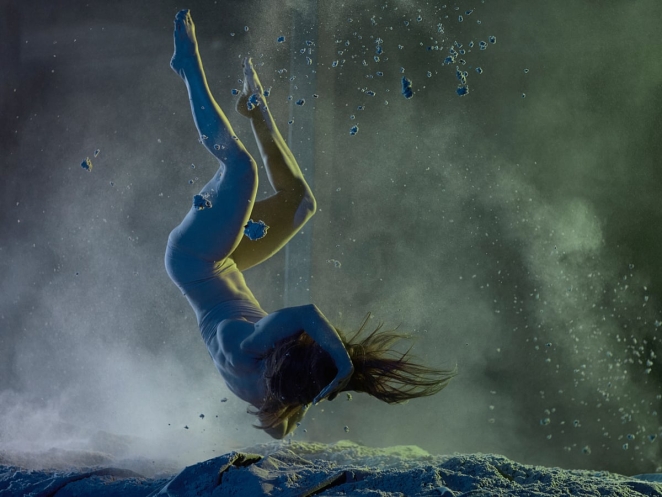
Technology such as AURA | immersive is being used to do just this: AURA Devices are low-power, customisable products that can detect physical interaction between people and spaces, places, and other people. AURA Cloud processes real-time interaction data (location, proximity, event engagement) to personalise and enhance experiences for users and operators.
The magic, though, lies in balancing freedom with structure - also known as bounded autonomy. People want to be able to explore and make their own choices, but they also want to feel part of something intentional. They want to know their choices matter - that they have a say in what happens next - but without feeling lost.
Designing experiences that give something back
The most powerful experiences don't just end when people leave the room; they empower them to do something they couldn't before.
These are functional experiences - ones that give something back. They embolden people to do something new - to apply what they've seen, felt, or learned long after the moment passes. That’s how we, the experience creators, know when something has truly reached an audience - so much so, that it stays with them or encourages them to take action outside the space.
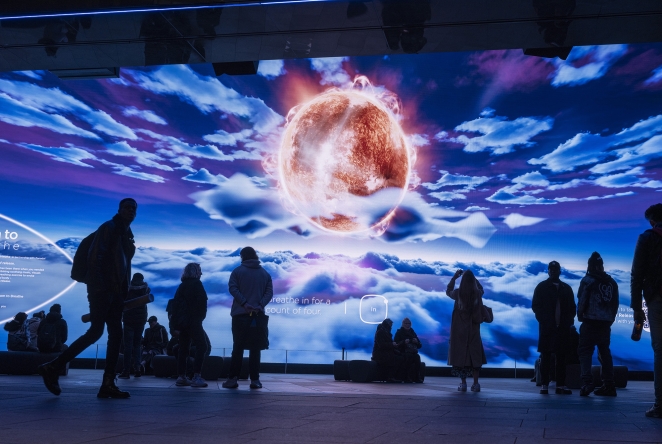
The real question now is: how do we extend that life cycle? How do we get the most out of all the hard work behind it and, more importantly, to create a lasting connection?
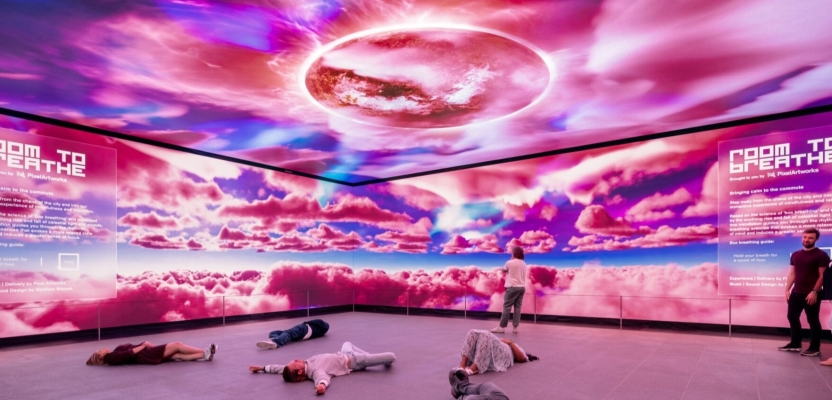
Pixel Artworks’ Originals experience Room to Breathe wasn’t just a beautiful moment; it was purposefully useful. Created in collaboration with a Trauma and Anxiety Consultant, participants left with a simple box‑breathing technique proven to ease anxiety. Sponsored by Panadol, it reflected the feeling of relief at the heart of the brand and turned it into a personal, lasting connection.
Returning to physical connection
The more frictionless our world becomes, the more people crave things that slow them down. For example, research has found that despite growing up digitally, Gen Z have a clear yearning for physical experiences, with 65% preferring in-person shopping to online, and 50% actively looking to reduce screen time.
We seem to have forgotten that effort can be meaningful - that showing up physically and emotionally is what makes something memorable, unlike a passive scroll.
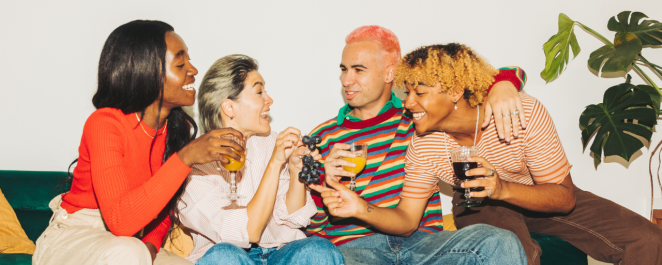
To be clear, this isn't about rejecting tech. We've just got to rethink how we use it. Digital elements like phones and AR can massively add to an experience, but they can also pull people out of it. That's why it needs to be done in a way that draws people into the experience, not further away from it.
Sela and Newcastle United FC did a brilliant job at using technology to bring the fans closer to the team they love. To champion the community of deaf football fans, Sela weaved in sound‑sensitive sensors into replica NUFC shirts. The sensors translated the roar of the crowd into pulses and vibrations, so every goal and cheer could be felt. The result was not only inclusion, but a new kind of connection, enabled by the brand.
The end of fixed experiences
AI is already blurring the line between creator and audience. Instead of fixed content, we're quickly moving towards experiences that develop in real time, shaped by the people inside them. With the help of generative tools, no two journeys need to be the same anymore.
It's completely tearing up the rulebook of how we design experiences. Soon, people won't just move through a story - they'll actually help to write it themselves.
Imagine walking into a space that responds to your movements, your emotions, or even your imagination, transforming itself around you. Everyone’s experience would be truly unique.
Trust will be hugely important as we enter this next era of experiential
Audiences don't want to be told what to do. They want the freedom to shape their own experiences. When brands realise this, and trust what their audience can do, they’ll earn something that's far more powerful than any experience alone: lasting connection.