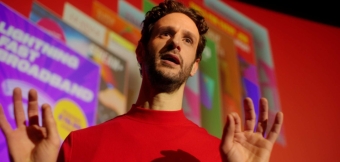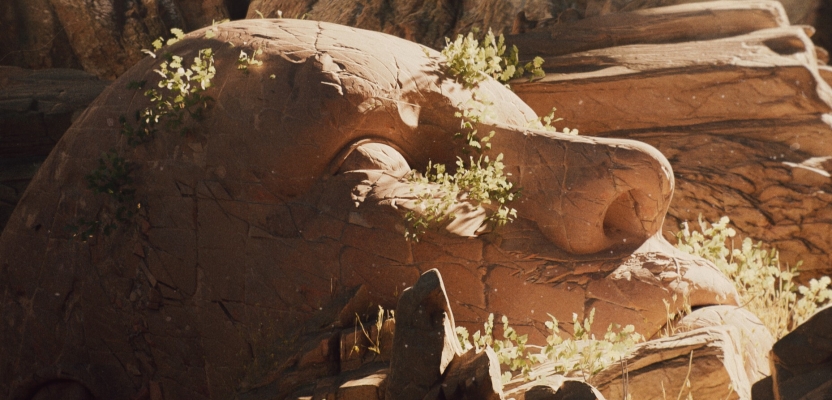

Based in the bustling creative hub of Dubai, today’s Member Spotlight interviewee Sameer Baloch has carved an impressive niche as a freelance 3D artist, animator, and NFT creator. With over a decade of experience that evolved from humble beginnings to headline-making collaborations—such as the iconic Laidback Llamas NFT project and a pioneering venture with Quiznos—Sameer’s work marries the precision of high-end CGI with the raw energy of emerging digital trends.
His unique blend of realism and stylization, fuelled by an enduring passion for storytelling and technology, positions him at the forefront of the creative revolution, continually redefining what’s possible in the realms of digital art and animation.
How did you first get into the industry?
I started my journey in the world of 3D art and animation over a decade ago, driven by a deep passion for digital creativity. Initially, I worked on small projects, experimenting with different tools and techniques. Over time, I honed my skills in 3D modeling, animation, and rendering, which eventually led me to work on major projects, including NFT collections and CGI commercials.
Where are you based now and who do you work for?
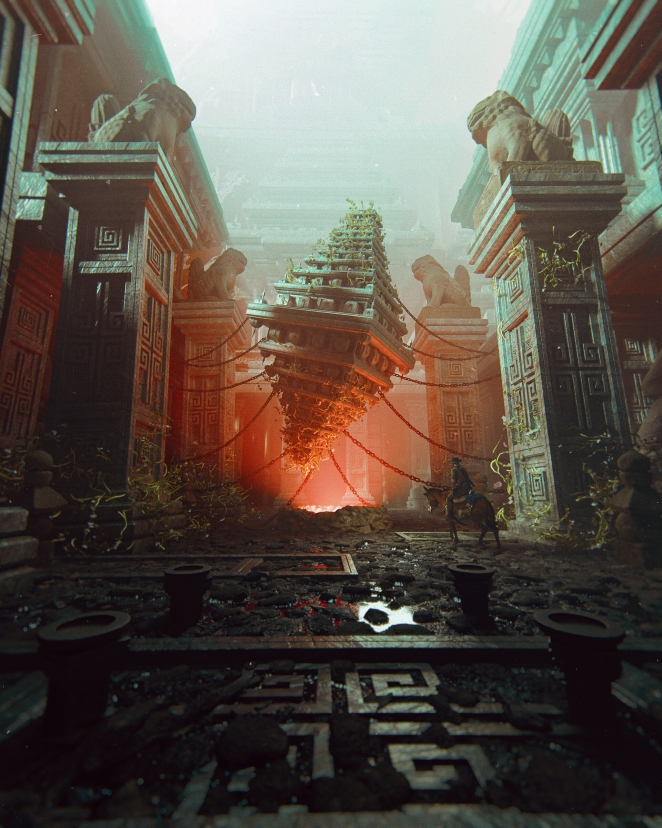
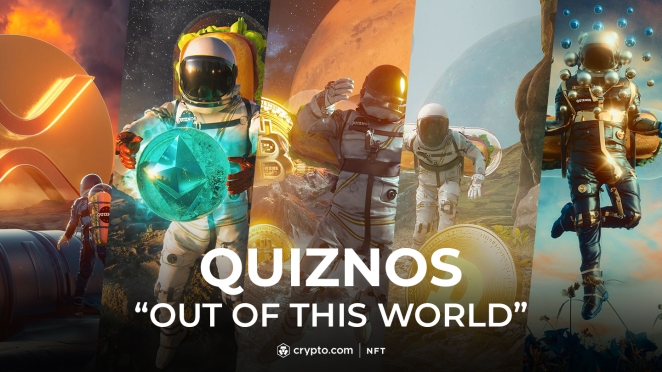
I am currently based in Dubai, UAE. As a freelance 3D artist and animator, I provide high-quality visual content for clients worldwide. I have also worked on notable NFT projects like Laidback Llamas, Yurosako, and a collaboration with Quiznos for their first NFT collection on Crypto.com
What is your personal background and what role did it play in your career?
I come from a background that blends art and technology. Ever since childhood, I have been fascinated by storytelling and digital art. My passion for visuals led me to explore 3D animation, and I eventually turned it into a career, working on cutting-edge projects in Web3, gaming, and advertising.
If you weren’t in your current industry, what would you be doing?
If I weren’t in the 3D and animation industry, I’d probably be involved in some other form of digital artistry or interactive media—perhaps game development or virtual reality design. Creativity is at the core of what I do, and I would always find a way to express it.
Can you explain your creative process? What makes it unique?
My creative process starts with research and conceptualization. I immerse myself in the theme of the project, gather references, and sketch ideas before moving to 3D modeling. Once the assets are created, I refine them through texturing, lighting, and rendering. My ability to blend storytelling with high-quality visuals ensures that every project I work on feels immersive and engaging.
How would you describe your style?
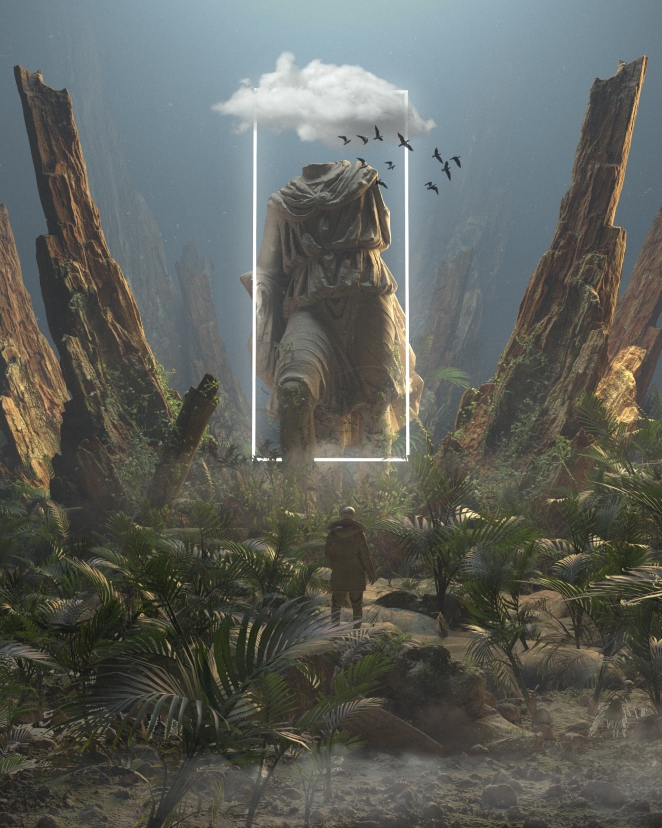
My style is a fusion of realism and stylization. I strive to create visually stunning 3D animations that captivate the audience while ensuring that the designs remain functional and aesthetically appealing.
Which individuals do you gain inspiration from? Do you have any heroes in the industry?
I draw inspiration from industry legends like Marek Denko, Beeple, Ash Thorp, and Andrew Kramer. Their innovative approach to digital art, motion graphics, and storytelling pushes me to constantly improve and evolve my craft.
What tips would you give to aspiring creatives looking for work?
Build a strong portfolio showcasing your best work. Stay consistent with learning and upgrading your skills. Networking is crucial—connect with industry professionals and be active in creative communities. Most importantly, be patient and persistent.
What tips would you give to other professionals to get more clients?
Your work should speak for itself, but self-marketing is equally important. Maintain a strong online presence, engage with potential clients on platforms like LinkedIn and ArtStation, and participate in relevant industry discussions. Also, referrals and collaborations can be game-changers.
Can you share a memorable experience from your career journey that shaped your approach to creativity?
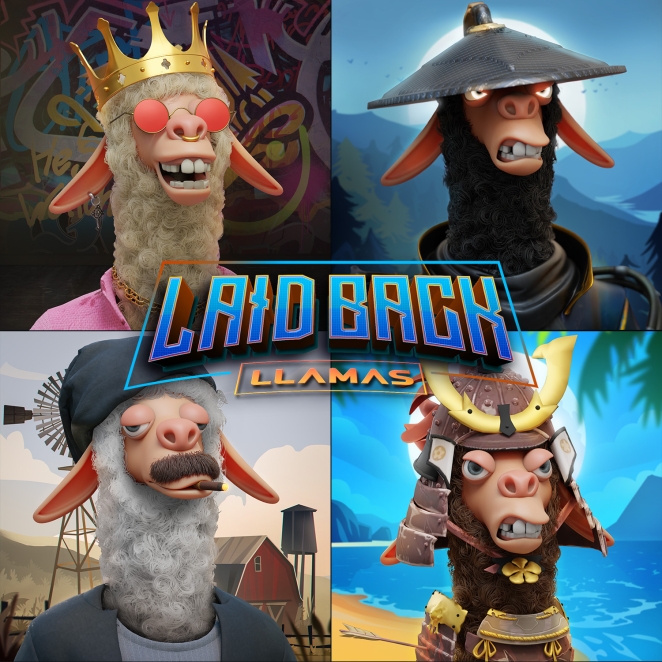
One of the most memorable experiences was working on the Laidback Llamas NFT project. It was my first major Web3 project, and seeing it gain recognition in the NFT community was incredibly fulfilling. It taught me the power of blending art with emerging technology.
What kind of tools/kit/software could you not do without?
Autodesk Maya, Unreal Engine, Redshift 3D, Photoshop, and After Effects are my go-to tools. They allow me to bring my creative visions to life with precision and efficiency.
What’s your secret to staying inspired and motivated?
I keep myself engaged by exploring new creative challenges, watching inspiring content, and following other artists’ work. Experimentation and learning new techniques keep the excitement alive.
What’s the work achievement you’re most proud of?
Collaborating with Quiznos for their first-ever NFT collection on Crypto.com was a huge milestone. It was an exciting project that blended brand identity with Web3 innovation.
As someone with experience in the industry, what trends do you foresee shaping the future of creativity?
The integration of AI and blockchain in digital art is revolutionizing the creative landscape. AI-driven tools are enhancing workflows, while blockchain is providing artists with new ways to monetize and authenticate their work through NFTs.
What do you think sets apart truly exceptional creatives from the rest of the pack?
Exceptional creatives push boundaries, stay curious, and are not afraid to take risks. They are constantly learning, innovating, and refining their craft while maintaining a strong sense of storytelling and visual appeal.
How do you think technology has influenced the creative industries and how have you adapted to these changes?
Technology has opened up new possibilities in animation, design, and interactive media. I have adapted by integrating AI tools, real-time rendering engines, and blockchain into my workflow, ensuring that my work stays relevant and cutting-edge.
What is the one thing thatyou would change about the industry?
I’d love to see more recognition and fair compensation for digital artists, especially in the NFT space. The industry is evolving, but there’s still a long way to go in terms of valuing creative talent properly.
Any websites, books or resources you would recommend?
- Websites: ArtStation, Creativepool, Behance, and CGSociety.
- Books: "The Animator’s Survival Kit" by Richard Williams, "The Art of 3D Computer Animation and Effects" by Isaac Kerlow.
- Resources: Online courses from Gnomon, CGMA, and YouTube tutorials from industry experts.