
In an era dominated by digital interactions, brands are increasingly challenged to forge genuine connections with their audiences. Jason Megson, SVP International at Sparks, underscores this shift in an article that advocates for a strategic pivot towards real-world engagements, emphasizing that authentic relationships are cultivated through shared, tangible experiences rather than solely through digital channels.
Screens are getting increasingly bad press. While fears of the impact of doom scrolling and brain rot are more aimed at younger generations, there is an increasing groundswell of opinion that too much time fixed looking at a screen is detrimental to everyone.
So, it’s surprising that Screen-Free Week 2025 isn’t grabbing more headlines, but its quiet presence couldn’t be timelier. As digital fatigue continues to deepen, this moment should act as a wake-up call for brands to rethink their reliance on pixels and reimagine how they connect with people beyond the feed. In a world saturated with content, notifications and algorithmically optimised messaging, the simple act of showing up in real life is fast becoming a strategic advantage.
Fewer pixels, more presence
The most resonant brands of the next decade won’t be the ones shouting loudest in digital spaces, they’ll be the ones brave enough to step out into the physical world, look their audiences in the eyes and start real conversations. This isn’t a rejection of digital, it’s a recalibration. It’s about recognising that trust, loyalty and emotional connection aren’t downloaded; they’re earned in shared spaces and genuine interactions.
The risk for brands solely focused on cyberspace content is that true brand reach isn’t achieved by refining your digital targeting until you’re whispering into an echo chamber. Attention is garnered by showing up in unexpected places and creating moments of shared experience that mean something to people in their real lives.

And this can come in all shapes and sizes. While at one end you have the blockbuster brand events that pull in crowds from far and wide, the brand destinations that become part of the tourist trail and at the other end there are the pop-ups on a suburban high street, a mobile activation in a rural village or a takeover of a community event.
In 2025, the most powerful marketing is inclusive, immersive and human. The brands building cross-demographic trust aren’t the ones locked into performance metrics, they’re the ones with boots on the ground, meeting people where they are.
Experiential is the only media you can’t hide in
There is a degree of bravery required by brands investing in IRL. There’s no edit button on a live event. No algorithm to hide behind. When brands show up physically in front of an audience, they’re accountable in ways that digital never demands. Your tone of voice, your team, your values – all of this and more is on display and unfiltered. But brands will be rewarded for their bravery: people can’t skip a pop-up shop or ad-block a live DJ set.
A brand’s vulnerability becomes its strength. As people feel they’ve seen it all, are cynical of brands’ intentions and scepticism is rife, experiential marketing becomes the most honest form of brand behaviour we have.

For example, At Milan Design Week, Google created a brand space that wasn’t about hardware or product demos — it was about rest, softness, and sensory vulnerability. The “Soft Walks” pavilion invited visitors to take their shoes off and walk on cloud-like surfaces, lie down in woven hammocks, and experience calming soundscapes.
All of it was designed to explore neurodiversity and sensory sensitivity, based on research from Google’s empathy lab. Staff weren’t there to sell Pixel phones; they were trained to talk about overstimulation, emotional burnout, and mental health in tech spaces.
Visitors were asked to anonymously share what makes them feel overstimulated — and how brands could better support those experiences.
Showing up where the algorithm can’t
‘Access All Areas’ doesn’t necessarily mean targeting Gen Z in a capital city. It means being present everywhere – culture doesn’t just happen in a cool postcode. The smartest brands are thinking hyper-local and globally minded at the same time, making sure they are respecting and reflecting the cultural nuances of the communities they touch. This could be sports pitches in East London or science fairs in small-town Bavaria.
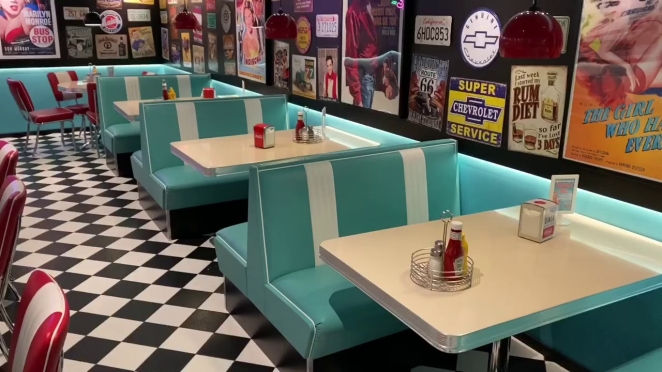
To promote its podcast platform, Spotify opened a retro American-style diner in a petrol station off a motorway in Sweden. Visitors could order podcast “menus” and eat while listening through curated playlists. It was bizarre, hyper-niche — and incredibly sticky. Spotify didn’t show up where the audience was already, it showed up where they’d least expect — and owned the moment.
Cultural creativity isn’t decoration, it’s direction
The most exciting experiential work today isn’t just reactive or trend-driven; it’s generative. It is developed in such a way that it shapes culture instead of just reflecting it. This requires brands to work with, listen to and collaborate with communities, not just advertise to them.
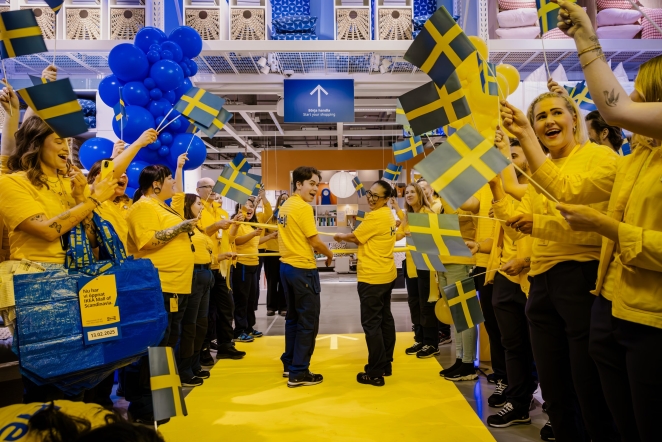
Rather than launch a new sustainability campaign through ads, IKEA embedded itself in Östberga, a low-income suburb of Stockholm often left out of urban development narratives. For over a year, IKEA co-created public furniture, green spaces, and cultural programmes with residents — not for them.
They opened a temporary space, staffed it with locals, and invited the community to help design everything from shared benches to storytelling events. It wasn’t performative CSR — it was long-term cultural investment, aimed at reshaping how design and community intersect.
No one is claiming brands should ditch their digital marketing activity. But adding more intentional, shared experiences into customers’ lives can only add the role brands have for people. Despite all the screen-based activities that now take up people’s lives, the need and desire for shared, personal experience is an essential part of being human.
Brand experiences – no matter what their form or attendance figures – need to be weaved into the businesses’ broader marketing activity. While they may standalone physically, they shouldn’t strategically.
In 2025, showing up in the real world isn’t a niche tactic. It’s a marketing imperative. And for brands willing to meet the moment, the opportunity is wide open and exciting.