


In today’s hyper-competitive marketplace, building a brand begins with a thoughtful, strategic identity that tells your story before a single product is sold. Brand identity design combines visuals, values and personality to create an unmistakable presence that helps customers recognise, connect with and trust a business from first glance.
Whether you’re commissioning brand identity design services, looking for inspiration from standout brand identity examples, or aiming to build a digital brand identity that resonates online, the process always starts with defining who you are, what you stand for, and how you want to speak to your audience. With the right approach, building a brand identity becomes not just a design project but a foundation for long-term success and loyalty.
How Do I Define My Brand Identity?
Building a brand identity is about shaping how your brand looks, sounds, and behaves in a way that people can instantly recognise and emotionally connect with. Get it right and your business feels coherent, confident and trustworthy. Get it wrong and you risk confusion, apathy and costly missteps.
Tropicana learnt that lesson in 2009 when its packaging redesign stripped away its iconic orange-with-a-straw imagery. In only two months, sales fell by around 20%. The design itself wasn’t objectively bad; it was simply disconnected from what customers already loved. It replaced recognition with abstraction. Jaguar learned the same lesson last year with their bizarre and purposefully controversial rebrand, which earned a wealth of column inches but completely alienated consumers.

Research and precedent have proven time and time again that brands with consistent visual and verbal identities are twice as profitable as those that frequently change course. A strong brand identity therefore acts as both shield and sword. It defends what you’ve built over time while helping you cut through the noise of your niche. It’s the strong foundation; the skeleton frame upon which you can build and take away flesh and fashion as and when the culture changes.
In this guide, we’ll get done to the core of that frame and explore what a brand identity really is, why it matters and what it’s made of. The result should be a complete framework you can actually use to build your own brand identity, whether you’re a marketing director planning a rebrand or a designer defining your first full identity system.
What is a Brand Identity?
At its core, a brand identity is everything that makes your business recognisable to others. It’s the collection of cues (visual, verbal and behavioural) that express who you are and what you stand for.
Think of a brand as a person. It has a name, a voice, a wardrobe, a set of values and a certain energy that fills the room. Brand identity is that persona translated into design and communication. It’s how you appear, speak and act in the world.
Ragged Edge
Beyond logos and colour palettes
Logos and colour palettes matter, but they’re only the beginning. Identity encompasses your tone of voice, messaging style, photography, packaging, motion design, even how your customer-service team answers the phone. It’s the sum of all impressions you leave in people’s minds.
Every brand touchpoint is effectively a piece of theatre: website, social post, invoice template, office décor, user interface, out-of-home ad. When those touchpoints tell the same story, customers experience clarity and professionalism. When they don’t, they feel uncertainty – and uncertainty erodes trust.
The emotional dimension
Strong identity works on both rational and emotional levels. Rationally, it helps people navigate choices quickly – “I recognise that one; I know what it stands for.” Emotionally, it triggers memory and feeling: “That brand gets me.” These reactions are built over time through repetition and coherence.
Great brands (from LEGO to Apple, Nike to Innocent) understand that identity isn’t decoration; it’s communication. It tells a story without words. When Apple launched the first iMac in 1998, the translucent shell wasn’t just design flair; it embodied the company’s message of transparency and creativity. The aesthetic reinforced the ethos.
The strategic core
A brand identity should always be anchored in strategy. Before a single sketch or mood board, you must know what the brand believes, who it serves and why it exists. Identity is the expression of positioning, not a substitute for it. This is why successful rebrands often begin with discovery workshops and interviews long before the design phase.
Cohesion and consistency
Cohesion is what transforms separate design choices into a system. A specific blue, a certain typographic rhythm, a way of speaking – these combine to form distinctive “brand codes” that people subconsciously associate with you. Consistency in those codes turns casual recognition into lasting memory.
But cohesion doesn’t mean cloning the same layout everywhere. The best systems are flexible: they allow variation within clear rules, so campaigns feel fresh without losing their signature. Spotify’s evolving gradients, for example, vary wildly in colour yet are always unmistakably Spotify because of shape, typography and motion logic.
The living identity
Finally, remember that brand identity is never static. Markets shift, technology evolves and culture changes. The goal isn’t to freeze your brand in amber but to maintain its essence as you adapt. Your identity should be a living framework that’s consistent at its core but elastic in its expression.
When done well, it acts as a compass for every creative and strategic decision. When done poorly, it becomes a costume that doesn’t quite fit.
That’s the foundation.
Why You Need a Brand Identity
A business without a brand identity is like a person without a personality. Forgettable at best, confusing at worst. It might function, it might even sell, but it will struggle to build loyalty or command preference.
Differentiation in a crowded market
Every category is saturated. Whether you’re selling coffee, insurance or creative services, dozens of competitors offer something similar. What makes customers choose one over another is often less about features and more about perception. Identity is how you carve out that perception — the signal that says “we’re different, and here’s why.”
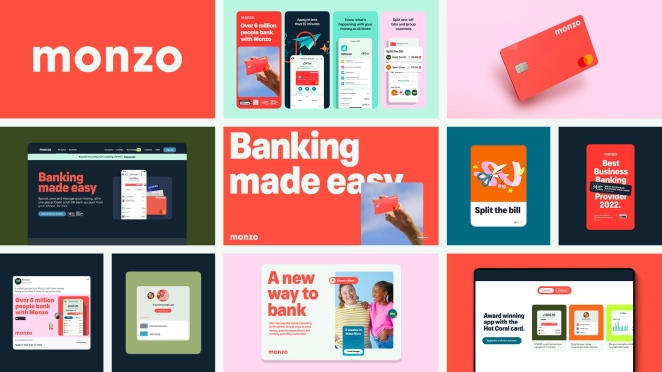
Without a strong identity, you risk being lumped into the generic middle. With it, you own a position in people’s minds. Brands like Oatly and Monzo didn’t win early market share by outspending competitors; they won by projecting clarity and character in categories full of sameness.
Recognition and recall

Human brains love shortcuts. We remember patterns, colours and shapes long before we recall names. A well-crafted visual system acts as a mental anchor. The more consistent those signals, the faster and stronger the recall.
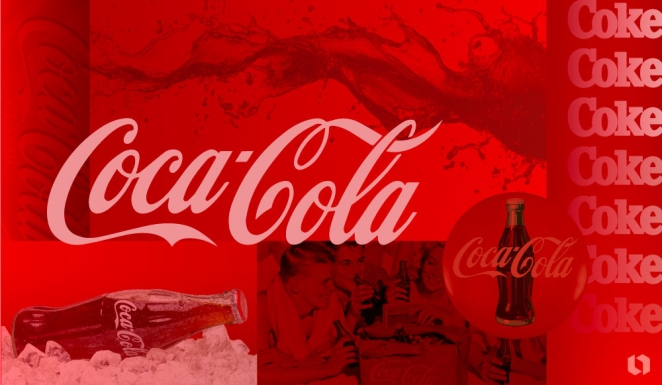
Think of Coca-Cola’s red, McDonald’s arches, or Netflix’s black-and-red splash screen. Strip away the logos and you’d still know them. That’s the product of relentless consistency over decades with each encounter reinforcing memory until recognition becomes instinctive.
Trust and credibility
Design communicates competence. When every touchpoint feels deliberate, people assume the business behind it is equally well organised. Inconsistent or poorly considered branding, by contrast, raises subconscious doubt: if they can’t get their own story straight, can they really deliver what they promise?
A coherent identity also signals maturity to investors, partners and staff. It says: this company knows who it is. And consistency breeds confidence both internally and externally.
Emotional connection
Beyond function and trust lies feeling. Great brand identities express values that resonate with audiences on a personal level. Customers often buy the reflection of their own ideals. Patagonia’s earthy typography and honest photography feel authentic to those who care about environmental responsibility; Glossier’s minimal aesthetic mirrors its audience’s desire for effortless beauty.
When people feel emotionally aligned with a brand, they don’t just buy once; they advocate. That affinity turns customers into community.
Consistency across every touchpoint
A defined identity provides a North Star for every piece of communication. From your website typography to the way your support team signs off emails, everything should feel like it’s coming from the same place. That consistency makes experiences smoother and more trustworthy.
Inconsistency does the opposite. If your packaging looks one way, your ads another and your tone of voice a third, audiences expend energy reconciling them. The result is friction and friction kills loyalty.
Efficiency and alignment
Identity isn’t only external. Internally, it unifies teams. When everyone understands the brand’s voice, look and purpose, creative decisions become faster and more consistent. You waste less time reinventing the wheel with every campaign.
Loyalty and advocacy
When identity and experience line up, customers feel understood. They begin to identify with the brand’s story and adopt it as part of their own. That’s when loyalty forms and with loyalty comes advocacy. Fans become marketers, defending and sharing the brand because it represents something meaningful to them.
The cost of confusion
Finally, consider the price of neglect. Weak or muddled identity costs money. It means lost sales, unclear messaging, wasted design budgets and rebrands that need fixing later. The infamous Tropicana case remains the textbook example: a change executed without respect for existing cues can alienate your base overnight.
On the flip side, a well-defined identity can invigorate an organisation, align staff and energise customers. It’s both rallying cry and roadmap.
What Makes a Good Brand Identity?
Not all identities are equal. Some are instantly distinctive; others blend into the wallpaper. The strongest ones share a common DNA of authenticity, distinctiveness, consistency, flexibility and emotional power.
Let’s break that down.
Authenticity and truth
A great brand identity is built on truth. It expresses the genuine story, values and personality of the organisation, not whatever’s fashionable this quarter. Audiences have finely tuned radar for insincerity. If your identity tries to mimic another company or jumps on a trend without reason, it rings hollow.
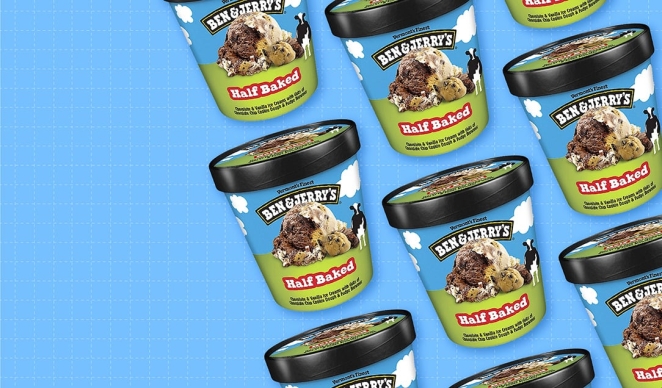
Ground every creative choice in your real mission and strengths. Authenticity gives identity weight and longevity. When Ben & Jerry’s campaign for social justice, it feels natural because those values have been embedded since day one. If another ice-cream brand suddenly adopted the same tone, it might come across as opportunistic.
Distinctiveness
The purpose of branding is differentiation. Your identity should be unmistakably yours, even with the logo covered up. That might come from a unique colour palette, illustration style, tone of voice or a recurring graphic motif.
Ask yourself: if someone saw one of our ads without the name visible, would they still recognise it as ours? If not, your brand codes need sharpening.
Memorability
Distinctiveness breeds memorability, but simplicity cements it. The most effective identities are clean and repeatable. They form “memory structures” in people’s minds through repetition. Overly complex or constantly changing visuals fade faster.
Think of how the Nike swoosh or Apple’s bitten apple evolved only slightly over decades. Their simplicity allows them to live anywhere (product, packaging, digital) and remain recognisable in an instant.
Consistency
Consistency is the cornerstone of trust. It’s not about making everything identical, but ensuring all elements feel part of the same family. Colours, fonts, tone and motion should all reinforce each other.
This is where brand guidelines earn their keep. They codify the system: logo rules, palette codes, voice examples, dos and don’ts. The more faithfully those are followed, the stronger the signal you send to the market.
Flexibility and scalability
We live in a multi-platform world. Your brand must look as good on a smartwatch as it does on a billboard. The identity system should therefore be modular and recognisable at every scale and medium.
A flexible identity also survives cultural shifts. It can evolve in style while keeping its core intact. The best brands refresh rather than reinvent, updating typefaces or layout systems without discarding their distinctive DNA.
Cohesion
Cohesion is how the parts fit together. The name, logo, colour palette, typography, imagery and tone of voice should all express the same personality. If your visuals scream playfulness but your copy sounds corporate, something’s broken.
Emotional resonance
Finally, great identities make people feel. They evoke pride, comfort, excitement or belonging. That emotion often emerges naturally when the other qualities (authenticity, consistency, distinctiveness) are in place.
Emotion is what transforms recognition into attachment. It’s why certain jingles or colours trigger nostalgia decades later.
In summary
A strong brand identity is truthful, unique, memorable, consistent and emotionally engaging. It’s designed for endurance, not novelty. It’s not whipped up overnight but crafted with strategic care, much like an agency would treat any client brief.
To understand what that process looks like in practice, we next examine the tangible building blocks of identity (from logos to tone of voice) before diving into the ten expert principles that ensure those elements work together for the long haul.
What Is Included in a Brand Identity?
A brand identity isn’t a single logo or tagline. It’s a complete system of components that work together to form a unified presence. Broadly, it combines visual and verbal elements.
Each piece may seem simple on its own, but together they create the sum of how your brand is seen, heard and remembered.
1. Brand Name
Your name is often the first brand touchpoint people encounter. It should be distinctive, pronounceable and meaningful. Whether descriptive or abstract, it must feel appropriate to your sector and scalable as your business grows.
If you’re launching something new, naming is a pivotal early step; if you’re rebranding, it’s usually the element you retain. Once chosen, it anchors everything else.
2. Logo
The logo is the cornerstone of your identity and the symbol that condenses your story into one mark. It can be a wordmark, symbol, or combination mark, but it must be simple, scalable and memorable.
A strong logo looks good in colour or monochrome, at billboard scale or mobile icon size. It should capture the essence of your personality in an instant. Think of the FedEx arrow or Amazon’s smile. These are tiny design details that tell a complete story.
3. Tagline or Slogan
While optional, a tagline can reinforce your brand promise in just a few words. “Just Do It.” “Because You’re Worth It.” “Every Little Helps.” These phrases endure because they crystallise mission and mindset.
A good tagline doesn’t describe what you sell; it conveys why it matters.
4. Colour Palette
Colour is psychological shorthand. It’s the quickest way to evoke emotion or association. Most strong brands have one to three primary colours that become signature (Coca-Cola red, Tiffany blue, Spotify green) supported by a secondary palette for flexibility.
Choose hues that align with your personality (trustworthy, playful, premium, sustainable) and use them consistently. Colour, applied well, becomes memory.
5. Typography
Fonts communicate character. A classic serif can suggest tradition and expertise; a clean sans-serif, modernity and approachability. Limiting your type choices to one or two families keeps things coherent.
Ensure legibility across print and screen, and document usage in your brand guidelines. Typography is subtle but hugely powerful in shaping tone.
6. Imagery and Visual Style
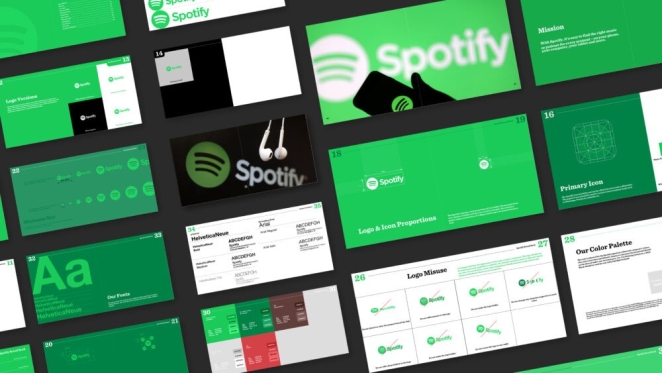
Photography, illustration, layout and iconography all build atmosphere. Do you favour warm candid shots or high-contrast studio visuals? Minimal line icons or textured collage? A clear visual philosophy makes creative decisions easier and brand output more cohesive.
7. Tone of Voice
Voice is the verbal counterpart to visuals. It defines how you sound across copy, customer service, press releases and social media. Are you authoritative or irreverent? Polished or conversational? Consistency here is vital.
Your tone should reflect your values and audience, guiding word choice and sentence rhythm.
8. Core Messaging and Values
Behind every piece of communication sit your brand story, mission and principles. These define what you stand for and why you exist. Expressing them clearly ensures every message ladders up to purpose.
9. Brand Guidelines
A great identity is useless without governance. Brand guidelines (or style guides) compile all visual and verbal rules: logo spacing, hex codes, fonts, photography direction, copy tone, do’s and don’ts.
They protect consistency (the foundation of trust and recognition) especially when multiple people or agencies work on the brand.
10. Every Tangible Touchpoint
Identity extends beyond marketing materials into product design, packaging, environments and behaviour. The way your shop smells, the tone of your chatbot and the music in your ads all communicate who you are.
If a café calls itself quirky and friendly, its menu design, décor and Instagram feed should reflect that personality. Every experience should reinforce the same story.
How to Design and Develop Your Brand Identity
Designing a brand identity isn’t a one-and-done task of making a logo and choosing colours. It’s a layered journey that spans discovery, definition, creation, deployment, and continuous evolution. For clarity, we can break this process into six key phases, each with its own purpose, deliverables, and potential pitfalls. From initial research to long-term maintenance, here’s how to craft a strong brand identity step by step.

Tanya Be
Phase 1: Discovery – Unearthing the Brand’s Truth
Before any sketches or design concepts, the process begins with uncovering the truth of the brand. In the discovery phase, the team digs deep through stakeholder workshops, founder interviews, customer surveys, competitive audits, and even cultural trend mapping. The goal here is straightforward: go beyond assumptions and surface-level data to pin down what the brand truly stands for, who its real audience is, and how it stacks up against others in the market.
A thorough discovery doesn’t stop at documents and data; it examines how the brand shows up across every touchpoint and finds those “moment of truth” insights. By the end of discovery, you should have uncovered the brand’s unique value proposition, the emotional drivers that resonate with your audience, and any underlying tensions that need resolution. (For instance, an established legacy company might want to be seen as more agile, or a scrappy challenger brand might aim to look premium without coming off as generic.)
Key deliverables in this phase:
Brand Audit: An honest assessment of your current brand assets and content, the competitor landscape, and how your audience presently perceives you.
Stakeholder Portraits: Insights into what key players (founders, leaders, employees) believe the brand is, contrasted with what customers actually feel about it.
Insight Statements: Emerging themes or revelations – for example, contradictions between perception and reality, or strong emotional cues that keep coming up.
Opportunity Map: Clear areas where a renewed identity could set the brand apart. This highlights where you can differentiate and create the most impact.
Common pitfalls:
Skipping discovery and rushing to design: Jumping straight into visuals without research often leads to a shallow, trend-driven brand that lacks substance.
Staying in an echo chamber: Relying solely on internal opinions and assumptions ignores how customers truly feel. Without outside input, you might miss a huge disconnect between your self-image and public perception.
Treating discovery as optional: Cutting this phase short (or skipping it) is like building on sand. Without a solid understanding at the start, every decision afterward rests on guesswork.
Phase 2: Strategic Definition – Anchoring the Identity
Once you have raw insights from discovery, the next step is to distill them into a clear strategy. Strategic definition is about boiling down the complexity into a concise brand compass – a set of core principles that will guide every creative decision moving forward. In this stage, you articulate the foundational elements: the brand’s purpose, its positioning in the market, target audience segments, personality traits, and key messaging pillars (including tone of voice).
Having this strategic foundation ensures your brand identity has an anchor. Without it, any design work risks being style over substance – nice-looking but not meaningfully connected to what you stand for. Always remember: a brand’s identity should express its positioning, not replace it. (This is why successful rebranding projects invest time in strategy workshops and definition long before any design sketches begin.)
Strategic elements to define:
Purpose: Why do you exist beyond making a profit? Define the core mission or belief driving the brand.
Positioning: What unique space do you aim to occupy in your customers’ minds? Clarify how you’re different from competitors and what key value you promise.
Audience: Who are your primary customer groups or segments? Identify the archetypes of people you serve so you can tailor your identity to resonate with them.
Personality: If your brand were a person, what traits would it have? Pinpoint a set of characteristics (e.g. playful, authoritative, compassionate, innovative) that will shape both design and voice.
Tone of Voice & Messaging: Decide how your brand speaks to the world. Are you casual and witty, or formal and academic? List a few guiding examples of messaging themes or slogans that embody this voice.
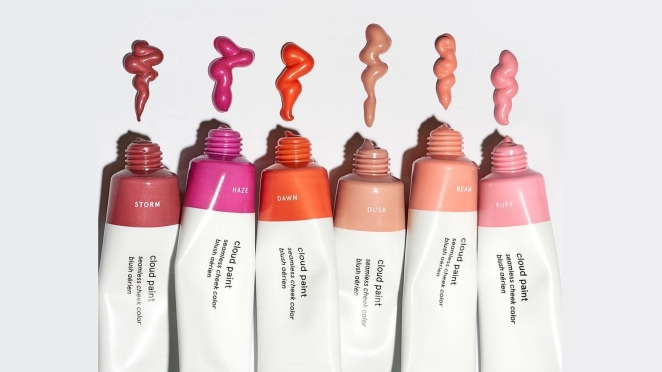
With these strategic definitions in place, your brand identity work gains focus. For example, take Glossier, the beauty brand. Glossier’s core belief is “beauty is about having fun, wherever you are in your journey.” Because they established that clear, human-centred purpose early on, every element of their identity aligns with it – from the minimal pink packaging and modern, approachable typography to the conversational copy on their website. Everything ladders back to that inclusive, fun ethos. That consistency between what the brand believes and how it looks and sounds is a big part of Glossier’s success.
Pitfalls to avoid:
Empty corporate-speak: Be wary of vague, generic statements like “we’re innovative and customer-centric.” If your strategy statements could describe any company, they won’t give you a competitive edge or inspire a distinctive identity. Dig deeper for something authentic to your brand.
Siloed thinking: Don’t develop your brand strategy in a vacuum, disconnected from execution. Your positioning and values should directly inform design and behaviour. A brilliant strategic slogan on paper means little if it doesn’t translate into visuals and tone. Make sure strategy and creative teams work hand in hand.
Phase 3: Visual & Verbal Direction – Defining the Signature Feel
Now comes the creative exploration. With a solid strategy guiding you, this phase is about envisioning how the brand will look and sound before finalising any specific assets. Think of it as establishing the overall feel of the brand – its signature style and voice – in broad strokes, so you set the right direction from the start.
On the visual side, designers often create moodboards or style tiles to propose different directions. You’ll explore possibilities for colour palettes, typography, imagery style (photography vs. illustration, polished vs. candid, etc.), and graphic elements or patterns that could become distinctive brand codes. Essentially, you’re defining the visual language: what aesthetic world will this brand occupy, and what ingredients will make it instantly recognisable?
On the verbal side, you define the tone of voice and test it out. Is the brand voice friendly and irreverent, or refined and authoritative? At this stage, writers might draft sample taglines, a few headline examples, or short excerpts of copy to embody different tones. This helps ensure the chosen voice resonates with your audience and complements the visuals. Since a brand’s personality comes through in both design and language, these two tracks (visual and verbal) should evolve together and feel cohesive.
The goal in Phase 3 isn’t to produce final logos or finished slogans yet, but to create a handful of concept “territories.” Each territory is like a mini-identity concept – a plausible look-and-feel that reflects the strategy in its own way. By presenting 2–3 distinct directions that all stay true to your brand’s core, you allow stakeholders to discuss and select which direction feels most on-brand and inspiring. It’s much easier to course-correct or combine ideas at this stage than after assets are finalized.
Visual direction typically includes:
- Inspiration boards or moodboards that capture the desired vibe (imagery, textures, references that set a tone).
- Preliminary colour palette explorations.
- Candidate fonts or typography styles for headlines and body text.
- Ideas for graphic devices or patterns (for example, a unique shape that might repeat in backgrounds, or icon styles).
- Example imagery guidelines – perhaps test photos or illustrations that feel “on brand” (e.g. warm, natural photos vs. high-contrast studio shots).
- Rough layout examples to show how these elements might come together in a webpage, ad, or poster.
Verbal direction typically includes:
A defined tone of voice, described in a few keywords (e.g. “confident, witty, and inclusive” or “down-to-earth and friendly”).
Sample copywriting snippets: potential taglines, a mock social media post, a short About Us blurb or headline, to demonstrate the voice in action.
Key messaging themes that tie back to brand values, ensuring that what you say is as distinctive as how you say it.
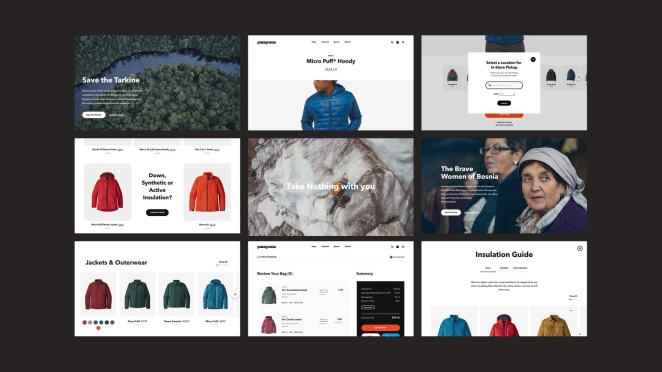
For example, consider how Patagonia approached this phase. Patagonia’s strategic core is “We’re in business to save our home planet.” When defining their creative direction, that mission shone through consistently. Visually, their style is rugged and authentic: photography shows real outdoor scenes (not glossy studio setups), colours are earthy and subdued, and the typography is simple and utilitarian. Verbally, their copy is plain-spoken and heartfelt about environmental responsibility. By testing and refining that visual and verbal style early, Patagonia ensured that when it came time to create actual ads and packaging, everything would feel true to their essence.
Pitfalls to avoid:
Committing to final assets too early: This stage is for exploration. Avoid the temptation to lock in a specific logo or design element after the first moodboard you love. If you finalize things prematurely, you might miss a more effective direction that further exploration would have revealed. Stay flexible until a direction is vetted from multiple angles.
Chasing design trends blindly: It’s easy to get excited by a hot new design trend (say, a certain illustration style or a neon colour fad). But if it doesn’t align with your strategy, it won’t serve your brand long-term. Trendy for the sake of trendy quickly becomes dated. Always filter creative choices through the lens of “does this fit our brand’s story and values?”
Separating visuals and voice: A common mistake is to develop the visual identity and the tone of voice in isolation. In reality, they work together to create one impression. If your visuals say “playful startup” but your writing sounds like a stuffy corporation (or vice versa), customers will sense the dissonance. Make sure design and copy are in sync, reinforcing the same personality.
Phase 4: Asset Creation – Building the System
With a chosen creative direction, it’s time to build the actual toolkit of assets that will make up your brand identity. In the asset creation phase, all the core components of the brand are designed, refined, and prepared for real-world use. This is where abstract ideas turn into tangible files and guidelines that everyone can use.
Think of this as developing the system behind your brand’s look and voice. The team will finalize the primary logo and any logo variations, define the official colour palette, choose fonts and specify typography rules, create any graphic elements or icons, set the style for imagery, and document the tone of voice with examples. By the end, you should have a comprehensive set of assets and rules – often compiled into a brand guideline document – that together make up the identity.
Typical brand identity assets include:
Logo suite: Your main logo, plus approved variations (e.g. a simplified icon or monogram version, horizontal and vertical layouts) for different uses. These should all be delivered in usable formats and sizes.
Colour palette: A selection of primary and secondary colours (with HEX/RGB/CMYK codes) that represent your brand. This comes with rules for usage – for instance, which colour is the main brand colour, what combinations work, and how to maintain accessibility (contrast ratios, etc.).
Typography system: Chosen typefaces for headings, subheadings, and body text, with guidelines on when and how to use each (including web-safe or app-safe alternatives if your primary font is custom). This ensures all written content has a consistent typographic style.
Graphic elements: Any additional design motifs that are part of your identity. This could be a set of icons, a pattern or texture, design frames, or other visual devices that can be reused across materials to give them a branded touch.
Imagery style guide: Guidance on the style of photography or illustration to use. For example, your guide might specify using natural, candid photos with vibrant colours, or maybe black-and-white portraits with high contrast – whatever fits your brand. If illustration is key, you might include sample illustrations or iconography styles.
Motion and interaction cues: If your brand appears in digital products or video, you may define how it behaves in motion – e.g. how the logo animates, the style of transitions and hover effects, or the personality of micro-interactions in an app. (This is increasingly important for tech and media brands.)
Voice and messaging guidelines: In addition to visual assets, a good identity kit includes a section on tone of voice. This will outline the brand voice principles and provide example phrases, do’s and don’ts in writing, and key messages or taglines that encapsulate the brand’s story.
Templates and collateral: Pre-made templates that show the identity in use – such as business card layouts, letterhead, PowerPoint or Google Slides templates, social media post formats, email newsletter design, packaging mockups, etc. These help ensure that when various team members create content, they start from on-brand materials.
During asset creation, everything should be tested together. Does the logo hold up at small sizes and large? Do the colours look good on screen and in print? Can the typefaces be loaded on the website without issues? It’s a time for iteration and refinement so that once you roll out, the system works as intended.

A great example of an asset system in action is Spotify. Spotify’s brand toolkit includes a distinctive green primary colour, a set of bold typography, and a signature circular graphic motif (those radiating circles suggesting sound waves). They also developed a flexible approach to imagery, often using duotone gradients over artist photos. With these components, Spotify can create a huge variety of ads and visuals – one campaign might be hot pink and orange with bold block text, another might be cool blue with a musician’s face – yet they all look unmistakably like Spotify. That’s the power of a well-crafted system: it provides creative freedom and consistency at the same time.
Pitfalls to avoid:
Delivering a logo in a vacuum: A logo alone does not make a brand. Avoid the mistake of finalising a logo and a couple of colours and considering the identity done. Without context and supporting elements, a logo won’t carry your brand very far. Make sure to build out the system around it, and show how it should be used in real scenarios.
Assets that don’t scale or translate: In today’s world, your brand will appear on everything from a smartwatch screen to a giant billboard. If your assets only work in print but not on a mobile app (or vice versa), that’s a problem. Test your designs in different sizes and formats. For instance, an overly intricate logo might need a simpler version for small uses. Ensure your colour choices are web-friendly and accessible. Plan for motion if needed. In short, design for flexibility.
Lack of clear usage rules: Handing off great assets without guidance is inviting inconsistency. If people aren’t sure how not to use the logo or which colours go together, they might make mistakes that dilute the brand. Always accompany assets with clear instructions and examples – for example, minimum logo size, proper spacing, what backgrounds it can be placed on, and so on. This empowers others to use the brand correctly and keeps everything looking polished.
Phase 5: Application & Roll-Out – Bringing the Identity to Life
With the brand toolkit in hand, it’s time to put it to work in the real world. The application & roll-out phase is about implementing the new identity across all channels and touchpoints, and ensuring it performs well wherever it's used. A brand identity isn’t meant to live only in a PDF guideline – it has to come alive in websites, products, stores, social media, and everywhere else your business interacts with people.
In this phase, your team systematically updates (or creates new) customer-facing and internal materials to reflect the new identity. This is a big effort that can include:
Revamping your website and mobile app with the new look – updating logos, fonts, buttons, colour schemes, and overall layout so the UI feels on-brand. Every digital interaction, down to loading spinners or error messages, should be considered for brand consistency.
Refreshing social media profiles and content – from the header images and avatars to the style of visuals you post and even the tone of your social captions. It should be obvious from your Instagram grid or LinkedIn page that it’s the same brand as your website and packaging.
Redesigning or reprinting marketing collateral – such as brochures, flyers, business cards, product packaging, advertisements (print and digital), signage, and any other sales materials. All of these should now use the new logos, colours, typography and imagery style.
Updating environmental and experiential touchpoints – for example, if you have physical locations, this could mean new in-store graphics, signage, window displays, interior decor, uniforms, etc. Even the music or scent in a retail space can be considered part of brand experience; whatever elements reinforce the new brand identity should be addressed.
Ensuring internal materials match the brand – this includes your presentation templates, documents, email signatures, intranet design, office design elements, and so on. Consistency here is not just cosmetic; it helps employees internalise the brand and present it confidently to the outside world.
Launching internal training and communication – before you unveil the new brand to the public, it’s vital to get your team on board. Host training sessions or workshops to walk employees through the new identity, share the brand guidelines, and explain the reasoning behind the change. This equips everyone to become brand ambassadors and ensures they’ll use the new assets correctly in their daily work.
Bringing an identity to life is often an iterative test. You might find during roll-out that some guidelines need tweaking – maybe a particular colour doesn’t work well on a certain material, or additional icon graphics are needed. That’s normal. The key is to approach roll-out methodically and thoroughly, touching everything that a customer (or employee) will see.
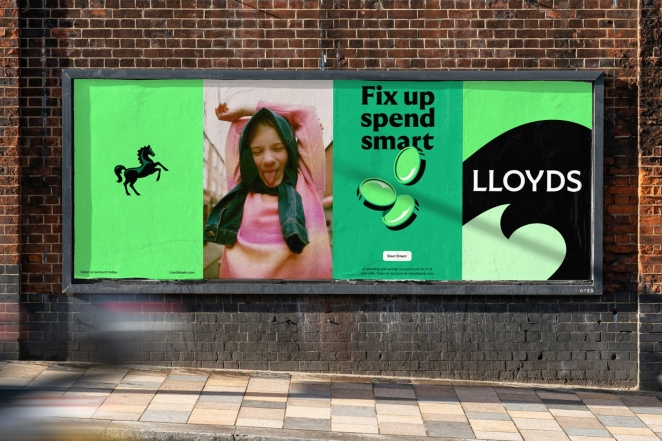
For example, when Lloyds Bank in the UK refreshed its brand, it didn’t abandon everything recognisable – the bank retained its iconic green colour associated with its heritage. But they did modernise the overall presentation: introducing a cleaner, sans-serif typography and a simpler, flatter style to feel more digital-friendly. That updated identity was then rolled out across thousands of touchpoints, from the banking app and website to branch signage and printed forms. The result was a more contemporary look and experience that still clearly felt like Lloyds Bank, improving consistency across old and new channels alike.
Pitfalls to avoid:
Only rebranding “externally”: Ensure you’re not just updating the customer-facing facade while leaving internal culture and materials in the old style. If your marketing looks cutting-edge but your internal comms or office still screams old brand, employees will be confused and slower to adopt the change – and that disconnect can eventually spill outward. Rebranding is an organisation-wide effort.
Underestimating the roll-out effort: Swapping out an entire identity is a significant project. It often costs more and takes longer than anticipated, because there are countless places where your old brand might linger. Plan for this. It might involve phased roll-outs (prioritise high-impact touchpoints first) and budget for things like new signage or printing new materials. Rushing it or doing it on the cheap can lead to an inconsistent presentation, which undermines the whole point of rebranding.
Launching with inconsistencies: Double-check everything before a public launch. It’s surprisingly easy for inconsistencies to creep in – one department might use an old logo file by mistake, or a partner agency might not fully follow the guidelines. Such inconsistencies right at launch can erode the trust and clarity you’re trying to build. Have a review process to catch errors, and consider a soft launch or beta release for digital changes to work out any kinks.
Phase 6: Governance & Evolution – Keeping the Identity Alive
Launching a new identity isn’t the end of the journey – it’s the beginning of a new chapter for your brand. Markets shift, consumer preferences evolve, and new competitors emerge, so a brand identity must be actively managed and periodically refined to stay effective. In the governance & evolution phase, the focus is on maintaining the integrity of the identity over time and making strategic adjustments when necessary.
Governance involves setting up the tools and processes to protect your brand. This starts with comprehensive brand guidelines that document all your standards (often living online for easy access). The guidelines should include clear do’s and don’ts: how to use the logo, proper colours and fonts, examples of tone of voice, and even things like photographic style or icon usage. But governance is more than a document – it’s also about people and process. Decide who in your organisation is responsible for approving new materials for brand compliance (e.g. a brand manager or committee). Establish a process for handling requests that fall outside the current system (for example, if a new type of asset is needed, how do you decide on its design?). Maintain a repository or asset library where anyone in the company can get the latest logos, templates and guides easily, so no one goes rogue with outdated versions. Regular training or refresher sessions are also valuable, especially as new employees, partners, or agencies come on board. They all should learn “this is how we do things around here” when it comes to brand.
Evolution is about keeping the brand identity fresh and relevant as time goes on. A strong identity system is built to last, but “lasting” doesn’t mean never changing – it means changing purposefully. Monitor how the brand is performing out in the world: are people recognising it? Do they understand it? Are certain elements consistently causing confusion or not aging well? Use tools like brand surveys, social media feedback, and internal input to gauge this. Over the years, you might find you need to make updates. Perhaps you’ll add a new colour to the palette, or tweak the tone of voice as cultural language shifts. Maybe technology changes – if, say, voice-assisted devices become a key channel, you might develop a sonic identity or adapt your content style for that medium. The important thing is to preserve the core recognisable elements of your brand (the things your loyal customers identify you by) while evolving the rest to keep pace with the world. Many successful brands periodically refresh their identity – not a full redesign, but subtle adjustments to stay contemporary. When done right, these changes are almost subliminal to the public (they just feel like the brand is staying current without losing its soul).
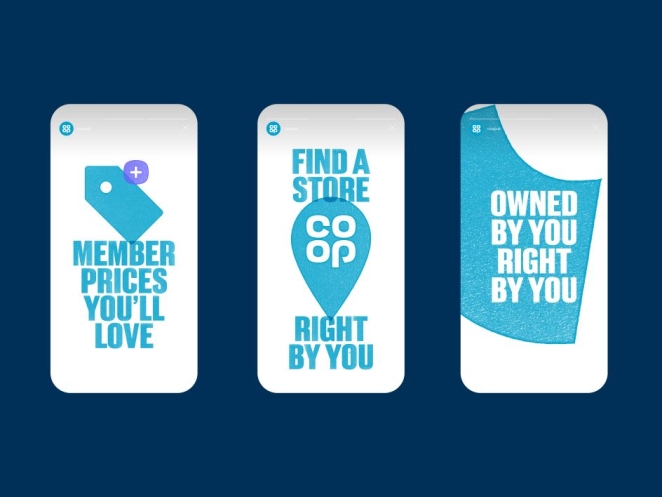
A good example is the evolution of the Co-op brand in the UK. Co-op rejuvenated its identity by bringing back a modernised version of its 1960s clover-leaf logo. They introduced a simplified, sans-serif logotype across all their businesses – food stores, funeral care, insurance, etc. – and rolled it out methodically to thousands of outlets. The update wasn’t drastic or shockingly new; rather, it tapped into positive nostalgia with a cleaner execution for today’s contexts. The impact was measurable: in trial stores that adopted the refreshed branding, sales rose about 15%, significantly outpacing the modest ~5% growth in stores that hadn’t updated yet. This shows how a well-managed evolution, supported by proper roll-out and governance, can breathe new life into a brand and even boost performance. Co-op also continued to manage the brand closely after launch, ensuring the new logo and style were used consistently in every locale and medium.
Pitfalls to avoid:
“Set it and forget it” mindset: Don’t treat a brand identity as a one-off project that you finish and file away. Without ongoing attention, standards can slip – different teams might interpret things differently or revert to old habits. Plus, your brand might gradually lose relevance. Keep a schedule to review your identity every so often (annually, for instance) to ensure it’s being used right and still aligns with your strategy.
Ignoring new contexts: The media and technology landscape is always changing. If you fail to extend your brand rules to new platforms, your identity can fragment. Imagine if your brand looked great on your website but you never decided how it should appear on voice assistants or in VR environments – when those opportunities arise, teams might guess and create something off-brand. Be proactive in adapting guidelines for new channels as your brand expands into them.
Over-rigidity: Consistency is crucial, but be careful not to make your system so rigid that it can’t evolve. If designers or marketers feel handcuffed by an overly strict guide, they might start bypassing the rules or the brand could miss out on engaging new ideas. Allow some flexibility and encourage teams to suggest improvements. A living identity should have a strong core but also the elasticity to bend without breaking. The brands that endure for decades strike this balance between discipline and adaptability.
Pulling It All Together: A Practical Checklist
Finally, here’s a quick checklist to guide you through the brand identity development process. Whether you’re a marketing director planning a rebrand or a designer building a brand from scratch, these steps can help ensure no aspect is overlooked:
Conduct thorough discovery – Host workshops, do customer research, and audit competitors to ground your branding in real insights.
Define your strategy – Be crystal clear about your brand’s purpose, positioning, target audience, personality traits, and tone of voice before diving into design.
Explore multiple creative directions – Develop 2–3 distinct visual and verbal concepts (style “territories”) and test them. Choose the direction that truly captures your brand’s essence.
Build a flexible asset system – Create a complete toolkit: logo variations, colour palette, typography, imagery style, iconography, voice guidelines, etc. Make sure it’s cohesive and works across all mediums.
Apply the identity everywhere – Roll it out consistently across your website, products, social media, print materials, packaging, environments, and even internal docs. Every touchpoint should sing from the same song sheet.
Launch with clarity and enthusiasm – Introduce the new identity internally first. Educate and excite your team about the change, then launch it to the public with a clear narrative (the why and the what of the rebrand) and a well-managed plan.
Document and train – Provide easily accessible brand guidelines and train everyone who uses the brand (employees, agencies, printers) on how to do it right. Empower people to be consistent.
Establish brand governance – Decide who or what team will act as guardians of the brand. Set up a process for approving new uses and periodically reviewing that standards are maintained.
Monitor and evolve – Keep an eye on brand performance. Is it recognised and understood? Gather feedback. Over time, be willing to adjust elements of the identity or expand the guidelines to cover new needs, always keeping your brand’s core intact.
When executed with rigour, this whole process ensures your brand identity is not a cosmetic afterthought but a strategic asset — a living system that makes your business instantly recognisable, emotionally resonant, and built to endure. In short, it gives your brand both the foundation and the flexibility to stand out, scale up, and thrive for the long haul.
How to Create a Brand Identity
Building a brand identity is a deliberate process that combines strategy, creativity and consistency. A strong brand identity unifies visual brand identity, tone of voice and brand values so that every interaction (whether digital or physical) feels recognisably “on brand.”
By investing in thoughtful brand identity design, whether through external brand identity designers or internal teams, businesses can shape how they are perceived, build emotional connections with their audience, and stand apart from competitors. In the end, a well-built identity becomes a brand’s signature; the promise it keeps, the recognition it earns, and the legacy it builds.
How Creativepool Can Help You Build Your Brand Identity

Tasmin Otter-Lunn
Creating or revitalising a brand identity is no small feat. It demands strategic thinking, creative excellence and collaboration across disciplines. That’s where Creativepool comes in — the global community connecting the worlds best brands with the world’s best branding agencies.
For brands and marketers
If you’re a business leader, marketing manager or founder planning a rebrand, you can search thousands of specialist branding agencies and logo designers on Creativepool. Filter by sector, location or style, explore portfolios, read verified reviews and shortlist partners that fit your ambition.
If searching isn't your thing then you can post Post your Project. Post a studiobrief to attract agency applications or a studiogig to have vetted freelancers apply for your role. Outline your goals, timeline and budget, and start to receive creative proposals directly through the platform — a faster, smarter way to source ideas.
For agencies and creatives
If you’re an agency, designer or strategist, Creativepool is where you showcase expertise and attract new clients. Update your profile with past rebrands, publish before-and-after stories, share guidelines you’ve built and request reviews from clients. Visibility on Creativepool means visibility to thousands of decision-makers actively looking for branding talent.
You can also contribute articles to the Magazine by positioning yourself as a thought leader and engaging directly with the community that commissions work.
For in-house teams
Many brands use Creativepool to extend their internal teams. Whether you need a external agency to tackle a root to tip rebrand or a branding designer to help tweak your offering, building your brand identity requires consistency, creativity and collaboration, which are the fundamental strengths of the Creativepool network.
Conclusion
Brand identity is the face, voice and heart of your business. It’s what people remember, trust and advocate for when you’re not in the room. Done well, it weaves truth, creativity and consistency into an ecosystem that feels inevitable.
Mike Perry’s ten principles remind us that identity work is equal parts excavation and evolution: dig into your truth, define your purpose, design for memory, protect your codes, stay timeless, showcase the product, act as custodian, scale seamlessly, behave consistently and measure what really matters.
Brands that live by those rules don’t need to chase relevance; they create it.
And whether you’re an agency crafting for clients or a brand shaping your own story, Creativepool is the place to find collaborators who can bring that story to life and find the strategists, designers, writers and visionaries who know that the best identities aren’t invented; they’re revealed.
Neujuice Design November 24th, 2025, in the morning
Great article, overview and roadmap... will be sharing shortly :-)