
The way recruiters evaluate talent has changed dramatically over the past few years. Hiring managers are no longer impressed by a polished CV alone, they’re looking for candidates who demonstrate curiosity, adaptability, and purpose. With creative industries evolving at lightning speed, employers now prioritise qualities like emotional intelligence, collaboration, and problem-solving just as much as technical expertise. In other words, creativity is no longer limited to your portfolio, it’s reflected in how you think, communicate, and grow.
Understanding what talent hunters really look for is crucial for any creative professional hoping to stand out in today’s competitive market. Whether you’re applying for a design role, content position, or creative leadership opportunity, your success depends on showing how you add value, not just what you do. The truth is, talent hunters aren’t only scanning for keywords, they’re searching for potential, personality, and purpose. This article explores the evolving traits, skills, and mindsets that recruiters value most, along with practical tips to help you align your creative profile with what employers actually want.
The New Way Talent Hunters Evaluate Candidates

Credit: Kirill Pavlov
Gone are the days when hiring was simply about reviewing a CV or portfolio. Talent acquisition has become smarter, data-driven, and far more human-focused. Recruiters now use AI-powered platforms, skill assessments, and social insights to understand not just what you’ve done, but how you work and think.
Many companies also rely on talent-matching algorithms that prioritise cultural fit and behavioural traits, not just hard skills. This means that your online presence, from your Creativepool portfolio to your LinkedIn profile, now plays a major role in shaping first impressions.
According to a LinkedIn survey, over 75% of recruiters research a candidate’s online presence before scheduling an interview.
Modern talent hunters are looking for candidates who present a cohesive story, one that connects skills, achievements, and professional purpose. Your digital footprint, tone of voice, and the way you present your creative identity can all influence how recruiters perceive your fit for a role.
The Core Qualities Talent Hunters Look For

Credit: Lemonade Illustration Agency
Recruiters often say that hiring the right person is both a science and an art. The science lies in analysing data, experience, and measurable results. The art lies in identifying the human qualities that drive success. Here are the top attributes talent hunters are prioritising:
a. Proven Results & Measurable Impact
Employers want candidates who can demonstrate how their work made a difference. Instead of listing duties, use your portfolio and CV to showcase impact-driven achievements, metrics, client outcomes, awards, or creative milestones.
Example: Instead of saying “Managed client campaigns,” say “Developed a multi-platform campaign that increased engagement by 45%.”
Recruiters interpret results as proof of accountability, leadership, and creativity under pressure, three traits that make candidates irresistible.
b. Adaptability & Continuous Learning
The creative industry evolves fast, from AI tools to new media formats. Employers now prioritise professionals who embrace change and upskill regularly. Show curiosity in your application, mention online courses, certifications, or side projects that demonstrate your proactive approach.
Adaptability signals long-term potential, it shows you’ll grow with the company, not outgrow it.
c. Emotional Intelligence & Collaboration
Soft skills remain a deciding factor in hiring. In creative environments where teamwork and client interaction are constant, emotional intelligence can outweigh technical mastery. Recruiters look for candidates who communicate clearly, handle feedback gracefully, and build positive relationships.
Highlight instances where you’ve successfully collaborated across departments, mediated differences, or led projects with empathy and clarity.
d. Creativity & Problem Solving
Creative thinking isn’t just about design, it’s about finding innovative solutions. Talent hunters admire professionals who can turn challenges into opportunities, especially when working within constraints like tight deadlines or limited budgets.
Show how you’ve solved problems creatively, whether it was reimagining a campaign concept, improving a workflow, or designing a cost-efficient solution.
e. Value Alignment & Culture Fit
More companies today prioritise values-based hiring. Employers want people who resonate with their mission, whether it’s sustainability, diversity, or innovation. Demonstrating genuine interest in a company’s values can set you apart.
Before applying, research their brand tone, social media presence, and leadership messaging. Reflect those values in your cover letter or interview answers to build instant alignment.
f. Authenticity & Personal Brand
In a world of AI-generated resumes and templated portfolios, authenticity stands out. Talent hunters appreciate candidates who share their real story, their creative journey, lessons learned, and vision for the future.
A strong personal brand doesn’t mean self-promotion; it means clarity and consistency. Your tone, design style, and professional message should all tell the same story.
g. Leadership and Strategic Thinking for Senior Roles
Recruiters looking to fill senior creative positions focus heavily on leadership, mentorship, and strategic vision. Beyond technical mastery, senior candidates are expected to guide teams, communicate creative direction, and drive innovation aligned with business goals.
Key skills: decision-making, stakeholder management, mentoring, adaptability to business objectives.
The Red Flags Recruiters Notice
Credit: Javier Maldonado
Even the most talented candidates can lose out on opportunities because of subtle, avoidable mistakes. Talent hunters pay attention not just to what’s written on your CV but to how you present yourself across every touchpoint, from your first email to your LinkedIn headline. Here are the most common red flags that can make recruiters hesitate:
1. Vague or Unclear Portfolios
A portfolio that simply lists visuals without context makes it difficult for recruiters to understand your contribution.
Recruiters want to see the story behind the work, what the project brief was, what problem you solved, and what measurable results came out of it. When a portfolio lacks this narrative, it feels incomplete and leaves room for doubt about your role or impact.
✅ Tip: Include a short project summary for each piece: your objective, your role, and the outcome. Show the process, not just the final visuals.
2. Generic CVs and Cover Letters
One of the biggest turn-offs for recruiters is a copy-pasted application. A generic CV tells them that you’re not truly invested in the role or company. Today’s hiring managers expect tailored applications that reflect their brand values and tone.
✅ Tip: Align your CV and cover letter to the company’s mission or language. Even a small customization, like mentioning a campaign you admire, shows genuine interest and initiative.
3. Inconsistent Online Presence
Recruiters frequently cross-check your resume, portfolio, and LinkedIn profile. If the information doesn’t match — like different job titles, missing dates, or outdated experience, it raises questions about accuracy.
In the creative world, inconsistency can also appear through tone and visual presentation. A sleek Creativepool portfolio but a neglected LinkedIn profile sends mixed signals about your attention to detail.
✅ Tip: Keep all your profiles aligned. Update your achievements regularly and make sure your personal branding feels cohesive across platforms.
4. Poor Communication Etiquette
Communication is often a deciding factor. Unclear or delayed responses, grammatical errors, or overly casual language in emails can make even a qualified candidate seem unprofessional.
Recruiters look for candidates who communicate clearly, respectfully, and promptly, it reflects reliability and interpersonal skill, both of which are critical for client-facing or team roles.
✅ Tip: Always reply within 24 hours, proofread before sending, and keep a professional yet approachable tone. Maintaining a dedicated business number can help with this, and tools like Quo make it easy to keep communication organized.
5. Overconfidence or Lack of Humility
Confidence is crucial, but arrogance can be a dealbreaker. Recruiters are drawn to candidates who are self-assured yet open to feedback. Dismissing a company’s creative approach, bragging about personal wins without teamwork context, or downplaying others’ contributions can all raise red flags.
✅ Tip: Show confidence through results, not attitude. Use phrases like “I collaborated on…” or “Our team achieved…”, it shows leadership and humility.
6. Lack of Self-Awareness or Growth Mindset
A subtle but major red flag is when candidates fail to reflect on their growth or learning experiences. Recruiters increasingly value adaptability and curiosity, especially in fast-changing creative industries.
If you can’t discuss a project that didn’t go as planned, or what you learned from a challenge, it signals stagnation rather than progression.
✅ Tip: In interviews, highlight moments of learning or change. It shows emotional intelligence and readiness for evolving roles.
Think of every interaction, from your first email to your interview, as part of your personal brand experience. Recruiters evaluate not just your skills, but the professionalism, consistency, and mindset behind them.
How to Align Yourself with What Recruiters Want
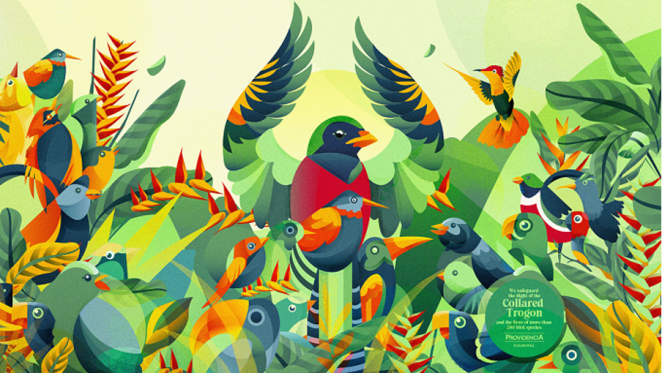
Credit: Camilo Garzón
Standing out in today’s competitive talent landscape is not just about having the right skills, it’s about strategically positioning yourself as the solution to a company’s specific needs. Talent hunters look for alignment: between your abilities, your presentation, and the organisation’s goals. Here’s how you can align your professional story with what recruiters are truly seeking.
1. Research the company before applying
Before hitting “apply,” invest time in understanding the organisation’s tone, values, and creative direction. Recruiters immediately notice when a candidate has done their homework.
Study their website, social feeds, and recent campaigns. What themes or audiences do they focus on? Do they prioritise innovation, sustainability, or storytelling? Reference one or two of these insights in your cover letter or portfolio description, it shows authentic enthusiasm and cultural fit.
✅ Example: “I was particularly inspired by your recent rebranding campaign for X, it reflects the kind of user-focused design approach I strive for in my own work.”
This simple step turns your application from generic to personalised, making you memorable in a stack of resumes.
2. Customise your portfolio for each opportunity
A portfolio should be dynamic, not static. Recruiters often scan hundreds of profiles, so the first impression must immediately reflect relevance. If you’re applying to a brand-driven agency, highlight logo development, packaging, and brand storytelling. If it’s a digital or tech company, lead with UX/UI design, interactive prototypes, or app visuals.
Consider creating different versions of your portfolio, or at least organising projects into categories (“Branding,” “Motion,” “UX/UI”) so recruiters can navigate easily.
✅ Pro tip: Add short captions below each project summarising your role, the challenge, and the outcome. Metrics like ‘Increased engagement by 35%’ or ‘Reduced bounce rate by 20%’ help quantify your impact and make your work stand out
3. Write impact-driven applications
Recruiters read fast, and they’re trained to spot vague, overused terms like “hardworking,” “motivated,” or “team player.” Replace those with clear, measurable results.
❌ “Responsible for managing client campaigns.”
✅ “Managed 12 client campaigns that delivered a 40% average engagement increase.”
Use active verbs (led, delivered, collaborated, improved, designed) and bullet points for clarity. The key is to communicate outcomes rather than tasks.
When describing creative projects, connect your design or strategy decisions to business impact — such as brand awareness, conversions, or client retention. This helps recruiters see not just what you did, but why it mattered.
4. Maintain a consistent digital presence
Recruiters now evaluate candidates across multiple touchpoints, LinkedIn, Creativepool, Behance, Instagram, or personal websites. Any inconsistencies in job titles, timelines, or tone can cause confusion.
A strong candidate profile tells one cohesive story across every platform: who you are, what you do best, and what drives your work. Consistency also signals professionalism and attention to detail.
✅ Tip: Use the same profile picture, tagline, and summary keywords (e.g., Creative Strategist | Brand Designer | Story-led Thinker) across all channels. It reinforces your personal brand and helps recruiters remember you.
5. Demonstrate continuous growth
Recruiters want to hire individuals who evolve with the industry. Showing that you’ve learned new tools, explored new mediums, or adapted to emerging trends demonstrates curiosity and resilience.
Highlight workshops, certifications, or side projects that expanded your skill set. Even small examples, such as experimenting with AI-driven design tools or learning a new motion software, show initiative.
✅ Example: “Recently completed a UX bootcamp to deepen my understanding of accessibility in design.”
This communicates ambition and a growth mindset, two traits highly prized by hiring managers today.
6. Communicate with clarity and authenticity
Your tone in emails, cover letters, and interviews reflects how you might communicate within the team. Recruiters value candidates who are clear, confident, and personable, not overly formal, but never careless.
✅ Tip: Keep messages short and purposeful. Use active, human language. Always follow up professionally after interviews or portfolio reviews, it reinforces reliability and genuine interest.
Remember: Recruiters don’t just hire skill sets, they hire people who align with a company’s values, voice, and vision. The more you show that you understand what drives them, the more likely they are to see you as part of their future team.
How Talent Hunters Are Changing Their Search in the Modern Hiring Landscape
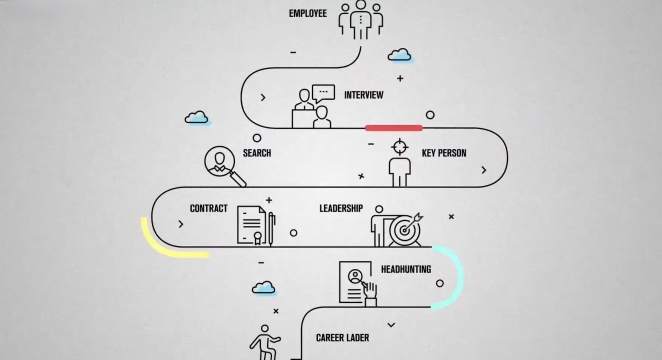
Credit: Jerome Haldemann
Recruitment today is evolving faster than ever, blending data-driven insights with human intuition. The digital transformation of hiring isn’t slowing down; it’s redefining what recruiters look for and how they evaluate talent.
Here’s how the new generation of talent hunters is reshaping their approach:
1. Skills Over Degrees
Recruiters are shifting from traditional qualification-based hiring to skill-based evaluations. Rather than focusing on academic backgrounds, they now prioritise real-world capabilities, what candidates can actually do.
Creative industries, in particular, favour demonstrable expertise through portfolios, personal projects, or freelance experience. Certifications and online learning credentials (like Coursera, Adobe, or Google UX) also carry significant weight.
✅ Tip: Highlight key skills and results directly on your portfolio homepage or LinkedIn “Featured” section. Recruiters love immediate clarity.
2. Smarter, AI-Enhanced Recruitment
Artificial intelligence is now an integral part of early screening, from keyword matching in resumes to predictive analytics that assess fit and performance potential.
However, AI doesn’t replace human judgment. Recruiters use these tools to shortlist candidates more efficiently, but final decisions still rely on emotional intelligence, creativity, and culture fit.
Insight: Candidates who blend technical ability with personality and storytelling often perform best through both automated and human evaluations.
3. Diversity and Inclusion at the Core
Hiring strategies increasingly prioritise diversity, equity, and inclusion (DEI). Companies now see inclusive teams not as a moral obligation but as a strategic advantage, fostering innovation, creativity, and better problem-solving.
Talent hunters actively seek candidates who bring unique perspectives or who can work effectively across diverse teams. They also watch for inclusive language and cultural awareness in portfolios, case studies, and interviews.
✅ Tip: Avoid one-size-fits-all messaging in your bio or cover letter. Instead, express what makes your creative perspective unique.
4. Emphasis on Soft Skills and Emotional Intelligence
In a world of hybrid work and global collaboration, soft skills are now core skills. Recruiters assess how well candidates communicate, manage feedback, handle ambiguity, and adapt to fast-paced environments.
Many hiring processes now include personality-based assessments, team exercises, or scenario-based interviews to evaluate these traits.
Example: A design candidate might be asked how they handle conflicting feedback from clients and creative directors, showcasing emotional intelligence and collaboration style.
5. The Portfolio Comes First
Especially in creative fields, the portfolio now speaks louder than the resume. Recruiters increasingly review portfolios before opening CVs, looking for work that reflects originality, craft, and problem-solving ability.
Strong portfolios go beyond visuals, they tell stories. Recruiters want to understand the thinking behind the work, the process, and the impact.
✅ Tip: For each project, include a short write-up: challenge → solution → outcome. This narrative helps talent hunters quickly grasp your value.
6. Data-Driven Hiring and Quality Metrics
Modern recruitment is also about measurable success. Hiring teams now track metrics like Quality of Hire, Time to Productivity, and Retention Rate to refine sourcing strategies.
This analytical approach ensures companies hire candidates who perform well, stay longer, and add measurable value — not just fill roles quickly.
For candidates: Understanding these metrics can help you position yourself as a long-term, high-impact hire rather than just a quick fit.
7. Continuous Learning as a Key Differentiator
The most sought-after candidates are those who demonstrate a growth mindset, curiosity, adaptability, and willingness to evolve with industry trends.
Recruiters love seeing active learning in action: short courses, workshops, experiments, or side projects that show initiative.
✅ Tip: Add a “What I’m Currently Learning” line in your Creativepool or LinkedIn bio. It subtly signals curiosity and self-awareness.
Measuring Recruitment Success: Quality of Hire and Key Metrics
Credit: Pendulum Design
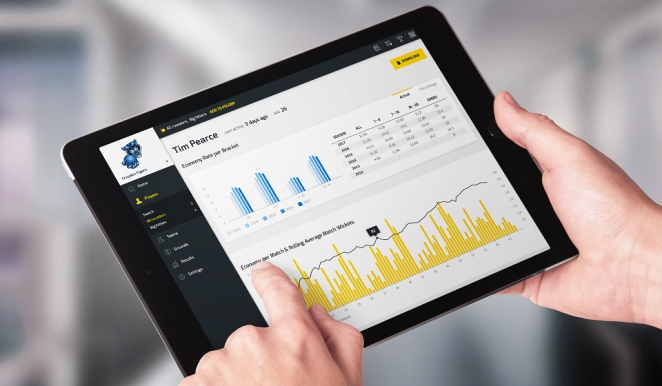
In modern recruitment, success isn’t measured by speed but by sustainability. Metrics like Quality of Hire, Time to Productivity, and Retention Rate help companies evaluate long-term impact and the true effectiveness of their hiring strategies.
Recruiters now use data analytics tools to track how new hires perform over time, ensuring they’re not just hiring fast, but hiring right. These insights reveal whether a candidate truly adds value, fits the company culture, and continues to grow within the organisation.
Many talent teams also assess hiring manager satisfaction, employee engagement, and internal mobility rates as part of their post-hire analysis. Together, these metrics help recruiters refine their sourcing methods, reduce turnover, and build a more resilient workforce.
For candidates, this means showing impact in measurable ways, not just what you did, but how your contribution helped teams perform better, projects succeed, or clients stay longer.
Where Talent Hunters Search for Candidates
Pumpkin
Sourcing talent has become a multi-channel strategy. Recruiters no longer rely on a single job board or referral, instead, they mix platforms, data, and networking to find candidates who are not only qualified but culturally aligned. Each channel serves a different purpose, depending on the seniority, skill set, and creative discipline recruiters are targeting.
Here’s how today’s talent hunters are using the top sourcing platforms, and when each one works best.
1. Creativepool – For Portfolio-Driven Discovery
When it comes to the creative sector, Creativepool remains one of the most effective platforms for identifying top creative professionals. Recruiters use it to browse verified portfolios, review award-winning projects, and connect with creative talent across disciplines, from design and advertising to animation and production.
The platform’s community focus helps recruiters see how creatives think, not just what they’ve done.
Best for: Visual creatives, designers, art directors, illustrators, and creative strategists.
When to use: Ideal for mid- to senior-level creative roles where showcasing aesthetic vision and portfolio depth is essential.
2. LinkedIn – For Senior and Multidisciplinary Roles
LinkedIn continues to dominate as the go-to platform for professional networking and senior-level recruitment. Its extensive database allows recruiters to filter candidates by experience, company, or skill set — making it ideal for leadership roles that demand strategic or cross-functional expertise.
Beyond direct job postings, recruiters also rely on LinkedIn Recruiter and InMail outreach to engage passive candidates who might not be actively job hunting but are open to the right opportunity.
Best for: Executive-level roles, marketing managers, strategy leads, HR and operations professionals.
When to use: Early in the search process to map industry leaders or when sourcing cross-disciplinary talent.
3. Employee Referrals – For Trusted, High-Quality Hires
Despite the rise of digital tools, employee referrals remain one of the most reliable sources of strong hires. Referred candidates often come pre-vetted, reducing both hiring time and risk. Many companies now gamify referrals with internal incentives, encouraging employees to recommend people who fit both the job and the culture.
Studies consistently show that referral hires stay longer and perform better, largely because they already have insight into company values and expectations.
Best for: Roles requiring culture fit, leadership, or collaborative skillsets.
When to use: When company culture and trust are priorities, or when hiring within niche creative networks.
4. Niche Job Boards – For Specialised Creative Roles
While mainstream platforms cast a wide net, niche job boards are invaluable for precision hiring. From UX Design Jobs, Creativepool to Animation Career Review, these platforms attract talent with very specific creative expertise.
Recruiters often turn to niche boards for hard-to-fill roles, positions where technical knowledge or artistic specialisation is key. The focused audience ensures quality over quantity, which saves time and improves conversion rates.
Best for: design, copywriting, UX/UI, creative, and digital content creation.
When to use: For targeted recruitment campaigns or when seeking creative professionals.
5. Social Media and Online Communities – For Emerging Talent
Platforms like Instagram, TikTok, and X (Twitter) are no longer just social channels, they’ve become discovery spaces for emerging creative voices. Recruiters follow trending hashtags, creative challenges, and online showcases to find fresh, authentic talent that might not yet be on traditional job boards.
Best for: Early-career creatives, influencers, content creators, and visual storytellers.
When to use: When scouting new perspectives, diverse voices, or creative experimentation.
How Recruiters Combine Channels Strategically
Credit: Paulo Estriga
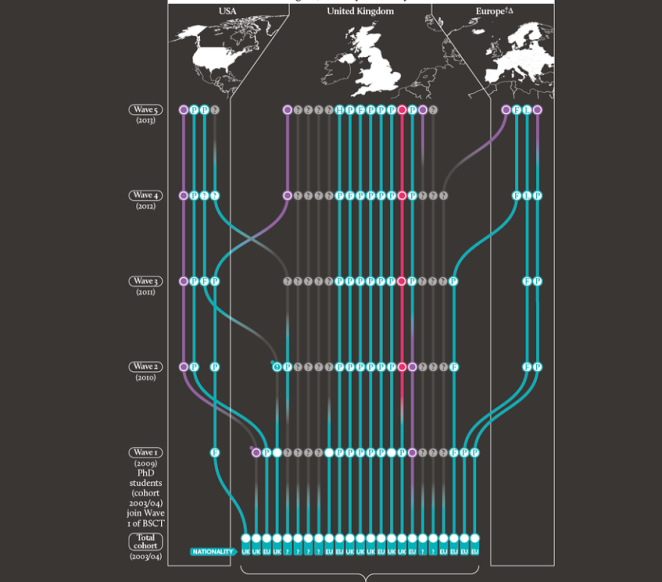
Nowadays talent hunters rarely rely on a single platform. Instead, they build multi-channel sourcing strategies that mix portfolio visibility, professional credibility, and cultural context. This holistic approach helps recruiters form a complete picture of a candidate’s skills, personality, and long-term potential.
For example:
-
Creativepool helps recruiters find talented designers, illustrators, art directors, and other creative professionals. With a community of over 400,000 members, it showcases originality and industry recognition far beyond what a résumé can convey. Many agencies use Creativepool to discover creatives whose work is award-winning or trending.
-
LinkedIn acts as the credibility checkpoint. Recruiters verify career progression, leadership experience, and mutual connections. A well-written summary and consistent activity signal professionalism and engagement with the creative community.
-
Referrals remain one of the strongest sources of trust. A recommendation from a peer, client, or former colleague instantly adds weight to an application. Recruiters often prioritise referred candidates because they’ve already been validated by someone in their network.
By balancing these channels, recruiters ensure they’re not only hiring for skill, but also for fit, potential, and long-term creative impact. They can evaluate both the work you produce and the way you present yourself online.
For candidates: Make sure your profiles across platforms tell one unified story. Consistency in tone, visual style, and messaging helps recruiters connect the dots and see your true professional identity.
Career Q&A: What Talent Hunters Really Want
Credit: Toby Talbot
Q1. What do talent hunters look for in creative professionals?
They seek a balance of creativity, accountability, and adaptability. Measurable results, emotional intelligence, and cultural fit all rank high on the list. Recruiters look for people who can not only produce great work but also think strategically, communicate clearly, and collaborate effectively within diverse teams.
Q2. How can I make my portfolio stand out to recruiters?
Focus on storytelling, explain your creative process, results, and role in each project. Use visuals strategically and keep navigation clean. Show variety, but maintain consistency in tone and design. Add short descriptions, performance metrics, and a clear call to action like “Let’s connect” or “View full case study.”
Q3. Do soft skills really matter as much as technical ones?
Yes, and often more. Recruiters know technical skills can be taught, but mindset, adaptability, and communication cannot. Soft skills like leadership, empathy, and problem-solving drive collaboration and help creative teams thrive, especially in hybrid or global work setups.
Q4. How do I show culture fit in my job application?
Mirror the company’s values in your tone, examples, and phrasing. Reference recent campaigns, awards, or initiatives that resonate with you, this shows you understand their brand personality. Recruiters are drawn to candidates who seem naturally aligned with the team’s creative culture.
Q5. What are the biggest mistakes to avoid when applying for creative jobs?
Avoid generic applications, outdated portfolios, and overused buzzwords. Don’t send the same CV to every role, tailor it. Small details matter: broken portfolio links, cluttered visuals, or grammar mistakes can signal carelessness. Always double-check before hitting “send.”
Q6. How important is social media presence when applying for creative roles?
Very important. Many recruiters review your LinkedIn, Creativepool, or Instagram to assess your professional voice and creative identity. A curated feed that reflects your expertise and interests helps build credibility. Keep personal content private if it doesn’t align with your professional image.
Q7. How can I impress recruiters during an interview?
Be authentic, curious, and well-prepared. Share examples that highlight both skill and teamwork. Discuss challenges you’ve overcome, lessons learned, and how you add value in collaborative settings. Closing with thoughtful questions about the company’s goals leaves a lasting impression.
Conclusion: Bringing It All Together
At its core, hiring is about connection. Talent hunters want to see who you are, not just what you’ve done. By combining measurable impact with adaptability, authenticity, and cultural awareness, you can position yourself as a creative professional who adds real value to any team.
The next time you update your Creativepool profile or apply for a new role, remember: it’s not about ticking boxes, it’s about telling your story, with purpose, precision, and personality.
Header Image by: Anastasiia Zaesenok