


There are so many benefits to the freelance lifestyle; the freedom, the flexibility, and the fact you don’t really have any one to answer to (besides your clients, of course) are all right up there. Ask anybody that’s been freelancing for more than a few months, however, and the one thing they’ll probably tell you irks them more than even the lack of paid holiday time is inconsistent invoices.
There are, of course, those rare clients that will always pay you on time, every time and, in my experience, I’m much more likely to give these clients the most attention. Some middleman clients, meanwhile, will tell you they’re “waiting for payment on their end” while others will say they’re “waiting for the work to drop.” Some might even choose to make light of it. I have honestly cut loose dozens of clients like this over the years, and I loathe to say it’s got worse since COVID.
A recent study has shown that businesses across the UK are chasing a total £50bn in late payments from customers, with an average of 5 outstanding invoices per business. To say that doesn’t surprise me is an understatement. At this current moment in time, I’m sitting on around 3 grand in unpaid invoices and I’m a sole trader. With over 3 million sole traders in the UK, the figures certainly track.
The thing is, even if we have the foresight to sign a contract with our clients before starting work on a project, they know very well that they can bend us pretty far before we’ll break and seek legal recourse. We are a malleable bunch, and we must be. However, after nearly two decades of freelancing, I’ve gathered a few pearls of wisdom I’ll be sharing below for the first time. So, freelancers of the world, strap in.
Double-check your contracts
Getting the right terms in your contract, and getting it signed before you start work, is honestly half the battle a lot of the time. The terms and conditions of your contract need to state the final and total cost of any work completed an exact description of the work being carried out, any payment terms (including the final payment date) and the responsibilities of each party involved.
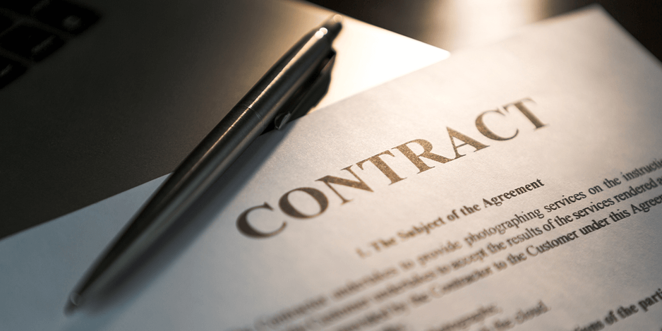
As a copywriter, my role is often pretty clearcut so I can use a standard contract nine times out of ten, but I understand your mileage may vary. Either way, it’s worth spending a little extra time on the contract when starting with a new client.
Check them out!
I’ve lost track of the number of times I’ve been offered a gig by email only to discover the company doesn’t even have a website. Unfortunately, creatives are prime targets for rogue traders so do your due diligence before accepting any new work. The more background knowledge that you can gain, the better informed or reassured you can feel. Similarly, if you find they have a poor payment history, but the job still seems too good to pass up, you can decide whether to shorten their payment deadline and put extra conditions in place.
Send invoices with plenty of time to spare
The sooner you send invoices, the faster you can receive payments. I used to delay invoicing until the end of each month, but now I make it a habit to send invoices immediately after completing a project, using Zintego to keep the process quick and organized.
Clear, professional invoices reduce back-and-forth and excuses. If you’re not using dedicated software, grab free Microsoft Word files like these customizable Word invoice templates — fully editable, professionally formatted, and printable — so you can send invoices the moment work wraps and keep due dates and late-fee terms front and centre.
You could also set up an automatic payment reminder email using your invoicing software of choice to be sent a few days before the due date. Doing this will also allow you to keep in touch with your client throughout the project, meaning that you should be aware if there are any payment issues niggling in the background.
Offer discounts for early payments
If this is a viable option, you could think about offering a discount for customers who pay the invoice early. It could only be a small percentage, but a discounted price could encourage your customer to get the payment to you as soon as possible. You could even consider offering these discounts to a small group of clients to start as a trial run.
Be polite, at first
If you find yourself in a situation where it’s passed the due date and payment has yet to be sent, it’s time to start chasing. Timing is everything here. You want to wait a few days after the due date before you start and keep it polite and understanding with a simple enquiry email.

If there’s no response, follow up weekly, then eventually daily before reaching for the phone as, while a phone call can be more effective, it can also come across as pushy. I’ve ended up with a few terse phone conversations that have completely soured my relationships with a handful of clients in the past.
Escalate with diplomacy
The best way to escalate matters is to remain calm. Use firm language but remain professional and never use personal language. Telling a client you need payment because your mortgage is due not only breaks down the professional barrier but reeks of desperation and it’s a smell that’s almost impossible to shake once it’s there. Mention the possibility of legal action as a last resort but do so tactfully and keep emotion out of it. You should also keep all communications and records in case you need evidence later.
Learn from your mistakes
Above all else, learn to see red flags and be sure to make note of tactics that worked and tactics that didn’t. Freelancing, like anything, is something we get better at the longer we stick with it. And be secure in the knowledge that you’re not the only one!

I know literally zero freelancers without a single overdue invoice on their books. It happens to us all. Just ensure you have enough regular clients on your books to keep the wolf from the door and don’t panic!





Neil Maguire January 29th, 2024, in the morning
I'm a freelance storyboard artist and I have to say my CV is pretty good, I've worked on mega budget features , tv shows and games and some projects that never see the light of day.I've also been doing this a long, long time. Decades in fact. Out of all the mediums there are to work in, features, TV, promos, games and commercials I have to say that ther is one sector I can guarantee will never pay on time, will in every instance need chasing up and will inevitably pay weeks late.
Commercials.
There 'I've said it.
Great people to work with and a fun gig to have and in many cases can be bread and butter work. But....
I only know one company that pay on time and i've done thousands of ads over 34 years in the industry so if you're with an agency in this field and you want to furnish me excuses, I must politely reply that I've heard them all.
Repeatedly.
I do understand the situation many ad companies are in but have a buffer, a float, to pay your freelancers as word gets round in this business real fast of the company names to avoid when they come calling.
I'm at present wating on 6 ads to pay, all of them are late as we speak.