

The term guerrilla marketing can conjure images of PR stunts and odd ball activations designed to shock and grab attention – and headlines. But if we think about guerrilla marketing more as a fringe activity than a stunt aimed at undermining the main event, it’s clearer how this can be carefully planned and built into marketing strategies rather than appearing as indiscriminate side-show clutter.
Because we live in a world saturated with advertising and promotional noise, the most powerful marketing doesn’t interrupt and annoy, it seamlessly integrates. Guerrilla marketing at its best doesn’t shout the loudest, it feels like it’s always belonged.
Indeed, the value for brands in fringe activity, is in its honesty. It might be daring and bold – attributes often associated with guerrilla marketing – but it might also be deeply connected, sitting comfortably within local communities and environments.
The best of this type of work champions initiatives celebrating culture, amplifying brands but in ways that feel relevant to their surroundings. Then they earn the respect of the audience through genuine connection, creativity and truth.
Of course, it all starts with the event itself. The OG of this concept is the Edinburgh Fringe Festival. Started because the main event – The Edinburgh International Festival – had become too exclusive and wasn’t representing the broader performing arts community, its ethos was that artists of all genres could perform there.
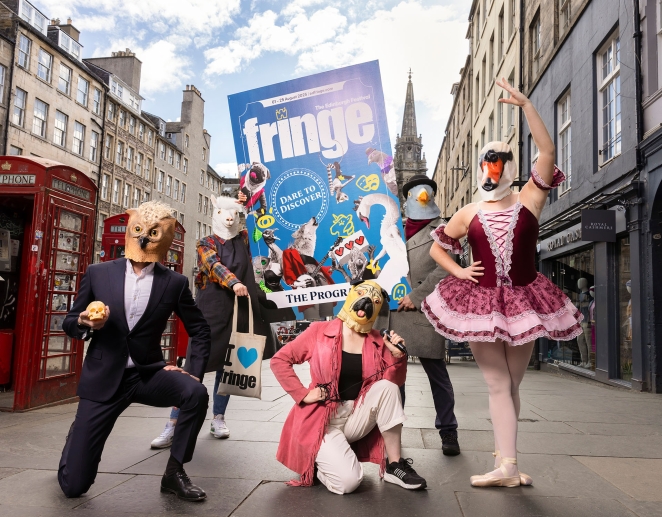
A Festival Fringe Society was established to formalise its existence (in 1958) publishing a programme and giving information to artists – but with absolutely no vetting process – and the festival has grown ever since. Come August, the crowds will be flocking north of the border to enjoy one of the most varied theatrical and comedic line-ups in the world.
Meanwhile at the beginning of June, the UK hosted SXSW London as it took over the streets of Shoreditch for a week with its own inimitable mix of tech, design, music and film. SXSW – whether the original Austin, Texas version or its European cousin – is a festival that thrives in the fringe space. Beyond the main stages, the draw is just as strong to the myriad moments that go into building this unique mix of culture.
For SXSW the fringe enhances, surprises (for the right reasons) and adds value for attendees. From a brand involvement perspective, it can clearly deliver significant “other” positives such as PR amplification, but this should not be their primary focus. Attendees are fully attuned to the over-promotional and they won’t engage in one-dimensional and self-serving experiences.
Good fringe marketing, no matter what the event, is about both inclusion and utility. There may well be a rebellious streak to it, a sense that it welcomes and includes things not necessarily welcomed and included elsewhere, a safe space for an alternative perspective. But it will also include content that’s of use and serves a purpose – whether that’s a platform, entertainment, education or otherwise.
Often by being on the edge of things – physically or emotionally or both – you cut through more clearly and for the right reasons, instead of being lost in the crowd. It’s not about hijacking space or risking controversy, effective guerrilla marketing is at one with its setting, building trust and curiosity.
When the Game of Thrones team at HBO found the perfect roof top in San Diego during Comic-Con they placed the iconic “Ice Throne” centre stage to promote the final series and manifest a real life Westeros with a themed event space that tapped into Comic-Con’s audience with a one-off photo-ops bringing crowds from far and wide to the site.
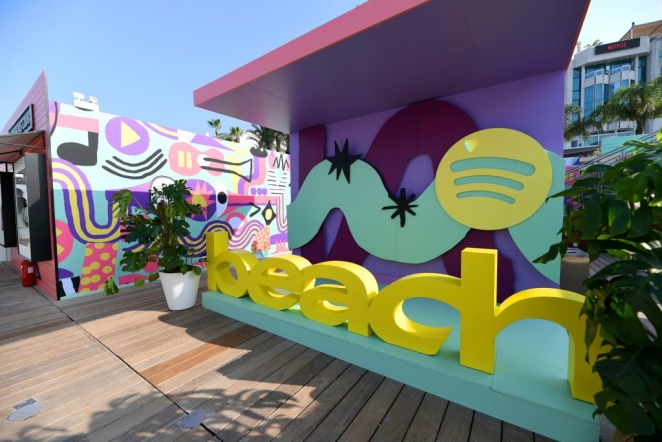
Creative curiosity is arguably a founding principle of the annual Cannes Lions Festival of creativity, so it’s no surprise that Cannes is awash with smart, relevant and brilliantly creative activations for one week in June each year. Stand-outs from fringe activity along La Croisette include Spotify and Pinterest who have consistently brought their digitally native brands to life with one-off performances and installations.
The community nature of effective guerrilla marketing makes it a particularly powerful tool for global brands wanting to better integrate and position themselves in local markets. It allows them to demonstrate cultural fluency and a community-first mindset.
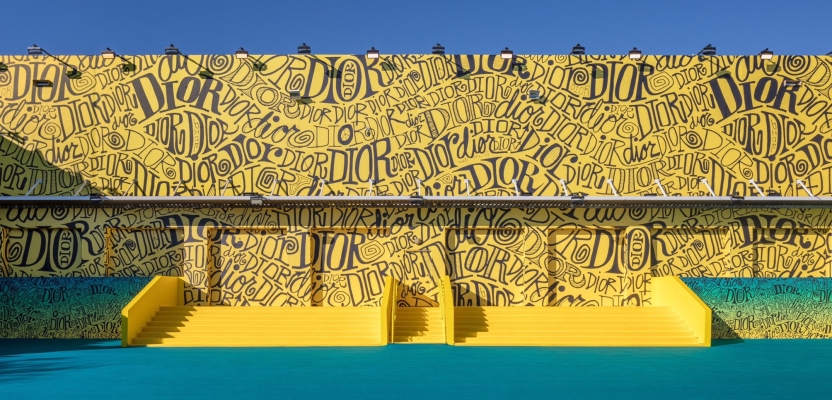
We’ve seen this done with even with luxury brands during Art Basel Miami, where Dior brought local talent in to showcase their interpretations of the brand in Miami through art and bespoke scents.
When executed thoughtfully, fostering respect and curiosity rather than tempting a backlash, these activations appear natural and welcomed, leaving audiences with a simple question: “Why wasn’t this always here?”
And as brilliant fringes have grown at events as diverse as the World Economic Forum’s Davos, London Design Week, Art Basel, Mobile World Congress, Sonar Festival, Cannes Lions and Comic-Con San Diego – the opportunities are plentiful for brands looking for these exciting and creative options for guerrilla marketing.
By Jason Megson, SVP International at Sparks


Anup Sharma July 13th, 2025, late evening
Totally agree. We shouldn’t conform to the norm.