Creativity rarely thrives within boundaries. For Sanpathit Buranasompob, Co-Founder and Chief Creative Officer at Dream Riders in Thailand, the best ideas are born when creative thinking is free from traditional job titles, expectations and industry conventions. With almost 15 years at Leo Burnett Thailand before founding his own creative company, Sanpathit has built a career around challenging the familiar and exploring what creativity can become. His philosophy, which he calls Freeform Creativity, is rooted in a simple belief: an idea should determine its form, not the role of the person bringing it to life.
From award-winning campaigns and filmmaking to experiential projects and digital experiences, his journey reflects a willingness to take creative ideas beyond the traditional boundaries of advertising. Best known for his work on the celebrated short film Panyee FC for TMB Bank, Sanpathit believes that the real power of creativity lies in its ability to connect with people, inspire change and open up new possibilities. We caught up with him to discuss his creative journey, the importance of staying curious, the influence of technology and AI, and why having a clear vision is essential for anyone looking to make a difference through creativity.
How did you first get into the industry?
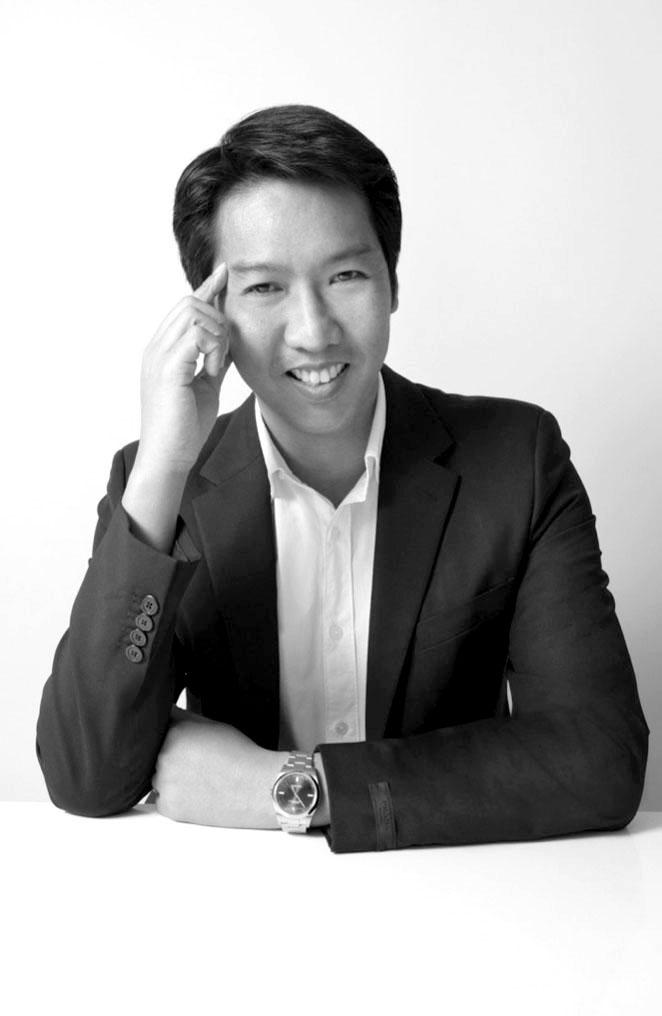 After graduating, I was fortunate to begin my career as a graphic designer at Tutsels @ The Lambie-Nairn in London. I later moved back to Thailand and joined Leo Burnett Thailand, one of the country’s leading advertising agencies at the time. Back then, I was simply a young man with a clear passion and determination to become the best I could be. Over the years, my career took me through several of Thailand’s top advertising agencies, but somehow, I always found my way back to Leo Burnett.
In total, I spent almost 15 years there, a place where my career truly flourished, where I grew as a creative professional, and, perhaps even more importantly, where I grew as a person.
Where are you based now and who do you work for?
I broadened my creative horizons by founding Dream Riders, my own creative company. When I started Dream Riders 10 years ago, we were among the pioneers of the hybrid creative company model in Thailand. At the time, most traditional advertising agencies were still built around large organisations, rigid departments and clearly defined job titles. Everyone had a specific role. If you were an art director, for example, your responsibility was largely to make sure the work looked great.
At Dream Riders, I wanted to build something different. Our creatives were multidisciplinary by nature. We learned to think beyond job titles—to understand the business, respond quickly, work efficiently and, most importantly, take greater ownership of an idea from beginning to end.
With a leaner and more agile structure, creativity was no longer limited by the traditional boundaries of advertising. An idea could become whatever it needed to become: a short film, a series, a commercial, a live broadcast, a documentary, an exhibition, a concert, an experiential art project, a digital experience, and much more.
Over the years, we’ve done them all. And in many ways, Dream Riders broadened not only what I could create, but also my understanding of what a creative person could be.
If you weren’t in your current industry, what would you be doing?
I’d probably own a small cafe with my family. Serving good food and drinks, watching the world go by, and spending time with my wife and son. Nothing too complicated. Just good food, good people, and more time with the people I love. That would be a pretty ideal life for me.
Can you explain your creative process? What makes it unique?
 My creative philosophy is something I call “Freeform Creativity.”
I strongly believe that a creative person should never be defined or limited by a job title. You are not just an art director, a chef, a content creator, a filmmaker or a coder. You are simply a creative person trying to find the best possible solution to a problem.
And when you think that way, creativity becomes limitless.
The idea should determine the form, not your title. If the best solution is a film, make a film. If it’s an experience, create an experience. If it’s food, music, design, technology or something that doesn’t even have a name yet, find a way to bring it to life.
For me, Freeform Creativity is the freedom to let an idea become whatever it needs to become.
How would you describe your style?
The rule is: there is no rule.
I like to put it this way—if I stepped into a boxing ring, you’d never know what I’d do next. I might kick your ribs… or even bite your ear.
Creativity should be unpredictable. The moment people know your next move, you’re already playing by the rules.
Which individuals do you gain inspiration from? Do you have any heroes in the industry?
I was very fortunate to spend such a significant part of my career at Leo Burnett. Mr. Leo Burnett himself was a true creative at heart, with a simple but powerful philosophy: put people at the center of everything. That belief has stayed with me throughout my career.
I was also fortunate to be surrounded by many remarkable creative minds who inspired me and helped shape the person I became—Michael Conrad, Mark Tutssel, Phanu Inkawat, Sompat Trisadikul, and many others.
Looking back, I realise that a creative career is never shaped by one person alone. It is shaped by the people you meet, the ideas you exchange, the lessons you absorb, and the people who inspire you to see things differently.
What tips would you give to aspiring creatives looking for work?
 Stay young and stay hungry. We often say that we work to live. And once we become comfortable, once our stomachs are full, it’s easy to sit back, sink into a nice armchair and enjoy what we’ve already achieved. But for a creative person, comfort can easily become the enemy of curiosity. Stay alert to the world changing around you. Keep your eyes wide open. Stay curious. Keep questioning what you already know. And above all, stay hungry to learn something new. You may grow older, but your curiosity never has to.
What tips would you give to other professionals to get more clients?
Never lose your identity. Clients come to you because they believe in your creative taste, your vibe, and the way you do business. Stay true to what makes you, you.
Can you share a memorable experience from your career journey that shaped your approach to creativity?
It’s always been my mom, really. She doesn’t work in my industry, which is exactly why I value her opinion. Whenever I have an idea, I casually share it with her without explaining the brief or giving her too much context. If she loves it, there’s a good chance ordinary people will connect with it too. If she doesn’t understand it, I go back and rethink it or find a simpler, better way to make the idea work.
What kind of tools/kit/software could you not do without?
A pencil and a piece of paper. Simple, timeless, and often where every great idea begins.
What’s your secret to staying inspired and motivated?
 There’s really no secret to it. I simply fell in love with what I do.
It’s like falling in love with someone. There will be good days and bad days, but somehow, you always find a way to make it work, and every chapter becomes part of the story, whether sweet or bitter. There’s no such thing as a perfect life. What matters is being able to enjoy every moment of doing what you truly love.
What’s the work achievement you’re most proud of?
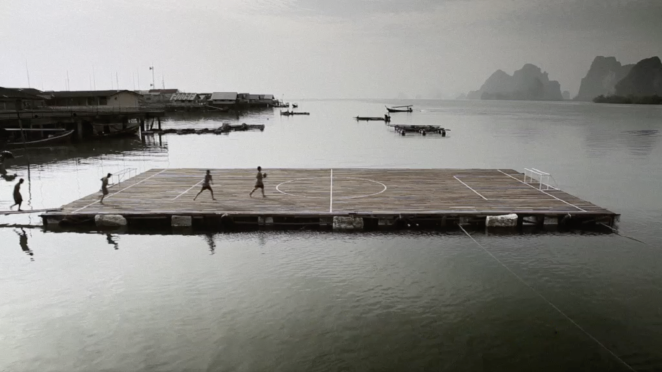
I’ve created many projects that I love, but the one I’m still most proud of is “Panyee FC,” a short film for TMB Bank inspired by its philosophy, “Make THE Difference.”
First, it’s about football, which makes it very personal to me. But beyond that, this true story showed me just how far a great idea can travel. It opened my eyes to the possibilities of creativity—not only beyond advertising, but far beyond the boundaries of any industry.
The project went on to win numerous awards and receive recognition not only from the advertising world, but from different industries and audiences around the globe. To me, that proved something very simple: a great idea can connect with people, regardless of who they are, where they come from, or what industry they work in.
In many ways, Panyee FC didn’t just change my career. It changed the way I understood the power of creativity—how one idea can travel, touch people, open new possibilities, and inspire others far beyond where it began.
As someone with experience in the industry, what trends do you foresee shaping the future of creativity?
Creativity lies within the DNA of every human being. No matter how society or technology changes, creativity will always find its way forward.
I believe Creative Thinking will become one of the core drivers of innovation. As technology becomes more accessible and everyone begins to have access to similar tools, including AI, the real difference will no longer be the technology itself—it will be how creatively we think with it.
When everyone has access to the same tools, creativity becomes the vital ingredient that allows us to think differently, create differently, and make a difference.
What do you think sets apart truly exceptional creatives from the rest of the pack?
 A clear vision sets sail.
You can’t wander the ocean without knowing where you want to go. A clear vision guides you through storms, helps you navigate obstacles, and keeps you afloat when others lose their way.
Creativity may give you the wind, but vision tells you where to sail.
How do you think technology has influenced the creative industries and how have you adapted to these changes?
Technology has always been part of our everyday lives—our phones, computers, cars, refrigerators, and now AI. It influences almost everything we do, and it will continue to move forward whether we like it or not.
So the real question isn’t whether technology will eventually replace us. It’s how willing we are to adapt, keep learning, move forward with it, and be wise enough to use it creatively.
What is the one thing that you would change about the industry?
Creative industries are constantly evolving, and I hope they always will.
But if you ask me what I’d really like to see change, I’d love to see more creative people taking leading roles in society—bringing imagination, fresh thinking and new possibilities to the table. Because creativity shouldn’t only change industries. It should help change the world for the better.
Any websites, books or resources you would recommend?
Go travel. Experience life.
Sometimes, the best creative resource is simply stepping outside, meeting people, experiencing different cultures, tasting different food, getting lost, making mistakes, and discovering life for yourself.
Life itself is probably the greatest creative inspiration you’ll ever have.