
What does it take to build a successful creative career in advertising? For Creative Director Peter Higgins, it starts with ideas, but great ideas are only part of the equation. From studying Graphic Design and discovering that his real passion was creative thinking, to beginning his advertising career at McCann London, Higgins has built his approach around challenging briefs, finding human truths and creating work that people actually remember.
In this interview, Peter Higgins shares his perspective on creativity, advertising and what it takes to stand out in a competitive creative industry. He discusses his creative process, advice for aspiring creatives, the importance of a strong portfolio, finding inspiration beyond advertising, and the impact AI could have on the future of creative work. At the heart of his philosophy is a simple idea: great creatives don't just look for answers, they learn to ask better questions.
How did you first get into the industry?
 I studied Graphic Design, which was useful because it taught me that I didn't want to be a Graphic Designer. The bit I loved was the ideas.
I remember one I came up with (before I got into advertising) when helping someone launch a nightclub. I suggested we tell everyone it opened the week before it actually did. Inside, a DJ played to an empty dancefloor. Outside, two bouncers kept telling a growing queue, "One in, one out." People always want what they can't have. When the club opened for real the next week, it was rammed.
My first proper ad job was at McCann London. It was a brilliant place to start. I got to work on some iconic campaigns and learned from Creative Directors who taught me that the best ideas are usually the simplest ones.
Where are you based now and who do you work for?
I’m originally from Liverpool but I live in leafy Surrey now, which is what happens I guess when you've spent too long in advertising. I'm a Creative Director, which basically means I get paid to ask "What if...?"
What is your personal background and what role did it play in your career?
I grew up in a working-class family in Liverpool. My dad worked in a factory, my mum was a bookbinder, and they both did the same thing every day. Went to work, came home. They were always there. No late-night conference calls. No weekends in airports. It was nice.
They worked hard to give us what we needed. But I wanted something more. I wanted a job that I actually enjoy.
My upbringing has been one of the biggest advantages in my career. I know that most people don't wake up wondering what the latest ad campaign looks like. They're trying to get through the day, pay the bills and get home.
They aren't sitting there waiting to watch an ad from someone like me. Nobody has asked to be inundated with messages about cereal or soft drinks or shampoo. If I'm going to interrupt their day, it's got to be worth their while. The work I do had better be useful, entertaining or memorable. Preferably all three.
If you weren’t in your current industry, what would you be doing?
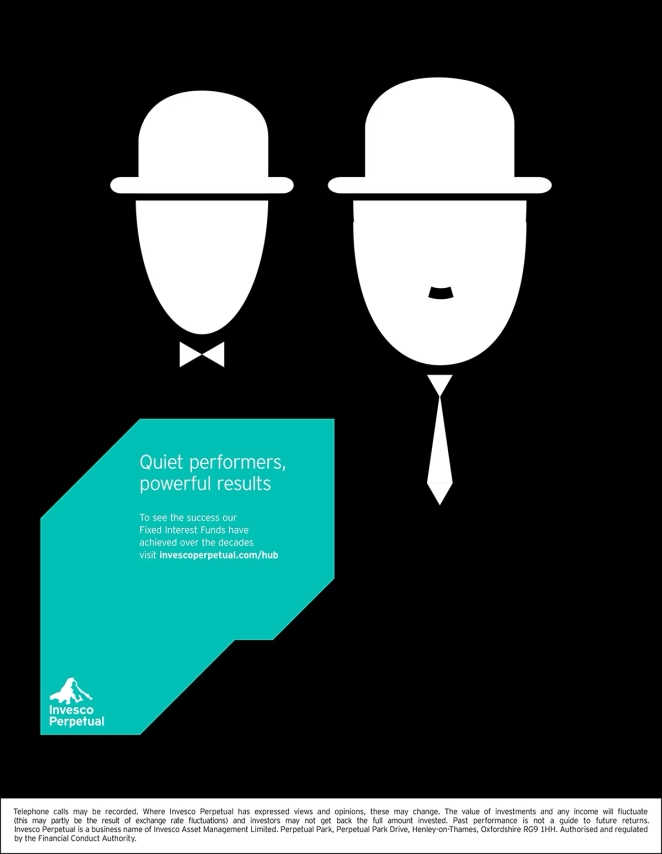 I'd probably go into football coaching. I already coach my son’s football team in my spare time.
People think advertising is about ideas. It's also about getting people to pay attention. Football coaching is exactly the same. Except your audience is eight years old. And you’re trying to deliver a tactical masterclass while one of them is picking his nose and another is looking at a tree. None of them are pretending your presentation is interesting. They either respond positively to what you’re saying or they don’t. That’s refreshing.
Can you explain your creative process? What makes it unique?
Creative processes are a bit like diets. Everyone swears theirs is the one that works. I don’t think there’s a magic formula.
When I get briefed, I tend to start by asking, "Are we looking at this the right way?" The best ideas usually come from reframing the problem.
The other thing I try to do is create moments so I can look at the work with fresh eyes. That's getting harder. Our industry's become so obsessed with speed that sometimes it feels like you're expected to present ideas half an hour before you've been given the brief. Which is great for efficiency. Less so for thinking.
How would you describe your style?
I’m easy to get on with. But I’m also incredibly passionate about the work.
I try to find a human truth. If people can relate to an idea, there’s a good chance they’ll respond to it.
Whether I’m working on alcohol, automotive, cleaning products or charities, my goal is always the same. Create something that stands out, gets noticed and stays remembered.
Too much advertising is designed to not offend anyone. And by the time everyone has added their thoughts, there are so many messages the main idea gets lost. The final ad ends up blending into the background like wallpaper. Who wants to make wallpaper?
Which individuals do you gain inspiration from? Do you have any heroes in the industry?
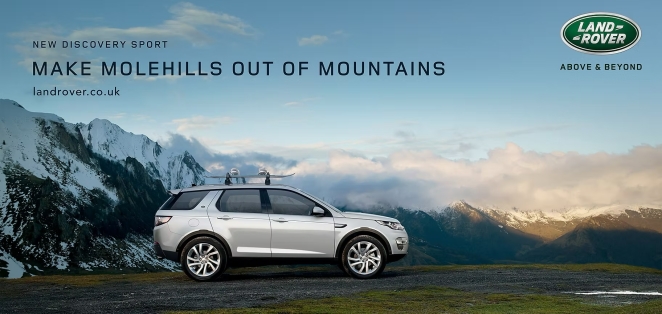 I've been fortunate enough to work with a few of my heroes. Mark Reddy taught me a huge amount about art direction. Nigel Roberts showed me what great copywriting really looks like. And Greg Milbourne taught me how to solve creative problems by thinking about briefs strategically.
The people I admire from further back are the obvious giants: John Webster, Dave Trott, David Abbott and John Hegarty. They all proved that simple beats complicated.
Outside of advertising, I probably take just as much inspiration from people like The Beatles, Steve Jobs and Muhammad Ali. Different worlds, same mindset. None of them accepted the default setting. They all did things their own way.
What tips would you give to aspiring creatives looking for work?
The first thing I'd say is you're trying to get into an industry where your job is to think differently. So why would you apply for a job in exactly the same way as everyone else?
Your application is your first creative brief. Treat it like one. Don't just send an email like everyone else. Find a way to get noticed. Call someone. On a phone. Take a risk.
I once had the crazy idea of posting myself to an ECD with my portfolio. Then I started thinking about the practical issues: What if they were out of the office? What if the box got stuck somewhere? What if I suffocated and when the ECD opened the box he didn’t even like my work? Suddenly an email didn't seem so bad.
My second tip is simple: Have great work in your portfolio. You don’t want to show interviewers stuff that makes them think, "That's quite good." You want to make them think, "I wish I’d done that."
That's the standard to aim for. Don't just show that you can make ads. Show that you can make people give a shit.
What tips would you give to other professionals to get more clients?
Don’t just worry about trying to get clients. Everybody focuses on winning new business but while you’re doing that, are you producing brilliant work for your existing clients?
If you do need new clients, think about what they actually need. How can you make their problems smaller and their opportunities bigger. If you can do that, you have a good chance of winning their business.
Can you share a memorable experience from your career journey that shaped your approach to creativity?
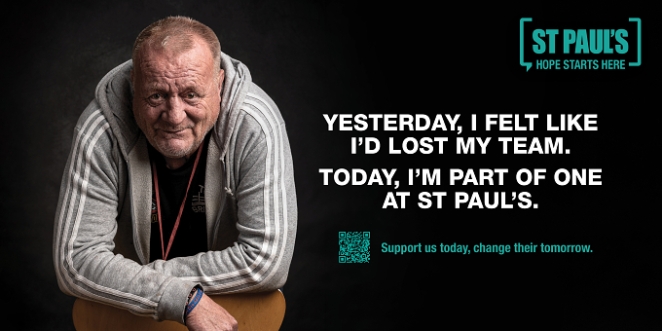 Early on in my career I came up with an idea that I genuinely believed had the potential to become a global award-winning campaign so I took it to the ECD.
He loved the idea but he said, "Selling this in is really political. We’d have to go to the President of Coca-Cola. And that’s like trying to go to the President of the United States." The idea stopped there.
At the time I was really disappointed. And years later, the same idea was done by someone else and it won practically every award going.
What I learned from that is the hardest part isn't doing great work. It's getting it to run. If you’ve got an idea that you genuinely believe in, you have to find a way to make it happen.
What kind of tools/kit/software could you not do without?
A pen and a notebook. This might sound low-tech, but most good ideas don't arrive when you're sitting in front of a computer. They turn up when you're walking the dog, watching football or listening to someone talk nonsense in the pub.
Obviously, I use the usual software, but I still find scribbling ideas in a pad is the best way.
What’s your secret to staying inspired and motivated?
I believe you’re only as good as your last piece of work. So every brief is an opportunity. If that doesn’t excite you, you’re in the wrong game.
The other thing is remembering that people don't owe us their attention. That's a great motivator. Every piece of work is competing with everything else in someone's life, so it needs to earn its place on their radar.
What’s the work achievement you’re most proud of?
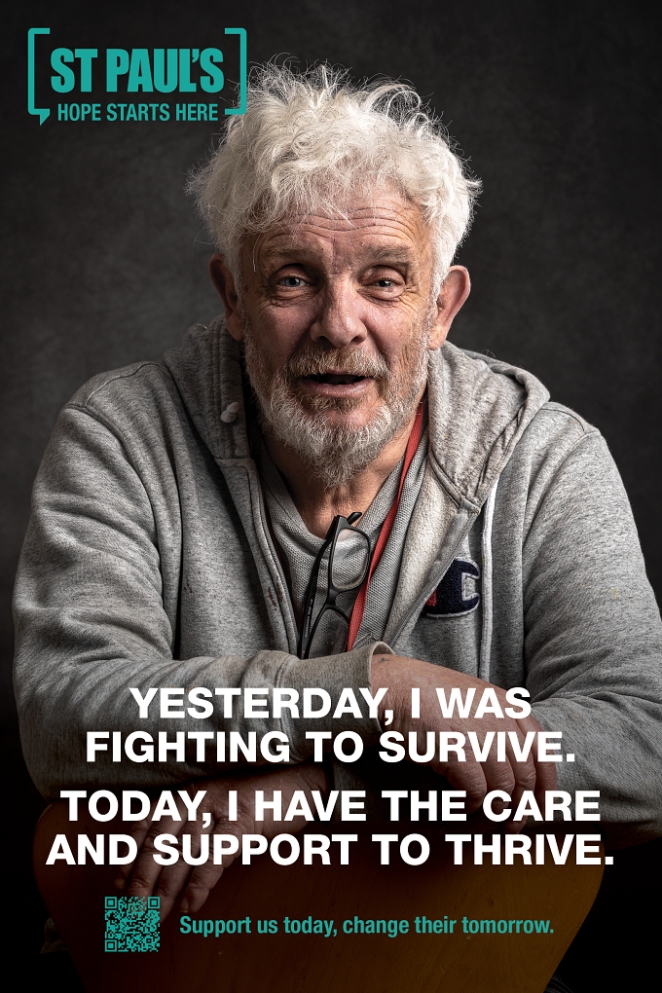 My favourite piece of work is one of my early ones, a print campaign for London Zoo, which featured animals on the London Underground map because it's different to anything other zoos were doing. This is one of the first iconic campaigns I created and that's why I'm still proud of it.
As someone with experience in the industry, what trends do you foresee shaping the future of creativity?
AI worries me. Not just because it’s taking people’s jobs. Because this trend makes it much easier to create average work at an incredible speed. And when average work becomes cheaper and faster, there’s a danger that some clients start seeing creativity as a production line rather than a thinking process. But the problem with average work is that nobody remembers it. Nobody talks about it. Nobody gets excited about it. On a positive note, it will force great creatives to become even more valuable. When everyone has access to the same tools, the advantage isn’t be the tool, it’s the thinking behind it.
I also think the next big creative trend that will shape the industry hasn't been invented yet. And our job isn't to follow trends. It's to notice what's changing and create what comes next. Otherwise we're just a group of people walking in the same direction, like well-dressed lemmings.
What do you think sets apart truly exceptional creatives from the rest of the pack?
Curiosity and passion. The best creatives are the ones who keep asking questions. They question the brief. They question whether they are solving the right problem. They question the obvious answer. Average creatives just look for the answer. Great creatives reframe the question. And they understand that creativity isn't about being different for the sake of it. It's about creating something that will grab people’s attention and be memorable.
How do you think technology has influenced the creative industries and how have you adapted to these changes?
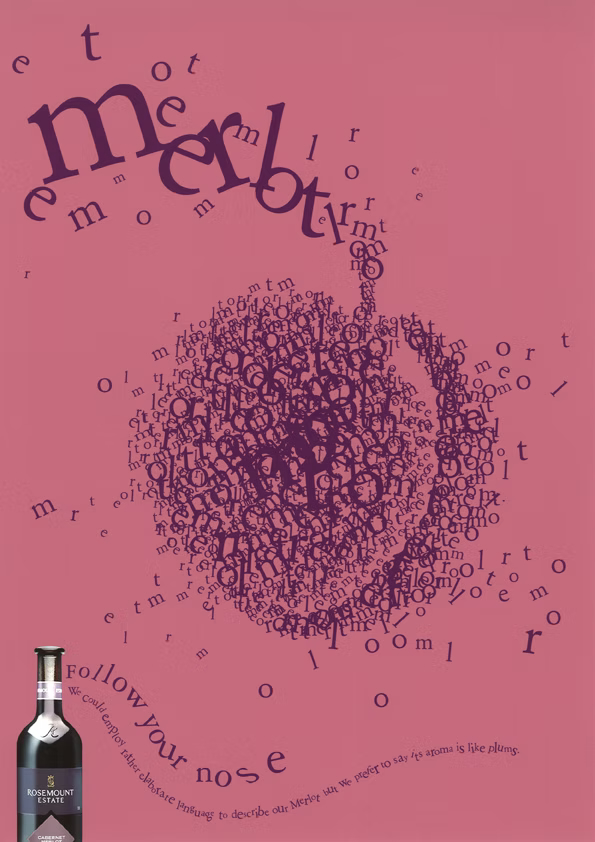 Technology has changed how we create, but it hasn't changed why creativity matters. The tools are faster and sharper. But technology is only useful if there's a good idea behind it.
A bad idea made quicker is still a bad idea. It's just wearing a nicer outfit.
I've adapted by embracing the tools whilst remembering they are just tools. The advantage still comes from understanding people, finding human truths and creating ideas that have real impact.
What is the one thing that you would change about the industry?
Budget. Big money used to be spent on making the best ideas happen. That doesn’t seem to happen as much nowadays. Craft seems to be a dying art unfortunately. And don’t get me started on salaries. They’ve gone backwards. Especially if you take the cost of living into account.
Any websites, books or resources you would recommend?
Lots. Too many to list. Here are a few. Smile in the Mind is still great for visual inspiration. "Predatory Thinking" by Dave Trott teaches you to see problems differently. To contradict my point about budget, "Eating the Big Fish" by Adam Morgan shows that you don't need the biggest budget to make the biggest impact. You need a different point of view. And "The Obstacle Is the Way" by Ryan Holiday because it teaches you to see challenges as opportunities.
I'd also recommend reading, watching and listening to things completely unrelated to the industry. An idea can come from anywhere.