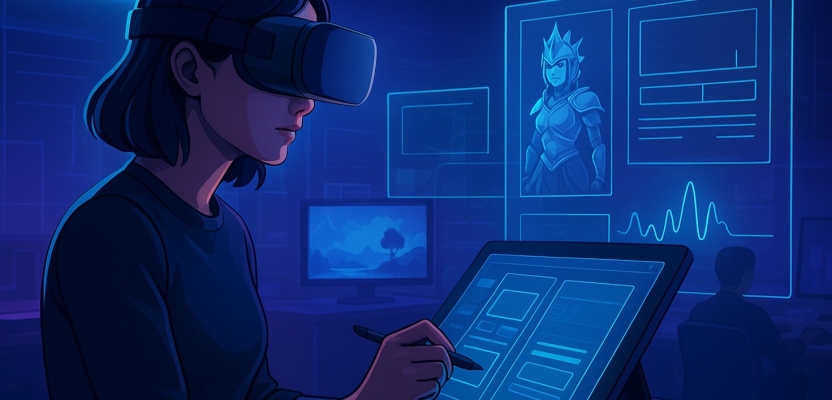

The world of interactive entertainment is a playground for creative minds, where artistry meets innovation to craft experiences that captivate global audiences. From sleek user interfaces to immersive soundscapes, this industry is a magnet for talent eager to leave their mark. For those ready to dive into this vibrant field, iGaming careers offer a gateway to roles that blend creativity with technical skill. This article delves into how interactive entertainment is transforming creative recruitment, spotlighting the roles, skills, and strategies that define success in this dynamic sector.
The Surge of Creative Talent in Interactive Entertainment
Interactive entertainment, spanning digital gaming and immersive platforms, is reshaping the creative job market. Companies are on the hunt for professionals who can design eye-catching visuals, weave engaging stories, or optimize user interactions. Roles like graphic designers, UI/UX specialists, and audio engineers are in high demand as brands strive to deliver seamless, memorable experiences. According to Creative Review, a trusted voice in the creative world, the rise of technologies like AI and real-time graphics has intensified the need for specialized talent, making recruitment both competitive and exciting.
Hiring managers now prioritize candidates who can balance artistic flair with adaptability. Mastery of tools like Photoshop, Maya, or Figma is a must, but so is the ability to pivot with industry trends. The recruitment process often involves sifting through portfolios that showcase not just skill but also a knack for innovation, ensuring candidates can thrive in a fast-paced environment.
Core Roles Fueling the Industry
The interactive entertainment sector offers a spectrum of roles tailored to diverse creative talents. Graphic designers breathe life into characters and environments, creating visuals that pop. UI/UX designers focus on making platforms intuitive, ensuring users stay engaged. Sound designers craft audio that sets the mood, using tools like Pro Tools to build immersive worlds. Meanwhile, narrative designers and copywriters spin stories that keep users hooked, blending creativity with strategic intent.
Recruitment for these roles hinges on tangible evidence of skill. A strong portfolio showcasing varied projects—say, a sleek mobile app interface or a cinematic game trailer—can set candidates apart. Employers also value an understanding of audience needs, often asking candidates to demonstrate how their work aligns with user expectations or market demands. The process is intense, with tight deadlines pushing creatives to deliver their best.
Essential Skills for Creative Success
Success in this field demands a blend of technical and creative prowess. Proficiency in design software is table stakes, but familiarity with emerging tools like VR development kits or motion capture tech is increasingly valuable. Basic coding skills in languages like JavaScript or Python can give candidates an edge, especially for roles involving interactive elements. Beyond technical chops, employers seek soft skills—think collaboration and creative problem-solving—since projects often involve tight-knit teams of developers, marketers, and designers.
Continuous learning is non-negotiable. Creative Review notes that 68% of industry leaders favor candidates with versatile skill sets, as the ability to adapt to new tools or trends is critical. Certifications in platforms like Unity or courses in user-focused design can make a resume stand out, signaling a commitment to growth in a field that never stands still.
Recruitment Tactics for Top Talent
Companies in interactive entertainment are getting creative with recruitment to snag top talent. Niche job boards tailored to creative professionals are a go-to, offering access to candidates with specialized skills. Industry events like GDC provide a chance to meet rising stars face-to-face, while social media platforms like LinkedIn help recruiters tap into passive talent—those not actively job-hunting but open to the right offer. A strong employer brand, showcasing innovative projects and a vibrant workplace, is key to drawing in high-caliber candidates.
Building talent pipelines is another smart move. By fostering relationships with universities, freelance networks, or creative communities, companies ensure a steady stream of skilled professionals. Highlighting opportunities for growth and creative freedom can tip the scales for top talent weighing multiple offers.
Navigating the Job Hunt as a Creative
For creatives, landing a role in this industry takes more than a polished CV. A portfolio that tells a story—showcasing diverse projects and problem-solving skills—is critical. Tailoring applications to specific roles, like highlighting animation work for a motion graphics job, shows focus. Networking, whether at industry meetups or online forums, often opens doors to unadvertised opportunities.
Interviews may include practical tests, like designing a mock interface or tweaking a sound clip. Researching a company’s projects and aligning your work with their style can make a big impact. Resources like Creative Review keep candidates in the loop on trends, helping them stand out in a crowded field.
What’s Next for Creative Recruitment
The future of recruitment in interactive entertainment is bright but demanding. As AI tools and immersive tech like AR evolve, new roles—think AI content specialists or spatial designers—will emerge. Companies will lean harder on diversity, seeking varied perspectives to fuel innovation. Recruitment will shift toward candidates who can merge creativity with tech-savvy know-how.
For creatives, staying competitive means embracing lifelong learning. Workshops, industry blogs, and hands-on experimentation with new tools will keep skills sharp. Interactive entertainment offers a thrilling career path for those ready to innovate and shape the future of digital experiences.