
Creativity rarely exists in isolation and for Francisco Hernández, it is shaped by movement, curiosity, and constant exploration across disciplines. An Art Director and Creative Director working across branding, visual identity, packaging, and UI, Francisco’s journey began in the fast-paced environment of a newspaper design department, where editorial structure met expressive visual communication. Since then, his career has evolved into a multi-layered practice informed by cultural immersion, rigorous research, and a deep respect for typography, color, and concept.
Now based in Medellín, Colombia, Francisco collaborates with clients across industries from food and personal care to tourism and hospitality, building thoughtful visual systems that balance clarity with emotion. Influenced as much by music, dance, neuroscience, and lived cultural experience as by traditional design references, his work reflects a belief that strong creativity comes from connecting disciplines rather than chasing trends. In this interview, Francisco shares insights into his creative process, the importance of hybrid thinking without dilution of craft, and why meaningful design is ultimately about depth, intention, and human connection.
How did you first get into the industry?
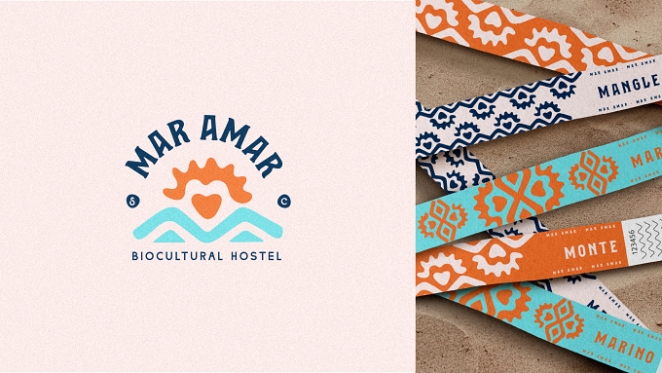 I started working at a newspaper in the design department. My role involved creating key visuals for events and special editions, as well as developing graphic materials for numerous advertising specials. At times, I also moved into editorial design, working on the layout and design of magazines.
Where are you based now and who do you work for?
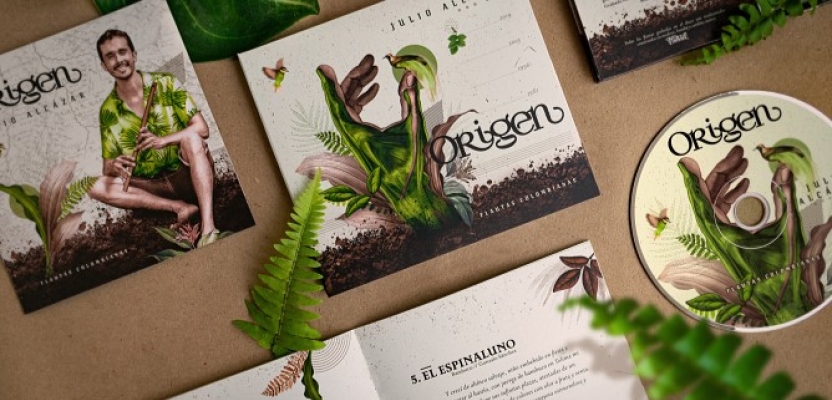
I’m currently based in Medellín, Colombia, and I work with a wide range of industries from food and personal care to restaurants and tourism agencies, developing packaging, branding, UI design, creative consulting, and digital collage for specific events.
What is your personal background and what role did it play in your career?
In addition to design, I have studied music, dance, and neuroscience. I’m deeply curious by nature, and this allows me to approach each design process from a different perspective. I’ve also lived on three different continents, and learning from each culture has added many new ways of seeing and understanding design.
If you weren’t in your current industry, what would you be doing?
I would probably be working in music or dance. Photography would also be a strong option.
Can you explain your creative process? What makes it unique?
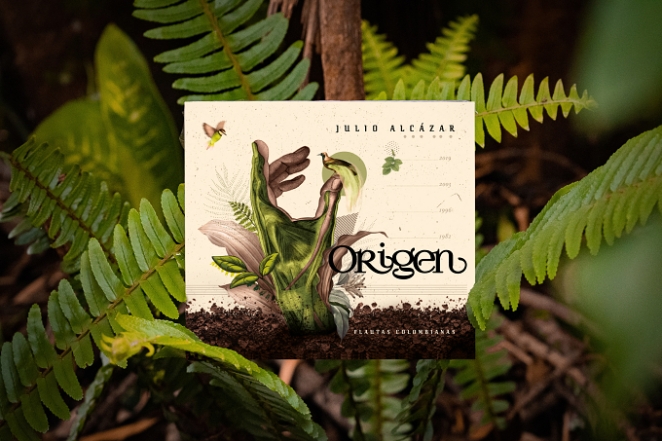 My process follows clear and structured stages: briefing, interviews to extract as much information as possible directly from the sources, research, and, whenever possible, exploring the environments where the project will be experienced. I then build a mental map of all the gathered information and resources, develop preliminary ideas, refine them, conceptualize, and define the final direction. Throughout the process, I place strong emphasis on color management and, above all, on being extremely careful with typography.
How would you describe your style?
I would describe my style as concept-driven, expressive, and deeply attentive to detail. It balances clarity with emotion, combining strong typographic decisions, thoughtful use of color, and a collage-like approach when the concept calls for it. My work is influenced by cultural references, music, and visual storytelling, always aiming to create systems that feel intentional, human, and memorable rather than purely decorative.
Which individuals do you gain inspiration from? Do you have any heroes in the industry?
I believe inspiration comes from being exposed to everything around us. Any element or individual can provide the spark needed for a project. It’s not always the so-called design or creativity “gurus” who inspire us they’re important, but there’s much more beyond them. Observing our environment is essential.
What tips would you give to aspiring creatives looking for work?
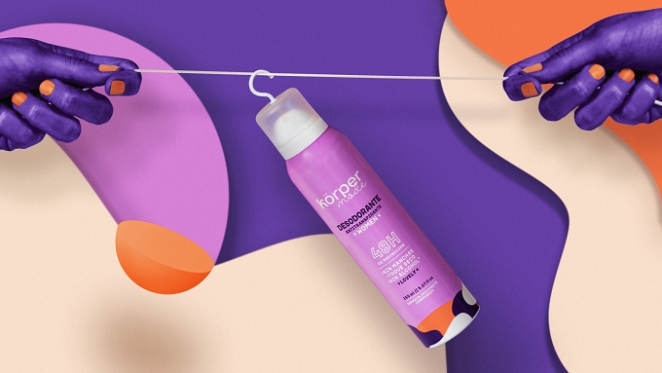 Build a strong, well-curated portfolio - fewer projects, higher quality. Focus on visual details that truly make a difference or create strong impact. Go beyond sitting in front of a computer: return to analog sources like books, museums, and magazines. Constantly being in front of a screen can make design feel generic and repetitive, which is dangerous. Another key point is not to focus only on salary. Look for places where you can work alongside senior designers or professionals - practical experience with them teaches far more than university ever could.
What tips would you give to other professionals to get more clients?
Maintain a strong presence on global creative platforms and consistently share projects, case studies, and insights from your process. Today, this is how you reach potential clients anywhere in the world who are looking for exactly what you offer. It’s also crucial to apply strong art direction when publishing your work often this is what influences brand managers’ decisions and turns visibility into future projects.
Can you share a memorable experience from your career journey that shaped your approach to creativity?
Beyond individual projects, I’m most proud of building long-term relationships with clients and helping brands grow through consistent, thoughtful visual systems over time.
What kind of tools/kit/software could you not do without?
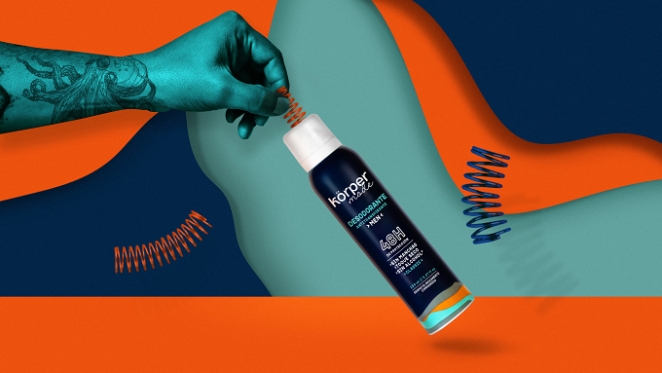 My MacBook Pro, Nikon camera, Wacom tablet, headphones, magazines, Adobe Creative Suite, Figma, Notion, and Keynote — and above all, music and books as constant companions in my creative process.
What’s your secret to staying inspired and motivated?
Whenever possible, I try to work on projects with completely different themes. This pushes the research phase into discovering incredibly interesting things. Alongside that, I make a point of exploring new tools at least one new tool per project.
What’s the work achievement you’re most proud of?
Seeing clients’ faces when a project is presented and recognizing happiness - or even tears - in their expressions. Witnessing their dreams or ideas translated into visual languages they never imagined is incredibly rewarding.
As someone with experience in the industry, what trends do you foresee shaping the future of creativity?
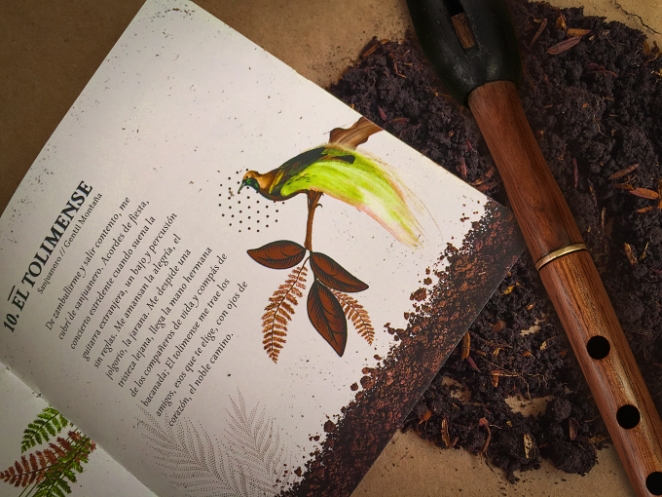 Trends are complex. On one hand, they tend to homogenize visuals and change very quickly. I see the future more as a fusion of different movements, cultures, and artistic expressions throughout history. Everything is reusable, remixable, and capable of being combined this is where the real creative secret lies.
What do you think sets apart truly exceptional creatives from the rest of the pack?
The pursuit of hybrid creative profiles requires professionals expected to cover everything from branding and motion graphics to editorial writing and marketing expertise, all for the salary of a junior designer.
Exceptional creatives are not defined by how much they can do, but by their ability to think critically, connect disciplines, and make meaningful decisions.
How do you think technology has influenced the creative industries and how have you adapted to these changes?
Technology has had a strong influence, enabling much faster processes and providing audiovisual resources that can serve as starting points to combine with other media and create things that didn’t exist before. If we remain curious enough, this evolution has no limits; we can continue fusing software, techniques, and human thinking.
What is the one thing that you would change about the industry?
 The time dedicated to projects and the depth of their development.
Any websites, books or resources you would recommend?
Books:
Do Pause: You Are Not a To-Do List — Robert Poynton
The Creative Act — Rick Rubin
Creative Acts for Curious People — Sarah Stein Greenberg