
Sound and motion are fundamental tools that shape the digital slot game experience. Designers increasingly use multisensory cues to influence perception, mood, and engagement. By creatively integrating audio and animation, virtual slot games demonstrate how digital products can offer compelling, interactive user experiences.
Modern casino game interfaces offer more than basic functionality, with sound and animation serving as central components of the user journey. When you explore different types of slots online, you notice how feedback, transitions, and sonic atmospheres set the tone and contribute to engaging interaction. Virtual slot games provide insight into creative approaches within multisensory user experience design. Understanding how sensory elements are used highlights their significance in contemporary digital products.
Why interactive sound design matters in slots
Audio feedback in interactive environments extends beyond celebration sounds or jingles. In digital slot games, sound can indicate achievements, confirm user input, build anticipation during spins, and signal errors or required attention, providing clarity and contextual awareness within the experience.
To ensure clarity, designers use layering and careful mixing, considering how music and sound effects combine across various devices. A tune effective on desktop speakers may require adjustments for mobile, so teams often modify compression, frequency balance, and dynamics for consistency.
Supporting engagement without causing auditory fatigue requires strategic variation in soundscapes and pacing. Designers can intersperse silence, use distinct motifs, and avoid repetitive loops, enabling the audio profile to remain responsive to user actions and comfortable for longer sessions.
Users increasingly expect to customise sound settings. Volume sliders and toggles for effects are standard, promoting accessibility and aligning with established inclusive design practices.
Microanimations as a universal interface language
Animation guides users through slot game experiences by indicating state changes, available actions, and interface instructions. Button presses, hover effects, and reel spins employ microinteractions to facilitate navigation and learning without lengthy onboarding.
The timing, easing, and perceived “weight” of these animations are purposeful. They can convey emotion and urgency, such as a softly bouncing symbol drawing attention, or a quick transition creating a sense of immediacy, without encouraging prolonged play.
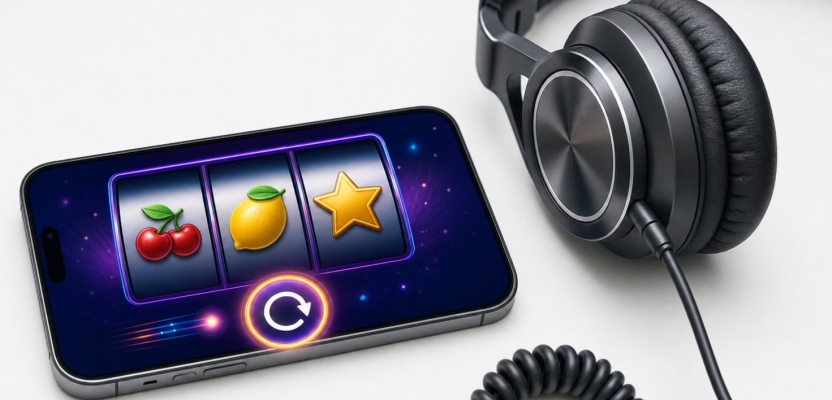
For creative teams, the goal is to guide attention with animated effects that support usability. Subtle cues, like a soft glow around active icons, focus user attention appropriately while maintaining visual balance in the interface.
When exploring different types of slots online, you encounter a wide variety of animation styles. Designers adapt visual effects to suit game themes while keeping accessibility and ease of use as priorities across devices.
Building a cohesive audio visual design system
Designing virtual slot games requires a clear audio-visual language at every point of interaction. Icons, animation sequences, and signature sound cues establish a unified identity that supports ease of recognition and enhances the perceived quality of the experience.
Rather than overloading the interface, experienced designers use restraint. Clean transitions, recurring motifs, and a limited palette encourage a polished perception and help avoid a cluttered experience that could lead to user fatigue.
Consistency across menus, gameplay screens, and feedback moments makes digital experiences easier to navigate. When audio-visual elements follow predictable patterns, users can quickly learn and enjoy the interface, supporting better interaction within the broader digital environment.
This considered approach can elevate slot game design to a carefully constructed digital product. It ensures that creative goals are met in tandem with user expectations at key moments of interaction.
Ethical sensory design and psychological considerations
As audio and animation become increasingly effective at capturing user attention, the distinction between positive engagement and manipulative design requires careful consideration. Designers should focus on providing useful feedback, avoiding sensory effects that influence behaviour in ways that reduce transparency or user control.
Transparency gives users the ability to adjust their sensory environment. Features such as adjustable volume, options for reduced motion, and sensory intensity controls reflect accessibility and ethical design commitments.
Supporting comfort for all users, including those sensitive to frequent animations or loud audio, informs updates to design guidelines. Some slot games include feedback loops that contribute to user-friendly interaction, promoting an accessible and responsible experience.
Prioritising user autonomy helps build trust and can establish a standard for ethical multisensory UX. It encourages inclusive creative practices across digital platforms, balancing engaging design with responsible user experience considerations.
Effective workflows and practical asset production
Collaboration between UI designers, animators, sound artists, and developers is critical for delivering cohesive digital experiences. Efficient teamwork involves using shared libraries, maintaining clear documentation, and conducting iterative reviews throughout production.
Prototyping sound and animation in flexible digital tools allows for creative adjustments before final implementation. This streamlines experimentation and supports sound decision-making during development.
On the technical side, optimising assets ensures games run efficiently across devices. Compression, file size management, and appropriate use of real-time rendering help balance performance with quality and preserve device resources.
Well-structured production pipelines contribute to digital experiences that are cohesive, polished, and responsive. These qualities are markers of strong creative execution in well-designed digital game interfaces.