
The creative industries have developed a slightly perverse relationship with job titles. We use them constantly, treat them as shorthand for entire careers and then quietly admit that nobody can agree on what half of them mean.
Ask three agencies what an art director does and you may receive four answers. One will describe a senior designer who controls the visual quality of a campaign. Another will mean one half of an advertising team, paired with a copywriter. A third will introduce somebody who appears to be doing the work of a creative director, designer, photographer, therapist and emergency PowerPoint technician.
This is manageable when everybody already knows everybody else. It becomes expensive when you are commissioning a project and need to work out who should actually be in the room.
Hire a graphic designer when you needed a brand strategist and you may receive beautiful answers to a question nobody properly defined. Hire a creative director for a tightly contained production task and you may be paying senior leadership rates for someone to resize a set of social assets. Ask a web designer to build a complicated digital service without a developer, researcher or content specialist and the project can become an extremely attractive prototype of something that does not work.
The problem is not that any of these people lack talent. It is that creative roles describe different combinations of thinking, making, directing and delivering. Choosing well begins with understanding which of those things your project actually requires.
Lists of design agency roles can make the industry look beautifully organised, but the same title often expands or contracts according to the size of the team. The useful question is not whether a label sounds correct. It is whether the responsibilities underneath it match the work.
So, this is a guide to the creative job titles you are most likely to encounter, what they generally mean, where the boundaries blur and how to assemble the right person or team without turning the brief into an organisational chart.
What Kind of Creative Does Your Project Need?

Deorwine Infotech
Start with the problem, not the title.
That sounds obvious, but many hiring conversations begin with a solution somebody has already named. “We need a designer” may really mean the brand feels inconsistent. “We need a copywriter” may mean the company has not decided what it wants to say. “We need a creative director” may mean six stakeholders have six competing opinions and would like a seventh person to absorb the consequences.
Before searching for anyone, separate four kinds of need.
Do you need definition? This means clarifying the audience, proposition, position, message or experience before work begins. Strategists, researchers, service designers and senior creative leads tend to operate here.
Do you need ideas? This is the conceptual leap: the campaign platform, narrative, visual territory, product concept or organising thought that gives the work a reason to exist. Creative directors, art directors, copywriters, brand designers and conceptual teams commonly work here.
Do you need execution? This is the craft required to turn an agreed idea into something people can see, read, hear, use or watch. Designers, writers, illustrators, photographers, animators, developers, editors and production specialists take the work from proposition to reality.
Or do you need coordination? Complex creative work involves budgets, schedules, contributors, approvals, suppliers, rights, technical requirements and an alarming number of files called FINAL. Producers, project managers, account leads and production managers keep that system moving.
Many projects need all four. They do not necessarily need four different people, but somebody must own each responsibility. If nobody does, the missing role does not vanish. It simply becomes an unofficial second job for the nearest available person.
This is the first rule of creative hiring: do not ask whether a candidate can make the deliverable until you know who is defining it, who is deciding what good looks like and who is getting it over the line.
Creative Job Titles Explained: Who Does What?
Job titles are useful labels, not legally binding descriptions. Agency size, sector, geography and seniority can change a role considerably. As Creativepool has argued before, we should probably stop treating titles as perfect descriptions of professional identity.
These creative roles are also more connected than the neat headings suggest. The definitions below explain where each one usually leads, not where collaboration must stop.
Still, labels are where most searches begin. The following definitions describe the centre of gravity of each role, even if individual creatives occupy a wider orbit.
Creative Director
Marguerite Rubens
A creative director owns the overall creative vision. They turn a business or brand challenge into a creative direction, judge ideas, align disciplines, give feedback, protect quality and help the team make difficult choices when the brief, budget and deadline begin disagreeing with one another.
On a large account, they may guide several teams and do relatively little hands-on execution. In a smaller studio or freelance setting, they may develop concepts, write, design, present and direct production themselves. Their value is not simply senior taste. It is the ability to see the whole project, identify what matters and keep the work coherent while dozens of decisions are being made.
Hire a creative director when the project needs an overarching idea, several disciplines must work as one, senior stakeholders need a credible creative lead or the team can produce work but lacks somebody to set and defend the standard. If the direction is already approved and you mainly need assets made, the role may be more senior than the task requires.
Design Director
Cosmo Jameson
A design director leads the design expression of a brand, product or communication system. They are usually more firmly rooted in design craft than a broadly defined creative director, with responsibility for visual principles, systems, typography, layout, identity application and the quality of design across multiple touchpoints.
The title is common in brand, digital and design agencies. Some design directors still design extensively; others guide teams, review work and manage senior client relationships. Creativepool's advice when choosing a design director is sensible: judge the portfolio against the sector, format and ambition of your brief rather than relying on the seniority of the title.
Hire one when you need a visual system built or evolved across a substantial body of work, especially when several designers or partner agencies will apply it.
Art Director
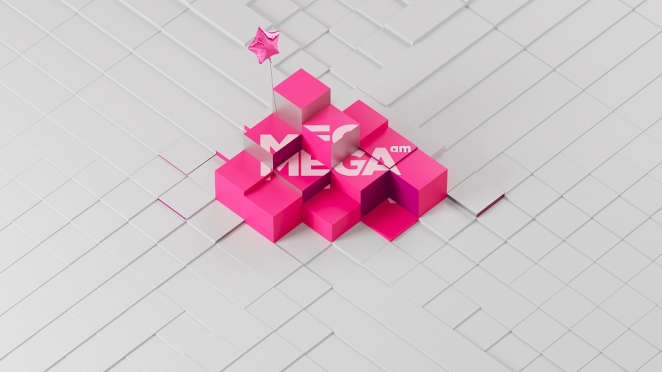
Hasmik Mkhchyan
An art director owns the visual idea and directs its execution. In advertising, they often form a conceptual partnership with a copywriter, developing campaign ideas together before deciding how those ideas should look. In publishing, fashion, photography, film or brand content, they may shape imagery, casting, styling, composition, typography and the relationship between every visual element.
They do not merely make things attractive. They decide what visual choices mean and ensure the work remains conceptually consistent as it moves across formats. A strong art director can guide designers, illustrators, photographers, directors and retouchers without trying to perform every role personally.
Creativepool's art director guide puts the distinction neatly: a designer executes, an art director owns the visual concept and directs execution, while a creative director carries the wider creative vision. The boundaries move, but the escalation of responsibility is useful.
Brand Strategist and Creative Strategist
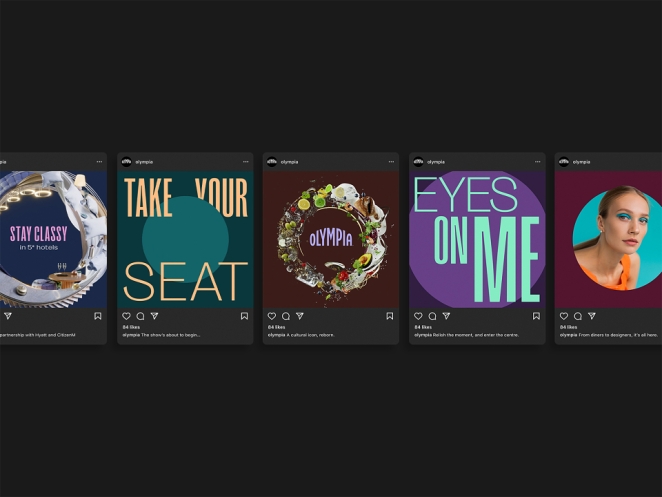
Ben Field
A brand strategist helps decide what a brand should stand for, who it needs to matter to and how it can occupy a distinctive position. They work with research, market context, audience insight, competitive analysis, architecture, proposition and positioning. Their output may include a strategic platform, audience framing, brand idea, messaging principles or a brief that gives the creative team a useful problem to solve.
A creative strategist usually sits closer to campaigns, content, platforms and culture. They connect audience behaviour and business goals to creative opportunity, helping explain why a particular idea, channel or narrative is likely to work.
Neither role should be hired simply to make a deck sound intelligent after the decisions have already been made. Bring strategy in early when the project contains unresolved questions about audience, purpose, differentiation or behaviour. If you already know exactly what the brand means and need a brochure designed by Friday, strategy is probably not the missing ingredient.
Copywriter, Content Writer and Content Designer
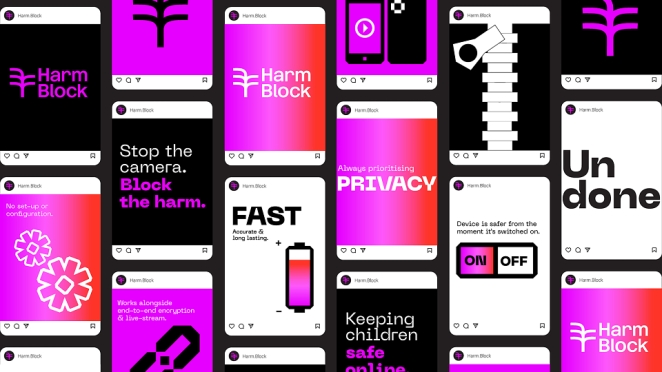
Helen Hartley
A copywriter creates the words that persuade, define and give a brand its voice: campaign lines, scripts, websites, naming, messaging, emails, product copy and tone-of-voice systems. Advertising copywriters often develop ideas with art directors, while brand copywriters may work closely with strategists and designers. The National Careers Service description of advertising copywriting reflects this conceptual side of the job, including developing campaign ideas and presenting them with the creative team.
A content writer usually focuses on longer informational material such as articles, guides, reports and editorial content. There is plenty of crossover, but “write a launch line” and “write a 2,000-word expert guide” are not the same commission. Check the work rather than assuming every professional writer enjoys both.
A content designer works out what information a user needs, where it belongs and how it should be structured so they can understand or complete something. In digital services, this can involve journeys, evidence, accessibility, testing and continuous improvement rather than simply polishing sentences. The GOV.UK service-team guidance describes content designers as contributors to service design who plan, write, review and advocate for user needs.
If the words must sell or shape a brand, hire a copywriter. If they must inform at length, look for relevant content-writing expertise. If they sit inside a task, transaction or service, consider a content designer.
Graphic Designer and Brand Designer
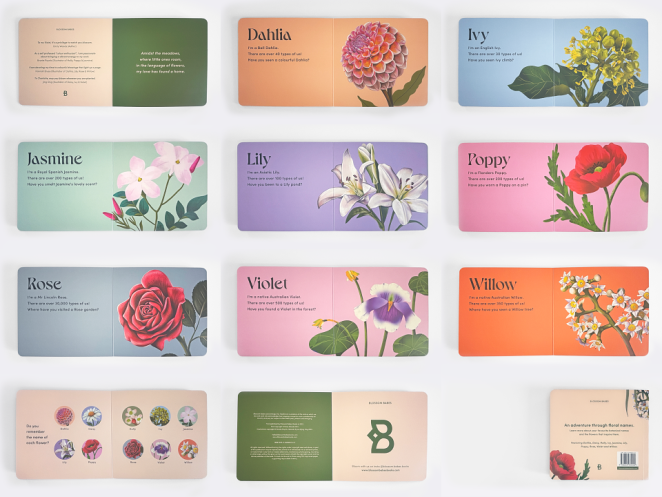
Emily Woods
Graphic designers communicate through typography, image, colour, composition and layout across printed and digital materials. The role can cover identity applications, editorial design, campaigns, presentations, reports, packaging, social content and many other formats. The National Careers Service graphic designer profile is broad for a reason: graphic design is a large discipline with many possible niches.
A brand designer specialises in visual identity. They may create logos, colour and type systems, graphic devices, image principles, guidelines and the applications that make an identity feel real. Senior brand designers often contribute to concept and strategy; others focus on developing and applying an established route.
Hire for the kind of thinking and craft the project requires. A designer with exquisite editorial work is not automatically the right packaging specialist. A portfolio dominated by polished identity concepts may not prove that someone enjoys producing 80 carefully controlled campaign adaptations. “Designer” opens the door; the work tells you which room you have entered.
Illustrator
Khoo Siew May
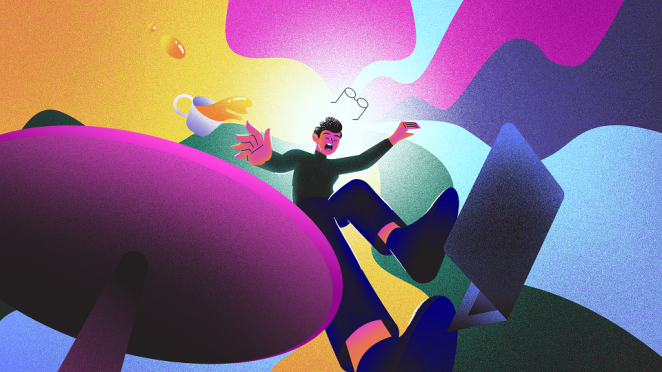
An illustrator creates original imagery with a particular visual voice. They may work in editorial, publishing, advertising, packaging, character design, murals, fashion, animation or information design. Unlike a general design commission, illustration is often style-led. You are not only hiring the ability to make an image; you are hiring the way this person sees and translates an idea.
That makes portfolio fit especially important. Creativepool's guidance on hiring illustrators recommends choosing the style first, then confirming the practical details: usage, licensing, format, delivery and turnaround. Do not hire an illustrator whose work looks nothing like the desired result and then spend the project trying to art-direct their distinctive qualities out of them.
Hire an illustrator when bespoke imagery will create more character, ownership or conceptual freedom than stock photography or generic graphics. Bring in an art director too if the illustration must sit inside a larger campaign system and no one else is controlling that relationship.
Photographer
The Artist as Photographer
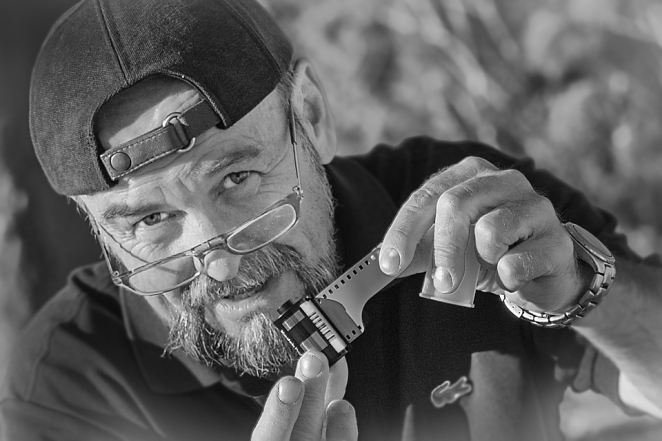
A photographer is responsible for creating still images, but the specialism matters enormously. Portrait, product, food, fashion, architecture, documentary, events and advertising photography require different instincts, equipment, crews and production experience.
Some photographers can develop a visual approach and run a shoot from a relatively open brief. Others work best within a direction created by an art director. Commercial photography may also involve producers, stylists, assistants, set builders, retouchers and usage negotiations. The apparent simplicity of “we need six pictures” can conceal a small travelling circus.
Hire according to subject and context, not merely technical polish. Review complete projects on photographers' portfolios, looking for consistency across a series, control of light and people, relevance to your intended channel and evidence that the photographer can deliver under comparable conditions.
Animator and Motion Designer

Anas Shrouf
Animators create movement through 2D, 3D, stop motion, character animation or other techniques. Motion designers typically animate graphic elements such as typography, identity systems, interfaces, diagrams and campaign assets. The terms overlap, but a brilliant character animator is not necessarily the person to build a modular motion language for a bank, just as a motion-branding specialist may not be the right choice for an expressive animated short.
Hire an animator when performance, narrative, characters or complex movement sit at the centre of the work. Hire a motion designer when the brief involves graphic communication in time: title sequences, brand motion, explainers, UI transitions, social assets or animated information.
The reel reveals energy and finish, but investigate what the person actually did. Animation projects are highly collaborative. A beautiful sequence may involve separate direction, design, modelling, rigging, animation, lighting, compositing and sound. Credits are not a bureaucratic detail; they are how you identify the capability you are buying.
Creative Producer and Project Manager
Janos Kish
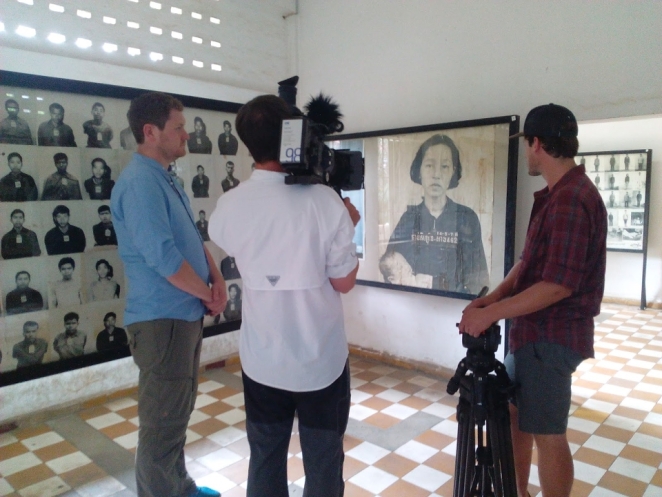
A creative producer turns ambition into a viable production. Depending on the field, they may shape the approach, build the team, source suppliers, manage the budget, schedule work, negotiate constraints, clear rights and ensure the creative intent survives contact with reality.
A project manager concentrates on process: scope, milestones, resources, risks, approvals and communication. In agencies, a producer may be highly involved in creative and production decisions while a project manager keeps the wider workflow controlled. In smaller teams one person may perform both roles.
Do not treat these as administrative extras on complex work. A senior creative who spends half the week chasing locations, approving estimates and reconciling feedback is not receiving more creative control. They are doing two jobs, and usually doing the second one at the most expensive possible rate.
UX, UI and Interaction Designer

Lindsay Palmer
UX designer is an umbrella title for people who design how a user experiences a digital product or service. The role may include journeys, information architecture, wireframes, prototypes, usability and collaboration with research, content and technology. Because the term is so broad, it should always be unpacked during hiring.
A UI designer focuses more closely on the interface: visual hierarchy, components, responsive screens, design systems and the detailed behaviour of what users see and touch. An interaction designer concentrates on how the service responds as people move through it, using evidence and prototypes to make actions clear and accessible. Government's digital guidance defines interaction design as making a service as simple as possible through user journeys and interaction patterns.
For a small marketing website, one strong digital designer may cover UX and UI. For a complex product, separating research, interaction, interface and content work reduces the risk of mistaking a polished screen for a usable experience.
Product Designer, Service Designer and User Researcher

Kalina Gotseva
A product designer typically works across the evolving life of a digital product. They connect user needs, business goals and technical constraints, moving between discovery, flows, prototypes, interface design, testing and iteration. The title can mean an end-to-end digital generalist in one company and an interface specialist in another, so ask where their experience is deepest.
A service designer looks beyond the screen to the complete experience: people, processes, policies, communications, environments and systems. If a customer begins online, calls a team, receives a physical item and later needs support, service design considers the entire chain rather than optimising one isolated interface.
A user researcher plans and conducts research to understand real behaviour, needs and barriers. They recruit participants, choose methods, run sessions, analyse evidence and help teams make decisions grounded in more than internal opinion. This role becomes increasingly valuable when a product is complex, unfamiliar, high-risk or intended for diverse users.
Hire a product designer to shape and improve a product, a service designer when the journey crosses multiple touchpoints, and a researcher when the team needs reliable evidence about the people it is designing for. On serious services, these are complementary creative team roles rather than interchangeable titles.
Web Designer, Developer and Creative Technologist
Domenic Ellis
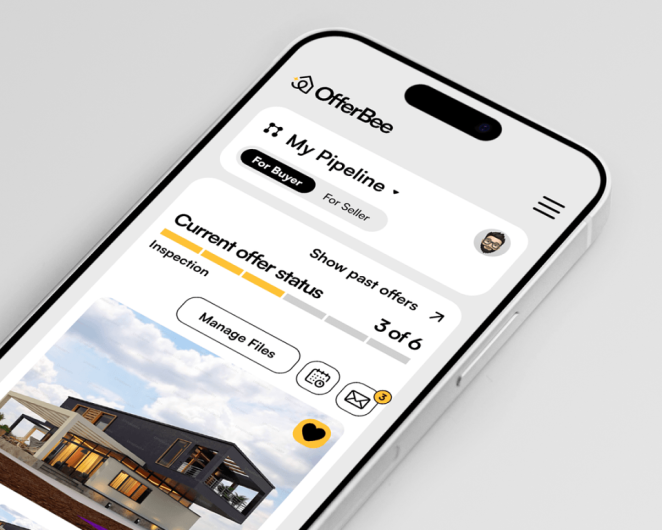
A web designer shapes the structure, look and user experience of a website. Some produce designs and prototypes for developers; others build sites using no-code or low-code platforms. Their portfolio should make clear whether they are designing concepts, delivering functioning sites or both.
A developer writes and maintains the code. Front-end developers build what users interact with; back-end developers handle the systems, databases and logic behind it; full-stack developers work across both. Design and development overlap, but a Figma prototype is not a production website and working code does not automatically produce a coherent experience.
A creative technologist explores what technology can make possible for an idea. They may prototype installations, AI experiences, interactive campaigns, augmented reality, connected products or experimental interfaces, translating between creative teams and technical specialists.
For a straightforward campaign page, a multidisciplinary web designer may handle everything. For accounts, payments, integrations, accessibility requirements or unusual interactions, bring technical expertise into the brief before the visual design is “finished”. Feasibility is more useful as an ingredient than a late-stage objection.
Film Director, Producer, Director of Photography and Editor
Lucía Reig Doñate
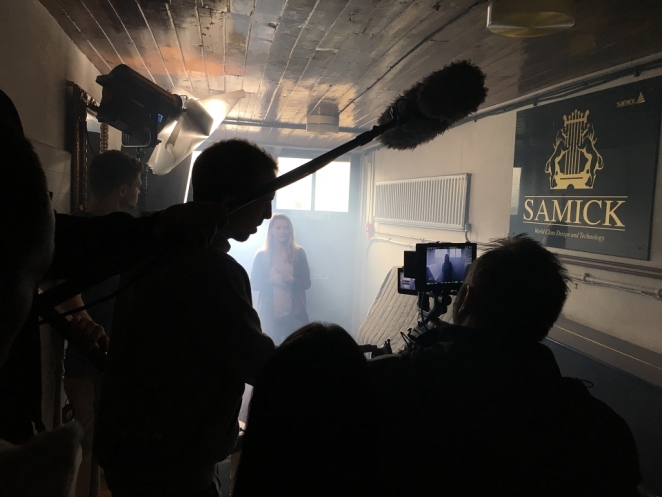
Film titles are especially important because the work is divided across a production structure.
The director holds the creative vision for the film, guiding performance, story, staging and the relationship between departments. The producer makes the production happen, managing the budget, people, logistics and overall delivery. On smaller branded-content shoots, one person may combine these responsibilities, but the workload and risk remain real.
The director of photography, or cinematographer, controls the photographic approach through lighting, lenses, framing and camera movement. ScreenSkills calls the DoP responsible for the “photographic heart” of a production, working closely with the director to create the intended look and leading the camera and lighting response.
The editor constructs the final sequence from the footage, shaping timing, clarity, performance and emotion. As the ScreenSkills editor profile explains, scenes are rarely shot in story order; the editor turns that material into a coherent whole and refines it with the director and producers.
Depending on the brief, you may also need sound recording, sound design, music, colour grading, visual effects, production design, styling, hair and make-up. “Videographer” often describes a smaller-scale all-rounder who can shoot and edit efficiently. That can be exactly right for interviews, events or regular social content. It is not the same production model as a fully crewed brand film, and it should not be judged as one.
What's the Difference Between a Creative Director, Art Director and Designer?

Darlington Ilukhor
This is the distinction that causes the most confusion, partly because experienced people often move between all three.
A designer makes and develops visual solutions. Their responsibility is usually concentrated in the work itself: composition, typography, image, system, detail and application.
An art director owns the visual concept and guides other specialists in expressing it. They decide how the work should look and why, then direct photography, illustration, design, film or other visual execution to keep it coherent.
A creative director owns the wider creative proposition. They may guide both words and images, connect the idea to strategy, lead several teams, manage senior feedback and decide whether the work is answering the brief at all.
Imagine a campaign for a new drinks brand. The creative director helps establish the central platform and judges whether every part of the campaign strengthens it. The art director develops the visual world, including the image style, casting, colour, typography and treatment across channels. The designer creates and refines the identity and layouts, solving how that world works in packaging, outdoor, social and retail.
On a small project, one person may perform all three layers. That is perfectly reasonable if they have the experience, time and appetite. The mistake is not combining roles. It is combining expectations without discussing them.
If you want a designer to originate the campaign idea, establish the visual direction, manage a photographer, create every asset and defend the work to the board, say so. You are not commissioning “some design”. You are asking for creative leadership and execution, and the scope should reflect it.
Which Creative Should You Hire for Different Types of Projects?
Titles become much easier to understand when connected to actual work.
A Brand Identity or Rebrand
Elio Deponti
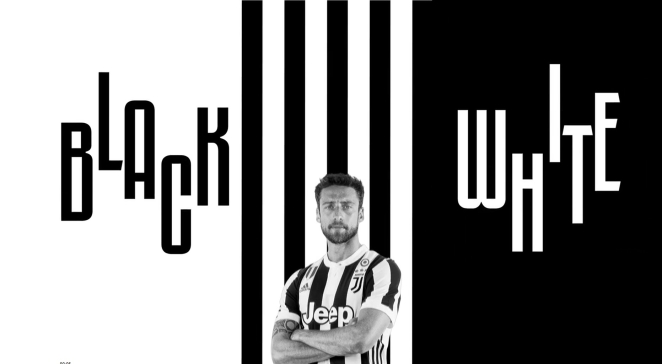
For a small identity refresh with a clear strategy, a senior brand designer may be enough. For a new brand or substantial rebrand, you are more likely to need brand strategy, creative or design direction, brand design and copywriting. Research, naming, photography, illustration, motion and implementation expertise may join depending on the ambition and rollout.
The key question is whether you are changing the appearance or redefining the meaning. If the organisation cannot agree on the audience, proposition or future position, do not expect a logo exploration to resolve the argument by stealth.
An Advertising or Integrated Campaign
Zane Radcliffe
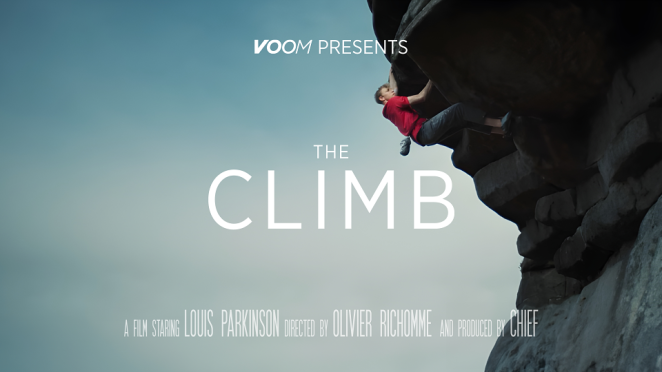
Start with a conceptual team: commonly an art director and copywriter, guided by a creative director. Add strategy if the brief still needs sharpening and a producer once the route begins turning into real deliverables. Designers, directors, photographers, illustrators, animators, editors and media specialists then join according to the chosen idea.
Integrated work needs somebody to protect the concept across channels. Without that ownership, the film becomes one idea, the social posts become another and the outdoor work becomes a large product photograph accompanied by whatever line survived the approval meeting.
A Website
Miguel Simon
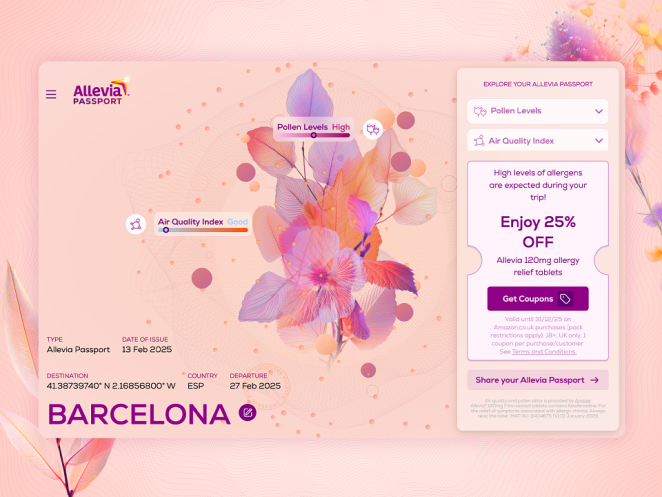
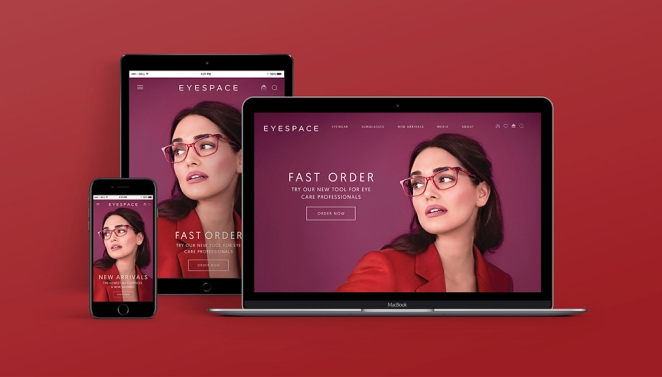
For a simple portfolio or marketing site, a web designer who can structure, design and build in the chosen platform may be the most efficient answer. Add a copywriter if the message matters, an SEO specialist if search is a serious acquisition channel and a developer if the build contains custom functionality.
For a larger site, consider UX or interaction design, content design, user research, UI design, front-end and back-end development, accessibility and technical architecture. A website is both a piece of communication and a functioning system. Hiring only for the visible half is how organisations end up with handsome pages that users cannot navigate and content teams cannot maintain.
A Digital Product or Service
Matt Powell
Begin with product goals and user evidence. A product designer, user researcher and product manager often form the early core, with service design where the journey crosses channels. Content design, interaction design, UI, engineering, data and accessibility expertise join as the product becomes more defined.
The more consequential the service, the less sensible it is to ask one “UX/UI person” to research users, design the system, write every word, create a component library, validate accessibility and remain available for developer questions until the end of time.
A Brand Film or Video Series
Jeremy Hewitt Richens
For a high-value film, you will usually need a producer and director, with a director of photography, production crew and post-production specialists. A scriptwriter or copywriter may develop the narrative; an agency creative director may protect the campaign idea; an editor, sound designer and colourist shape the final work.
For regular interviews, explainers or event content, a videographer or small producer-director team can be more proportionate. The right question is not “How many people normally make a video?” It is “What production risk, craft and repeatability does this particular video require?”
Social Content and an Ongoing Content Programme
Kirill Karnovich-Valua
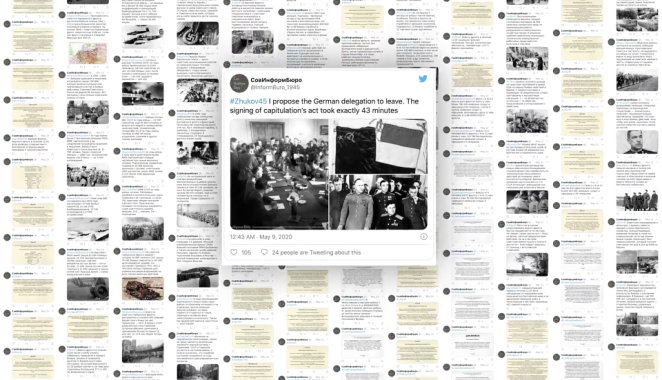
You may need a content strategist or social lead to define the system, a copywriter or content creator to develop material, designers or motion specialists to produce assets and a community or social media manager to publish, respond and learn from performance.
These roles are frequently collapsed into “social person”, a title broad enough to include strategy, filming, editing, design, writing, scheduling, reporting, customer service and the occasional demand to make something go viral before lunch. One multiskilled creator can be excellent for a focused programme. An always-on, multi-platform brand operation is a team-shaped problem.
A Publication, Report or Editorial Project
Emily Collard
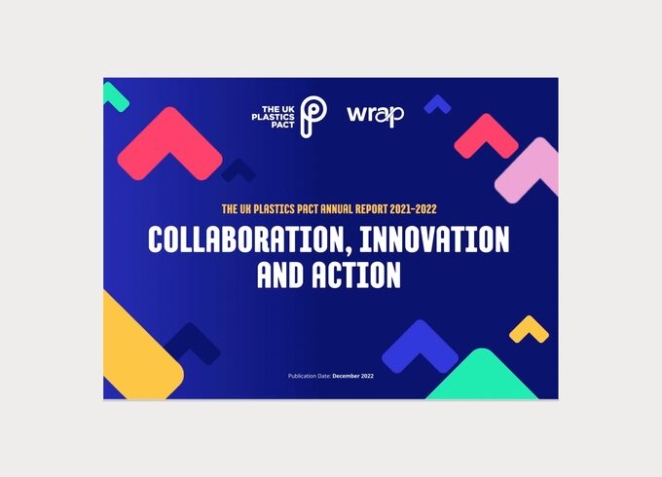
An editor or content lead shapes the argument and structure. Writers create the material. An art director or editorial designer establishes the visual language and hierarchy. Illustrators, photographers, picture researchers and data-visualisation specialists contribute assets, while a production designer or artworker ensures the final files are consistent and technically correct.
If the publication contains important data, complex accessibility needs or multiple versions, include those requirements at the beginning. “Can the designer sort it?” is not a production plan.
Do You Need One Creative or a Team?
Andy Clow
The size of the project influences the answer, but complexity is more important than sheer volume.
A 60-page report may be manageable for one experienced editorial designer if the content, brand system and production requirements are stable. A single landing page can require strategy, research, copy, UX, design, development, analytics and legal input if it introduces a new service in a regulated market.
Ask three questions
- How many distinct disciplines are genuinely involved?
- How many decisions must be made at the same time?
- How costly would it be to discover late that an important perspective was missing?
One creative can handle multiple disciplines when those skills are genuinely present and the workload allows them to switch between modes. Many excellent brand designers can also art-direct, animate or build simple sites. Many copywriters can shape strategy. Many directors can shoot and edit. Hybrid ability is one of the pleasures of modern creative work.
But breadth should not be confused with infinite capacity. Every additional role introduces time, cognitive load and a possible conflict of priority. The person directing the work may struggle to review it objectively while producing every asset. The designer building the website may have limited time for user testing. The producer operating the camera cannot simultaneously monitor every production detail.
If the project is small, sequential and forgiving, a strong generalist can be faster and more coherent than a team. If it is high-profile, technically complex, fast-moving or dependent on specialist judgement, build a team around clear ownership.
For a useful comparison of the operating models, Creativepool's guide to choosing between an agency, freelancer and in-house team looks at budget, speed, complexity, continuity and ambition. Those factors often matter more than a headcount formula.
Should You Hire a Specialist or a Generalist?
Laurence Rea
Hire a generalist when the project benefits from joined-up thinking across a contained scope. Early-stage businesses, smaller campaigns and rapid prototypes often need somebody who can move comfortably between concept and execution without creating a miniature agency structure around every decision.
Hire a specialist when one part of the work carries unusual technical, commercial or reputational weight. Packaging for regulated products, accessibility in public services, complex information design, multilingual naming, character animation, high-end food photography and enterprise product design all reward depth.
A useful test is to ask what failure would look like.
If the main risk is fragmentation, a generalist who can hold the whole may be valuable. If the main risk is getting one difficult thing subtly but importantly wrong, hire the specialist.
Also consider originality. Specialists often bring fluency, references and problem-solving patterns that only emerge through repetition. Generalists often make unexpected connections because they are less confined by one discipline. Neither is inherently more creative. They simply create different kinds of advantage.
The portfolio should settle the question. Ignore the candidate's list of 28 software packages for a moment and find the evidence closest to your brief. Can they show the relevant problem, explain their contribution, reveal the decisions they made and demonstrate a finished standard you would be happy to buy?
What Should You Look for in a Creative's Portfolio Before Hiring Them?
Candy Bamber
Look for relevance before range.
A strong portfolio does not need to contain your exact project for your exact sector, but it should provide credible evidence of the underlying challenge. If you need an identity system across 30 markets, look for systems thinking and controlled variation. If you need a product photographer, look for technically comparable subjects and conditions. If you need a content designer, look for clarity, user logic and evidence of iteration rather than a gallery of attractive screens.
Then look for context.
What was the brief? What did the creative personally own? Who else contributed? What constraint shaped the work? What changed because of their decisions? Creativepool's feature on what makes a digital portfolio stand out makes the same case: reviewers need clear roles, process and impact, not unexplained final images.
Examine consistency across a project, not only the hero image.
Many people can make one extraordinary frame. Fewer can sustain a standard across an identity system, campaign, publication, product journey or series of films.
Finally, discuss the work.
A portfolio proves that something was made. Conversation reveals how the person thinks, receives feedback, handles ambiguity, credits collaborators and understands the relationship between creative choices and the brief.
Do not search for somebody whose portfolio contains no unfamiliar decisions. Search for somebody whose decisions make sense once they explain them.
What Should You Include in a Brief When Bringing a Creative Onto a Project?
Kenneth Shinabery
A creative brief should create useful freedom inside real boundaries.
Explain the business or organisational problem, the audience, the desired change, the relevant brand context and what success would look like. State the deliverables, channels, timings, budget, decision-makers, approval process and non-negotiable constraints. Share existing research and reference material, but distinguish between inspiration and instruction.
Be honest about what has and has not been decided. False certainty is more dangerous than an open question because it encourages the team to build on a foundation that will later move.
Include practical information specific to the discipline. An illustrator needs usage and licensing details. A photographer needs locations, subjects, shot requirements and intended media. A digital team needs technical dependencies, analytics, content ownership and accessibility expectations. A filmmaker needs formats, duration, locations, contributors, rights and delivery versions.
Most importantly, define ownership. Who is providing strategy? Who can approve creative direction? Who consolidates feedback? Who signs off technical delivery? A brief with 14 named stakeholders and no decision-maker is not collaborative. It is a future email chain.
Creativepool's guide to writing a brief without killing the original idea is worth keeping nearby. The brief should clarify the challenge and conditions, not pre-design the answer so thoroughly that the creative becomes an expensive pair of hands.
How Creative Roles Work Together on a Project

Lavinia Panin
The best creative teams are not collections of impressive titles. They are systems of complementary responsibility.
In a large agency, design agency roles and other creative team roles may be split between several specialists. In a small studio, the same responsibilities may be held by two or three multidisciplinary people. The structure matters less than making the ownership visible.
Strategy defines the problem and provides evidence. Creative leadership turns that problem into a direction. Writers and visual creatives develop ideas. Designers and makers translate them into forms people can encounter. Producers and project leads protect the conditions required to deliver. Researchers and analysts test what is understood or effective. Technical specialists make sure the work functions in the world it is entering.
The process is rarely as tidy as that sentence. Good teams overlap. Designers improve the strategy by making it tangible. Producers identify creative opportunities inside constraints. Developers challenge interactions before they become expensive. Writers notice that the proposition makes no sense the moment they try to put it in six words.
That overlap is valuable when ownership remains clear.
At the beginning, agree who leads the overall decision, who owns each discipline and where collaboration is required. During the work, create review moments that match the maturity of the idea. Do not ask a board to comment on kerning while the proposition is unresolved. Do not reopen the strategy because somebody dislikes a photograph. Give feedback at the level of the decision being made.
If you are unsure which roles the project needs, speak to the people you are considering. Experienced creatives are usually good at identifying adjacent expertise because they know where their own responsibility ends. A trustworthy designer will tell you when the brief needs a developer. A good photographer will explain when production support is necessary. A serious creative director will not build a team merely to create the atmosphere of importance.
You can also use Creativepool to browse specialists by role, compare portfolios and search for creative talent, or commission a creative team when the brief requires several disciplines from the start.
The goal is not to hire the most people, the most senior title or the person whose profile contains the greatest density of the word “visionary”.
It is to make every important part of the project somebody's real job.
Once that is clear, the titles become much less mysterious.