
I never went to university and for many years, that’s been something of a bugbear I’ve had to learn to live with. A degree, you see, is worth as much in theory as it is in practice, something I became brutally aware of back in my 20s when every introduction (professional or social) would inevitably lead to the “where did you go to Uni?” question.
My response ranged from the passive (“it wasn’t really for me”) to the truthful (“I couldn’t afford to go without full-time employment at that point in my life”) to somewhere fanciful in-between (“I was off trying to become a rockstar instead”). That third one is only partly true as I did spend my early 20s in a semi-successful band, but the truth is, it was a money thing.
As financially out of reach as university seemed back in the sepia-toned days of the mid-2000s, the situation has only become more difficult, with PrepAway.biz highlighting how affordability challenges continue to grow. From course fees to accommodation, not to mention the boilerplate “cost-of-living-crisis” we’re all currently balls deep in, university in 2025 is inordinately pricey, so much so that many eyeing up a career in the creative industries are probably wondering; is it worth it?

The Case for Uni
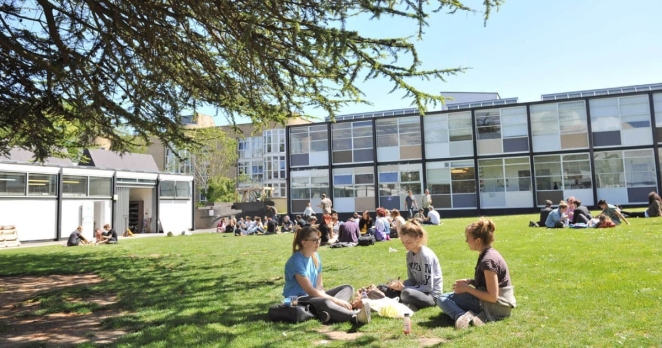
There's no escaping the allure of university if you're after a structured environment to nurture your creative spark. For many, the academic route offers more than just dusty lecture halls—it provides an incubator for ideas, a curated environment where experts share their insights, and a built-in network of peers who could become collaborators or even future clients. Uni can be that safe space where you experiment, fail spectacularly, and ultimately learn that failure is just another step towards mastery.
The courses, workshops, and even the obligatory group projects (love ’em or hate ’em) equip you with a foundational toolkit. You get to rub shoulders with mentors who are often still clinging to the cutting edge of creative thought, and yes, the institution’s name on your CV can sometimes open doors that your portfolio alone might not.
The Case Against Uni
On the flip side, the argument against university is as compelling as a half-formed sketch on a napkin. The creative industries thrive on real-world experience—on daring, on risk, on learning by doing rather than reading endless theory. In an era where content is king and innovation waits for no syllabus, the rigid structures of academia can sometimes feel like a creative straitjacket.
Tuition fees, accommodation costs, and the mounting pressure of a global cost-of-living crisis mean that for many, diving straight into freelance projects, internships, or building a self-taught portfolio is the more financially viable, and often more relevant, option. In creative fields, what matters is what you produce—the tangible work that reflects your voice and vision—not a degree that might not even cover the latest software update or emerging trend.
The Evolving Landscape of the Creative Industries
The creative world is evolving at breakneck speed. Traditional gatekeepers, like university departments, no longer hold exclusive keys to success. Today, creativity is as much about agility and self-direction as it is about theory. Digital platforms have democratized talent, allowing designers, musicians, writers, and filmmakers to build thriving careers from their bedrooms.
This shift isn’t just about technology—it’s a cultural revolution. With a global audience at your fingertips, the ability to experiment, iterate, and share your work in real time is more valuable than ever. The old model of linear progression through academia is giving way to a more fluid, dynamic approach that values results over credentials.
Self-Taught Success: Learning Beyond the Classroom
When you step off the conventional path, you enter a world where learning happens on your own terms. Self-teaching isn’t merely an act of rebellion against the established order—it’s a powerful statement about the nature of creative mastery.
Countless success stories echo the sentiment that hands-on experience, coupled with a relentless passion for your craft, often trumps formal education. The reality is that every project, every misstep, and every late-night experiment becomes part of your personalized curriculum. In the creative industries, your portfolio speaks louder than any degree ever could.
Building Your Personal Brand in a Digital Age
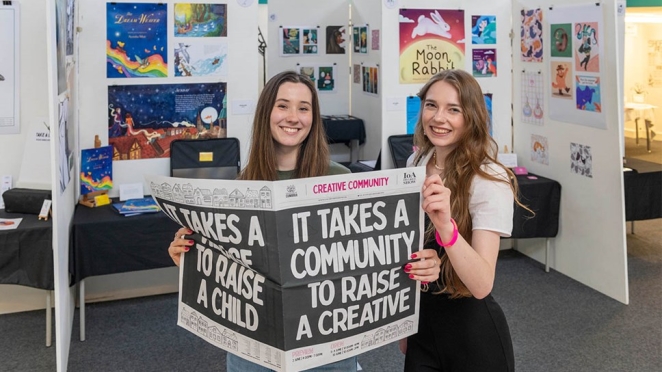
In our interconnected era, personal branding isn’t just an option; it’s a necessity. The creative industries have redefined the concept of reputation. Social media channels, online portfolios, and digital collaborations have become the new networking hubs.
Whether you’re an illustrator with a viral Instagram feed or a musician whose sound finds its way onto streaming platforms, your digital presence can open doors that traditional CVs might leave firmly shut. It’s no longer enough to be good at what you do—you must also be savvy about promoting yourself in a crowded digital marketplace.
Alternative Education Paths: Workshops, Bootcamps, and Creative Communities
For those unwilling—or unable—to shoulder the astronomical costs of a university degree, alternative education options are burgeoning. Intensive workshops, bootcamps, and even community-run learning hubs are emerging as viable substitutes for the traditional classroom.
These alternatives offer a more hands-on, immediately applicable form of learning that mirrors the real-world demands of the creative industries. They also foster networking in an environment where peers and mentors are equally passionate about forging a path outside the norm. This isn't just education; it's immersion in a culture of creative innovation.
The Power of Networking: Learning from the Industry
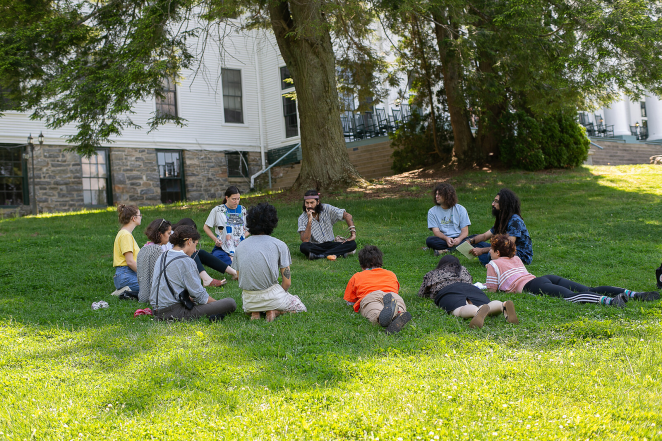
If there’s one constant in the creative world, it’s the undeniable value of relationships. In an industry where reputation and recommendations often matter more than degrees, networking is your lifeline.
Attending industry events, participating in collaborative projects, or even striking up conversations online can lead to unexpected opportunities. And as you move through events, collaborations, and online exchanges, the best digital business card for networking gives you a simple way to capture those chance moments before they pass. The creative community is built on shared experiences and the willingness to support one another, meaning that a well-nurtured network can be just as crucial—if not more so—than any formal education.
Navigating Financial Realities in the Creative Field
No discussion about creative careers would be complete without acknowledging the elephant in the room: money. The cost of a traditional education has skyrocketed, making it a less attractive option for many aspiring creatives. Yet, the financial challenges extend beyond tuition fees. The gig economy can be unpredictable, and the pressure to deliver polished work under tight deadlines is relentless.
Balancing financial stability with creative freedom often means finding innovative ways to fund projects—crowdfunding, freelance work, or even strategic partnerships can bridge the gap. In many ways, this financial tightrope forces creatives to become resourceful, a trait that ultimately becomes one of their greatest assets.
So, Is It Worth It?
The truth is far from black and white. University remains a valuable avenue for those who crave the structure, mentorship, and community it offers. That being said, if you’re the kind of person who thrives on “the hustle,” isn’t afraid to fail, and believes that your craft is refined through experience rather than instruction, you might find that the academic path isn’t the only ticket to success.
There’s no one-size-fits-all answer. University offers structure, credentials, and a curated network, but real-world experience, digital savvy, and a willingness to embrace unconventional learning paths can be just as, if not more, valuable. In the end, the piece of paper on your wall might open a door, but it’s your creativity and grit that will keep it open and let you through.
Header image by Josh Devaughan