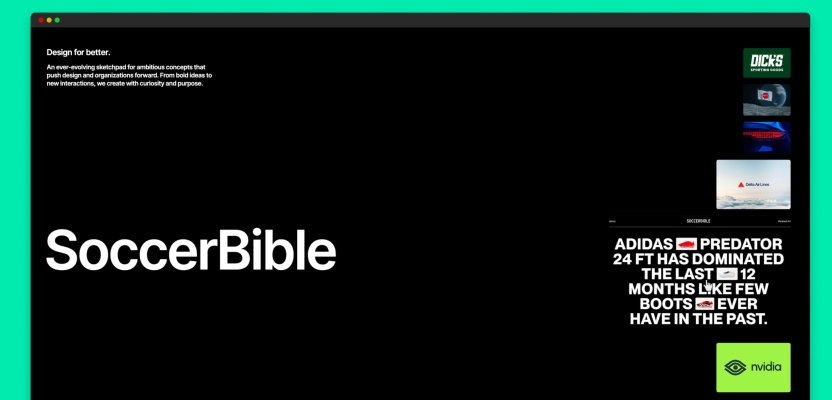

VSA Partners recently launched Design4Better, a new initiative that reimagines creative brand designs not just for clients or pitches, but for the pure joy of design. It’s a creative space (built by designers for designers) where visitors can see what happens when top talent is given the space to design and create with no boundaries.
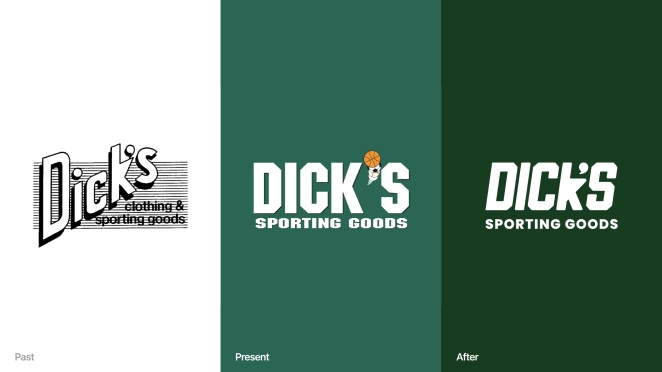
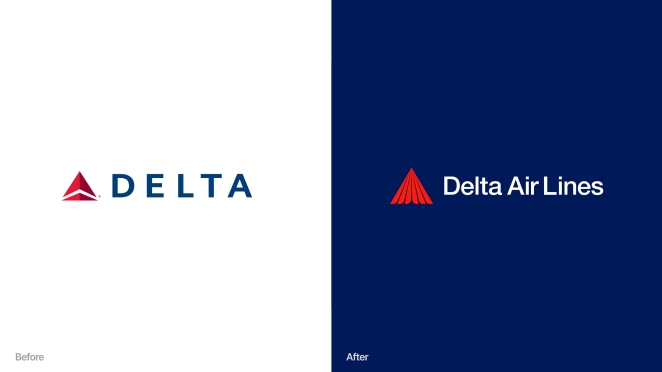
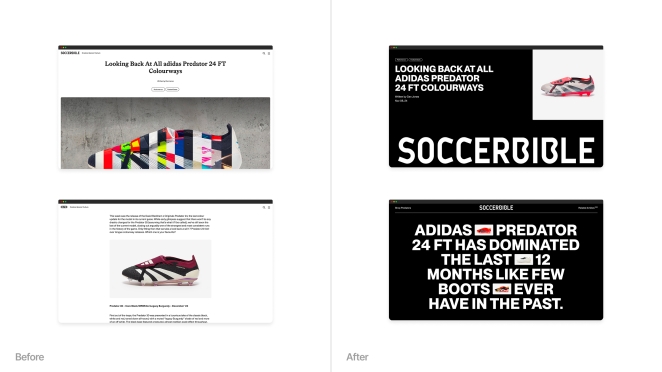
The site features speculative logo redesigns of classic brands and experiences such as Delta Air Lines, SoccerBible and Dick’s Sporting Goods—each one created without a brief. The goal is to continually explore and rethink what branding could be if designers follow their instincts rather than a brief.
“For most creatives, design is a lifestyle,” says Curt Schreiber, Chief Creative Officer at VSA Partners. “We’re constantly thinking of how branding could be clearer, smarter, more intentional. Design4Better just puts that natural instinct on display.”
Design4Better is more than a creative exploration. It’s also a program where designers can develop their chops by thinking through the process of reimagining iconic brands.
“We make it a point to encourage this kind of creative exploration, and we do our best to amplify it,” Schreiber adds. “When designers are given the space to explore, they grow—and so do we.”

Curt Schreiber
To learn more, I sat down with Curt himself to delve a little deeper into the initiative and what makes it so unique.
What inspired VSA Partners to launch Design4Better, and how does this initiative deepen or transform your overarching agency ethos of “designing for a better human experience”?
A member of my design team posted a redesign for Delta Air Lines, and I was struck by the thoughtfulness and elegance of the proposed solution. It also beautifully aligned with our purpose to design for a better human experience. The action promoted such a positive response with the whole office that it started a movement from within. The name Design4Better seems to be a more succinct way to express what’s most important to us.
How do you see Design4Better fitting within VSA’s 40-plus-year legacy of strategic branding and creative innovation?
We have a long history of being passionate about the power of great design. It advances business, it reflects what is happening in society, and it enriches our lives.
Can you walk us through the process your designers follow when approaching a brief-free, speculative redesign—what mindsets or exercises help fuel these unbounded ideas?
We are working on the right amount of process—it’s still pretty simple. Too much process can slow things down. D4B is about following your instincts. A few things to note, though: We encourage everyone to focus on solving a problem, and we give them the freedom to solve it. No oversight. Surprise us!
How do you balance respect for a brand’s heritage (e.g., retaining NASA’s “worm” identity) with the urge to push concepts into bold, uncharted territory?
In most cases, brands have earned equity over time and it’s important to retain things that are valuable or recognizable. If you look closely, the “worm” wordmark is updated and refined with much more balance.
In what ways does Design4Better serve as a professional development tool for VSA designers—what skills or perspectives do participants gain from this explorative practice?
There are many opportunities to learn. We aren’t a traditional agency and are not always provided creative briefs. We often engage ahead of the brief. This means discovering an insight, diagnosing the problem, identifying the opportunity, and determining the audience and what the constraints or goals are. The exercise is personal. They rethink the things that matter to them—and like most designer-thinkers, they are quick to spot what could be improved.
How are contributors to the initiative (like Zach Nichols or Elaine Palutsis) selected or encouraged, and how does their work feed back into client-facing projects?
Contributors haven’t been selected; they self-select. I think these exploratories influence how we approach client work. Sometimes you need to trust your gut; perhaps you just need one great solution versus creating multiple options. Sometimes in business, people hesitate to act alone or go out on a limb, but once you do, you realize you don’t need permission to think differently.
The site allows visitors to submit redesign requests—how do you envision this feedback loop working, and how will community input shape future gallery projects?
We decided to include the request for redesign as a way to open up the conversation. We’re genuinely interested in knowing what others would like to see.
Do you foresee collaborations with external creatives or guest designers to expand the diversity of voices and styles featured on Design4Better?
I’ve already been thinking about opening the invitation. I think it would be super exciting to have other contributors be a part of D4B.
What value does an initiative like Design4Better bring to VSA’s pitch process, client relationships, or internal innovation culture?
For the pitch process, it’s important to follow your gut instinct and be willing to demonstrate your ability to develop an early hypothesis. For existing clients, it means working beyond the assignment and solving for something bigger. And for the culture, it encourages ambitious ideas and independent thinking.
Have you identified any metrics or qualitative indicators (e.g., increased social engagement, talent retention, new business leads) to gauge the success of Design4Better?
It would be great if it creates awareness for VSA and the contributors, and perhaps it will generate leads. It is hard to create a metric for fun.
How do you plan to keep the gallery “ever-evolving” and maintain momentum once the initial wave of speculative work is live?
There is no shortage of things in our world that should be reconsidered, so the pipeline is abundant. If I know the hunger of our talented staff, this could very well be the start of something great.