

Modern technology is changing everything, including design. With the rise of AI tools capable of generating images, editing graphics, videos, music, and even offering creative solutions, the question arises: will AI replace designers?
Without a doubt, AI is impressive! Platforms like MidJourney, DALL·E, and others can generate stunning visuals, animations, and videos in minutes. However, in my view, a tool remains just that – a tool in the hands of a creator.
What does this mean for designers?
Designers who embrace AI and integrate it into their workflows gain massive advantages:
- Speed – Concept development and variations are created in a fraction of the time.
- Creativity – The ability to generate multiple ideas in a short period.
- Process optimisation – Routine tasks become automated, allowing designers to focus on core work.
Those who resist progress and stick to traditional methods risk being left behind.
It's a bit like what happened 20 years ago when some photographers argued that Photoshop was ruining "true" photography – insisting that manual lighting setups, physical backdrops, and handcrafted accessories were the only "real" way.
What was the outcome? Today, no professional photograph is released without some level of editing. Those who refused to adapt to new tools simply faded from the industry.
And now, here’s the crucial point: 20 years ago, Photoshop accelerated photo editing by roughly five times. AI now speeds up design processes hundreds of times over. Ignoring AI in design means being outpaced at lightning speed.
Is AI Really That Easy?
AI is currently a major trend. It has become a buzzword – Instagram influencers are everywhere, creating flashy AI-powered videos, developing strategies, generating their own portraits, and loudly declaring how "simple" it all is.
But why are they doing this? To create the illusion that anyone can master AI – and then sell their digital courses and products.
To clear things up, here’s a breakdown of my personal experience creating a 45-second AI-generated video:
My background:
- 20 years in design
- 15 years in video production
- 15 years in professional photography
- 10 years of musical training
The Process:
-
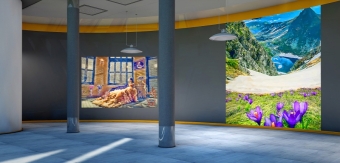
Created visuals in MidJourney. This took about an hour, refining prompts and achieving the desired style and quality. (If you're new to AI, you'll first need to learn how it works – and pay for an account.)
-
Reviewed 500+ generated images, selected the best ones, and sent them for upscaling. Another hour gone.
-
Meanwhile, I developed the script for the video in my head – ideally, this should have been step 1, but experience makes the process more fluid. Without it, everything would have taken much longer.
-
After upscaling, some images needed retouching in Photoshop. Another hour.
-
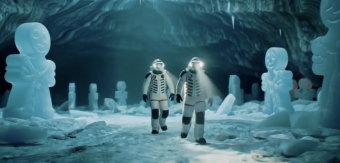
Sent images to Hailuo AI for video generation, refining prompts to match the script. Processing time: 24 hours.
-
Simultaneously, generated music in Mubert, adjusting parameters for the right mood. Another hour.
-
Edited and synced the video to match the rhythm of the music, ensuring smooth transitions and an engaging flow. Added portfolio details and a CTA. One more hour.
Still think it’s “easy”?
The truth is, any process requires experience, aesthetic sense, and strategic thinking.
Sure, AI made things faster – but only because I already have the skills. I simply swapped out the tool. Instead of a horse-drawn carriage, I now drive a Ferrari. The skills are still mine.
Final Thoughts
-
The future is about collaboration: designers + AI. It’s not a competition but an opportunity to enhance creativity and efficiency. AI won’t replace designers who can think critically, adapt, and innovate. But designers who ignore AI may soon be left behind.
-
A key thought: Will clients want to figure out AI themselves? Some – maybe 1% – will. But the vast majority won’t. They’ll prefer to work with designers who are already skilled in AI tools.
At the end of the day, clients have one goal – to get high-quality design quickly and effortlessly, so they can sell their product more effectively ;)
Best,
Iren.


















Karim AlSyaad February 19th, 2025, in the evening
good thought