
In 2025, nearly 70 years after its launch in Switzerland, Eurovision returned to its roots, igniting a moment ripe for sonic reinvention. Responding to the contest’s surging global relevance and a fan-driven explosion across social media, Eurovision debuted its first-ever sonic identity.
Collaborating with MassiveMusic, Eurovision’s sonic evolution is more than just branding—it's an intricate audio signature designed to unite audiences worldwide, transforming fleeting moments of digital buzz into enduring cultural impact.
I sat down with Cece Wyldeck and Béa Day from MassiveMusic to explore how they translated Eurovision’s flamboyant legacy into a fresh, cohesive, and unforgettable audio experience.
What cultural and market factors made 2025 the ideal moment for Eurovision to introduce its first-ever sonic identity?
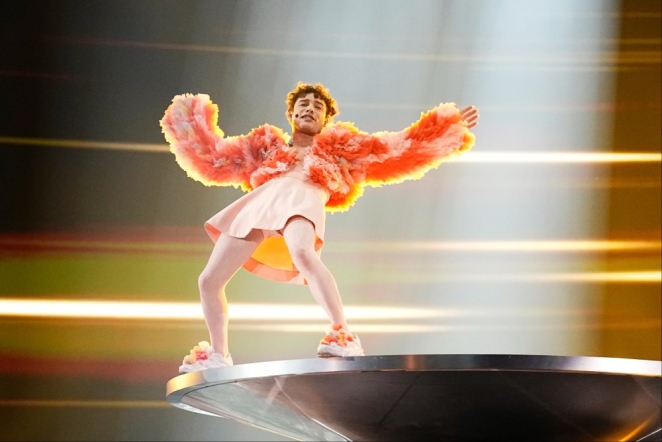
Cece - “It honestly couldn’t have been a better time. Eurovision originally started in Switzerland back in 1956, and now, nearly 70 years later, it’s gone full circle with Switzerland hosting again after Nemo’s incredible win last year. That alone made it feel like the perfect moment to do something special and meaningful.
Culturally, Eurovision has never been more relevant. It’s bigger than ever - from streaming and social media to mainstream global conversations. The contest has become more than a TV event; it’s a pop culture juggernaut. With that kind of presence, the need for a strong, consistent sonic identity just made sense. It was a chance to honour where it all began, while evolving the sound of Eurovision in a way that feels fresh, connected, and future-proof.
At the same time, market conditions were ideal. Social content and digital-first audiences demand instant brand recognition - often in a few seconds, without visuals. Eurovision needed a flexible audio toolkit that could unify its sprawling universe, from TikTok edits to live broadcast stingers. The sonic identity answered that call, delivering cohesion without compromising the individuality that makes Eurovision magic.”
How did the recent “Eurovision fever” on social media and in pop culture influence the timing of this sonic branding initiative?
Cece: “Fan-generated content - TikTok remixes, Instagram reels, and YouTube recaps - was exploding. But there wasn’t a unifying audio signature to tie it all back to Eurovision. The “fever” created a branding gap: fans were amplifying the content, but Eurovision needed a sonic shorthand that made every share unmistakably theirs. By introducing a flexible, modular sonic identity now, Eurovision capitalized on this organic buzz and turned fleeting moments of engagement into lasting brand memory.”
What strategic objectives did the Eurovision organizers aim to achieve by embracing sonic branding at this point in the contest’s evolution?
Cece: “There were several core objectives for us as we embarked on this project.
- Ensuring consistency across live shows, digital teasers, transitions, and marketing material, without dulling the contest’s vibrant chaos.
- Creating emotional connection through sound that resonates across borders.
- Building future adaptability that allowed future host countries to reinterpret the sound while maintaining recognisability.
- Enabling platform readiness for streaming, social, and on-demand content, where audio cues play a vital branding role in low-attention environments.”
How did MassiveMusic approach translating Eurovision’s heritage of flamboyant performances into a cohesive audio identity?
Béa: “Eurovision is famously maximalist: big voices, bold looks, emotional highs. We leaned into the spectacle while giving it structure. To make it cohesive, we built a modular sonic system centered on a six-note melody, driving rhythm, and iconic Swiss elements. This thread ties everything together, from live shows to digital teasers. The identity reflects the diversity of the performances while keeping the brand instantly recognisable, ensuring that the sound of Eurovision will fit perfectly between both blasting ballads and high-energy bops.”
Can you walk us through your creative process for distilling the “vibe” of the world’s biggest music event into sonic elements?
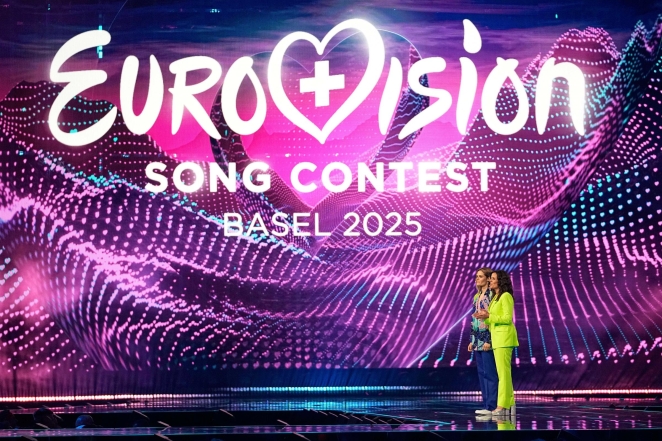
Béa: “We started with the idea of radiance. Sound radiates and connects people - that became our foundation. We mapped some of Eurovision’s core traits - celebration, tension, joy, cultural fusion - and built sonic layers using traditional Swiss elements with more contemporary electronic production. Everything was designed to create momentum and emotion. The goal was to bottle the drama and delight of Eurovision into sounds that lift every beat, transition, and reveal.”
Which musical motifs or production techniques became central to the new Eurovision sonic DNA, and why?
Béa: “When I sent out the brief, I asked for “Yodel 2.0”; we needed a surprising, and cheeky element to demonstrate a touch of self-deprication, whilst still delivering a banger of a track. The bold six-note hook, high-energy rhythms, and traditional Swiss elements were key, and also designed to be modular. It’s not just a track. It’s a toolkit. The sonic DNA adapts to intros, voting segments, trailers, and digital content. Every motif carries emotional punch and brand recognition in equal measure.”
How did you balance respect for Eurovision’s storied history with the need for a fresh, contemporary sound?
Béa: “We saw history as fuel, not restriction. We referenced Switzerland’s role in Eurovision’s origins and its folk traditions, but treated those influences with a modern twist. Traditional motifs were sampled and sculpted through a contemporary production lens. We aimed for emotional resonance without leaning on nostalgia. The result is timeless but never stuck in the past. It honors where Eurovision came from while staying ready for wherever it goes next.”
What research or audience insights did you draw on to ensure the sonic identity would resonate with both long-time fans and new viewers?
Béa: “We looked at everything from past performances to TikTok fan edits. Long-time fans crave continuity and emotional payoff. New audiences want pace, polish, and impact. We blended both by building a sound that feels epic and adaptable. The six-note theme is instantly recognisable, the rhythm drives energy and the modular design means it works across platforms and cultures. Our job was to make it stick in people’s memory and still feel fresh on replay. A real win for me was hearing fellow fans in the audience in Basel singing the theme to themselves subconsciously. I know we’ve done a job well when our work gets stuck in peoples’ heads and can’t help but hum it aloud.”
How does the new sonic branding enhance the viewer experience during live broadcasts and digital streams?
Béa: “The sound of Eurovision not only provides structure to the event over the week - it gives the show a sense of flow and distinct feeling. Whether it’s a voting reveal or a transition between acts, the sonic branding adds cohesion and emotional texture. It enhances the drama without competing with the performances. Viewers get a more seamless, immersive experience. And on digital platforms, the sound creates instant brand recall. Even a short clip can carry the Eurovision identity without needing a single word or logo. It’s audio glue and emotional signal all at once.”
In what ways can brands in the wider entertainment landscape learn from Eurovision’s move into sonic branding?
Cece: “Eurovision’s sonic identity shows how sound can unify a sprawling, unpredictable brand experience. We did this through building modularity, focusing on one six-note theme that powered everything from live transitions to social media strings. Underscoring it all was an emotion-first strategy that created not just recall but narrative momentum and joy for the listener. To achieve global relevance, our approach was rooted in cultural specificity: honouring Swiss musical heritage in a way that felt fresh and had international appeal.
Entertainment brands can adopt this blueprint by crafting sonic systems, not just logos, that scale and flex across media and emotion.”
How might other large-scale events adopt or adapt Eurovision’s approach to audio identity?
Cece: “The key is creating with both heritage and future scalability in mind. Eurovision’s sonic identity, for instance, starts with a core melody - “See You Radiate”- and layers in elements that can evolve as necessary. Other large-scale events can build frameworks that localise the sound without losing cohesion. Think: the Olympics incorporating the host country’s musical language into a core Olympic audio signature. The result? Emotional and brand coherence without creative limitation.”
What challenges did you encounter in aligning the sonic identity across diverse touchpoints—from TV intros to social media teasers?
Béa: “The main challenge was balancing epic drama with technical restraint. A voting moment needs anticipation. A TikTok reel needs brevity. A trailer needs propulsion. The modular system, built from a bold six-note melody and Swiss folk instrumentation blended with electronic rhythms, solved that by offering a toolkit rather than a single track. Still, each use-case had to be carefully tested to maintain emotional fidelity without overstaying its welcome.”
How do you measure the success of a sonic branding campaign for an event as multifaceted as Eurovision?
Cece: “Success for a sonic identity like Eurovision’s goes beyond impressions - it’s about recognition, emotional impact, and organic adoption. Are people identifying the theme across platforms? Is it enhancing the experience without overshadowing the performances?
One of the clearest signs it’s working is when fans start humming it unprompted, like they did in Basel. That kind of subconscious recall means the sound has become part of the culture, not just the branding.
New tools like MassiveMusic’s SoundCheck help quantify this by measuring how well the audio performs in terms of distinctiveness, emotional fit, and recall. But at its core, success is when a sound becomes instantly linked to the brand - across TV, TikTok, trailers, and beyond.”
Looking ahead, how do you envision the role of sonic branding evolving for live entertainment and global music events?
Béa: “As platforms multiply and visual attention shrinks, sound will be the glue that binds brand experiences. We’re entering an age where sonic identity will do what visual identity can’t—signal meaning in seconds, cut through algorithmic noise, and build emotional resonance in every format, from spatial audio to silent autoplay clips. Eurovision’s move isn’t just timely - it’s predictive of where the entire industry is heading.”
Final Thoughts
MassiveMusic's bold creation of Eurovision’s sonic identity has set a benchmark in global event branding. By fusing cultural heritage with contemporary resonance and strategic adaptability, the sonic signature now effortlessly spans diverse platforms—from live broadcasts to bite-sized TikTok hits.
As Eurovision moves forward, this sonic identity doesn't just echo past glories; it pulses with the vibrant, ever-evolving energy of the contest, marking a future where sound defines and elevates live entertainment and pop-culture events worldwide.