

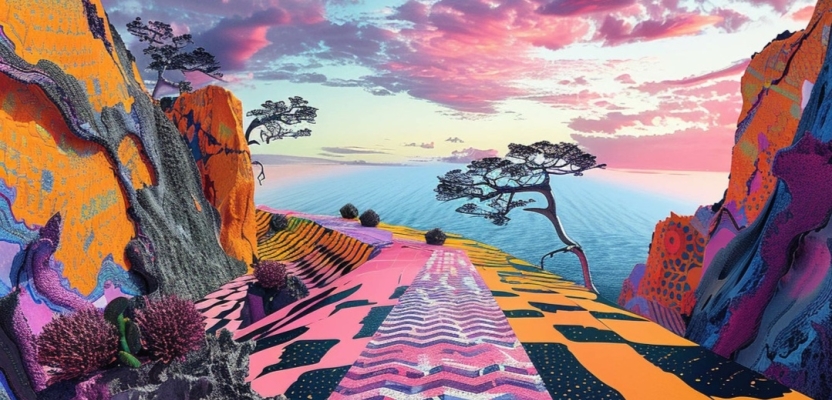

Explore the biggest design trends of 2025 with expert insights, examples, and what’s shaping creative direction across branding, interiors, and digital design.
2025 has been a pivotal year in design. The mantra “less is more” that once defined modern aesthetics began to lose its edge, as countless minimalist brands and websites started blending into a sea of sameness. Many found themselves asking: where’s the personality? In response, a bold rebellion took shape. Enter maximalism – the “more is more” approach injecting color, character, and curated chaos back into our screens and spaces.
Yet this wasn’t a simple passing of the torch. Instead, both ends of the spectrum (sleek minimalism and vibrant maximalism) emerged as complementary forces shaping creative work in 2025. From graphic design and branding to interior décor and UX, aesthetics evolved in twin directions, reflecting a broader cultural swing toward personal expression and bold simplicity.
Let’s dive into the year’s visual evolution and see how “less” and “more” both made their mark.
What Defined Design in 2025
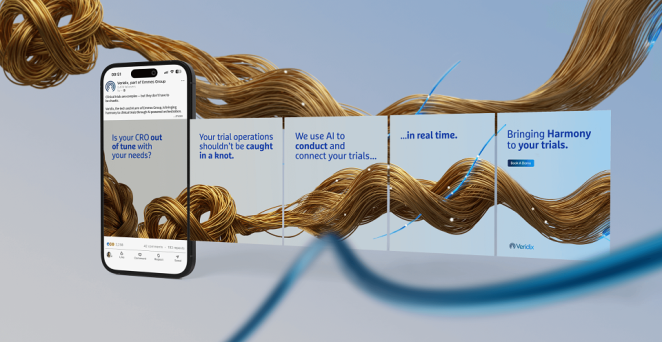
The Mission Control Communications
The design scene in 2025 was characterized by a dynamic duality. On one hand, minimalism persisted but with a twist – a bold minimalism that favored simplicity without sacrificing impact. On the other, a revived maximalism encouraged rich expression and ornamentation. Both aesthetics became mainstream in their own right, indicating that people’s tastes stretched in two directions this year.
Major trend forecasts reflected this split: Pinterest’s annual report highlighted a surge in “mix & maximalist” styles (layered, expressive looks fueled by nostalgia and ornamentation), while Adobe’s design outlook spotlighted bold minimalist layouts alongside exuberant illustration as staples of 2025.
Several forces drove these parallel trends. Culturally, there was a growing appetite for personal, expressive design. After years of ultra-spare “millennial minimalism,” audiences began craving more warmth and personality in their visual experiences. In interior design, for example, maximalist decor took center stage as people moved away from all-white austerity toward “decorating for joy” with “stuff-centric” spaces full of color and character. According to a report from Pinterest, the “more is more” aesthetic was one of 2025’s biggest trends, with Pinterest searches for terms like “eclectic maximalism” skyrocketing over 200% year-on-year.
At the same time, minimalism evolved. Designers doubled down on clarity and impact, using fewer elements but making each one count. This bold minimalism trend meant minimalist designs with heavy emphasis on featured elements – think big, loud typography, high-contrast color palettes, and stripped-back layouts that still manage to turn heads. In essence, minimalism got braver and more strategic in 2025, proving that simplicity can still surprise when executed with purpose.
Another defining factor was technology and performance. The digital realm’s ongoing demand for speed and usability favored minimalist approaches in many contexts (a fast-loading, uncluttered interface still often equals a better user experience). Yet even here, maximalist touches found their place in grabbing attention.
The result was a more nuanced understanding that “good design” in 2025 wasn’t a one-size-fits-all formula. Instead, creatives recognized that both minimalism and maximalism could shine when applied thoughtfully – sometimes even in combination.
Bold Minimalism: The New Simplicity
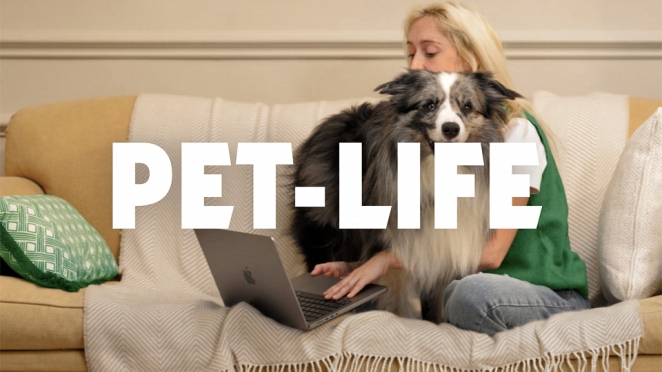
WMH&I
Minimalism in 2025 was anything but boring. This was the year of Bold Minimalism, a new wave of simplicity that proves “less” can indeed be more impact when done right. Rather than the plain-vanilla minimalism of years past, designers embraced pared-down compositions with a punch: few elements, but each intentionally amplified.
We saw layouts with generous negative space juxtaposed against one or two powerful visuals or typographic statements. A single striking font or a vibrant accent color in an otherwise restrained design became the hallmark of this trend. The philosophy: by stripping away the non-essential, what remains should shout (quietly, of course) through its sheer clarity and strength.
One clear example is in branding and graphic design. Many brands that maintained minimalist logos or identities gave them a bold twist in 2025. This meant logos still kept their clean forms, but might use a high-contrast color scheme or an oversized, idiosyncratic typeface to stand out.
Strong typographic focal points and tight grid layouts delivered a sense of polish and confidence without any visual clutter. The result is a look that is premium and modern, yet far from the bland minimalism that had become ubiquitous. As Adobe’s trend report noted, “bold minimalism (big type, strong contrast, tight grids) delivers polish without bloat.” This approach allowed brands (especially in luxury, tech, or fintech sectors) to signal trust and sophistication through restraint, while still being memorable.
Another reason minimalist design held its ground is pure performance. In digital products, speed and usability are king. A meticulously minimalist interface often loads faster and guides the eye more efficiently. Studies continued to affirm that faster-loading, cleaner pages yield better user engagement and conversion (for instance, Walmart found each 1-second improvement in load time lifted conversions ~2%).
Thus, minimalism remained the go-to for content that needs clarity – dashboards, checkout screens, informational sites – anywhere the message benefits from focus and simplicity. A well-executed minimalist web page in 2025 might feature one bold headline, one striking image, and nothing extraneous, thereby ensuring the core message or action shines through.
“Bold minimalism (big type, strong contrast, tight grids) delivers polish without bloat.”
Yet, the challenge for minimalism was avoiding the “sea of sameness.” With so many brands adopting stripped-down aesthetics in recent years, uniqueness became a concern. Designers responded by paying extra attention to crafting distinctive minimalist elements.
For example, a minimalist visual identity in 2025 might include a bespoke typeface or a signature color hue to differentiate it from countless others. Without such ownable touches, there’s a risk that a purely minimal design fades into the background – a lesson many learned as blanding (bland branding) became a real pitfall.
The best practitioners of bold minimalism struck a balance: they kept interfaces and graphics clean, fast, and user-friendly, but always with a decisive point of focus or originality (be it a daring font, an abstract hero graphic, or a clever bit of micro-interaction).
In summary, bold minimalism gave minimal design new life in 2025. By amplifying simplicity with strategic bold choices, designers proved that minimalism is not about being plain – it’s about being purposeful. This new simplicity provided a strong foundation across mediums (branding, web, print), offering clarity in a noisy world. And importantly, it set the stage upon which more exuberant design elements could later pop (as we’ll see with maximalism). Less remained powerful – but only when it was the right less.
Maximalism Returns: Creativity Unleashed
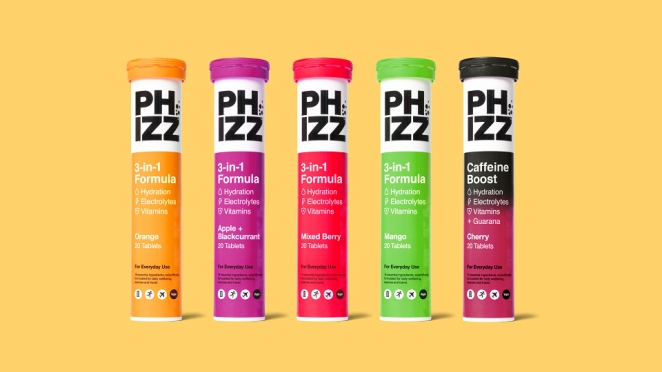
Deuce Studio
After a decade dominated by sparse aesthetics, 2025 saw maximalism come roaring back into the limelight. In many ways, this was a reaction to minimalist fatigue; audiences and designers alike were eager for a fresh visual language that could surprise, delight, and express. If minimalism whispered, maximalism shouted (in the friendliest way possible).
This trend embraced the art of “more is more” – more colors, more layers, more personality. Crucially, it wasn’t about making a cluttered mess; it was about curating meaningful excess to infuse design with energy and narrative. The result was an unleashing of creativity across many design fields, from digital interfaces to interior decor.
In graphic and digital design, maximalist design meant breaking many of the old rules. Designers who had spent years adhering to strict grids and limited palettes started to say, “heck yeah, let’s play!”. We began to see websites and apps ditch all-white backgrounds in favor of explosive color palettes and layered visuals that practically jump off the screen.
Forget the subdued navy-and-gray tech layouts—2025’s maximalist websites might greet you with neon gradients, dynamic animations, funky custom cursors, and collages of imagery all at once. While that sounds chaotic, the best designs kept it purposeful: every element still served the story or brand. The goal was to create a rich, immersive experience that draws users in.
Branding in 2025 also rode the maximalist wave. Tellingly, some established companies reversed their minimalist makeovers and brought back more ornate, characterful logos. A notable example was Burberry, which in 2025 ditched its plain sans-serif wordmark and revived its classic emblem (the knight-and-horse crest), signaling a return of personality in luxury branding. Meanwhile, newer brands skipped minimalism altogether, opting for bold identities from day one – think of Liquid Death’s edgy gothic cans or the vibrant illustrated world of some fintech apps – proving that the ultra-flat, generic look was no longer the only mark of modernity.
Across the board, visual identities grew more expressive: more symbols and patterns in logos, more eclectic color systems, and packaging designs that look like pieces of art with maximal detail. This maximalist bent was about differentiation; in a crowded marketplace, looking like “everything else” was a risk, so brands used layers of uniqueness to ensure they were unmissable.
Perhaps the most noticeable maximalist renaissance happened in interior and environmental design. The sterility of gray-on-gray minimal interiors gave way to what has been dubbed “decorating for joy.” Homes, restaurants, and retail spaces embraced cozy clutter and eclectic style over bare minimalism. Designers layered pattern on pattern, mixed vintage pieces with contemporary art, and weren’t shy about bold wall colors or maximalist gallery walls.
Some established companies reversed their minimalist makeovers and brought back more ornate, characterful logos
Even niche trends like “intentional clutter” emerged, encouraging the curation of beloved objects and memorabilia on display rather than hiding everything away. This doesn’t mean a return to untidy rooms, but rather an artful composition of items that tell a story about the dweller. It’s a lived-in, human aesthetic that pushes back against the impersonal vibe of a showroom-perfect minimalist room.
What fueled this maximalist resurgence? Partly, it was a pendulum swing of taste — after years of being told to declutter and simplify, there was a collective craving for richness and warmth in design. Psychologically, uncertain times often drive people to environments that feel comforting and personal, which maximalism delivers through nostalgia and variety.
Additionally, the digital content overload meant that to be noticed, visuals had to pop. A bold, colorful post is far more likely to disrupt the scroll and grab attention than another minimalist white layout. Marketers and creators leaned into that reality – especially to engage younger audiences on social platforms, where a riot of color or complex graphic can stop thumbs in their tracks.
Notably, data from social media and search trends backed up maximalism’s rise. Pinterest’s report for 2025 showed huge spikes in searches for terms like “eclectic maximalism” (+215%) and “vintage maximalism” (+260%), reflecting massive interest in more decorative styles. TikTok and Instagram were awash with bold interior makeovers under hashtags like #dopaminedecor and #clustercore, celebrating bright colors and collections of objects that make people happy.
Even in graphic design, terms like “dopamine colors” — referring to palettes so vibrant they boost your mood — were trending. In short, maximalism wasn’t just a niche—it became a full-fledged movement across design disciplines in 2025, unleashing creativity and encouraging designers and consumers alike to embrace the bold and the unique.
Of course, successful maximalism still required a careful hand. The best designs of this style were curated, not chaotic. Every pattern, ornament, or explosion of color was chosen with intent to support the overall message. When done right, maximalist design in 2025 produced work that felt alive, rich with detail and discovery, yet oddly cohesive.
Whether it was a brand identity full of Easter-egg details, an app interface that felt like an art installation, or a living room layered in textures from travels – maximalism made a statement: design can delight by offering more to explore. And importantly, it brought fun back into the equation, a reminder that design can provoke smiles and spark joy, not just admiration for restraint.
Minimalism vs Maximalism: When Each Works Best
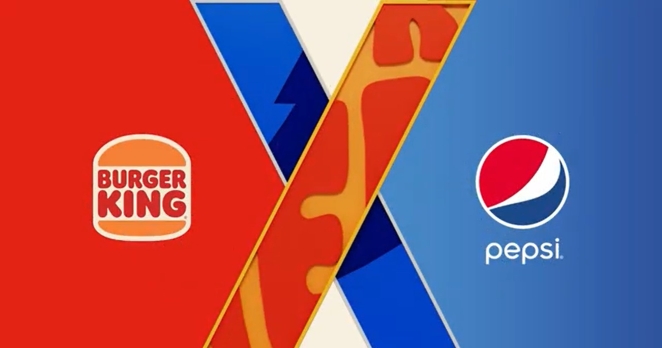
Inner Reality
With two strong aesthetics trending side by side, a natural question for creatives in 2025 was: minimalism vs. maximalism – which approach do I choose, and when? The truth that emerged is that both styles can work beautifully — as long as they’re applied with intention and in the right context.
Each has its strengths and ideal use-cases. Rather than a binary either/or, think of them as tools in a designer’s toolkit, each suited to certain goals. In fact, many savvy creatives treated minimalism and maximalism like a dial to be tuned rather than a strict switch, adjusting the level of simplicity or extravagance depending on the project’s needs.
Let’s break down when each style works best:
When Minimalism Wins
If your priority is clarity, speed, or elegance, minimalism is often the answer. For interfaces that are performance-critical – say, an e-commerce checkout, a mobile banking app, or any user journey where speed and usability directly impact outcomes – a minimalist design helps users accomplish tasks quickly and without distraction. Fewer elements on screen means faster load times and less cognitive load. Minimalism also shines for complex information displays like dashboards or technical content; by reducing visual noise, it lets data or text be easily understood. Additionally, if a brand seeks a premium or trusted image (think luxury goods, fintech, healthcare), a restrained design can signal seriousness and professionalism. A crisp layout with plenty of white space conveys clarity, and in fields where trust is key, that often translates to credibility.
When Maximalism Wins
If the goal is to stand out, tell a story, or create a memorable experience, maximalism may be your friend. In contexts where capturing attention is the main challenge – for example, social media feeds, advertising, or any crowded visual space – a maximalist design with loud colors, layered imagery, and dynamic typography can stop the scroll. Those first few seconds of a viewer’s attention are precious, and rich visuals earn them. Maximalism also excels when a brand or project is all about personality and storytelling. For a creative brand, a cultural initiative, or anything where conveying a unique vibe or narrative is paramount, a maximalist approach provides a broad canvas. Layers of imagery, illustrative details, and textured backgrounds can communicate depth and character that a minimalist design might not. In other words, if you want an audience to feel something or to remember you, an expressive, maximal design can imprint a stronger memory. Notably, maximalist branding elements like distinctive patterns or signature illustrations can serve as powerful memory structures, helping a brand stand out in people’s minds. Finally, maximalism is often the right choice when embracing uniqueness is the goal – if a brand’s edge is its quirky community or bold values, leaning into a richer visual style will broadcast that uniqueness loud and clear
To decide between the two (or how to mix them), designers in 2025 learned to refer back to the project’s objectives and audience. For instance, a fintech app might employ a mostly minimalist interface for its core functions (ensuring quick, clear transactions), but could sprinkle in a few maximalist touches in its empty states or onboarding screens to inject some friendliness or flair.
Conversely, a fashion brand’s campaign might go full maximalist in lookbooks and Instagram posts to build hype, but use a cleaner layout on its online store for easy shopping. In practical terms, a design might combine a bold minimalist framework (simple structure, intuitive navigation) with maximalist accents (vibrant imagery, decorative fonts in hero sections) to enjoy the benefits of both.
Ultimately, the takeaway in 2025 was that neither minimalism nor maximalism is “better” universally – it’s about the right tool for the job. A cluttered landing page might hurt a checkout flow, but it could make for an unforgettable ad. A sparse, elegant layout could feel soothing in a wellness app, yet fall flat for a cutting-edge art collective’s website.
Neither minimalism nor maximalism is “better” universally – it’s about the right tool for the job
The key is intentionality: designers must ask what experience they want the user to have. Is it one of efficient clarity or one of rich immersion? Both approaches can succeed when aligned with purpose.
And sometimes, the magic happens when you blend the two. Many of 2025’s most applauded designs actually fused minimalistic structure with maximalist creativity. For example, a clean, minimal app interface that suddenly features a bold, colorful illustration during onboarding – that contrast creates a delightful surprise. Or an architectural space that is minimalist in form but maximalist in its eclectic materials and textures.
These combinations underscore that minimalism and maximalism aren’t enemies at all, but complementary facets of modern design. In the end, understanding when each works best empowers designers to use both approaches strategically, rather than clinging dogmatically to one style.
Other Influencers on Design in 2025
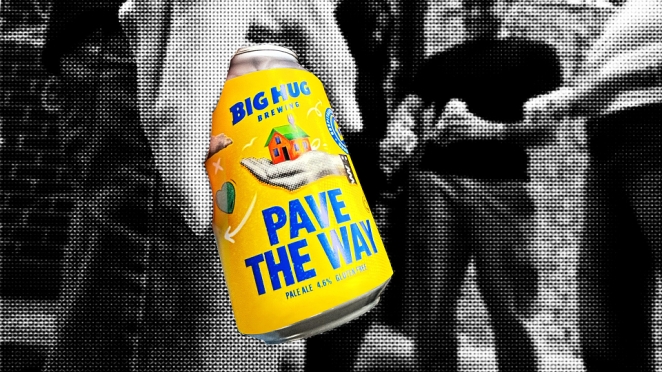
JDO Global
Beyond the headline battle of minimalism vs. maximalism, several other forces and trends influenced the look and feel of design in 2025. These currents ran through the creative industries, shaping aesthetics in subtler but significant ways:
Nostalgia & Retro Revival
This year saw a strong nostalgic undercurrent in design. As mentioned earlier, ornamentation and vintage motifs made a comeback as part of the maximalist trend. Brands and designers started merging retro cues with futuristic elements, creating a kind of “new nostalgia.” For instance, we saw modern branding that incorporated vintage color palettes or classic serif type, but paired with contemporary layouts – effectively blending the past and present. One of 2025’s biggest visual trends is the merging of nostalgia with the aesthetics of tomorrow, with brands pulling in retro references and pairing them with modern execution to strike an emotional chord. This was evident in everything from packaging design (where throwback logos and illustrations reappeared) to interior design (think “Rococo Revival” patterns on modern furniture). The result was an appealing familiar-yet-fresh vibe in many designs, proving that old and new can coexist stylishly.
Sustainability & Ethics in Design
Sustainable design continued to gain momentum in 2025, impacting aesthetics as well as materials. As brands prioritized eco-friendly practices, it reflected visually through natural textures, earthy color schemes, and motifs of regeneration. Packaging and product design, in particular, embraced sustainable materials (like recycled papers, biomaterials, etc.), and this often went hand-in-hand with a minimalist look – simple packaging that underscores its recyclability. However, even within maximalist trends, sustainability found expression. Many maximalist designs used upcycled or vintage elements (in interiors, for example, mixing antique pieces rather than buying all new). According to one design agency, younger audiences valued brands that champion diversity, authenticity, community, and sustainability – and “from an aesthetics perspective, this means bold colors, sustainable materials, maximalism, and a wellness-inspired look and feel.” In other words, a vibrant design that also signals ethical values was a winning combination for Gen Z consumers. We also saw the rise of certifications (like B-Corp status) influencing visual branding – companies proudly displaying ethical badges or crafting their brand story visually around social impact. All of this imbued 2025’s design landscape with a sense of purpose: aesthetics weren’t just about looks, but also about communicating values like eco-consciousness and inclusivity.
Tech & AI-Augmented Creativity
Technology always influences design, and 2025 was no exception. Perhaps the biggest game-changer was the mainstreaming of AI tools in the creative process. Graphic designers increasingly integrated AI for tasks like generating design variations, creating quick mockups, or even producing AI-driven art assets. Far from replacing human designers, AI became a sort of creative assistant – great for sparking inspiration or handling rote production tasks. For example, an AI might generate dozens of color palette options based on a mood board, letting the human designer pick and refine the best. In visual trends, the growing comfort with tech was reflected in aesthetics too: we saw futuristic interfaces and AR/VR elements seeping into designs. In web and UI design, some 2025 trends included playful uses of VR/3D (like interactive 3D objects on websites) and immersive micro-animations that respond to user input, making digital experiences feel more tactile and alive. Meanwhile, AI-generated imagery itself became an aesthetic – some brands used AI-art with its dreamlike, slightly surreal quality as part of their visuals, embracing the “machine-made” look as novel. The key influence of tech was also speed – with rapid prototyping and generative design, the iterative cycle shortened, and we saw more experimental visuals being tried out quickly. In essence, technology empowered designers to push creative boundaries, whether that meant an AI-crafted abstract illustration appearing in a marketing campaign or highly personalized content automatically tailored to users (a form of algorithmic design). The aesthetic upshot was a blend of ultra-modern elements (glowing sci-fi style graphics, parametric forms, data-driven art) showing up alongside our other trends.
Wellness and “Feel-Good” Design
On the softer side of influences, the post-pandemic focus on mental health and well-being also shaped design choices. A standout example is the rise of “dopamine decor” in interiors – a design approach centered on creating joyful, mood-boosting spaces. Loosely defined, dopamine decor means filling your environment with bold colors, playful patterns, and personal touches that “genuinely make you feel good.” In 2025, search interest in “dopamine decor” surged over 280%, indicating that many were seeking happiness through design. We saw interiors move away from strict catalog minimalism and become more idiosyncratic – a bright pink accent wall here, a gallery of quirky art there – whatever sparked joy for the inhabitant. This ethos translated to other design fields too. Graphic design adopted “dopamine colors” (vibrant, upbeat palettes) aiming to elicit positive emotions. Even UX design took note: apps introduced more playful micro-interactions and delightful easter eggs to make using them a feel-good experience. The overarching idea was designing for emotional impact. Rather than adhering to an abstract design dogma, creators asked how spaces and interfaces feel to the user. Do they spark joy, comfort, excitement? This human-centric, emotional approach was a notable undercurrent in 2025’s aesthetics and likely a reaction to the isolation and digital fatigue of preceding years.
Fusion Styles
With so much experimentation, 2025 also gave birth to some hybrid design styles that intentionally blended opposites. One interesting trend was the fusion of minimalism and maximalism itself in certain domains. In interiors, designers coined terms like “midimalism” to describe spaces that strike a balance between the two extremes. A midimalist living room, for example, might feature clean-lined modern furniture (minimalism) but in a room with bold wallpaper and a curated display of collectibles (maximalism), achieving a sophisticated yet personality-filled space. This “best of both worlds” approach showed that you don’t have to choose one camp; you can mix the serenity of minimalism with the vibrancy of maximalism in one coherent design. We also saw fusion in graphic design: some called it “minimalist maximalism” – designs that at first glance appear minimal (maybe one dominant color or a simple layout) but on closer look have maximalist details (like intricate typography or hidden patterns). These hybrids often used minimalism as a frame and maximalism as the art within it (for instance, a minimalist poster layout showcasing one elaborate, maximalist illustration). The success of these fusions further reinforced that the old dichotomies were breaking down in 2025. It was less about one style ruling all, and more about creativity in combining influences to suit the message.
Art Nouveau Meets Haight-Ashbury
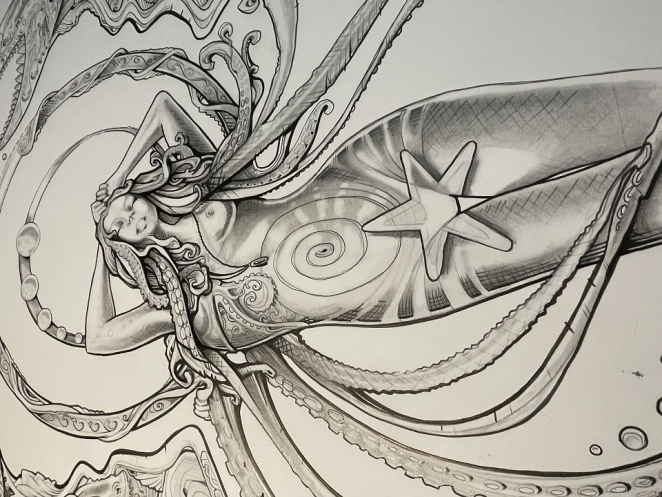
Tim Lord
One of the most intriguing aesthetic movements of 2025 comes not from the sleek minimalism of digital design, but from a deliberate reach back into cultural history. As Lippincott Global Creative Director Brendán Murphy puts it, designers this year have enjoyed what feels like a “fusion of Art Nouveau aesthetics with the vibrant, rebellious spirit of Haight-Ashbury typography and colour palettes” — a blend that’s appeared across unexpected sectors, from CPG brands like Graza and Manischewitz to the rare B2B brand such as Guild. Murphy explains that this trend “feels like a nostalgic yet fresh reinterpretation of the 1960s and 70s — a period I personally connect with deeply, having grown up during those transformative decades.” What sets this stylistic revival apart is its emotional dimension: it “simultaneously celebrates the best and confronts the worst of that era, reimagined for a new generation seeking authenticity and emotional resonance.” For Murphy, this isn’t just a design fad but a cultural counterpoint. Its popularity — he suggests — is likely a reaction against “the sterility of tech minimalism, the extremes of glossy AI futurism, and today’s politics,” offering instead a shared countercultural memory, personality and texture that feels “more in touch with the idiosyncrasies of humanity.” This hybrid aesthetic — ornate yet playful, expressive yet grounded in history — has helped brands break through with visuals that feel human, textured and emotionally layered, making it one of 2025’s most unexpected but resonant design currents.
What’s Next: Looking Beyond 2025
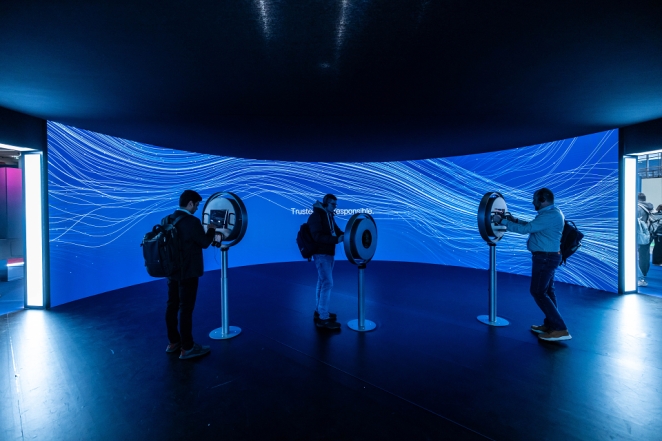
George P. Johnson
2025’s design landscape was rich and multi-faceted. Contemporary design trends were shaped not only by the push-pull of minimalism and maximalism, but by cultural mood (nostalgia vs. futurism), social values (sustainability, wellness), and technological leaps (AI and immersive media).
The most interesting designs of the year often sat at the intersection of these influences – a maximalist installation made possible by new tech, a minimalist product line inspired by sustainable materials, a nostalgic color scheme deployed in a cutting-edge app, and so on. This interplay of factors made 2025 an exciting year, with designers pulling inspiration from past and future, from human emotion and machine innovation alike.
As we look beyond 2025, the question becomes: where will these aesthetic currents flow next? Design is ever-evolving, and the trends of 2025 provide clues to what might come in 2026 and beyond. Here are a few educated predictions for the near future of design, building on this year’s momentum:
Further Blurring of Minimalism and Maximalism
Rather than one trend replacing the other, expect a continued combination of minimalistic and maximalistic approaches. Designers have learned that a hybrid strategy often yields the most engaging results, so we’ll likely see more projects that start minimal and end maximal (or vice versa). For example, 2026 could bring “dual aesthetic” designs that seamlessly toggle between clean and complex depending on context – perhaps a website that offers a simple view and an “immersive view” for those who want the extra content. The concept of treating minimalism vs maximalism as a spectrum will only get more refined. We might even see new terms (like the midimalism we’ve seen in interiors) to describe the nuanced middle grounds. Ultimately, the design pendulum may stop swinging in wide arcs and instead settle in the middle for a while, yielding styles that harmoniously blend clarity with ornamentation. As one trend watcher put it, it’s increasingly not a binary choice but a spectrum of possibilities – a notion that will shape design education and practice going forward.
Maximalist Creativity, Minimalist Function
A likely scenario is that maximalism takes the lead in creative expression, while minimalism governs usability and function. In other words, designers might compartmentalize: use maximalist visuals for branding, storytelling, and atmospherics, but revert to minimalist layouts when it’s time for users to read or act. We already saw this approach in 2025, and it aligns with core principles (grab attention with richness, but don’t overwhelm when clarity is needed). In 2026, this could become more formalized. Imagine an app or site that automatically shifts its design – flamboyant and animated for the landing/promotional sections, then simplifying to a bare-bones mode in transactional sections. With advances in CSS and design systems, such adaptive design is quite feasible. This dynamic usage of both styles could become a best practice: maximalism for first impressions, minimalism for lasting interactions.
Evolution of the Aesthetics
On the maximalist front, expect the style to evolve and possibly splinter into sub-trends. We might see new flavors of maximalism – for instance, techno-maximalism with even more 3D and AR elements (imagine mixed reality experiences that are visually dense) or eco-maximalism where designs are lush and intricate but made entirely from sustainable processes. Maximalism might also integrate more with motion design; moving forward, maximalist graphics could be animated, turning static “more is more” into kinetic “more keeps coming.” On the minimal side, there’s chatter about “neo-minimalism” or “meaningful minimalism,” which could bring back some of minimalism’s warmth and human touch (perhaps using more organic shapes or gentle imperfections instead of the cold perfection of old minimalism). This neo-minimalism might pair simplicity with subtle personality – an evolution influenced by the need for distinctiveness even in minimal designs.
Impact of AI and Personalization
Looking beyond, AI’s role in design will likely grow, and with it, the ability to personalize aesthetics on the fly. This could mean that in the future, a single product might dynamically present a minimalist interface to one user and a maximalist one to another, based on preferences or context. Early signs of this were visible in 2025 with some adaptive theming in apps (light vs dark modes, etc.), but AI could take it further, auto-generating design embellishments or simplifications as needed. We can imagine 2026+ interfaces where users perhaps choose their viewing style: a “simple view” for focus or a “decorated view” for a richer experience, and the design intelligently provides it. This fluid approach would essentially end the debate by making it user-centric. It’s speculative, but not far-fetched given rapid advances in AI-driven design customization.
Continued Emphasis on Human-Centric Design
Trends aside, one overarching prediction is that human feelings and values will remain at the heart of design decisions. The lesson of dopamine decor and the maximalism resurgence is that people seek environments (digital or physical) that resonate emotionally. So future design trends might emphasize tactility, comfort, and inclusivity even more. We could see a rise in multisensory design (beyond just visual – think sound design, haptic feedback in interfaces), which ties into the Adobe 2026 trend hinting at designs that engage “all our senses, to the max”. This suggests maximalism could extend into non-visual realms as well. Meanwhile, sustainability isn’t going anywhere; if anything, by 2026 we may see it become a default expectation rather than a trend, with circular design principles shaping how products look (perhaps rugged, modular aesthetics to indicate repairability, etc.).
In conclusion, the future of design will likely be about balance and integration. The dialogue between minimalism and maximalism will continue, not as a tug-of-war but as a duet where each plays a part. The most exciting designs on the horizon are those that will manage to be both striking and usable, both expressive and clear.
By taking the best of 2025’s trends – the boldness of maximalism and the wisdom of minimalism – and adding in emerging influences like AI and sustainability, designers are poised to create a 2026 visual landscape that is both novel and meaningful. If 2025 was the year of contrasts, 2026 might just be the year of synthesis.
Design Thrives on Both Discipline and Exuberance
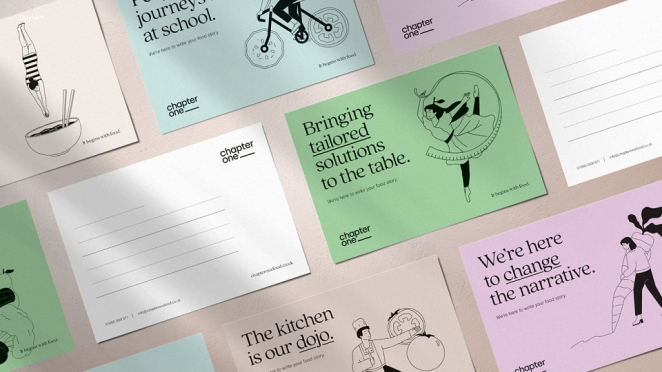
CYGNUS
As we wrap up “The Year in Design 2025,” one thing is clear: minimalism and maximalism have proven to be complementary forces, not mutually exclusive ones, in shaping today’s creative landscape. This year will be remembered for its vibrant conversation between the two extremes – a push and pull that ultimately expanded what “good design” can look like. We saw that less can indeed be more when executed with bold intent, and at the same time, more can be magical when curated with skill.
The key takeaway for anyone reflecting on 2025 design trends is that flexibility and intent trump dogma. Designers learned to choose the approach that best serves the project – or to blend approaches – rather than following a one-size-fits-all style. In doing so, they delivered experiences that were at once functional and inspiring.
A minimalist interface delivered speed and clarity where needed, while a maximalist campaign delivered memorability and emotion where it mattered. Rather than asking which aesthetic “won” in 2025, it’s more apt to say that both won – because both were used in the right ways. As one creative commentary put it, the question isn’t which is better, but finding “minimalism vs. maximalism for the right job.”
Minimalism and maximalism have proven to be complementary forces, not mutually exclusive ones
Looking ahead, this balanced view sets the stage for even more innovative designs. The lessons of 2025 suggest that the future will not swing to either extreme indefinitely, but will celebrate a spectrum of style.
Designers are more empowered than ever to turn the dial up or down on complexity as suits the moment. And that means the world of design is richer for it – ready to marry form and function, art and utility, simple and elaborate in ever more creative ways.
In essence, 2025 showed us that design thrives on both discipline and exuberance. Minimalism gave us the discipline to distill meaning, and maximalism gave us the exuberance to express it fully. Together, they made the year’s creative work diverse, compelling, and unforgettable. And for that, both “less” and “more” deserve a round of applause. Here’s to a future where we continue to enjoy the best of both worlds – and to the next wave of design evolution it will inspire.