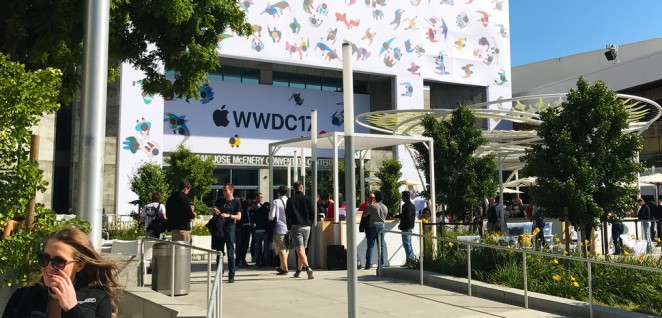

Some major changes are coming to Apple's software according to CEO Tim Cook, who shared details with the tech community and the world at large this Monday at the annual Worldwide Developers Conference. There are also a few big hardware refreshes on the immediate horizon too.
iOS 11
The mobile operating system used by all iPads and iPhones is finally making the jump to 11. iOS 11 will launch in September and is primarily centred around some dramatic improvements to Siri, which Apple says will make it easier to synchronise your various devices and will also apparently sound “more natural” and will be available now in Chinese, French, German, Italian and Spanish and will even offer translations! iOS 11 will also keep messages in the cloud, helping to save valuable hard drive storage space. Another big change is peer-to-peer payments, which will allow Apple to compete with Paypal, Square Cash, Venmo and others by allowing iOS users to easily send money to one another via iMessage. On the iPad, users will find drag and drop, more room for icons in the bottom dock of the screen and more. The camera app will now also have more optimised storage, as well as improved image quality with new depth software. Apple will also be updating the way the App Store looks, providing more options for smaller developers to promote their apps. The new App Store interface will have tabs for popular apps that day, games and in-app purchases. Apple also used the iOS announcement to unveil ARKit, which will allow developers to create augmented reality apps for iOS devices. We'll be interested to see what that one turns up!
High Sierra
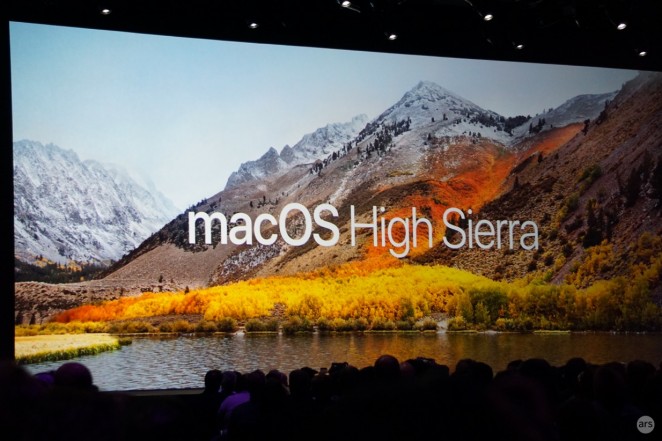
With the mobile devices getting an OS upgrade, it was only natural that the larger mac products would be getting a shot in the arm too. macOS High Sierra is the successor to Sierra, announced last year. It supports virtual reality headsets (new ground for Apple), security improvements to Safari that help further protect your privacy, new photo search features and a new Apple File System, which should mean more secure storage. High Sierra will be available in the coming months.
watchOS4
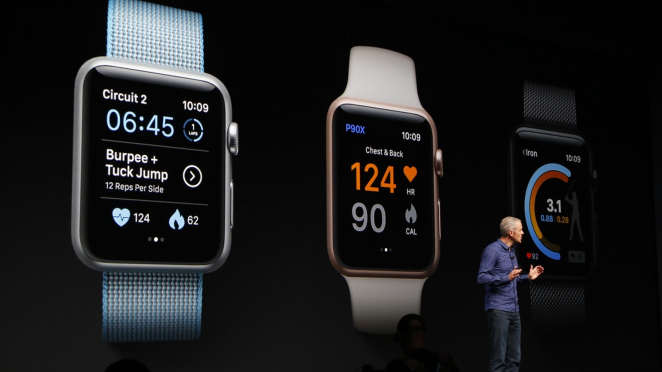
The sadly neglected Apple Watch is also getting a software upgrade. It features a couple of new watch faces, the most important of which puts Siri cards front and centre. They can tell you things like when to leave for work, the music you're playing, how your workout is going and more. WatchOS 4 also has a new workout UI, support for two-way data exchange with workout machines and more.
New Gear
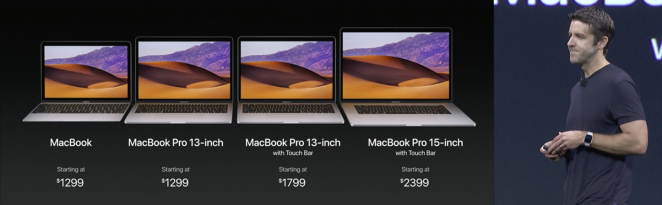
It's not just the software that's getting a fresh lick of paint. Apple also unveiled a range of new iMacs, MacBooks and iPads. The new iMac adds a sharper and brighter display and new Intel processors. It also brought those seventh-generation Intel processors over to the MacBook Pro, which is otherwise unchanged, and boosted the speed of the chip in the MacBook Air. The biggest announcement, however, was the iMac Pro, which will start at $4,999 and includes beefy new processors and a 5K display! The iPad Pro 10.5, meanwhile, features a brighter display with a faster refresh rate, which is important which watching things like movies or playing games. It also sports a new A10X processor that should improve gaming and overall app performance.
HomePod
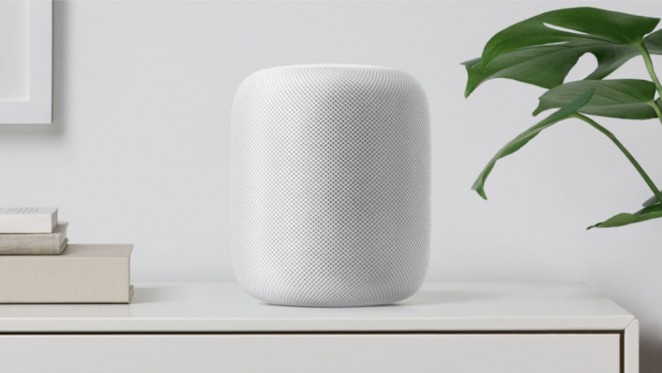
The only brand new product announced was the HomePod speaker, which is essentially Apple's long awaited answer to the Amazon Echo range. It's a Siri-powered smart speaker with advanced speakers that will apparently fill your room with music. It'll cost $349 when it launches in December, making it significantly more expensive than Amazon Echo and Google Home. But then, this is Apple. You always pay a premium for Apple.
WWDC took place on Monday (June 5) at the San Jose McEnery Convention Centre in California. The conference gathers Apple developers and executives to reveal changes to platforms and operating systems, such as iOS or HomeKit. The highly anticipated annual WWDC event is considered a rare look inside one of Apple's fastest-growing businesses: services. The company's services division (including digital music, Apple Pay, cloud storage and apps) is on pace to reach the size of a Fortune 100 company soon, according to Apple. Apple announced last week that developers had earned $70 billion from the App Store since its 2008 launch, up from the $50 billion that had been paid to developers by this time last year.