

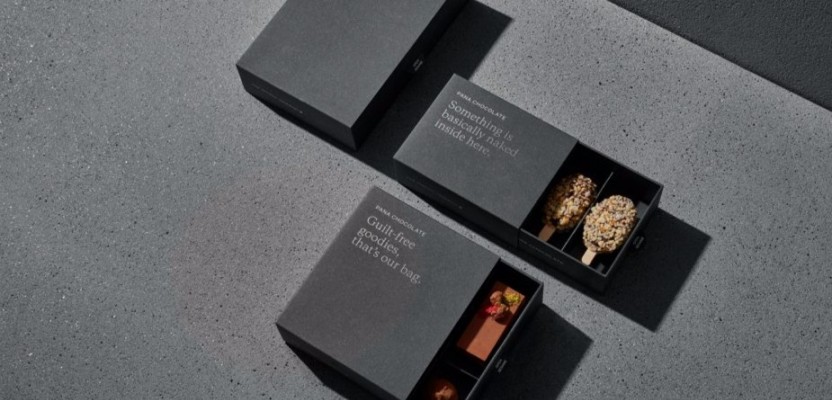

Minimalism: “Design or style in which the simplest and fewest elements are used to create the maximum effect.” Minimalism began in 1960, across the arts, music and fashion. The art style is a result of restraint in design – minimalism is about keeping design under control and removing superfluous design elements and leaving the essentials, allowing the consumer to be enticed to the important information or leaving them wanting more.
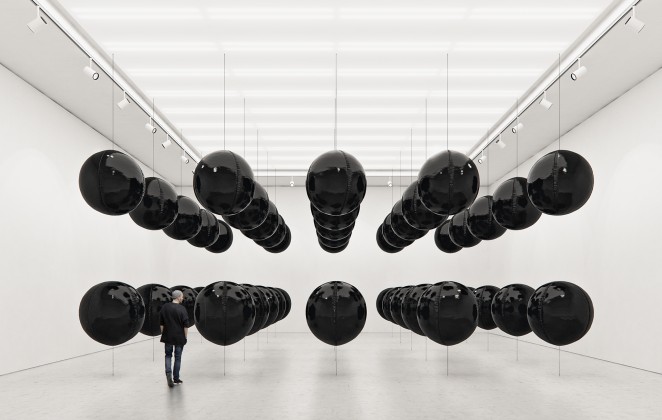
Minimalism is a trend that has stayed and evolved and being more apparent across one industry at a time. We look at the stages that need to be considered when branding a minimalistic product, service or brand.
Design
The visual aesthetic of a product or service is the main element between the consumer and brand. Minimalistic designs require a thoughtful design process, where detail has to be the important factor when deciding upon the elements to be included. To achieve a minimalistic design, there has to be a basic design that focuses on balance, negativity, colour schemes and typography, to allow a brand to be labelled as minimal. Visually, minimalism works as it removes the unnecessary items that get added during the design stage. The aim of a visual product is to attract the user but also gain consumer loyalty, minimal designs achieve this quicker as there is less to remember and the consumer can reconcile the product or service quicker.
Consumer
Consumers desire connections, to achieve a connection through a product or service - the visual branding of a product or service must be a design that the consumer is looking for. Minimalism is a design style that connotes; luxury, quality and emphasises function. When designed and done correctly, minimal designs emphasise the brand and products core elements, such as the functions, type and overall design. As of the digital age and being able to access a wide range of data in milliseconds - consumers gain gratification by having an emotional reaction or when they are left guessing by the design of a product or service. provoking these actions in a consumer makes a brand more memorable, resulting in gaining consumers and profit.
Consistency
Minimal design allows brands to remain consistent. Logos, typography and colours should remain consistent as a brand develops, as well as their tone of voice and marketing output. In doing so, brands can achieve a stronger brand presence and be known for a product or service style that consumers expect and grow to desire. A key example would be Apple, minimalism is their brand strategy. From their products to their designs across services and marketing – minimalism is a style they have kept and achieved success from. Customers want the latest products from Apple, as they have trust in the previous design and know it will be similar with enhanced features and a minimal design that focus on function.
Minimalism done well achieves great success; the key factors that influence a minimalistic design are:
Less is more:
Only use the essentials elements, reduce any unnecessary clutter that isn’t needed to communicate to the consumer or doesn’t help the product or service function.
Space and colour:
Don’t be afraid to use colour and space. But use it wisely, colours should be chosen to complement and work with one another and space should be used but not cluttered, or be a feature of the design.
Typography:
The minimalistic design aim is for a product or service to be communicated effectively, therefore typography should be a core factor in the design process. Readability and legibility should be the key focus.
We regularly write blogs, within the realms of; branding, UX & technology. To read more, check out our website – www.noiragency.com/thoughts
Follow us on Twitter: @Noiragency