

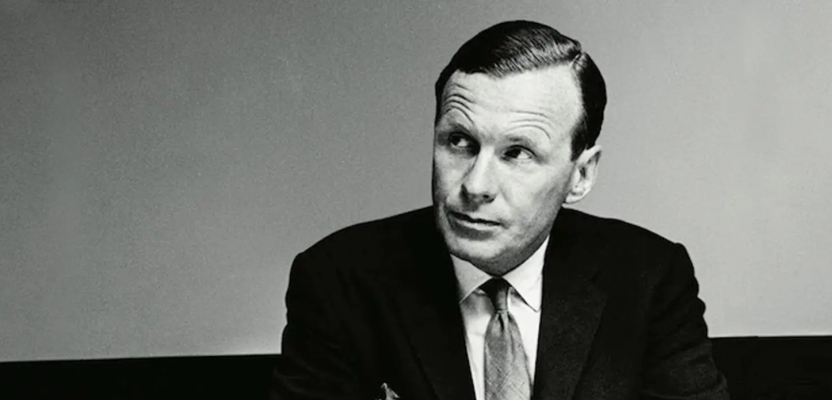

The history of advertising is full of loud campaigns, flashy slogans, and enough self-mythologising to wallpaper half of Soho. But the famous advertisers who genuinely changed the industry did something more difficult than making noise. They altered how advertising itself worked. They changed the relationship between words and images, between brands and culture, between commercial craft and public imagination.
That’s what separates a recognisable name from one of the true advertising leaders. The real greats do not simply make successful ads. They reshape the standards everybody else has to work to. Any serious conversation about the top 10 advertising legends or the most influential famous people in advertising has to start there.
That influence can take different forms. Sometimes it comes through a piece of copy so sharp it becomes part of everyday language. Sometimes it arrives through a new creative structure inside the agency. Sometimes it comes from a campaign that shifts an entire category’s tone. And sometimes it comes from directors and creative leaders working now, whose sense of image, rhythm, comedy or spectacle changes what modern commercial filmmaking looks like.
The advertisers who changed the industry did something more difficult than making noise
Advertising history is not a neat parade of old Madison Avenue heroes followed by a digital afterthought. It is a longer relay race, with each generation inheriting certain tools, rejecting others, and building new ways of making brands felt in public.
Remi Danino, Co-Founder and Director at Dissidence Productions, is especially alive to that newer end of the conversation. He points to Ian Pons Jewell, Marek Partyš and François Rousselet as directors with “an incredible sense of craft and a distinct visual language that is entirely their own,” adding that what impresses him most is the way they stage comedy inside commercial films without sacrificing cinematic quality.
That’s an important point, because one of the clearest ways influence now travels through advertising is not just through slogans or strategic frameworks, but through formal language. Certain directors change what brands think a commercial can feel like. Certain creative leaders change what agencies think it’s worth fighting for.
So rather than flatten this into a museum tour, it is better to ask a more useful question: who are the figures whose ideas, campaigns, methods and standards still live on in the work? That produces a more interesting list, and a more useful one too.
What Makes an Advertiser Truly Influential?

Bray Leino
Influence in advertising is often misunderstood as fame plus awards plus a nice line in conference quotes. Real influence is harsher than that. It means changing behaviour beyond your own portfolio. It means other people start writing differently because of you, art directing differently because of you, structuring teams differently because of you, briefing differently because of you, or judging quality differently because of you. Bill Bernbach is one of the clearest examples because his most enduring contribution was not a single campaign but a structural creative shift: he elevated art directors as genuine co-creators alongside writers, helping redefine how agency creative teams worked.
A truly influential advertiser also tends to have work that escapes the campaign itself. David Ogilvy’s reputation was built not only on famous ads, but on a broader philosophy of research-driven persuasion, disciplined selling and brand character that still shapes how people talk about effective advertising. His standing is reflected in both the US Advertising Hall of Fame and the wider business canon around him.
David Ogilvy’s reputation was built on a philosophy of research-driven persuasion, disciplined selling and brand character
There is usually a cultural dimension too. George Lois mattered because he showed that commercial design and editorial provocation could collide in public with real force. MoMA notes that from 1962 to 1972 he changed the face of magazine design with his Esquire covers, using graphically concise but conceptually potent images to provoke debate on politics, race, war and culture. That is bigger than ad craft. It is public imagination being redirected by someone with a sharper visual brain than the room around him.
And finally, influence often involves a kind of transmissibility. The best advertising figures leave behind not just admired work, but reusable principles. Ogilvy left lessons on research and selling. Bernbach left a modern creative structure. Leo Burnett left brand-character populism. Mary Wells Lawrence left an example of theatrical, emotionally alive brand transformation. Dan Wieden left not only “Just Do It” but a broader model of bold, culturally ambitious agency independence.
The Famous Advertisers Who Defined Modern Advertising
Leo Burnett
If one had to sketch the modern canon quickly, David Ogilvy would be impossible to omit. He remains one of the most cited figures in advertising because he fused salesmanship, research and memorable brand theatre more cleanly than almost anyone else. The Creative Hall of Fame notes his 1977 election to the US Advertising Hall of Fame, while his books and agency philosophy helped codify an approach to advertising that refused to separate charm from commercial discipline. He was not simply a copy stylist. He was one of the people who made it intellectually respectable to argue that good advertising should sell and seduce.
Bill Bernbach belongs alongside him, though for slightly different reasons. Bernbach did not merely make great ads. He helped detonate the old hierarchy in which copy and art were too often treated as separate lanes. He revolutionised advertising by making visual imagery central and elevating art directors into true creative partnership with writers. That sounds obvious now, which is exactly the point. Many of the industry’s most basic assumptions feel obvious only because someone fought to make them so.
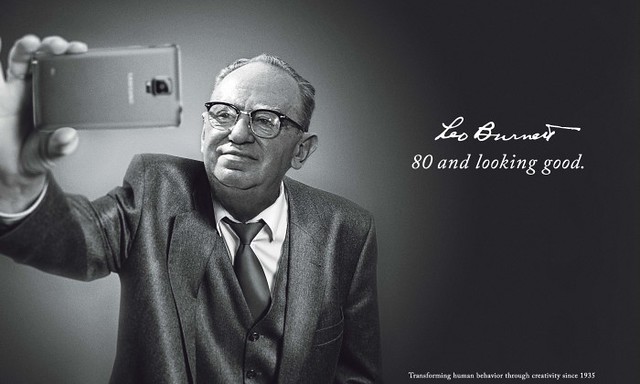
Leo Burnett represents another essential tradition: the creation of populist, emotionally legible brand worlds. He founded the Leo Burnett Company in 1935 and created enduring advertising characters such as the Jolly Green Giant and the Marlboro Man. Burnett’s particular genius was understanding that brands often become culturally durable not through abstract positioning language, but through characters, symbols and familiar narrative feeling. He made brands easier to retrieve from memory. That is not a trivial skill. It is half the business.
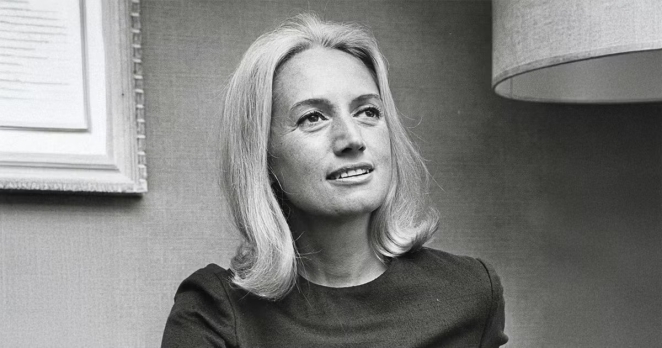
Mary Wells Lawrence changed the industry in a way that still feels startlingly modern
Mary Wells Lawrence changed the industry in a way that still feels startlingly modern. She founded Wells Rich Greene in 1966 and her works speak for themselves, with iconic campaigns such as Benson & Hedges’ “Disadvantages” and Alka-Seltzer’s “I can’t believe I ate the whole thing” under her belt. WRG became known for campaigns including Alka-Seltzer’s “Plop, Plop, Fizz, Fizz,” Ford’s “Quality Is Job One,” and the hugely influential “I ♥ NY.” More than the slogans themselves, though, Wells Lawrence mattered because she brought drama, style and theatricality to brand transformation, while also breaking through an industry still largely structured around male power.
Shirley Polykoff deserves more space in these conversations than she often gets. She coined Clairol’s “Does she or doesn’t she?” in the mid-1950s, and the campaign did more than sell hair colour. It helped normalise it. That is a remarkable example of advertising not just reflecting culture but altering the social acceptability of behaviour. In other words, Polykoff did what the best advertisers do: she found the real barrier to category growth and wrote directly through it.
Then there is George Lois, who always felt too combustible to fit comfortably into polite industry history, which is part of why he still matters. His Esquire covers sit slightly outside orthodox advertising, but their influence on visual communication is undeniable. Her graphically concise yet conceptually potent work proved that compression could be louder than clutter.
Classic Advertising Leaders Who Built Iconic Brands

Mary Wells Lawrence
If the previous group helped define the grammar of modern advertising, the next question is which campaigns made these figures impossible to ignore.
Ogilvy’s legend is attached to a string of print work that still gets taught because it understood intrigue better than most advertising today. Hathaway shirts, Rolls-Royce, Dove: the specific products mattered, but the larger lesson was about disciplined persuasion. He understood that detail, tone and one sharp dramatic hook could make even a fairly static print ad feel alive. His enduring reputation comes from proving that research and imagination were not enemies.
Bernbach’s legacy is inseparable from the Volkswagen revolution, especially “Think Small” and the wider DDB era that made humility, wit and visual restraint feel more powerful than the category’s usual hard sell. His importance lies not only in those campaigns but in the creative system that made them possible. The campaign changed tone, yes, but Bernbach also changed authorship inside the agency.
Leo Burnett’s work built brand mythology at scale
Leo Burnett’s work built brand mythology at scale. Characters like the Jolly Green Giant and Marlboro Man became larger than their campaigns because Burnett understood that recurring symbolic figures could turn product familiarity into cultural familiarity. He wasn’t just making ads. He was building memory devices.
Mary Wells Lawrence’s campaigns mattered because they made brands feel eventful. “The End of the Plain Plane” for Braniff, “I ♥ NY,” the Alka-Seltzer work, the Benson & Hedges campaigns: these were not timid pieces of tidy persuasion. They felt alive, a little glamorous, and willing to court attention. That kind of theatrical ambition has influenced generations of creatives who don’t want brand work to feel like administrative communication.
Dan Wieden belongs here too because “Just Do It” became one of the rare lines that transcended its campaign origins and entered everyday culture. Wieden+Kennedy notes the agency’s founding in 1982, and both Creative Review and the 4As trace Dan Wieden’s authorship of the Nike line that launched in 1988 and helped expand the brand beyond elite athletes. This was not just a slogan. It was a worldview compressed into three words. That is why it endured.
Modern Advertising Figures Changing the Industry Today
The temptation with a topic like this is to end the story in the late 20th century and quietly imply that all the really important people are dead, published, or already on a tote bag somewhere. That would miss what influence looks like now.
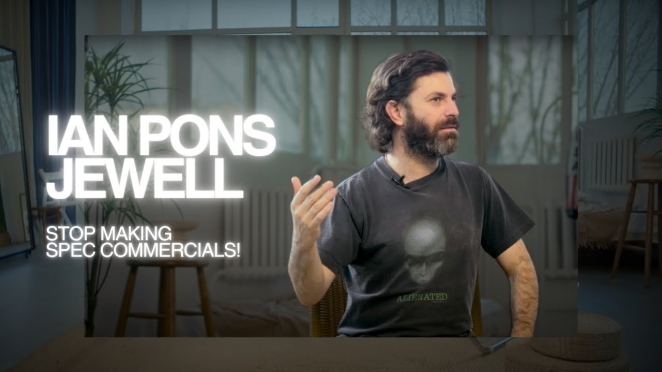
Danino’s choices are a strong corrective. Ian Pons Jewell, for instance, has become one of the most recognisable formal influences in commercial direction over the last decade. Creative Review described him as adland’s go-to for the offbeat and outstanding, while Cíclope called him one of the top commercial directors worldwide and noted major recognition including a Cannes Lions Grand Prix and repeated Televisual number-one rankings. His official site shows recent work including Revolut’s Money Possibilities, the film Danino singles out for its ability to build multiple worlds around a single emotional truth.
Danino’s read on that film is telling: Pons Jewell “always manages to transport us into a different universe with every film,” and his “mastery of transitions to evoke emotion is flawless.” That sounds about right because Pons Jewell’s influence is not just about pretty imagery. It is about proving that commercial filmmaking can be surreal, emotionally elastic and formally daring without losing the brand thread. He has helped expand the range of what mainstream advertising feels allowed to do.
Marek Partyš represents a slightly different strain of influence: absurdist comedy delivered with serious craft. His official site shows the Mana work Danino highlights, and broader profile material describes a director recognised at Cannes Lions, D&AD, Clio, Epica and Ciclope. Danino calls the Mana campaign’s off-beat tone “the ultimate form of advertising,” which is a revealing phrase. Comedy is notoriously difficult in brand work because it so often collapses into mugging or smugness. Directors who can make weird, precise humour feel cinematic rather than disposable end up influencing a lot of people very quickly.
Ian Pons Jewell has become one of the most recognisable formal influences in commercial direction over the last decade
François Rousselet, meanwhile, is one of those directors whose graphic intelligence is almost impossible to mistake. Rousselet is a major force in commercials and music videos, with a body of work marked by bold composition, colour control and a taste for reinvention. Danino points to Rousselet’s Fila campaign as a piece that borrows from Wes Anderson’s cinematic language while using texture, framing and colour to make the clothing sing. Whether in music videos or brand work, Rousselet’s influence comes from treating visual style as narrative force rather than surface gloss.
Danino’s final example is not a director but a creative leader: Antoine Choque, Executive Creative Director at BETC, whom he describes as a continuing source of inspiration and mentorship. Danino’s admiration is less about résumé worship here though than about appetite. What he values is Choque’s continuing “hunger” to make great films and push powerful ideas through high craft, even after a long career. That may be the most useful definition of a modern advertising leader: someone whose standards remain contagious.
Simon Manchipp, Founder at SomeOne, makes a strong case for adding Darren Bailes to any serious conversation about modern influence: “Darren Bailes. The man is a hit factory. At VCCP, he’s been the quiet architect behind more cultural landmarks than people realise. He understands the ‘populist’ pulse better than anyone—taking big, brave ideas and making them feel like they’ve always been part of the furniture. He doesn't just make ads; he makes things people outside of the mad ad bubble actually talk about in the pub.”
It’s a smart read on why Bailes matters. VCCP’s own account of his work runs from Compare the Market and O2’s “Be More Dog” to Nationwide’s spoken-word platform and Cadbury’s more recent emotional repositioning, which is another way of saying that his influence has often been felt through campaigns that entered public conversation without ever seeming too pleased with themselves. That ability to make brave work feel broadly, almost suspiciously, popular is rarer than the industry likes to admit.
Why These Advertising Legends Still Matter Today
Alaa Darwish
Because the problems they solved have not gone away.
Brands still need distinctiveness. They still need memorable language. They still need visual systems strong enough to survive clutter. They still need people who know the difference between craft and decoration, between persuasion and noise, between a campaign thought and a proper brand platform. Ogilvy still matters because too much advertising still forgets to sell. Bernbach still matters because too much work still separates concept from execution. Wells Lawrence still matters because too much brand communication is terrified of flamboyance. Wieden still matters because a line with real emotional voltage still beats a deck full of vague ambition.
The newer figures matter for a related reason. Advertising is increasingly made in conditions that punish attention spans and reward sameness. In that environment, directors and creative leaders who protect formal ambition become disproportionately important. Pons Jewell, Partyš, Rousselet and people like Choque matter because they keep reminding the industry that commercial work does not have to be flattened into content-shaped mush. It can still have point of view. It can still be funny, cinematic, textured, surprising.
What You Can Learn from the World’s Top Advertisers

Microsoft
First, that influence usually starts with clarity. The greats know what they believe about advertising. Ogilvy believed in research and selling. Bernbach believed in the creative marriage of word and image. Burnett believed in populist emotional symbolism. Wells Lawrence believed brands could be transformed through theatrical imagination. Wieden believed a line could become a cultural operating system. The current directors Danino admires all believe that commercial craft need not be compromised to be effective.
Second, that great advertising rarely comes from trying to sound like advertising. Bernbach’s wit, Lois’s provocation, Wells Lawrence’s theatricality, Wieden’s compressed motivation, Pons Jewell’s surrealism, Partyš’s absurdity, Rousselet’s graphic boldness: all of them feel like authored responses to the brief, not pre-approved category wallpaper.
The best advertising leaders are remembered because they made the era move
Third, that influence depends on stamina. One good ad can make a reputation. It takes years of repeated sharpness to change the industry’s direction. That is why Danino’s admiration for Antoine Choque’s continued ambition feels so relevant. The hunger matters. The standards matter. The willingness to keep pushing the work matters.
Ultimately, the most useful takeaway is that the best famous advertisers and advertising leaders are not remembered because they mastered the mood board of their era. They are remembered because they made the era move. That is what puts somebody beyond a list of famous names and into the conversation about the real top 10 advertising legends. The most influential famous people in advertising leave behind more than campaigns. They leave behind better questions, higher standards, and a body of work that keeps irritating the rest of the industry into trying harder.