
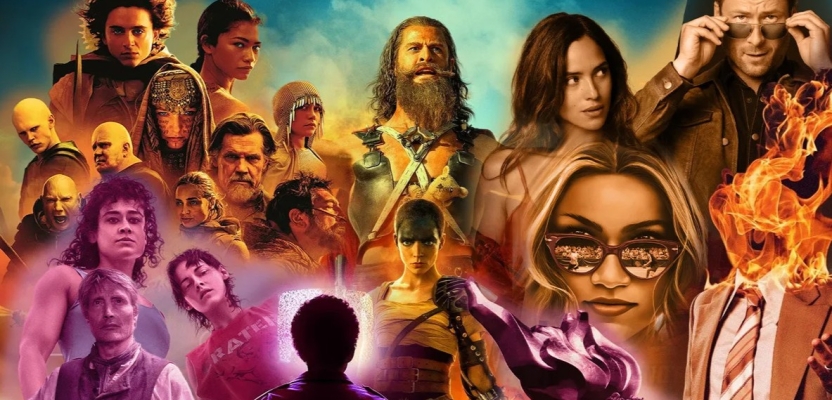

It’s no secret that the cinematic landscape is continually shifting. These days, we might wonder if Hollywood as we know it is dead for good.
As an avid filmgoer who’s been a regular at my local cinema for the past five years - it’s undeniable. There has indeed been a quiet and slow shift in activity at the cinemas. But is this because films these days are inherently bad, or is it just a shift in culture?
The summer of disappointment
The summer of 2024 was tough for Hollywood, with a bunch of high-profile movie flops. Films that studios banked on to dominate the box office came up short - both in reviews and revenue. This wasn’t a one-off problem, though. It felt like part of a bigger issue, with a few key factors contributing to these failures.
First off, audiences seem tired. The market is flooded with sequels, reboots, and franchise extensions, leaving moviegoers feeling burnt out. When every summer release is part of a larger cinematic universe or a remake, the impact of each film gets diluted. Even diehard fans are showing signs of franchise fatigue.
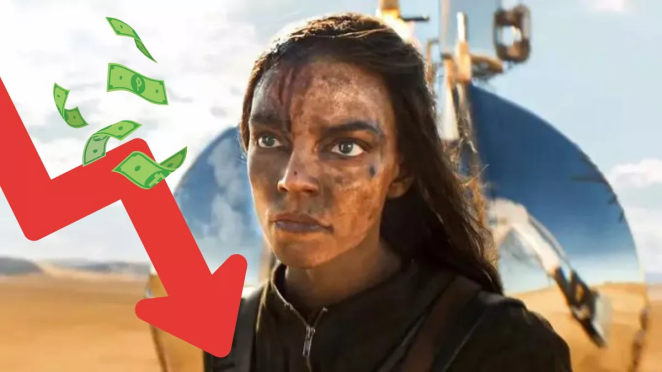
Combine that with ballooning production costs, and it’s clear why studios are feeling the pinch. Making a blockbuster is more expensive than ever, and the financial stakes are huge. If a film flops, the losses are significant. In many cases, this pressure has led studios to play it safe, sticking to well-worn formulas rather than risking something new and original.
Marketing has also been a stumbling block. Even well-made movies can’t find an audience if they’re poorly promoted. Traditional marketing approaches seem out of sync with today’s digital world, where viral buzz or a strategically timed trailer can make or break a film’s success. The lesson is clear: it’s not enough to just make a good movie; you have to find innovative ways to get people excited about it.
The streaming game-changer
As theatres struggle, streaming platforms are thriving. Services like Netflix, Disney+, and Amazon Prime have changed not just how we watch movies, but how they’re made. It’s no secret that streaming has given people the ability to watch almost anything they want from home, whenever they want. This convenience is hard to compete with, especially when the alternative is driving to a cinema, paying high ticket prices, and sitting through 20 minutes of ads.
It’s not just our consumption habits that have shifted - streaming is changing the economics of filmmaking. These platforms are pumping huge amounts of money into original content, creating high-quality shows and movies at a fraction of the cost of traditional Hollywood productions. They’re also often willing to take risks that studios won’t. Since streaming platforms don’t rely on box office returns, they’re more open to experimental or niche projects.
Changing tastes and tough choices
Audiences today are more selective about what they watch. They’re looking for fresh perspectives and stories that break away from the typical Hollywood formula. Diversity, authenticity, and originality are in demand, and films that deliver these elements are the ones that stand out. The days of audiences flocking to theatres just because a movie has a big name or massive special effects are fading.
At the same time, the cost of going to the movies has continued to rise. Between ticket prices, snacks and drinks, and the hassle of getting to the cinemas, many people are opting to stay home. Streaming offers a cheaper, more convenient alternative, and it’s hard for cinemas to compete.

In response, some cinemas are upping their game with membership programs, luxury seating, and dining experiences. But for many, the traditional theatre model is losing its appeal - especially when compared to the cost-effectiveness of streaming.
This shift is creating space for niche markets to grow. Big-budget blockbusters may be struggling, but smaller films aimed at specific audiences or genres have a chance to thrive. As Hollywood reorients itself, there’s potential for more targeted content to succeed, particularly in genres that have been overlooked by broader blockbuster strategies.
What’s next for big-budget films?
Studios are starting to realise that clinging to the old blockbuster model won’t work forever. They’re experimenting with new approaches, whether that’s hybrid releases or investing in original, high-quality content that stands out in a crowded market.
The future of Hollywood might not look like its past, but that’s a good thing. The rise of streaming, along with shifting audience preferences is forcing the industry to get more creative. There’s likely to be a stronger focus on producing unique films that can cut through the noise, rather than relying on the same old formulas.
As the industry navigates these changes, Hollywood is likely to strike a balance between theatrical releases and streaming availability, giving viewers more options. While big-budget movies won’t disappear, they’ll need to offer something more than just spectacle if they want to succeed. Quality and innovation will be the key to survival.
Hollywood’s not dying; it’s growing. The road ahead will likely see a mix of the old and the new, with an emphasis on fresh, engaging stories that resonate with modern and real audiences. Hollywood time and time again has proven its ability to adapt to the times. As long as it can keep doing this, there’s no doubt it will continue to capture our attention, just like it always has.


Rob Ryan September 29th, 2024, around noon
You’ve ignored the greatest threat to cinema…myflixer and numerous pirate platforms showing films for free. This has killed revenue streams and SVOD has killed the DVD market for film studios.