



We’re stronger together. This might be a tired adage, but it rings particularly true in the post-COVID age of digital transformation, when we’ve all been siloed off into our home offices. Collaboration has long been the cornerstone of the media sector, where the interplay between brands, agencies, and creatives has resulted in some of the most innovative and memorable campaigns in history.
As the wheels of change continue to spin faster and faster, one constant is that innovation is rarely achieved in a vacuum. Creative echo chambers tend to generate nothing but tired cliches, but collaborations help us step out of our comfort zones and see the world through somebody else’s eyes.
Today, I’ll be attempting to unpack and understand the history and future of these collaborations, in the process hopefully revealing both the potential and the challenges of working across diverse entities.
A Legacy of Collaboration
Historically, collaborations in media were often centred around product placement and straightforward co-branding.
Elsa Schiaparelli x Salvador Dalí (1930s): One of the earliest and most iconic art-fashion collaborations, Schiaparelli, a pioneering fashion designer, teamed up with surrealist artist Salvador Dalí to create pieces like the famous Lobster Dress. This design, worn by Wallis Simpson, exemplified the surrealist movement's influence on high fashion, merging art with commercial fashion in a groundbreaking way. This partnership set the tone for future cross-disciplinary collaborations.

Nike x Michael Jordan (1980s): The Air Jordan line, born from the collaboration between Nike and basketball legend Michael Jordan, revolutionized both sports and streetwear. This partnership didn't just result in a product line—it redefined how athletes and brands could collaborate on long-term projects that extend beyond the sports arena. The Air Jordan brand continues to influence sneaker culture and street fashion today.
GoPro x Red Bull (2010s): In a partnership that took marketing to new heights—literally—GoPro and Red Bull joined forces to create extreme sports content. Their collaboration reached its pinnacle with the Stratos Project, in which Felix Baumgartner skydived from space, capturing the stunt on GoPro cameras. This partnership highlighted the synergy between adventure, technology, and content creation.

H&M x Karl Lagerfeld (2004): H&M’s collaboration with the legendary Chanel designer Karl Lagerfeld is another significant moment in fashion history. This high-low collaboration made luxury fashion more accessible to a broader audience. The success of this collection led to more high-end designers collaborating with fast-fashion brands, fundamentally changing how consumers engage with luxury goods.
These historic examples show how collaboration can transcend traditional industry boundaries, blending art, sport, and fashion with media, and set the stage for a future where integration goes beyond product placement, morphing into more immersive and purpose-driven partnerships.
Contemporary Collaborations: The Challenges and Triumphs
In today’s media landscape, collaboration is more complex, yet more critical than ever. The convergence of technology and content creation has paved the way for brand-studio collaborations that go far beyond traditional advertising.
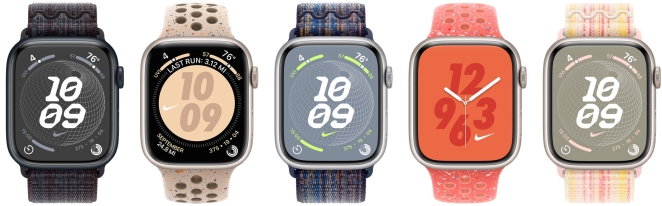
A prime example is Nike and Apple’s long-standing partnership, which began in the early 2000s by integrating Apple’s iPod into Nike’s workout ecosystem. Over time, this collaboration evolved over nearly 20 years into the Apple Watch Nike+, a collaborative release that blended fitness and technology and resonated with both brands' tech-savvy and health-conscious audiences.
Coca-Cola and Marvel’s partnership around Captain America: Civil War, meanwhile, extended across TV ads, limited-edition collectibles, and social media, successfully merging entertainment with brand engagement.
However, the challenges of collaboration cannot be overlooked. Aligning diverse visions and maintaining creative integrity is a persistent issue. For collaborations to work, both parties must share common goals and ensure that their core values are in sync. This was exemplified by the Crocs and Minecraft collaboration, which bridged real-world and digital experiences, successfully tapping into both the gaming and fashion industries by combining expertise and aligning creative goals.
The Future: A Shift Towards Purpose-Driven Collaborations
As we look ahead, the future of creative collaborations will focus heavily on purpose-driven content and meaningful audience engagement. Consumers today expect brands to take stands on social issues, which adds another layer of complexity to partnerships. The Dove, Ogilvy, and Cartoon Network collaboration on the I’m Fine campaign highlighted the power of triangulated partnerships that tackle important social issues, such as mental health, while engaging younger audiences.
Immersive technology will also play a more significant role in the future. As seen with Lexus and Black Panther, integrating technology within content, like virtual reality or interactive elements, creates richer consumer experiences. Such partnerships will continue to expand as media companies and brands explore new ways to engage with audiences through emerging technologies.
The history and future of creative collaborations in the media industry underline both the immense potential and the innate challenges of such partnerships. When executed thoughtfully, with clear goals and complementary strengths, these collaborations can lead to groundbreaking campaigns that captivate audiences, drive results, and push creative boundaries.
However, achieving this requires clear communication, a shared vision, and a deep understanding of both the audience and the creative process. As technology continues to reshape the industry, future collaborations will likely be more immersive, purposeful, and cross-disciplinary—offering endless opportunities for innovation.