

When I was growing up, the animation world was dominated by two giants: Disney and Warner Bros. Most of what we saw back then was, for want of a better word, slapstick, think Tom and Jerry, Road Runner, Bugs Bunny. Don’t get me wrong, these were brilliant for their time, Bugs is still one of the coolest characters ever created, but the focus was rarely on depth of story or character.
As the medium has evolved, so has it's storytelling. Animation has became far more nuanced, capable of exploring complex ideas and emotions. Unbound by the limits of the physical world, animators find themselves with an infinite canvas, one constrained only by imagination. Not only can a character do whatever they want, but animators can create whole new world's, settings and dimensions.
There’s a fluidity and dynamism to animation that sets it apart and gives it a wider scope when it comes to translating imagination into image. It’s an artform that has come a very long way from the early days of simple shorts and Saturday morning serials. What began as a novelty for children has evolved into one of the main cornerstones of modern media.
Today, animated series tackle complex themes, attract audiences of all ages, and often outshine their live-action counterparts when it comes not only to creativity, but to cultural influence.
Here, I’ll be celebrating some of the greatest animated series of all time, exploring what makes each special from a creative perspective and how they’ve shaped the fabric of popular culture.
Looney Tunes (1930)
It all started with a wascally wabbit – specifically, Bugs Bunny and a merry band of animated pranksters who defined American cartoon comedy. Looney Tunes began as a series of theatrical shorts in 1930 and introduced the world to timeless characters like Bugs, Daffy Duck, Porky Pig, and more.
These wildly expressive, comical cartoons pioneered the Golden Age of American animation under visionary directors like Tex Avery and Chuck Jones, whose inventive gags and comic timing became the gold standard for irreverent cartoon humour. The franchise itself has grown into one of the highest-grossing media franchises of all time, spanning TV series, films, comic books, and even theme park rides.
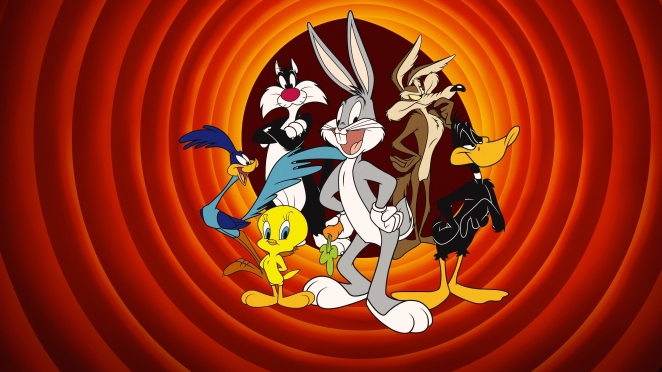
Bugs in particular transcended the screen to become a bona fide cultural icon (he even has a star on the Hollywood Walk of Fame). Looney Tunes’ legacy lives on in every animated comedy that embraces zany characters after nearly a century, it’s still “That’s all, folks!” with a wink and a grin.
It might not have the touchstone relevance of Disney, but it was certainly more inventive and while Disney’s televised serials have always felt relatively “safe,” the Looney Tunes felt more anarchic, more honest and more fun.
The Simpsons (1989)
If one show can be credited with elevating animation to primetime prominence, it’s got to be The Simpsons. Debuting in 1989, this satirical sitcom about the misadventures of a suburban family in Springfield quickly became a cultural phenomenon. Creators Matt Groening, James L. Brooks, and Sam Simon crafted a show that combined sharp parody of American life with endearing (if dysfunctional) family dynamics.
In its early 1990s heyday (known among fans as “The Golden Years,” The Simpsons was universally acclaimed. Time named it the 20th century’s best television series and it has since become the longest-running American sitcom and animated series ever, with over 30 seasons and counting.
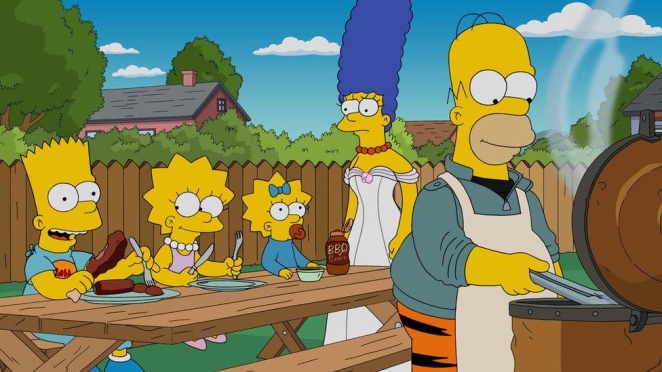
Creative and genuinely funny writing and an unforgettable cast of characters allowed The Simpsons to lampoon everything from politics and pop culture to religion and the human condition. It’s the show that launched a thousand memes and effectively created the idea of “adult animation”, at least as far as the mainstream was concerned.
While you’d be hard-pressed to find anything post season 10 that could be called truly incendiary, the enduring influence of the show is impossible to ignore. Every series from this point onwards owes it a serious debt.
The Ren & Stimpy Show (1991)
In the early ’90s, animation took a delightfully weird turn with The Ren & Stimpy Show. Premiering on Nickelodeon in 1991, Ren & Stimpy was unlike any cartoon before it – a surreal, gross-out, boundary-pushing buddy comedy about a short-tempered chihuahua (Ren) and a dimwitted cat (Stimpy).
Creator John Kricfalusi drew inspiration from Golden Age cartoons but injected a punk sensibility: exaggerated character expressions, “grotesque close-up” visuals, and absurd, sometimes bleak humour. The result was a show that kids found hilarious (if occasionally alarming) and that many adults watched in disbelief at what this “kids’ cartoon” got away with.
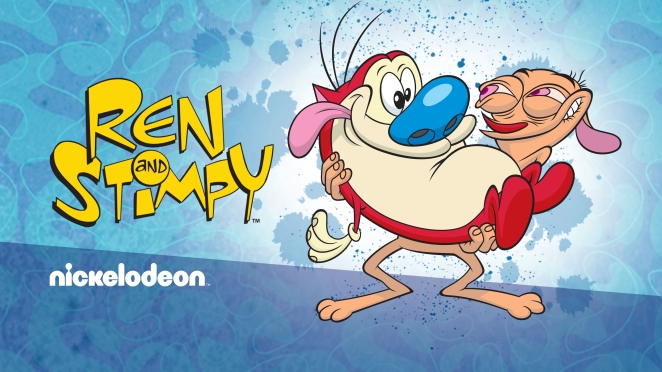
Ren & Stimpy’s creative innovation revitalized TV animation by proving that animators could break the mold of squeaky-clean Saturday morning fare and create something artistically daring and edgy. The show’s influence on the future of animation was profound. It sparked a “new golden age of animation,” as networks realised audiences craved fresh, creator-driven cartoons.
Controversial, bold, and shamelessly silly, Ren & Stimpy expanded the possibilities of TV cartoons and has rightfully earned its place as a cult classic, even with the creators now sullied legacy (Google it if you want but you’re probably better off not knowing).
Batman: The Animated Series (1992)
In 1992, children’s television got a nice dose of darkness and sophistication with the arrival of Batman: The Animated Series. This groundbreaking show, developed by Bruce Timm and Eric Radomski, wasn’t just another bland superhero cartoon. It was legitimate art. Visually, Batman: TAS introduced a striking film-noir aesthetic (often dubbed “Dark Deco”) with stylized characters and brooding backgrounds painted on black paper to capture the Caped Crusader’s shadowy world.
Narratively, it treated its audience with respect, delivering smart scripts that explored psychological depth and moral complexity rarely seen in “kid’s” animation. Villains like Mr. Freeze and Two-Face were given tragic backstories, and new characters like Harley Quinn (who first appeared on this show) became so popular they entered mainstream comics.
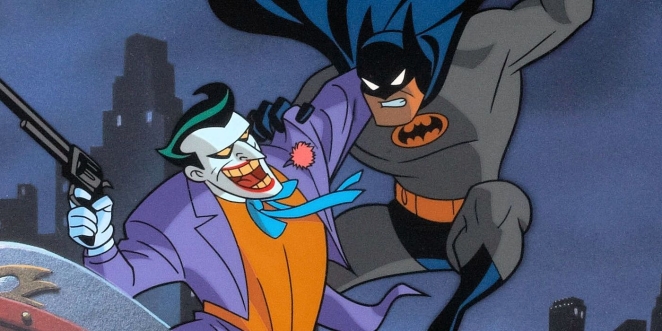
Batman: TAS was hailed as a game-changer for superhero media, proving that animated TV could handle serious, cinematic storytelling. The series earned widespread acclaim and multiple Emmy Awards for its writing, voice acting, and rich orchestral score, not to mention iconic performances from voiceover legends like Kevin Conroy and Mark Hamil. Even decades later, many fans and critics alike consider it the definitive on-screen portrayal of Batman.
Beavis and Butt-Head (1993)
Few shows encapsulate 1990s youth counterculture quite like Beavis and Butt-Head. Mike Judge’s crudely drawn duo of slacker teens debuted on MTV in 1993 and swiftly became the channel’s highest-rated show.
On the surface, Beavis and Butt-Head was gleefully stupid (two metalhead buddies snickering at fart jokes and music videos) but beneath the delinquent laughs lay a scathing satire of teen life and media consumption that arguably resonates even more profoundly 20 years later. The show held up a funhouse mirror to Gen X adolescence, skewering the very MTV culture it aired on.
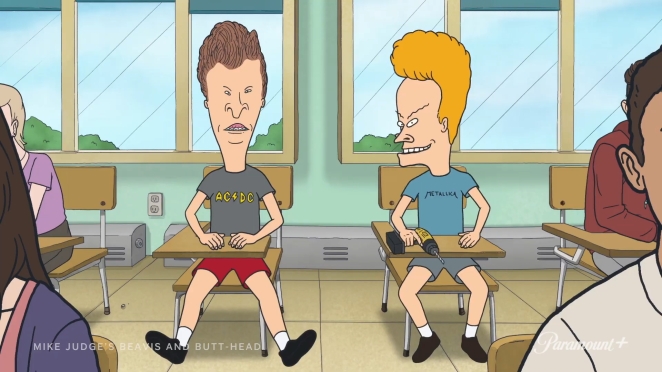
The creative genius of Beavis and Butt-Head was how it blended lewd, lowbrow humor with sly social commentary. Critics like Time’s Kurt Andersen even called it “the bravest show ever run on national television” for its unflinching portrayal of aimless youth. Certainly, the show sparked plenty of controversy (prompting discussions about TV’s influence on kids and censorship), but it also garnered praise from figures like David Letterman for being “cleverly subversive” in its critique of society.
Culturally, the show’s impact on creators was significant as well – Trey Parker and Matt Stone cite it as an influence on South Park, comparing its foundational influence on adult animation to the blues in music. Decades later, the dopey duo 90s remain icons and prove that sometimes the smartest satire comes in the dumbest of packages.
South Park (1997)
Crude, crass, and unafraid to cross every line, South Park exploded onto the scene in 1997 and promptly rewrote the rules of animated comedy. Creators Trey Parker and Matt Stone took the irreverence of predecessors like The Simpsons and Beavis and Butt-Head, then pushed the envelope further than anyone had before.
In its early days, South Park was genuinely notorious. Educational and parent groups were outraged – which only fueled the show’s popularity among young adults. Within a few episodes of Season 1, South Park became a cultural force to be reckoned with, dominating water-cooler conversations. But what made South Park endure well beyond the shock value was its incisive satire and fearless storytelling. Parker and Stone turned construction-paper cutout animation into a vehicle for razor-sharp commentary on religion, politics, celebrity culture, and social hypocrisy.
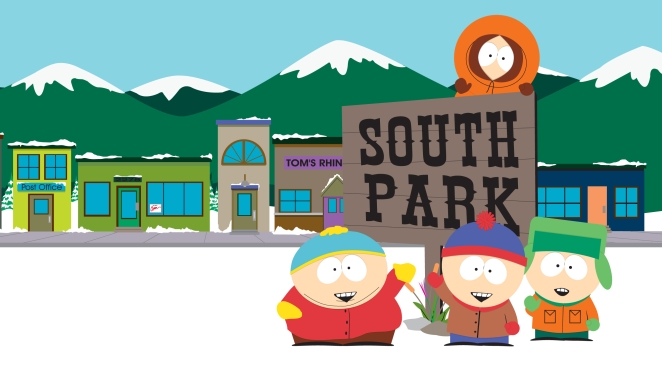
No sacred cow was left untipped – South Park has lampooned everything from scientology to political correctness, often to controversial effect. Indeed, its infamous 2005 episode “Trapped in the Closet” skewered Scientology so hard that it arguably contributed to wider public scrutiny of the church.
Creatively, the show’s unique production schedule (episodes are written and animated in as little as a week) lets it tackle current events with unmatched timeliness. This agility has helped South Park remain relevant nearly 30 years on air, as it continually “bites the hand that feeds” (even its own network) with brutal satire. You only have to watch a few minutes of the latest season and its seething portrayal of the Trump administration to know this series will never pull its punches. We’re all the better for it!
SpongeBob SquarePants (1999)
In 1999, a joyful little sponge in square pants brought a big splash of optimism and absurdity to television. SpongeBob SquarePants quickly grew from a Nickelodeon cartoon into a global pop culture phenomenon. Created by marine biologist-turned-animator Stephen Hillenburg, SpongeBob invites viewers to the gleefully weird undersea town of Bikini Bottom where a fry cook sponge and his eclectic friends embark on a manner of willfully random adventures.
The show’s genius lies in its multi-layered humour: it’s delightfully goofy for kids but laden with clever wit and even the occasional satirical strike. SpongeBob became one of the most recognisable cartoons of all time, with its titular character’s cheery laugh and pineapple house known worldwide. Creatively, the series harkens back to classic cartoon slapstick while also carving out its own surreal identity in a manner not seen since Ren and Stimpy.
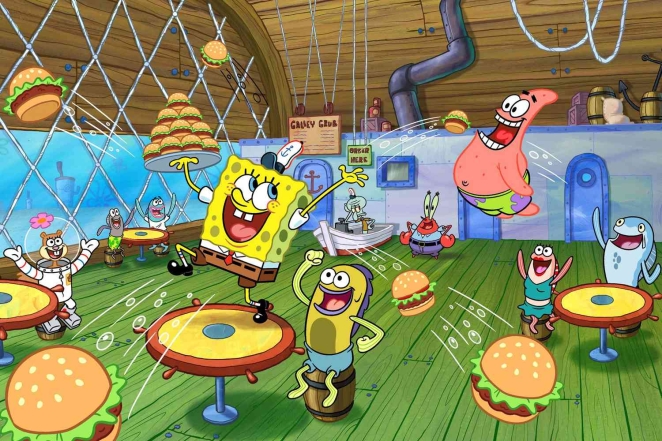
The influence of SpongeBob SquarePants on popular culture is enormous. Not only did it rejuvenate Nickelodeon’s flagging fortunes in the early 2000s, but it spawned blockbuster movies, a Tony-winning Broadway musical, and a merchandising empire. But perhaps SpongeBob’s most unexpected legacy is his dominance of internet culture. Memes based on SpongeBob scenes and expressions have become a “language” of their own on social media. In fact, SpongeBob is one of the most significant series in meme history” with more documented internet memes than even The Simpsons.
For me though, it’s the heart, humour, and absurd charm that make it what it is. SpongeBob SquarePants proved that a cartoon can be both a creative tour-de-force and a unifying cultural touchstone, beloved by toddlers, college students, and everyone in between.
Courage the Cowardly Dog (1999)
In the late ’90s, Cartoon Network introduced an unlikely hero who taught kids that it’s okay to be afraid – and sometimes very, very afraid. Courage the Cowardly Dog (debuting in 1999) stands out as a bold experiment in mixing horror and comedy in an animated series.
The show follows Courage, a timid pink dog living with an elderly couple in the “middle of Nowhere,” as he faces a parade of monsters, demons, and paranormal perils to protect his oblivious owners. Created by John R. Dilworth, Courage dared to venture into territory usually reserved for adult thrillers: creepy supernatural stories, psychological horror, and visual surrealism – all packaged in a show ostensibly “for children.”
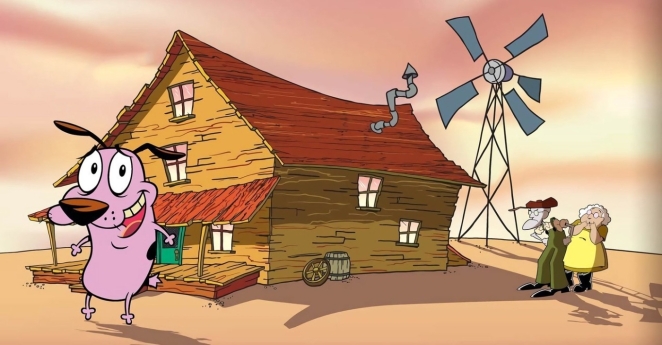
Dilworth drew inspiration from the likes of Salvador Dalí for bizarre imagery and Tex Avery for elastic cartoon physics and episodes featured a mashup of animation techniques (from traditional 2D to CGI and even live-action clips) heightening the sense of unease when something otherworldly invades Courage’s world.
The series pushed the boundaries of children’s programming, and its influence can be seen in later “kids” cartoons that weren’t afraid to go darker or weirder (Adventure Time and Over the Garden Wall). Today, Courage the Cowardly Dog is fondly remembered as a cult classic – an iconic purple-haired character standing in a class of his own, reminding us that sometimes the scariest challenges can be overcome with a little courage (and a lot of screaming).
Samurai Jack (2001)
Stylish, cinematic, and absolutely stunning to behold, Samurai Jack sliced through the tropes of TV cartoons when it premiered in 2001. Visionary creator Genndy Tartakovsky departed from the frenetic comedy of his earlier Dexter’s Laboratory to craft an animated epic that felt more like art-house cinema than a kids’ action show. Samurai Jack follows a lone samurai prince (simply called Jack) flung into a dystopian future by the evil shape-shifting demon Aku.
In his quest to return to the past and undo evil, Jack wanders an otherworldly landscape, helping those in need and battling Aku’s forces in balletic fight sequences. What truly sets Samurai Jack apart is its minimalist storytelling and visual artistry. Episodes often have minimal dialogue, allowing the story to unfold through imagery and atmosphere. Tartakovsky employed bold compositional techniques: split-screen sequences, long silent stretches punctuated by sudden action, and striking background designs influenced by everything from Japanese woodblock prints to ’70s kung fu films. Each frame was so carefully composed that many scenes look like moving paintings.
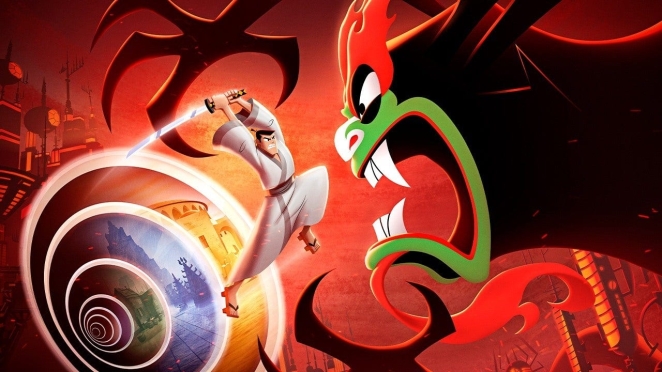
Beyond its own accolades, the show’s influence reverberates in the animation industry. Tartakovsky proved that younger audiences could appreciate slow-burn, atmospheric storytelling and that action animation could be elevated to an elegant art form. Modern shows and even films have taken cues from Jack’s dynamic direction and pacing.
After its original four-season run ended in 2004, Samurai Jack’s legend only grew, leading to a revival season in 2017 that gave the saga a more mature and decidedly poetic conclusion. Today, the series is heralded as a modern classic and a shining example of how taking creative risks in animation can produce something timeless.
American Dad! (2005)
American Dad! started life as a bit of an underdog – it arrived just as Seth MacFarlane’s Family Guy was resurrected and inevitably drew comparisons to its more famous sibling. But over time, American Dad! stepped out of Family Guy’s shadow and established its own identity as a sharp, absurdist sitcom that many fans would argue outgrew the original. I personally never really vibed with Family Guy anyway (the way they treat Meg is pretty appalling and difficult for me to look past).
Creatively, the show distinguished itself by leaning less on cutaway gags and pop-culture riffs and more on character-driven, situational comedy. Co-creator Mike Barker noted that American Dad! is “not as reference-laden as Family Guy or South Park”; instead, its humour often derives from evergreen themes of family dynamics, personal ego, and American culture. In other words, the laughs come from the characters’ personalities and relationships and with a house full of oddballs (from ultra-conservative dad Stan to hippie daughter Hayley and the marvellous hedonistic alien Roger) there’s plenty to mine.
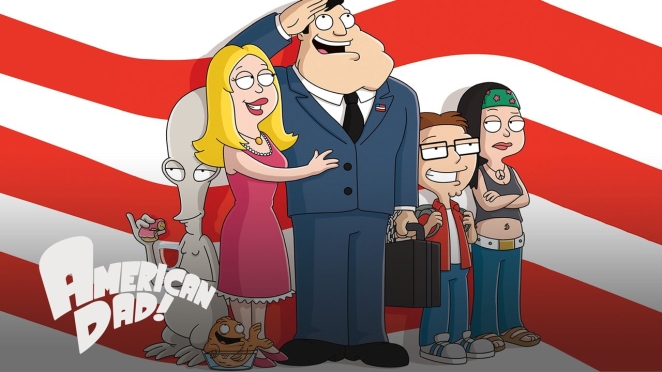
This approach gave American Dad! a certain timeless quality and allowed it to take increasingly surreal turns (like season-long sci-fi story arcs and musical episodes) without losing its core heart. Initially born from the political satire of the Bush era (Stan was conceived as “Archie Bunker with a CIA badge” in the aftermath of the 2000 election), the show proved adaptable, finding humor in both current events and farcical fiction.
While it hasn’t shaken the world like The Simpsons or South Park, American Dad! has quietly become one of TV’s longest-running animated series. It showed that sometimes the second creation can carve out its own legacy – with a killer punchline and perhaps an alien in a wig.
Adventure Time (2010)
When Adventure Time premiered in 2010, viewers were whisked away to the fantastical Land of Ooo – and television animation was whisked into a new Renaissance of creativity. Pendleton Ward’s whimsical series follows Finn the human boy and Jake, his magical shape-shifting dog, as they embark on surreal adventures across a post-apocalyptic candy-colored world.
On the surface, Adventure Time delighted kids with its silly characters (talking candy people! vampire queens!) and imaginative playfulness. But the show also captivated teens and adults with its deeper lore, emotional resonance, and willingness to explore complex themes like friendship, loss, identity, and even the meaning of life.
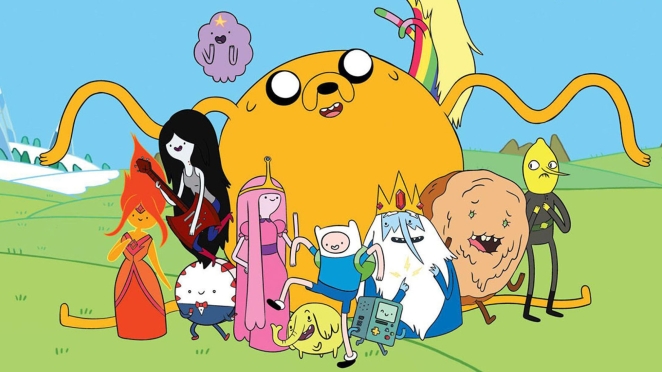
Adventure Time is often cited as a game-changer for modern cartoons – an example of how “kids’ shows” can be profound and avant-garde. Creatively, it broke rules left and right. The storytelling could be nonlinear or allegorical, the tone could swing from goofy to heartbreaking, and the art style was uniquely charming and trippy. Importantly, Adventure Time was artist-driven; many of its writers and storyboard artists came from indie comics and brought a distinctive voice. This approach helped fuel what some call an “animation gold rush” of talent – alumni from Adventure Time went on to create an array of other acclaimed series. In essence, Adventure Time mentored an entire generation of new creators, making the industry more welcoming to unconventional and diverse voices.
After 10 seasons, Adventure Time concluded in 2018 with an epic finale, but its legacy continues in spinoff series and in the DNA of many animated shows that followed. As Adventure Time taught us through its memorable journey: the fun will never end, as long as the imagination behind it is endless.
The Dragon Prince (2018)
As streaming services emerged as a new home for animation, they delivered gems like The Dragon Prince – a testament to how far animated epic fantasy has come. Debuting on Netflix in 2018, The Dragon Prince was co-created by Aaron Ehasz (head writer of Avatar: The Last Airbender) and Justin Richmond, and it carries the pedigree of its influences while forging its own identity.
Set in a richly detailed fantasy world of humans, elves, and dragons, the series chronicles an unlikely trio – human half-brothers Callum and Ezran, and elf assassin Rayla – on a quest to end a war and care for a newborn dragon. The Dragon Prince immediately earned critical acclaim for its story, themes, vocal performances, animation, and humour, appealing to both younger audiences and adults (much like Avatar did).
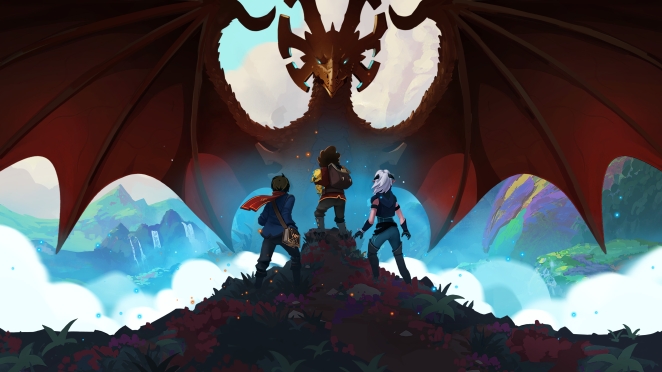
What truly elevates The Dragon Prince is its nuanced storytelling. Rather than relying on a simple battle between good and evil, the series delves into the complexity of its characters’ choices and motivations. Heroes and villains alike act from conviction, shaped by circumstance and perspective, creating a world where morality is not black and white. This emotional depth gives the series a richness and maturity that resonates well beyond its fantasy setting.
Creatively, the show blends Western animation and anime influences: it uses 3D cell-shaded animation with a painterly aesthetic and focuses heavily on deep lore and character development. What makes The Dragon Prince really special, however, is its commitment to diverse representation and progressive themes within a classic fantasy adventure. For example, one of the show’s most heroic military leaders, General Amaya, is a deaf woman who communicates in sign language and the show also features a pair of queens who are a married couple, as well as a gay elf couple.
The show’s popularity led to a quick renewal – a planned saga of seven seasons, of which five have been released as of 2024 – and even a tabletop RPG spinoff, Tales of Xadia, allowing fans to explore its lore further. By bringing a Dungeons & Dragons-level saga to the screen with humor and heart, The Dragon Prince has carved out a niche as a modern fantasy classic.
Bluey (2018)
In 2018, a little blue heeler puppy from Down Under trotted into the world’s hearts and reminded everyone that sometimes the greatest adventures are in our own backyard. Bluey, an Australian series about a playful six-year-old dog and her family, might seem an unlikely pick for “best of all time” amid so many genre-defining giants. But what Bluey has achieved in a few short years is nothing short of extraordinary – it’s been hailed as one of the best and most important children’s shows ever made, with near-universal acclaim from critics, parents, and educators alike.
So, what makes this gentle preschool show so special creatively? Bluey finds profundity in the everyday. Each 7-minute episode is a small vignette of family life – the Heeler parents, Bandit and Chilli, navigating work and chores while engaging their daughters (Bluey and her younger sister Bingo) in imaginative play.
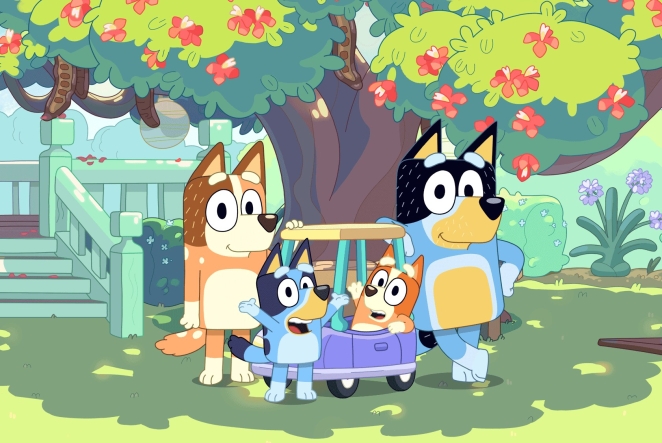
There are no villains or fantastical quests; the drama might revolve around learning to share, or pretending to be at the doctor’s office, or inventing a new game in the backyard. Yet Bluey’s brilliance is that these simple scenarios are infused with humor, creativity, and genuine emotional insight. The show celebrates the power of play as a tool for learning and bonding.
In a world of flashy cartoons and toy tie-ins, Bluey’s quiet brilliance proves that an animated series can be profound in its simplicity. By championing empathy, creativity, and family connection, Bluey has secured a spot not just as a kids’ show, but as a cultural touchstone influencing how families play and interact with each other all over the world.
Arcane (2021)
For me personally, out of all the animations I’ve seen, and all the ones included in this list, my favourites boil down to either The Dragon Prince or this remarkable piece of small-screen art. While most adaptations of games feel limited in scope or struggle to build believable characters, Arcane ripped up the rulebook and created a world, characters, and animation style that are as rich and complex as anything ever brought to any screen, animation or otherwise.
Just when it seemed we’d seen it all in animation, Arcane came along on Netflix in 2021 and left viewers around the globe absolutely breathless. Based on the popular video game League of Legends, Arcane shattered the curse of poor game-to-screen adaptations and set a new benchmark for what adult animated series could achieve in terms of visual artistry and storytelling depth.
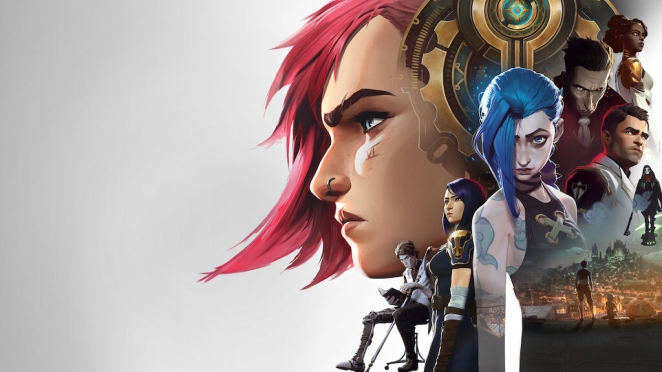
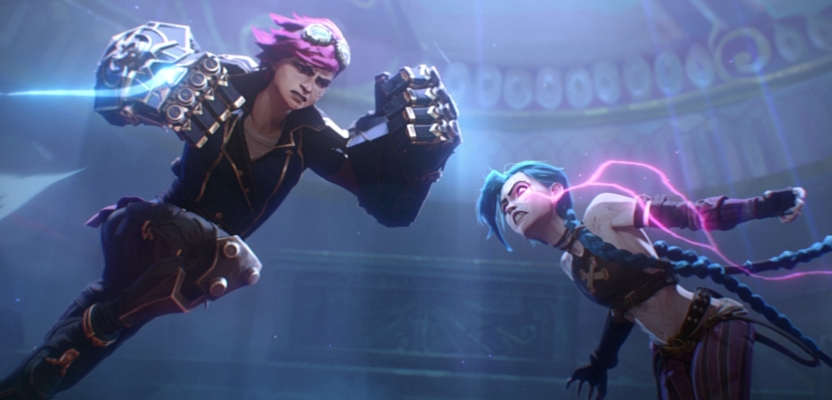
From the opening frames, it was clear Arcane was something extraordinary: the show’s art style looks like living paintings, blending 3D animation with a hand-painted aesthetic in a way that often floored viewers in sheer awe. Every frame bursts with rich colors and intricate details, capturing both the gleaming spires of the steampunk-esque city of Piltover and the grimy underbelly of the undercity Zaun.
But Arcane is far more than a pretty picture – it weaves a riveting character-driven centred on two sisters, Vi and Jinx, whose tragic paths diverge amid class warfare and magical technology. The writing is mature and emotionally charged, tackling themes of trauma, inequality, and moral ambiguity. It’s the kind of complex drama you’d expect from a prestige live-action series, delivered through animation that leverages fantastical elements and action in ways live action simply couldn’t.
Arcane is now the example every other adaptation will be measured against. It’s a masterpiece of creative vision, and its success marks a significant moment for animation’s evolution into fully respected adult drama. Not bad for a show based on a game about magical battle arenas!
Bringing Your Next Animated Vision to Life with Creativepool
If these animated series prove anything, it’s that when imagination meets craft, the result is cultural legacy. Whether it’s hand-drawn surrealism, painterly 3D environments or stylised world-building that unfolds over seasons, the right animation talent can turn a sketch into a story, a story into a universe, and a universe into something unforgettable.
That’s exactly where Creativepool comes in. Whether you’re searching for a frame-by-frame traditionalist who understands expressive movement, a CG artist who brings cinematic depth to episodic worlds, or a full-service animation studio capable of delivering long-form storytelling, you’ll find them here.
Creativepool is home to thousands of animators, illustrators, directors, motion designers, studios and VFX specialists. These are the people who turn vision into motion and make imagination tangible, one frame at a time.
Hiring an Individual Through Creativepool
There are three simple ways to connect with the best animation and motion talents for your next series, campaign or narrative brief:
1. Search and Contact
If you already know what you’re after (maybe a 2D animator for a character-led series, or a motion designer skilled in episodic world-building) dive directly into the Creativepool talent network. Browse portfolios, reels and case studies using smart filters. Creativepool’s ranking system helps you identify top professionals across disciplines, from boutique specialists to acclaimed studio leads. Once you’ve found your match, message them directly to start your collaboration. You can also browse our Top 25 creative professionals in each category to see who’s setting the standard.
2. Post a Studiogig
Need a specialist fast? Post a Studiogig. It’s the quickest way to connect with freelancers and collaborators who understand the unique rhythm of animated storytelling from episodic design and title sequences to full pilot productions. Your brief is instantly distributed to the most relevant members in the Creativepool community, with responses coming straight to you.
3. Post a Job
If you’re building an internal animation team (perhaps hiring a lead motion designer, art director or animation producer) you can post a job directly. Creativepool reviews and promotes all listings, notifies qualified candidates, and hosts your role on a Jobs Board viewed daily by top-tier creatives. You stay in control of the process (no recruiters, no middle layers) just a direct line to the people who can bring your creative world to life.
Hiring an Animation Studio Through Creativepool
If your project calls for an end-to-end animated campaign or series, Creativepool makes it easy to find, shortlist and connect with specialist studios.
Find a Studio
Use the studio search tool to explore reels, client experience and stylistic approach. Filter by animation type, tone, or storytelling technique, and discover studios behind some of the most visually striking campaigns and episodic worlds in production today. You can also explore Top 10 creative agencies by discipline to identify standout partners.
Post a Brief
Prefer proposals? Simply post your brief with your objectives and timeline. Studios that align with your vision will respond with tailored ideas and creative pitches, giving you a clear sense of fit and potential.
Need Help?
Creativepool’s team of ex-industry experts is always here to help guide your project. Whether you’re developing a short-form animated series, a branded episodic concept, or a cross-platform storytelling universe, we’ll help shape your brief and connect you with the right people fast. Chat with us live when posting your gig or get in touch via our contact page.
Because at Creativepool, we believe the next era-defining animated series is already being imagined. All it needs is the right creative collaboration to bring it to life.