

From character animation to stopmotion animation and all the different types of animation in between, there are dozens of animation techniques and unique principles of animation that set it apart in a truly special way. As a storytelling medium it can create worlds, bring ideas to vivid life and transform static imagery into something truly transcendant.
In this article, I’ll be exploring why mastering those fundamentals and treating animation as a strategic medium with its own merits and eccentricities can elevate creative work beyond the mundane and into the exceptional. Because with the right appoach and enough of a creative spark behind it, there is nothing in the world quite like animated storytelling.

TMW
Over my years of building Creativepool, working alongside agencies, brands, and some of the most innovative freelancers in the world, I’ve come to appreciate one thing above all else: the rare magic of animation.
There’s something in the way it moves. Something in the way it breathes life into ideas that no other medium quite captures. I’ve seen how the right piece of animation can elevate a brand, transform a campaign, or explain a product better than any slide deck or talking head ever could.
To me, animation deserves a central place in modern storytelling. Not as an afterthought or stylistic flourish but as a fully-fledged strategic tool. That’s what this article is about: what separates good animation from great, and why that matters for creatives, agencies, brands and the clients who depend on them.
But let’s start with the basics.
How Does Animation Work?
Animation, at it's most basic level, is the art of making still images move. By displaying a sequence of drawings or frames, the human eye fuses them into smooth, lifelike motion.
This frame-by-frame process “brings to life” whatever the animator imagines – even impossible subjects (you can’t film a real mermaid or talking mouse, but animation lets you create them). In essence, animation turns imagination into reality on screen, with the creator in full control of every element (motion, timing, expression, etc.).
Early innovators set the stage for today’s animation. The first recorded animated film was Fantasmagorie (1908) by Émile Cohl – a surreal black-and-white cartoon drawn frame by frame. Later pioneers like Winsor McCay added character and emotion: for example, McCay’s Gertie the Dinosaur (1914) featured an animated character with personality and interaction.
In 1937, Disney released Snow White and the Seven Dwarfs – the first major full-length color animated feature – proving that animation could be a commercial, storytelling medium. These milestones helped animation evolve from simple flickers of motion to a powerful storytelling art.
What Are the 4 Stages of Animation?
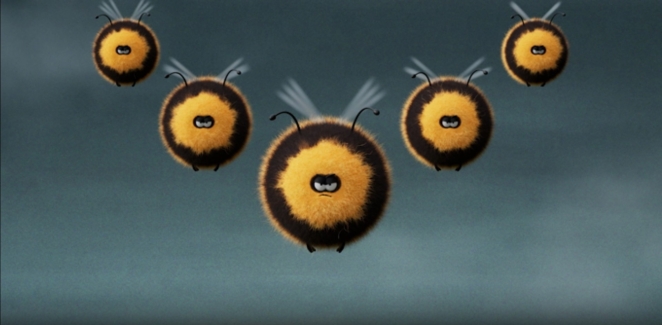
Blue Zoo Animation Studio
Creating a high-quality animation involves four main stages:
Pre-production: Idea development, script writing, and storyboarding all happen here. Artists plan characters, backgrounds and key scenes, setting the creative foundation.
Production: Animators draw or model the keyframes and fill in the in-between frames. In this stage the vision comes to life: animators create characters’ movements and scenes frame by frame.
Post-production: The animation is polished with sound design, voice acting, music, visual effects and editing. Sound effects and color/compositing are added so the visuals and audio sync seamlessly.
Distribution: The final animation is released to audiences (via film, TV, streaming, etc.). This stage is about sharing the completed work with viewers around the world.
Each stage is crucial. Proper planning and storyboarding in pre-production saves time later, while careful animation and editing in production/post-production ensure smooth motion and storytelling.
Different Types of Animation
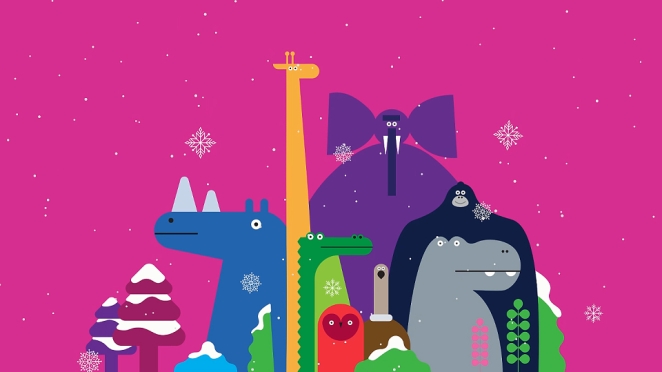
Ali Abbasnia
Animation comes in many styles and techniques. The main types include:
Traditional (Hand-Drawn) Animation: Each frame is drawn by hand on paper or celluloid, like a flipbook. This is the oldest style (used in classic Disney cartoons) and is very labor-intensive, but can produce fluid, expressive motion.
2D Animation (Vector-Based): Often computer-assisted, 2D animations use vector graphics to interpolate between poses. Animators draw key poses and software generates in-betweens mathematically, which speeds up production and ensures consistency.
3D Animation (CGI): Characters and environments are built as 3D models in software. Animators rig the models (with a virtual skeleton) and set key poses; the computer then calculates the motion between poses. This is now the most common method of animation and allows for some extremely detailed, realistic imagery.
Motion Graphics: This style animates graphic elements (text, logos, illustrations) rather than character figures. It’s widely used for title sequences, commercials, and informational videos. Motion graphics make static designs move (e.g. animated infographics or film credits) to draw the viewer’s eye.
Stop-Motion Animation: Physical objects (clay figures, puppets, cut-outs, etc.) are photographed one frame at a time. Each slight movement of the object is captured so that on playback the object appears to move. It’s a frame-by-frame process (like draw‑by‑draw) but using real-world models.
Each type has unique techniques and advantages. For example, 3D allows virtual cameras and physics, while stop-motion has a tactile, handcrafted feel. But in all cases, the same fundamental animation process and principles apply.
Character Animation
House 337
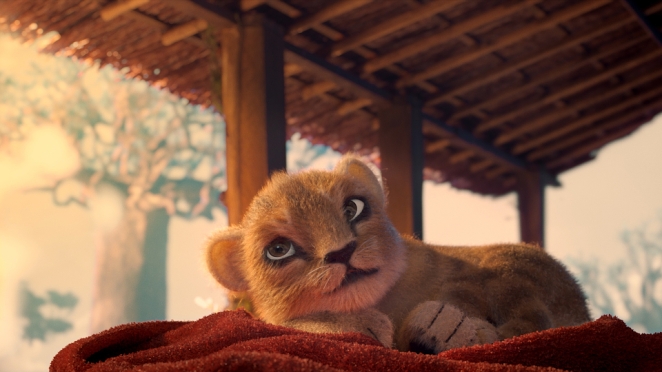
A key aspect of animation is character animation – making animated figures behave like real characters. Character animators “bring characters to life,” giving them personality, emotion and intention. It’s analogous to acting: the animator is like an “actor with a pencil (or mouse)” who must convey thoughts and feelings through movement and expressions. Good character animation makes the audience believe in the character.
Character animation also involves style and appeal: the design and motion must fit the character’s personality. Villains can be appealing too – it’s about charisma and clear expression, not just cuteness. In short, character animators use everything from body language to face animation to ensure the audience connects with each character.
Animation’s Unique Power: Motion, Emotion & Clarity
One thing I’ve always believed is that great communication is about being felt and understood. Animation has this uncanny and unique ability to do both. Unlike static imagery or live action alone, it combines movement, design, sound, rhythm and pacing into a seamless narrative experience.
I’ve watched brands simplify dense topics through motion graphics. I’ve seen animators turn complicated ideas into joyful, expressive pieces of visual storytelling. The beauty of animation lies in how it clarifies while it connects.
It makes complex things feel accessible. It allows abstract ideas to take shape and gives them personality. When done well, animation actively earns your attention and that’s a superpower every creative team should be using.
Story and Characters: The Heart of Great Animation
Ambassadors
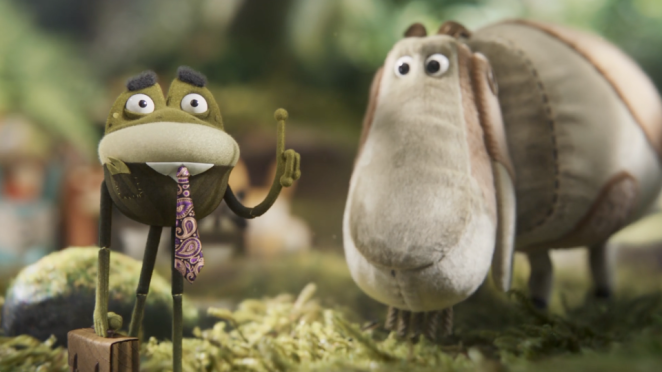
In my experience, the best animation tells a story. It doesn’t matter whether it’s two minutes long or twenty seconds. The ones that stay with you (the ones clients remember, and audiences connect with) are the ones with emotional depth.
I’ve seen freelancers build entire campaigns around a single animated character. I’ve seen micro-stories, structured with intent and care, generate more impact than a ten-page script.
Good animation always starts with the same ingredients: character, narrative, purpose. Even if it’s a quick explainer or product demo, there’s a story to be told of conflict, resolution and transformation. The teams that understand this are the ones creating animation that resonates on a deeper level.
Craft, Style & Technical Discipline: From Principles to Polish
Atomhawk
Ask any animator I respect, and they’ll say the same thing: style means nothing without craft.
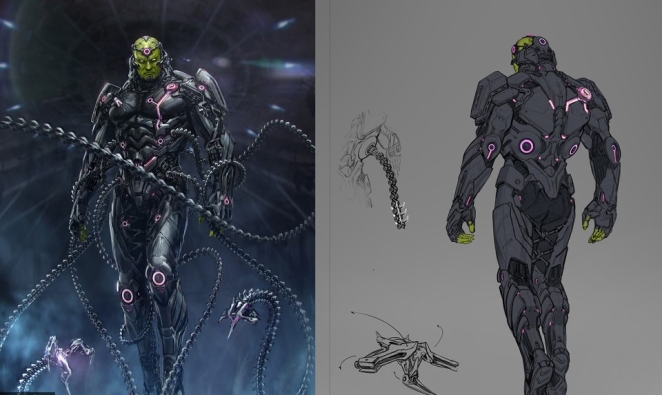
I’ve seen firsthand how the classic principles of animation (timing, anticipation, squash and stretch) still matter, no matter the software or technique. Whether it’s 2D, 3D, mixed media or pure motion graphics, what separates average from excellent is always the same: attention to detail, respect for fundamentals, and an understanding that motion has weight.
The most successful studios and freelancers I’ve worked with aren’t the ones chasing trends. They’re the ones who know why they’re making something move. Every style choice, every frame and every sound all serve the story.
If you want your animation to be remembered, don’t just focus on what it looks like. Focus on how it feels to watch.
Versatility & Purpose: Where Animation Fits in a Creative Strategy
I’ve seen animation used everywhere (from banner ads to full-blown brand films) and it always amazes me how versatile it is. It’s one of the few creative tools that fits naturally into almost any brief.
Brands use animation to humanise tech. Agencies use it to differentiate in pitches. Startups use it to explain complex products. And increasingly, I see education platforms, health companies, even charities using motion to bring abstract or sensitive ideas to life in a way that feels both empathetic and engaging.
If you’re a brand, animation gives you voice and tone. If you’re an agency, it gives you flexibility. If you’re a creative, it gives you endless ways to solve problems.
That’s the thing about animation; it’s not a niche anymore. It’s part of the toolbox, and I believe it should sit at the table from day one.
The 12 Principles of Animation
Über Agency
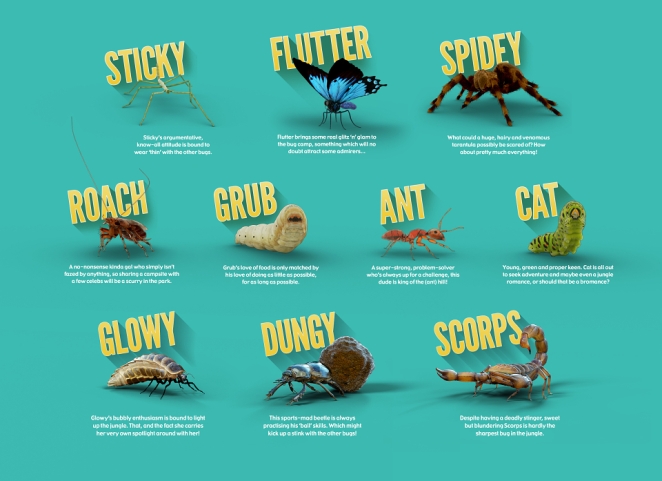
To create great animation, Disney’s animators distilled the craft into the 12 basic principles of animation. Introduced by Frank Thomas and Ollie Johnston in The Illusion of Life (1981), these principles guide animators in making motion look realistic and engaging. They ensure characters obey basic physics, have personality, and hold the viewer’s attention.
The 12 principles are:
1. Squash and Stretch
Objects deform to show weight and flexibility. For example, a bouncing ball squashes on impact and stretches as it launches. This exaggeration makes objects (or faces, bodies, etc.) feel more lifelike by emphasizing elasticity and momentum.
2. Anticipation
Preparing for an action makes movement more believable. A character might bend knees before a jump or wind up an arm before throwing. These anticipatory motions cue the audience that something is about to happen, adding realism and punch to the main action.
3. Staging
Directing the audience’s attention to the most important element. Good staging uses camera angles, composition, light and shadow so that the key action or emotion is unmistakably clear. It’s essentially cinematic framing: the animator “points” the viewer’s eye to the intended subject or mood.
4. Straight Ahead vs. Pose to Pose
Two approaches to drawing animation. Straight ahead means animating frame by frame in sequence, creating fluid, unpredictable action. Pose-to-pose means planning key frames first (the major poses) and then filling in in-betweens. Straight-ahead can yield spontaneous motion, while pose-to-pose gives better control over timing and composition. Animators often combine both methods for efficiency and precision.
5. Follow Through & Overlapping Action
After a character stops, loose parts keep moving (follow-through) and different parts move at different rates (overlap). For example, a running character’s arms and hair continue swinging after the body stops. This reflects inertia: limbs and garments “follow” the main motion and don’t halt instantly. It makes movement appear more natural and obey physical laws.
6. Slow In and Slow Out
Movements start slowly, accelerate, and then slow at the end. More frames are drawn near the beginning and end of an action, and fewer in the middle. This mimics real-world physics (objects take time to speed up and stop) and gives actions weight. For instance, sitting down involves a gradual start and finish, which is achieved by spacing frames unevenly.
7. Arcs
Most natural actions follow curved paths. Animating limbs or objects along slight arcs (rather than straight lines) creates fluid, graceful motion. For example, a throwing arm or a running leg moves in an arc. When animators ignore arcs, the result can look mechanical or jerky.
8. Secondary Action
Small additional motions that support the main action. These give a scene more life. For example, a character walking (primary action) might swing their arms, blink, or whistle (secondary actions). The key is these extras enhance the main action without distracting from it.
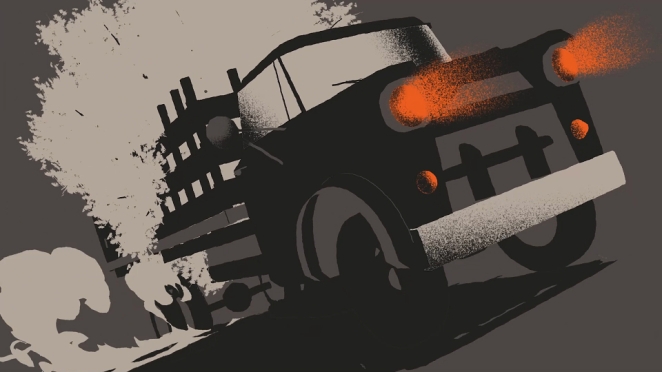
9. Timing
Leo Uehara
The number of frames for an action controls its speed and conveys weight/emotion. Correct timing ensures, for example, that a heavy object moves slower than a light one. It also sets mood: fast timing can make a character seem energetic or panicked, slow timing can make them seem lethargic or thoughtful. Good timing makes motion obey physics and feels intentional.
10. Exaggeration
Pushing motions beyond realism to make them dynamic. In animation, perfect realism can look dull, so animators exaggerate actions and expressions for impact. This could mean a bigger squash/stretch, a wider gesture, or a more extreme facial expression. Exaggeration adds style and energy – think of how Disney cartoons stretch poses for comic effect.
11. Solid Drawing
Giving characters volume and weight through solid drawing skills. Animators must understand anatomy, perspective, and lighting so that even simple sketches have three-dimensional form. Solid drawing prevents “paper-thin” or lifeless characters. For example, even a cartoon figure should have believable shading and consistent proportions, as if it existed in 3D space.
12. Appeal
Characters and scenes should be aesthetically engaging. An appealing character has strong design or charm, whether it’s a hero or a villain. Appeal can come from a cute look, a striking silhouette, or an interesting personality. The goal is to captivate the audience – if a character’s design and movement are appealing, viewers will care about them.
These 12 principles work together to make animations feel alive. By applying them, animators create believable motion (even for fantasy creatures) and compelling performances. Characters obey physics (via squash/stretch, follow-through, timing), maintain clarity (staging), and capture the viewer’s emotions (appeal, exaggeration). In short, mastering these principles is at the heart of what makes animation truly great.
The Animation Industry Today
Tonic DNA
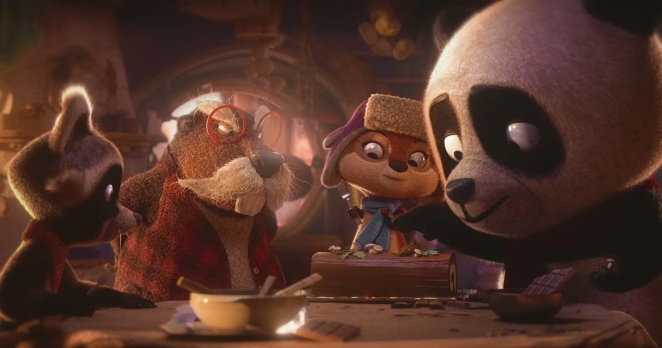
The animation industry today is massive and growing. Globally, it is valued in the hundreds of billions of dollars and projected to reach around $462 billion by the end of 2025. Animation isn’t just for kids; it powers blockbuster films, TV series, video games, educational content, advertising, and even VR experiences.
Modern studios and streaming services (Netflix, Disney+, etc.) invest heavily in original animated content, and new technology has made production faster and more collaborative. Today’s animation industry employs thousands of artists worldwide, from indie creators on YouTube to teams at Pixar and DreamWorks.
Animation’s flexibility and broad appeal have kept it growing. Advances in software mean animators can achieve more with smaller teams, while global demand for animated storytelling continues to rise. In short, animation is no longer a niche – it’s one of the most powerful storytelling formats in entertainment and media.
A Call to Creatives & Agencies
At the end of the day, I believe great animation isn’t about software or effects. It’s about intention. It’s about craft, storytelling, and emotion working together to make something feel alive.
That’s what makes the best motion work stand out: the purpose over the polish.
To anyone working in this space (creatives, agencies, brand leads, clients) I’ll say this: don’t treat animation like a novelty. Treat it like the storytelling tool it really is. Because when it's done right. It is actual magic. And when done with care and clarity, animation has the power to move people in every sense of the word.