


It’s the question hanging over every brainstorm, budget meeting, and late-night pub rant from Soho to Manhattan: will AI really make the future of creative work cheaper?
The short answer is yes. In fact, it already has.
Brands are churning out personalised ads in dozens of languages at a fraction of the cost. Production houses are swapping live shoots for AI-generated models and trimming budgets by three-quarters. Copywriters are being outpaced by machines that can hammer out a passable headline in milliseconds.
But the longer answer (the one that’s keeping agency leaders awake at night) is a little more complicated. Because while AI is driving costs down, it’s also forcing us to ask a bigger, scarier question: if everything becomes cheap, does anything still hold value?
The race to the bottom or the ladder to the top?
Let’s start with the obvious. AI is a production powerhouse.
Want 50 ad variants for 10 regions? Done. Need a video dubbed in six languages by tomorrow morning? Easy. Want to A/B test a dozen headlines without paying a junior copywriter overtime? AI will spit them out before you’ve finished your flat white.
UK regulators are already celebrating this shift, noting how AI is enabling “lower cost ad creation” through automation and hyper-personalisation. Unilever has re-engineered its entire production pipeline with generative tools, while Kimberly-Clark is experimenting with AI-driven workflows to cut costs without, they insist, cutting quality. In the US, agencies have swapped models for digital avatars and reduced live shoot budgets to just 26% of their original spend.
It’s not hard to see why procurement teams are salivating. Cheaper, faster, more efficient. What’s not to like?
When “cheaper” starts to cost us

Marta Kubicka (Marta Mak)
But here’s the rub. Creativity has never been just about volume. Flooding the market with cheap content doesn’t mean anyone will care about it.
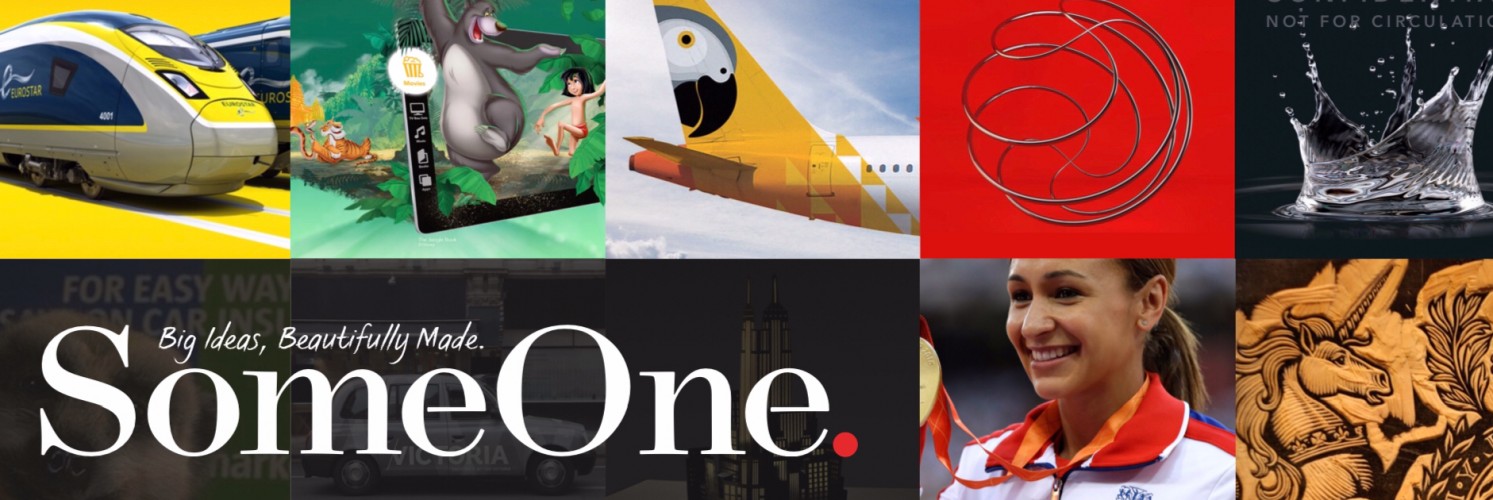
Simon Manchipp of SomeOne puts it bluntly: “Production? Yes. Ideas? No. AI makes more things, faster. But better things still cost more.”
And he’s right. AI can slice the drudge work from the production process, but it can’t yet replicate the intuition, taste and sheer bloody-minded bravery that makes a campaign iconic. You can’t prompt Midjourney to make a John Lewis Christmas ad. You can’t ask ChatGPT to invent Fearless Girl.
Fabrice Bovelli, VP at BETC, takes the warning further: “Unfortunately yes… AI will make creative output cheaper. And this is the main danger with regards to the value of creation. Art has always wrestled with its value, but AI risks creating even more confusion. Unless we address it, we’re heading for a serious battle.”
In other words, if everything becomes disposable, what’s left worth fighting for?
Lowering the floor, raising the ceiling
Adrienn Major, founder of POD LDN, offers a more optimistic take. One that’s fast becoming the industry consensus:
“AI will absolutely reduce costs in certain areas, especially around high-volume, low-touch tasks like versioning, localisation, or first-draft content generation. But cheaper doesn’t always mean better, and brands still need humans to bring taste, strategy, and emotional resonance. What we’re seeing at POD is that AI makes some parts of production cheaper, while unlocking new value elsewhere: faster testing, smarter personalisation, or completely new formats. So yes, AI lowers the floor, but it also raises the ceiling if used well.”
This is where things get interesting. Because while AI is undeniably lowering the floor (dragging down the price of routine tasks) it’s also raising expectations. More time and budget can be funnelled into the things humans still do best: the bold ideas, the cultural insights, the storytelling that stops a thumb mid-scroll.
Think of it like Ikea flat pack bought off the shelf versus a bespoke piece of furniture. The first makes the basics cheap and accessible; the second still commands a premium. AI can make the flat-pack easier, but no one’s confusing a Billy bookcase for a piece of hand-crafted design with passion and craftsmanship behind it.
The danger of confusing “value” with “cost”

Marta Kubicka (Marta Mak)
The real risk isn’t that AI makes production cheaper, it’s that clients will start equating “cheap” with “good enough.” Already, procurement teams are nudging agencies to pass on AI savings in their fees. Some are experimenting with performance-based pricing, others with output-based models, but the danger is clear: if price becomes the only metric, quality will suffer.
As one agency leader recently warned, it’s a mistake to focus solely on what’s measurable. Impressions, clicks and views are easy to count; cultural impact isn’t. Chasing efficiency alone risks turning creative into a commodity with endless streams of cheap, forgettable content that has no bite. No soul.
And make no mistake: audiences can tell the difference.
So… is it a good thing?
Yes and no.
AI making production cheaper is inevitable, and in many ways liberating. It democratises tools, lowers barriers to entry, and frees creative humans from the slog of localisation and versioning. Used well, it gives agencies and brands more freedom to experiment, to test, to push boundaries.
But it’s only a good thing if we resist the race to the bottom. If we remember that cheaper doesn’t mean better. If we reinvest the savings into the work that actually matters. The craft, the strategy, the insight.
Because in the end, clients don’t hire agencies for cheaper assets. They hire them for bigger ideas. And those, as our old friend Simon Manchipp reminds us, still cost more.