


Let’s be honest: the creative industry as we know it is about to get a serious glow-up, whether we like it or not. The genie is officially out of the bottle and the lid had been screwed shut behind it.
Over the next five years, the days of single-channel storytelling and isolated brand executions will feel like ancient history. In their place? A fast-evolving ecosystem where immersive experiences, gamified engagement, and AI-driven creation define what it means to “do creative.” This isn’t just about keeping up with trends—it’s about rewriting the rulebook.

Gianni Tozzi
According to Gianni Tozzi, chief creative officer at Futurebrand, the future hinges on the holistic customer experience (CX). Brands will need to think in surround sound—every touchpoint, from a flagship store to a social media reply, needs to feel emotionally resonant and narratively connected. In this new reality, retail becomes theatre, gamification becomes strategy, and artificial intelligence becomes co-pilot.
1. From Brand Storytelling to Immersive CX
1.1 The Rise of Holistic Customer Experience
Today’s consumers don’t just expect more—they expect it everywhere. It’s not enough for a brand to show up well online or in-store. It needs to feel consistent, personalized, and alive at every interaction. As Tozzi notes, "creative focus will hinge on the ‘holistic’ customer experience." This means crafting one narrative that unfolds across digital, physical, and hybrid spaces.
Luxury and lifestyle brands are already ahead of the curve, shifting from product-first messaging to emotional storytelling—experiences that speak to identity, wellness, and community.
1.2 Interactive Retail as Brand Stage
Retail is morphing into something closer to performance art. With technologies like AR and interactive displays, the store is no longer just a point of sale—it’s a full-on stage. Tozzi captures it perfectly: "technology doesn’t just support the storytelling of a brand, it becomes the stage for it."
Concept spaces like Future Stores on Oxford Street aren’t just selling products—they’re hosting immersive narratives. Gamified installations, rotating brand activations, and responsive environments turn shoppers into co-creators and advocates.
1.3 Sensory and Multisensory Branding
We’re entering a multisensory era, where brands don’t just talk—they whisper, taste, and hum. Beyond visuals and sound, there’s a rise in tactile, olfactory, and even gustatory elements in branded spaces. The goal: deeper emotional resonance.
Research shows that tapping multiple senses makes experiences stickier. Brands are embracing this to build memory and emotional connection—from signature scents to tactile displays and textured packaging. As Tozzi puts it, "memorable, physical brand experiences fuelled by thoughtful creative work make brands more tangible."
2. Gamification and Real-Time Engagement
Zsofia Mihaly
2.1 Turning Shoppers into Participants
The next wave of engagement will blur the line between marketing and gameplay. Gamification—think badges, challenges, and rewards—will move from fringe tactic to standard operating procedure. Tozzi sees a world where "interaction and engagement shape the brand relationship in real time."
It’s not just fun and games. These mechanics build loyalty, create momentum, and offer valuable data. In fact, over half of organizations are expected to embed gamification into their core strategies by 2025.
2.2 Gamified Virtual and Phygital Stores
Virtual shopping is about to get an upgrade. What used to be 3D catalogs are evolving into fully gamified experiences. Users will explore branded environments, unlock rewards, and even compete in mini-games.
Traditional retailers are already experimenting—Bloomingdale’s and J.Crew have rolled out virtual rooms themed like ski chalets and fantasy lands. Phygital stores, blending AR with real-world events, will soon make the divide between digital and physical nearly irrelevant.
2.3 Data-Driven Personalization Through Gamification
Gamification isn’t just about fun—it’s about insights. As customers engage, play, and share, brands collect real-time data on preferences and behaviors. This data becomes gold for creatives, powering hyper-personalized experiences and smarter CRM strategies.
As Tozzi says, creatives must take on a new role: "not just attracting, but nurturing customer relationships" through smart, data-informed design. Loyalty becomes about relevance, not just points.
3. The Evolving Role of Creatives in an AI-Driven Era
Simon Manchipp
3.1 From Execution to Direction
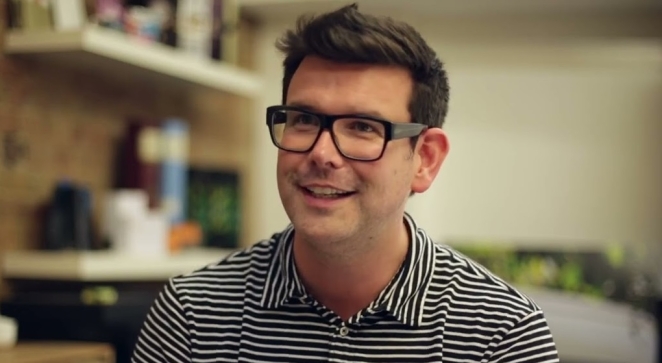
AI is shifting the creative toolkit fast. Tools that write, draw, animate, and edit are making manual execution optional. As SomeOne Founder Simon Manchipp puts it, “It’ll be less about making and more about mediating. You won’t draw the line—you’ll train the machine that does. Creative work becomes creative direction. Less execution, more taste. Style becomes strategy.”
That means creatives won’t be crafting every asset from scratch—they’ll be shaping the systems that generate them. The new role? Taste-making, curating, and steering AI output to align with strategy, culture, and emotion.
3.2 AI as Collaborator, Not Competitor
Despite the noise, AI isn’t replacing human creativity—it’s amplifying it. As Mark Heaps explains, AI becomes the assistant that frees humans to focus on storytelling, insight, and strategy.
In this model, creatives aren’t technicians—they’re orchestrators. They’ll use AI to prototype faster, explore more directions, and push ideas further than ever. The future is human + machine.
3.3 New Skillsets: Strategic Fluency and Cultural Curation
With execution partially automated, the creative edge moves to strategy and cultural fluency. The best creatives will be cultural curators—tuned into trends, able to time ideas perfectly, and skilled at building narratives that land.
Tozzi frames it well: "Brand building is becoming an evermore editorial and curatorial process, where context, timing, and cultural nuance are just as integral as the idea itself."
3.4 Ethical and Human-Centered Considerations
More tech means more responsibility. As AI scales, creatives need to act as ethical guides—ensuring transparency, avoiding bias, and protecting authenticity.
This includes being clear about what’s AI-generated, respecting IP, and maintaining the emotional core of stories. In a world of automation, human nuance is what makes ideas resonate.
4. Agencies as Strategic Partners in a Complex Ecosystem
4.1 Expanding Touchpoints and the Need for Agility
With touchpoints multiplying—think livestream shopping, AR, NFTs—agencies must be more than service providers. They need to be agile partners who help brands build systems that can flex and scale.
Frameworks, toolkits, and modular systems will become the backbone of creative execution. The goal is not one perfect message but an ecosystem of brand expression that evolves in real time.
4.2 Editorial Curation and Cultural Fluency
Relevance now depends on real-time resonance. The agencies that win will act like editorial teams—tracking culture, spotting trends, and creating content that taps into the now.
From social justice to sustainability, brands that contribute meaningfully to conversations will build loyalty and credibility. Agencies are the guides who make sure these moments are authentic, not opportunistic.
4.3 Future-Proofing Ideas and Design
Agencies need to design with change in mind. This means creating brand systems that can evolve—dynamic design languages, scalable content libraries, and flexible storytelling formats.
It’s not about reinventing the wheel every year. It’s about building brands that can move, adapt, and thrive across whatever platform or trend comes next.
4.4 Measuring Impact in a Post-Execution Era
The creative scoreboard is changing. Clicks and views still matter, but emotional impact, community engagement, and brand affinity are the new KPIs.
Expect to see a rise in sentiment analysis, experience tracking, and ROI models that connect creativity to long-term loyalty. The creative industry won’t just be measured by what it makes—but by the relationships it builds.
Final Thoughts: Creativity as Ecosystem
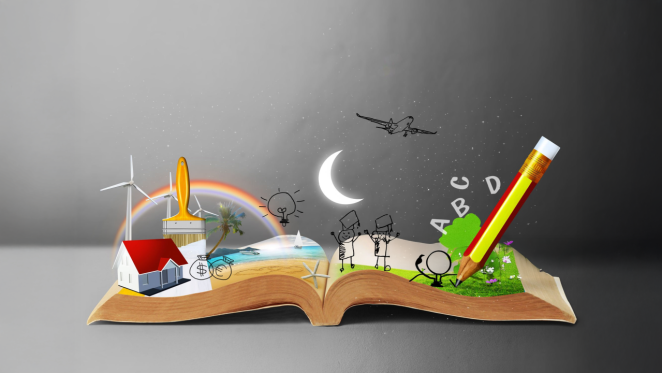
The next five years will redefine what creative work looks like. It’s no longer about crafting the perfect campaign—it’s about orchestrating dynamic, multi-sensory, data-informed, and AI-augmented brand experiences.
The creatives who embrace this shift—who blend storytelling with tech, cultural insight with agility—will not only thrive. They’ll shape what creativity means for an entirely new generation of audiences.