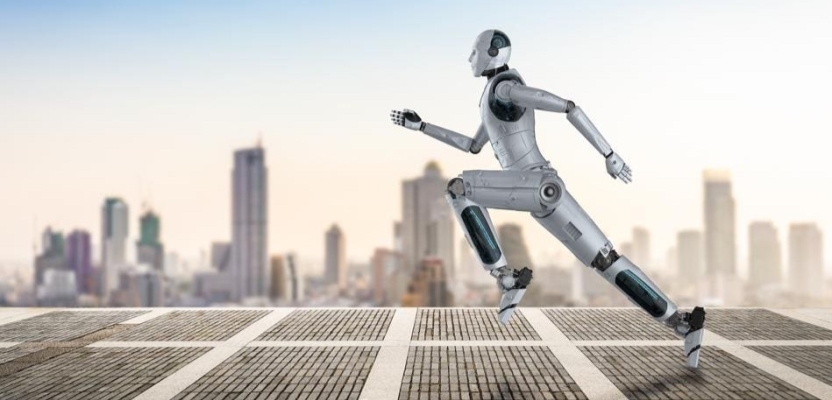

Freelancers used to worry about competitors down the block; now their biggest rival is a ruthless AI that churns out logos, copy, and brand identities faster than you can say "robot uprising." But instead of surrendering to algorithms, freelancers are turning technology into their greatest ally by showcasing uniquely human creativity.
Enhanced Portfolios: Immersive Storytelling in Your Pocket
In 2025, static images on flat screens feel as ancient as your grandma’s dial-up modem. Augmented Reality (AR) portfolios are turning passive viewers into active participants, transforming creative showcases into interactive experiences. Imagine a 2D illustrator using WebAR to animate their gallery, turning simple images into interactive wonders. With just a smartphone scan of a QR code, logos pop off the page, campaign visuals become mini-games, and photographs come alive.
AR portfolios not only captivate but showcase technical prowess. Freelancers build these immersive experiences using accessible tools like Adobe Aero, Spark AR Studio, or Geenee. Designers create animated logos, photographers display virtual galleries, and illustrators bring art to life—leveraging tech that AI simply can’t replicate. AR doesn’t just enhance portfolios; it redefines them.
AR portfolios force viewers to actively engage, physically moving around to explore the creative work. This active participation boosts viewer retention and makes the experience memorable. Freelancers incorporating AR demonstrate advanced, marketable skills in storytelling, interaction design, and technical innovation. AR sets a high bar that passive AI-generated content can't easily surpass.
Blockchain: Locking Down Ownership and Income Streams

While AI floods the market with cheap content, freelancers counterattack using blockchain to protect originality and ensure fair compensation. Blockchain records every creative asset, licensing term, and payment on an immutable ledger, making disputes over ownership history. Smart contracts automatically enforce licensing and payments, transforming tedious invoicing into instant revenue streams.
Consider a freelance illustrator licensing images through blockchain. Every use triggers automatic payments. If misuse occurs, blockchain provides indisputable proof. Creators register their work for immutable proof of ownership—critical in an age when AI-generated replicas abound. Freelancers are embracing practical blockchain uses beyond NFT hype, streamlining royalties, licensing, and micro-transactions without tedious administration.
Blockchain simplifies complex revenue-sharing scenarios by automating micro-payments. Creative projects involving multiple collaborators—like music videos or joint illustrations—benefit enormously from blockchain’s transparent, automatic distribution of royalties. The technology reduces administrative overhead, allowing freelancers to focus on creation rather than paperwork.
AI as Co-Creator, Not Competitor
Instead of viewing AI as the enemy, savvy freelancers embrace it as a co-pilot. Writers use AI to brainstorm headlines; designers feed rough sketches into generative AI tools for rapid prototyping. Adobe’s Sensei and Figma's AI features empower freelancers by automating mundane tasks like tagging photos or drafting initial content.
The key is human curation. AI generates 100 ideas swiftly, but discerning the brilliant from banal remains distinctly human. Creatives leverage AI’s speed and pattern recognition while applying their own intuition and judgment. AI becomes a powerful intern—prolific yet subordinate—boosting productivity without sacrificing creative quality.
This collaboration fosters innovation, enabling freelancers to experiment rapidly with concepts that might otherwise take days or weeks to refine manually. By delegating routine tasks to AI, creatives free mental bandwidth for deeper exploration and strategic thinking, fundamentally enhancing their competitive edge.
Hyper-Niche Branding: Specialization in the Age of Automation
If AI thrives on general intelligence, freelancers thrive by hyper-specializing. Creative professionals focus on ultra-specific niches AI can't replicate easily, such as typography tailored explicitly for AR interfaces or ethics-driven UX writing. Narrow specialties make freelancers indispensable experts rather than replaceable generalists.
A graphic designer specializing in Arabic typography for Middle Eastern branding has little to fear from AI logo generators. Hyper-specialization attracts premium clients, boosts referrals, and establishes freelancers as industry experts. Creatives strategically blend disciplines—like illustrators who code interactive AR experiences—ensuring they stand out distinctly from automated competition.
This hyper-specialization creates clearly defined expertise, prompting clients to seek out specialists who deeply understand their unique industry needs. Freelancers who become specialists not only command higher fees but also create a resilient professional identity immune to automated commodification.
Human-First Platforms: Community, Curation, and Mentorship Over Algorithms
Algorithms have long dictated freelance success, from Instagram's fickle feeds to Upwork's opaque rankings. Now, creatives reclaim control through human-curated platforms prioritizing personal connection and community. Curated networks like Toptal, Dribbble, WorkingNotWorking, and YunoJuno rely on human vetting, offering quality matches instead of overwhelming algorithms.
Mentorship platforms like ADPList and Designed.org provide genuine networking and professional growth. Communities on Slack and Discord replace superficial social media with genuine collaboration, mentorship, and job referrals. Companies are returning to human recruiters and relationship-based freelance pools, recognizing that creativity flourishes in authentic, algorithm-free environments.
Such platforms also foster deeper relationships between freelancers and clients, reducing churn and building long-term, reliable income streams. Freelancers within these networks benefit from authentic connections, feedback, and collaborative opportunities, fostering professional growth and emotional resilience in an increasingly automated industry.
Conclusion: Creativity’s Human Advantage
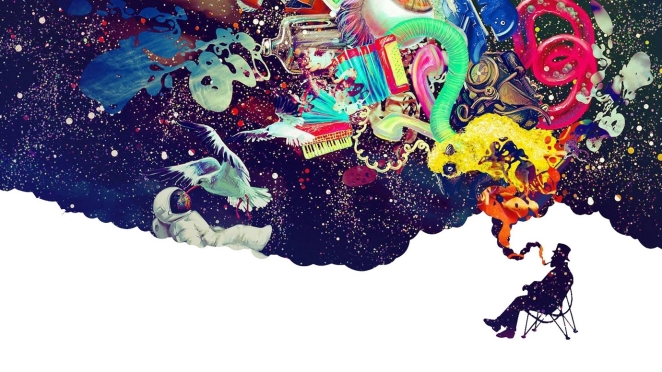
AI may be clever, fast, and relentless, but freelancers are proving creativity is fundamentally human. By strategically embracing AR, blockchain, AI collaboration, hyper-niche branding, and community-driven platforms, freelancers aren’t just staying ahead—they’re rewriting the rules of the creative economy.
Ultimately, thriving in the AI era isn't about outrunning robots but embracing what algorithms can't imitate: human ingenuity, originality, and critical thought. That’s a future-proof strategy no algorithm can disrupt. Robots may excel at efficiency, but the spark of creativity will always belong to humans—no matter how sophisticated the machine.
In the age of AI, creative freelancers who lean into technology wisely, specialize deeply, and value human connection not only survive—they thrive. The robots might be coming, but they're finding that the toughest competition isn’t another algorithm; it’s the irrepressible, adaptable, ever-evolving human creative spirit.