
Your Strategy in the Creative Industry: How to Make Money in the Creative Field?
So, you've just mastered a new profession, you're filled with hope for a bright future and ready to make your mark in the industry. But what comes next? How do you actually start making money? Where do you go, and what should you do?
This is where having a clear strategy comes into play. If you don’t have a goal, there’s no destination to reach. Without a destination, you’ll end up wandering in circles. But if you define a goal, you can map out the path to get there.
Now, let’s break it down into three main career paths in the creative industry:
1) Getting Hired at a Studio
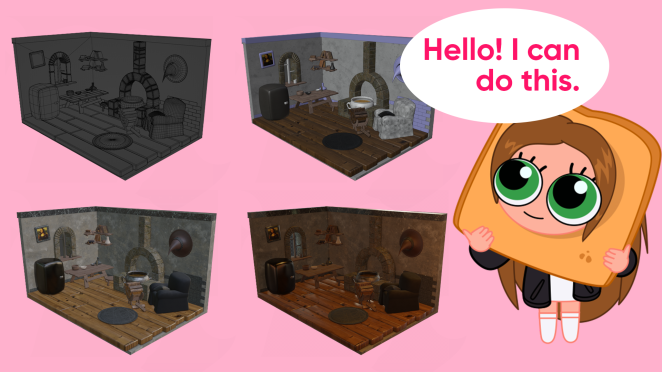
If your goal is to work in a studio, here’s what you need to understand: If you're a beginner (not aiming for an art director role just yet), you're essentially "the hands" in the production process.
This means your technical skills matter the most. Your portfolio should highlight technical quality, process, and speed. Showcase how well you execute work, not just the final results.
Some key strategies:
- Research the specific studio you want to work for.
- Build industry connections (networking is key).
- Present yourself as a reliable, highly skilled professional - not just a creative dreamer.
2) Finding Clients Directly
If you choose to work directly with clients, your focus should shift from technical skills to business outcomes.

Here, nobody cares how many templates or mockups you used – as long as the result grabs attention, brings in customers, and makes the client’s heart race with excitement.
What to focus on?
A well-presented final product – something a client can instantly take and use.
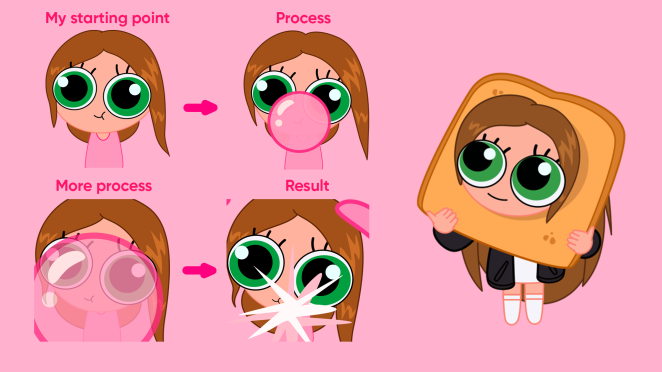
Understanding how your skills benefit others – If you're an animator, show how animations can boost ads and engagement. If you're an illustrator, demonstrate how mascots and stickers enhance brand interaction.
Your goal is to communicate the value of your work to business owners. A coffee shop owner doesn’t care about your artistic journey – they want to know how your work helps their business grow.
Networking still plays a role here, but it’s even more important to expand your circle beyond creatives. Connect with people in marketing, music, publishing, and business. The more industries you understand, the more opportunities you’ll have.
3) Becoming a Content Creator (Blogging/Social Media)
Nowadays, content creation is a massive opportunity. Of course, you'll still be somewhat dependent on your audience, but in return, you gain more creative freedom.
This is a great path for those who have already developed a personal style and enjoy sharing insights or making engaging content.

By the way, blogging is also a powerful tool for the first two career paths. Even if you don’t want to be a full-time content creator, having a social presence can attract clients and job opportunities.
Final Advice: Define Your Goal Clearly
The best advice I can give you – be crystal clear about what you want to achieve.
Study the path that leads there, and think strategically:
- Who needs my work?
- What can I offer them?
- Why would they choose to work with me?
Having a clear goal is like holding a flashlight in a dark forest. Without it, you might wander aimlessly, going in circles, and eventually collapse under a tree, exhausted. With it, you walk straight toward success.
Best of luck in your creative journey!