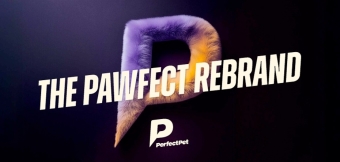

Every creative has at least one side project sitting somewhere in a folder, a Figma file, or a dusty Google Drive. The concept you sketched out at midnight. The redesign you did for fun. The brand idea you mocked up because it “felt cool”.
Most of these never see the light of day, but here’s the twist: these are the exact projects that can secretly get you hired.
In today’s job market, employers are no longer impressed by neatly formatted CVs alone. They want real, self-initiated, curiosity-driven proof of skill. And that’s exactly where side projects shine. They reveal how you think, how you solve problems, and how you work when no one is telling you what to do.
This article will show you how to turn those hidden projects into hiring signals in your portfolio, resume, and interviews. You’ll learn the frameworks recruiters use to evaluate candidates, how to position your passion work as business value, and how to make those projects impossible to ignore.
If you’re a job seeker, designer, creative, career switcher, or remote worker wanting a competitive advantage, this guide is your blueprint.
Below, we’ll break down everything you need to know about turning your side projects into powerful hiring proof, including:
-
Why Side Projects Matter
-
How to Showcase Side Projects in a Portfolio
-
How to List Side Projects on a Resume
-
How to Talk About Side Projects in Interviews
-
How to Make Your Projects Stand Out
-
Common Side Hustle Mistakes to Avoid
-
Using Creativepool To Get Your Side Projects Hired
Each of these points explores how you can transform personal work into professional leverage, position your skills more strategically, and stand out in a competitive job market.
Why Side Projects Matter (Why Side Projects Are Secret Job Offers)

Daniel Guachamin
Side projects matter because they show employers something your 9-5 work rarely can: who you are when no one is watching. They reveal the kind of problems you choose to solve and the skills you build out of genuine curiosity, which is one of the biggest benefits of side projects for job seekers. This extra layer of authenticity helps recruiters understand your creative instincts beyond your official job title.
They also demonstrate how side projects improve job prospects by showcasing initiative, experimentation, and the ability to work independently. In a competitive hiring landscape, these self-driven projects often become the work that truly stands out.
For employers, the side projects that impress recruiters most are the ones that show intentional thinking and clear relevance to their industry. When your project aligns with the role you want, it acts as proof that you already understand the audience, challenges and expectations of that field.
Recruiters say that side projects are often more predictive of future performance than official job experience. Why? Because they send powerful signals:
What Side Projects Signal to Employers
Initiative: You didn’t wait for a brief; you created one. That instantly sets you apart from applicants who only show assigned client work.
Problem-Solving: Side projects reveal how you approach ideas from scratch, define your own strategy, and build your own solutions.
Niche Skill Alignment: Relevance is one of the strongest signals you can send. If a company specialises in your side project can show direct industry alignment that they can’t find in your previous job.
How Side Projects Improve Your Job Prospects
They help employers answer the question every recruiter secretly asks:
“How will this person add value to our business?”
You can make that clear by framing your side projects around business outcomes:
-
“This project shows I can simplify onboarding flows for fintech apps.”
-
“This rebrand demonstrates my ability to modernise legacy visual systems.”
-
“This campaign concept proves I understand Gen Z cultural cues.”
When positioned correctly, your side project becomes a preview of the impact you can make and that’s exactly what gets you hired.
Expert Insight:-
Andrew Almendras, VP, Marketing Strategy & Planning at IMAX
"Building strong relationships based on trust is a foundational building block to long-term partnerships in the advertising community between creatives and marketers. Side projects are an effective way to slowly build new relationships over time. The creative can learn the brand through a hyper-focused project with clear guardrails to tackle one creative problem at a time. The marketer can use the opportunity to pilot new creatives into their brand and operating model. Over time, trust can be built through familiarity, collaboration and agreed upon ways of working in a methodical way allowing both groups to be setup for success."
How to Showcase Side Projects in a Portfolio
Clever Ghost
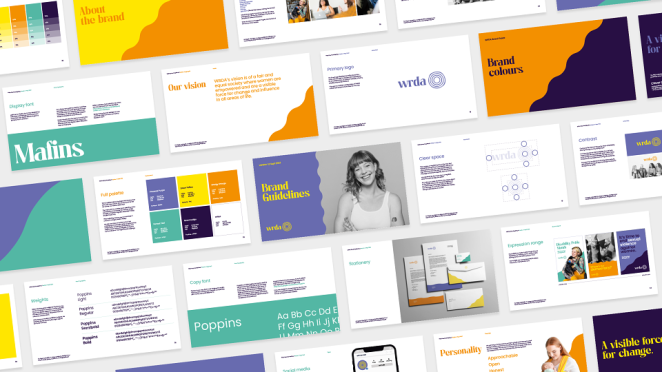
When thinking about how to showcase side projects in a portfolio, the goal is to make your work easy to understand and impossible to overlook. Recruiters don’t want long case studies; they want clarity. A strong portfolio explains what the project is, why you created it, and what impact it demonstrates. This structure helps them quickly see the value of your work and how it connects to the role they’re hiring for.
Start with a simple, one-line project role such as: “Campaign concept for a tech startup” or “UI design for a fictional banking app.” Then follow a clean Problem → Approach → Outcome format. This lets hiring managers scan your process in seconds while still understanding your thinking. Add supporting visuals like iterations, sketches, and final layouts to bring your story to life without overwhelming them.
This structure is especially important when creating side projects as a designer, because design hiring is visual and fast-paced. Employers want to see real decisions: why you chose a layout, how your typography supported the concept, and what problem you solved for the fictional user. Even speculative work, such as rebranding an existing company or redesigning a confusing app flow, can demonstrate strong conceptual ability when framed well.
Finally, make your portfolio easy to navigate. Break sections into clear case studies, keep your writing concise, and always link back to a live prototype, Behance page, or Figma file when possible. For bonus impact, link your portfolio directly from your resume with: “See full case studies at [portfolio URL].” When presented with clarity and intention, your side projects become some of the most persuasive signals in your portfolio.
Portfolio Structure That Gets Noticed
Recruiters skim first then dive deep. Give them clarity fast.
1. Add a One-Line Project Role
Set expectations in seconds. Examples:
-
“Concept rebrand for a sustainable fashion startup”
-
“Mobile UI redesign for a mental health app”
-
“Motion experiment exploring 3D typography”
This instantly communicates relevance.
2. Use the 3-Paragraph Structure (Problem → Approach → Outcome)
Keep it tight and powerful:
Problem: What problem or gap inspired the project?
Approach: What decisions did you make? What tools or techniques did you use?
Outcome: What was created, validated, or improved? Even speculative metrics are fine if framed as mock insights.
3. Add Visuals + Process
Don’t only show the final beauty shots. Include:
Thumbnails, Early sketches, Iterations, Wireframes, Style exploration, Final mockups. Recruiters want to see how you think, not just how you polish.
Side Projects for Designers (ideas you can use immediately)
If you're stuck, try:
-
Speculative rebrands of outdated logos or legacy brands.
-
UI kits for emerging tools (AI products, fintech dashboards, no-code apps).
-
Motion design experiments tied to real product interactions.
-
Landing page redesigns for growing D2C brands.
-
3D or illustration series exploring new styles.
These are high-signal projects that stand out.
Pro Tip
Link your portfolio in your resume using:
“Featured work: [your-portfolio.com]”
This increases click-through and ensures hiring managers see exactly the project you want them to see.
How to List Side Projects on a Resume (Side Projects Resume Tips)
Azura Design
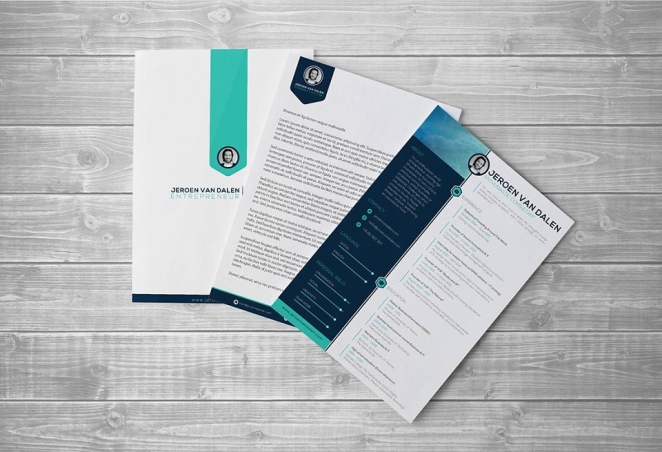
When looking for strong side projects resume tips for a job search, the most important rule is clarity. Recruiters should be able to see what you built, why you built it, and what value it demonstrates, all within a few seconds. This is the foundation of knowing how to list side projects on a resume in a way that actually strengthens your application instead of cluttering it.
Create a dedicated section called “Projects” or “Selected Side Projects.” Here, list only the work that’s relevant to the role you want. This is where many candidates go wrong: they treat side projects like hobbies. Instead, position them as professional proof, short, sharp examples of your thinking, skills, and initiative.
Example Format
Side Projects:-
• Campaign Concept for Tech Startup (2025) | portfolio-link.com/project
Showed a mock 15% CTR lift through targeted creative, full case study linked.
• UI Kit for No-Code Tools (Figma)
Part of a self-initiated design system; generated 2K+ views from the community.
This structure works because it blends creativity with measurable impact. It also helps recruiters relate the project back to the role, which is the core goal of side projects resume tips for job search.
Placement Strategy
Put the section below “Experience” but above “Education” so it’s easy to find.
List 2-4 strong examples, ordered by relevance. Whenever possible, quantify outcomes, views, feedback, downloads, prototypes, or results.
By applying these principles and understanding how to list side projects on a resume correctly, your side projects become credible evidence of your capability. Presented well, they can often carry more weight than minor past roles or small freelance jobs.
How to Talk About Side Projects in Interviews

Square Elephant Productions
Knowing how to talk about side projects in interviews can make a major difference in how recruiters perceive your skills. Side projects give you tangible examples of initiative, problem-solving, and creativity, qualities that are often hard to convey through a resume alone. Explaining them effectively turns your personal work into a persuasive professional story.
When preparing, focus on a 30-second elevator framework:
-
Context (10sec): “I built this project to solve [specific problem] for [audience].”
-
Your Decisions (15sec): “I chose X approach because Y research or insight guided me.”
-
Learnings (5sec): “This taught me [skill] relevant to this role.”
This approach shows recruiters not just what you did, but how you think, which is central to how to use side projects to impress employers. Always tie your project to the employer’s needs or the role’s requirements. Avoid simply describing the work; focus on outcomes, skills demonstrated, and problem-solving approaches.
Finally, practice storytelling that is concise and confident. Highlight tools used, decisions made, and measurable results wherever possible. By mastering how to talk about side projects in interviews, you can turn your portfolio into a live demonstration of your capabilities and make a strong, memorable impression on hiring managers.
How to Make Your Projects Stand Out

Taylor James
If you want to understand how to make your projects stand out, start by making your work instantly clear, relevant, and easy for recruiters to evaluate. A strong side project isn’t just visually appealing; it shows thinking, purpose, and the ability to solve real problems. When a hiring manager can quickly grasp what your project is about and why it matters, you’ve already set yourself apart.
The side projects that impress recruiters most are those built around real-world challenges. Outline the problem you chose, the insights that shaped your decisions, and the outcome you achieved. This simple structure, problem, process, result, makes your projects more persuasive than generic portfolio pieces.
Presentation also plays a big role in how to make your projects stand out. Clear visuals, concise explanations, and clean layouts help recruiters understand your decisions without needing extra context. Include user flows, prototypes, before-and-after shots, or anything that shows progression. These details turn your project into a story rather than a static showcase.
Finally, make sure your work aligns with the roles you want. The side projects that impress recruiters most are targeted: fintech redesigns for fintech roles, brand refreshes for branding jobs, or UX case studies for product design positions. This relevance shows that you’re already thinking like someone in that industry, which instantly elevates your profile.
Common Side Hustle Mistakes to Avoid

So Good Studio Ltd
Understanding what common side hustle mistakes to avoid can help you keep your projects focused, strategic, and genuinely impressive to employers. Too many creatives pour hours into side projects without realising that a few avoidable missteps can reduce their impact or worse, make them look unfocused. When you know which pitfalls to watch out for, you can shape your side projects into clear, purposeful case studies that strengthen your portfolio instead of cluttering it. Think of this as a quality check that ensures every project you share supports your career goals.
Here are the biggest pitfalls to watch out for:
1. Taking on too many unfinished projects
One of the most common side hustle mistakes to avoid is starting 10 ideas and finishing none. Employers value completed thinking, not abandoned concepts. Curate your portfolio to 3-5 polished, purposeful projects.
2. Working without a clear goal or audience
Side projects fail when they’re treated like random experiments. If you don’t know who the project is for or what problem it solves, it becomes nearly impossible to show its relevance in a job search.
3. Chasing perfection instead of progress
Another common side hustle mistake to avoid is endless tweaking. Creatives often refine details for months instead of shipping. Employers want to see your execution and thinking; perfection isn’t the goal; clarity is.
4. Choosing projects unrelated to your target industry
A frequent mistake is building projects that don’t align with the job you want. If you’re targeting product design, do product-led projects. If you want agency work, create campaign concepts. Relevance matters more than volume.
5. Forgetting to show metrics or outcomes
Without context, results, impact, and reasoning, side projects look like hobbies. Even small metrics (views, downloads, feedback, prototype tests) can turn a personal project into a powerful hiring signal.
6. Not documenting your process
Another overlooked common side hustle mistake to avoid is posting only final mocks. Employers need to see decisions, iterations, challenges, and thinking. Your process is often more valuable than the final visual.
7. Hiding behind the phrase “personal project”
Presenting work as “just a personal project” undersells its value. Frame it as a deliberate, strategic demonstration of skills employers care about.
Using Creativepool to Get Your Side Projects Hired
The Book Recruitment
Turning your side projects into real career opportunities requires visibility, credibility, and the right audience, and Creativepool is designed exactly for that. It’s a platform where creatives, recruiters, and agencies come together, making it the ideal place to showcase passion projects that deserve to be seen by hiring managers. Whether you’re a designer, art director, developer, or multidisciplinary creative, Creativepool helps you transform your self-initiated work into genuine job leads.
Showcase Your Side Projects to a Global Creative Audience
Upload your best work: Creativepool allows you to present your projects in full story format, moodboards, sketches, research thinking, final visuals, prototypes, demos and more. Side projects benefit massively from this because employers can see not just the result, but the thinking behind it.
Why it matters: Recruiters browsing Creativepool aren’t just looking for polished portfolio pieces; they’re looking for creatives who show initiative, problem-solving, and originality, exactly what side projects demonstrate best.
Get Discovered by Recruiters and Agencies Looking for Fresh Talent
Rich profiles that highlight your creative identity: Your Creativepool profile acts like an extended portfolio page. It lets you showcase multiple side projects, link case studies, add skills, and present your creative voice clearly.
How it helps: When recruiters search for skills (e.g., “brand design”, “UX flow”, “campaign concepts”), they see your work in context, increasing the chances of profile views, shortlists, and direct messages.
Use Studiogigs to Turn Side Projects into Paid Work
Post your own creative services or respond to briefs: Studiogigs is ideal for side-project creators because it lets you pitch your ideas, prototypes, and unique styles directly to clients.
Why this is powerful: If you’ve built a UI kit, a concept rebrand, a motion test, or a creative experiment, you can show how you’d apply that thinking to a real-world brief. Many creatives get hired for freelance or contract work based on side projects alone.
Apply for Jobs Where Your Side Projects Shine
A job board designed for creative roles: Creativepool’s Jobs Board features roles from agencies, studios, brands, and global companies looking for creative talent.
How it supports your side projects: Your project-driven portfolio becomes a strong differentiator. Employers browsing your application can instantly see the depth, personality, and initiative demonstrated through your self-directed work.
Build Social Proof That Makes Recruiters Take You Seriously
Community engagement that amplifies your work: Likes, comments, shortlistings, and features increase the visibility of your projects.
Why social proof matters: A side project that gains traction on Creativepool signals relevance, creativity, and industry validation, all of which increase your credibility in a recruiter’s eyes. Even a single feature or community highlight can boost trust and discovery.
Creativepool Helps You Turn Side Projects Into Real Opportunities
Creativepool isn’t just a place to upload artwork, it’s a curated creative space where your side projects can breathe, get attention, and attract the right people. With tools made specifically for creatives, visibility features that elevate your best ideas, and a jobs ecosystem designed for hiring, Creativepool helps you turn your self-initiated projects into meaningful career momentum.
Whether you’re posting your first personal rebrand or building a diverse portfolio of passion projects, Creativepool ensures your work isn’t just seen, it’s discovered.
FAQ: Side Projects & Getting Hired
How do side projects help get you hired?
Side projects prove skills that recruiters can’t judge from a CV alone. They show initiative, creativity, and the ability to solve problems independently. Employers see them as real evidence of how you think and work. In many cases, a strong side project becomes more influential than formal experience.
How do side projects improve job prospects?
Targeted side projects make you far more memorable to recruiters because they demonstrate what you can do, not just what you’ve done. They show proof of potential and adaptability, especially in competitive fields. When your project aligns with the industry you want, you stand out instantly. This relevance often translates into more interviews and callbacks.
What side projects impress recruiters most?
Industry-aligned projects have the strongest impact. A fintech redesign for a fintech role or a game UI concept for a gaming company shows intentionality and focus. Recruiters love seeing work tailored to their field because it proves you understand the audience and challenges. It signals that you’re already thinking like someone who belongs on their team.
What are remote side jobs to make extra money?
Remote-friendly gigs like UI kits, Notion templates, landing page designs, or brand audits offer quick, portfolio-ready wins. They build both income and visibility while showcasing your practical design skills. Many of these can be sold repeatedly on marketplaces or used as case studies. They’re ideal for creatives building a side income and a stronger personal brand.
Should you include side projects on a resume?
Yes, as long as they’re framed as professional proof, not hobbies. Use a “Projects” section where each item highlights the challenge, your approach, and the outcome. Mention tools, metrics, or audience impact to make them feel business-relevant. This helps recruiters instantly understand the value you bring.
Are unfinished projects okay to include?
Only if the concept or learnings add clear value. Incomplete projects can still show your thinking, but they must feel intentional, not abandoned. Explain what you learned so far and why the project matters. If it doesn’t strengthen your story, refine it or archive it.
Conclusion
Side projects aren’t just creativity outlets; they’re one of the strongest forms of proof you can offer in today’s hiring landscape. They showcase the kind of thinking employers can’t get from a CV alone: your initiative, your curiosity, your ability to solve problems without being asked. When shaped intentionally and presented well, they become evidence of what you could achieve for a company, not just what you’ve done in the past.
As more candidates rely on similar job histories and similar portfolios, it’s your side projects that create separation. They highlight your judgment, your adaptability, and your genuine passion for the craft. And in many cases, they reveal the version of you that employers find most compelling, the one who builds, experiments, iterates, and explores simply because you care.
So whether you’re aiming for a new role, switching industries, or building credibility as a creative, think of your side projects as more than “extra work.” They’re your hidden career currency, the pieces of your story that speak the loudest, resonate the deepest, and open the doors traditional experience can’t.
If you’d like, I can also refine the transition sentence leading into the conclusion or match its tone exactly to the intro for a tighter narrative loop.