
"Creativity is not a faucet. You can't just turn it on and off"
Whether you’re a designer, writer, artist, or freelancer, the continuous demand for innovation and originality can lead to a very real issue: burnout. The very nature of creative work—where our passions are intertwined with our professions—makes individuals particularly vulnerable to burnout. But how do you recognize when you’re approaching this dangerous edge? More importantly, how can you prevent it, and if it happens, how can you recover without sacrificing your career prospects?
The Allure and Pressure of the Creative Industry
Creative professions thrive on the excitement of developing something new, solving problems, and pushing boundaries. However, this exhilarating environment comes with a price. As Sarah Niblock, CEO of the UK Council for Psychotherapy, points out, many creatives view their work as a calling rather than a job, which can complicate the work-life balance and increase self-imposed pressure. When your work is your passion, the lines between personal fulfilment and professional demands blur, often leading to overwork and mental exhaustion.
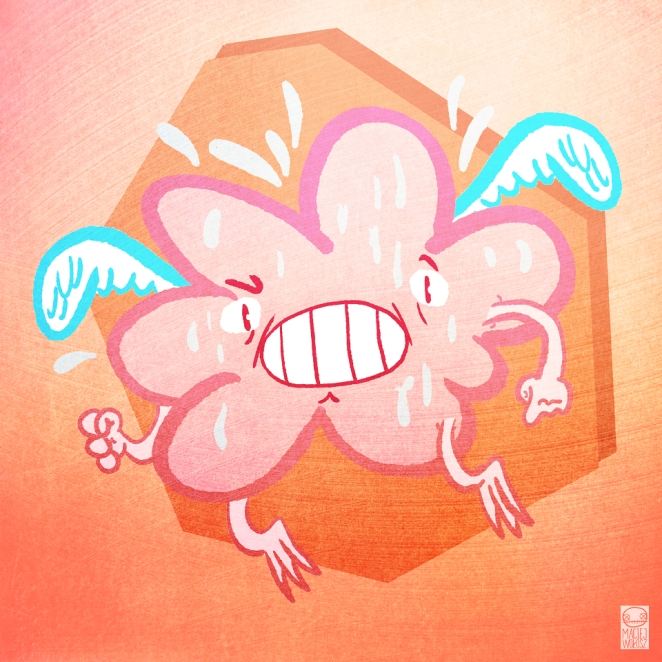
Many professionals in creative industries, especially freelancers, face unpredictable work schedules, financial instability, and a lack of traditional workplace support systems like paid leave or health benefits. This unpredictability makes creatives highly susceptible to burnout, particularly when stress and anxiety are compounded by tight deadlines and high client expectations.
Recognizing Burnout: Early Warning Signs
"Creativity doesn't thrive in stress—it suffocates"
Burnout doesn’t happen overnight. It is a slow build-up, often mistaken for simply working hard or having a temporary creative block. Recognizing the early signs is essential for preventing a full burnout.
- Physical and Mental Fatigue: The most obvious sign is feeling physically and emotionally exhausted. No matter how much rest you get, you still feel drained.
- Cognitive Overload: You struggle to focus, and creative ideas don't flow as easily as before. Stress and burnout limit cognitive flexibility, which makes creative problem-solving much more difficult
- Disconnection from Work: Work that once excited you now feels like a chore. You might find yourself procrastinating or simply going through the motions.
- Physical Symptoms: Headaches, insomnia, and digestive issues are all physical manifestations of mental exhaustion
- Increased Irritability and Frustration: Small annoyances trigger larger emotional responses, and you may feel like you’re constantly on edge
These early symptoms, when ignored, can escalate into full-blown burnout, where individuals become completely detached from their work, leading to a loss of productivity and motivation.
Practical Strategies for Burnout Prevention
It’s vital for creatives to develop a toolkit of prevention strategies to avoid burnout. Here are some steps to maintain mental health while sustaining creativity:
- Set Boundaries Between Work and Rest: While it can be tempting to work late nights when creativity strikes, it’s essential to separate personal time from work hours. Try to finish your day at a set time, and physically clear your workspace so you can mentally disengage
- Take Regular Breaks: Short breaks throughout the day help prevent mental fatigue. Activities like meditation, walking, or even switching tasks for a while can reinvigorate your brain and prevent the stagnation that leads to burnout
- Prioritize Self-Care: Consistent exercise, a healthy diet, and mindfulness practices like yoga or journaling are proven to combat the physical and mental effects of stress. Try to incorporate "self-care appointments" into your schedule as strictly as work deadlines.
- To make self-care tangible, consider brief, screen-free rituals—breathwork, gentle movement, or a short red/near‑infrared light session. Integrated into an evening wind‑down, MitoPro light therapy panels can help you establish a consistent routine, support relaxation, and create a clearer boundary between work and rest—useful when creative demands blur the day’s edges.
- Be Selective with Projects: Burnout is often exacerbated by taking on too much. Being intentional about which projects you accept can help you focus on quality over quantity, reducing stress and avoiding burnout. And always say no to projects that don’t align with your values or personal goals.
- Get Comfortable Asking for Help: Whether through peer support groups, therapy, or professional networks, seeking help is essential when stress starts to take over. Many creatives benefit from connecting with others who understand the unique pressures of their profession
Recovery: How to Bounce Back
"Burnout doesn't mean you’re broken, just that you've been running on empty"
Recovering from burnout requires time and patience. The following steps can help rebuild your mental and physical energy:
- Take Extended Breaks: While small breaks help with prevention, a full recovery from burnout often requires more substantial time off. This break allows for both mental and emotional healing
- Redefine Your Relationship with Work: Burnout can be a signal to reevaluate how you approach work. Reframing your mindset around creative tasks can help shift how you view challenges, making work feel less like a burden and more like an opportunity for growth
- Simplify Your Workflow: After a burnout episode, it's essential to streamline tasks. Break projects into manageable steps and delegate when possible, to reduce feelings of overwhelm
- Focus on Personal Growth: Use the recovery period to explore personal creative projects that reignite your passion for your craft, without the pressure of deadlines or client expectations. This can help rebuild your creative confidence
- Seek Professional Support: Whether it’s talking to a therapist or engaging in workplace wellness programs, external support can be instrumental in rebuilding your mental health. This will help create a structured approach to your mental health.
The Industry’s Role: Cultivating a Healthy Work Environment
It’s not just the individual’s responsibility to prevent burnout. Organizations in creative industries need to take proactive steps in supporting their employees’ mental health.
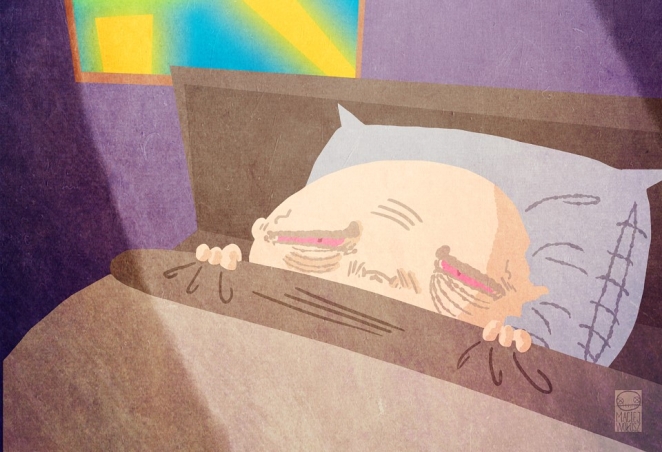
Offering flexible work hours, promoting mental health days, and providing access to wellness resources can all help foster a healthier, more balanced workplace. The idea of Wellbeing Facilitators is already gaining traction on film sets, where the mental health of crew and cast is given a higher priority.
"Creative professionals are people first and creatives second"
Burnout doesn’t have to be an inevitable part of the creative process. By being aware of the signs, practicing preventive measures, and fostering a supportive community, creatives can continue to produce inspired work without sacrificing their mental health. Creativity should empower, not exhaust.
Images by Maciej Wołosz