

Small businesses today want to be everything at once: bold yet approachable, innovative yet traditional. But trying to be everything often leads to losing the one thing that matters most: authenticity.
This is where the 12 archetypes theory comes in. Rooted in Jungian psychology and adapted for branding, it’s a simple framework to help you cut through the noise and focus on creating a brand that feels true and resonates with your audience. In a world of endless trends, going back to basics might just be the smartest move.

1. The Innocent: Simplicity and Trust
- Who They Are: Optimistic, honest, and dependable, the Innocent brand radiates positivity and a sense of hope. They aim to make the world better and more wholesome.
- Key Visual Styles: Soft pastel colors (light blues, greens, and whites), minimalistic layouts, rounded shapes, natural imagery (fields, water, clouds).
- Tone of Voice: Warm, empathetic, and positive. Avoid complexity — keep the language simple and accessible.
Design Tips:
- Use clean, uncluttered design to build trust.
- Incorporate nature-inspired visuals to reinforce simplicity and purity.
- Opt for sans-serif fonts that feel friendly yet professional.
- Examples: Dove, Aveeno, Innocent Drinks.

2. The Everyman: Relatable and Approachable
- Who They Are: Inclusive, practical, and down-to-earth, the Everyman brand connects with people by making them feel understood and part of the community.
- Industries: Retail, casual fashion, household products, family brands.
- Key Visual Styles: Neutral colors (earthy browns, soft greys), relatable photography of everyday life, approachable and functional design.
- Tone of Voice: Friendly, conversational, and unpretentious. Avoid jargon or overly formal language.
Design Tips:
- Use real-life photography to connect emotionally with your audience.
- Incorporate humanized elements like hand-drawn icons or casual typography.
- Focus on functionality and practicality in layouts.
- Examples: IKEA, Target, Wrangler.

3. The Hero: Ambitious and Bold
- Who They Are: Brave, inspiring, and determined to make the world a better place, Hero brands lead with strength and courage.
- Industries: Sports, fitness, tech, outdoor adventure.
- Key Visual Styles: Strong, bold colors (reds, blacks, deep blues), dynamic layouts, action-oriented imagery (athletes, achievements).
- Tone of Voice: Confident, assertive, and inspiring. Use motivational language and active verbs.
Design Tips:
- Incorporate high-impact visuals that convey action and movement.
- Use bold typography to emphasize power and ambition.
- Include testimonials or success stories to reinforce the brand’s capability.
- Examples: Nike, Adidas, FedEx.
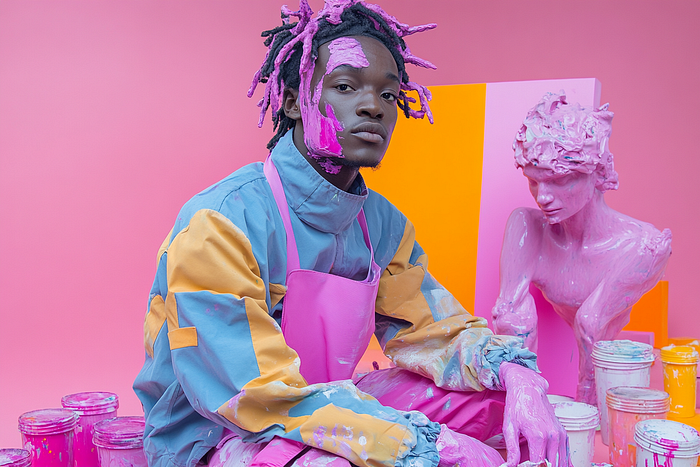
4. The Creator: Imaginative and Original
- Who They Are: Visionaries who thrive on self-expression and creativity. Creator brands inspire others to innovate and express themselves.
- Industries: Creative tools, media, art supplies.
- Key Visual Styles: Bright, imaginative colors (purple, magenta, vibrant yellow), abstract patterns, artistic layouts.
- Tone of Voice: Inspirational, playful, and encouraging. Invite the audience to create and explore.
Design Tips:
- Experiment with unconventional layouts and mixed media elements.
- Use dynamic animations or interactive elements for digital designs.
- Incorporate creative prompts or “how-to” guides to engage your audience.
- Examples: Adobe, LEGO, YouTube.

5. The Caregiver: Compassionate and Nurturing
- Who They Are: Gentle, supportive, and protective, Caregiver brands prioritize the well-being of their audience.
- Industries: Healthcare, non-profits, family services.
- Key Visual Styles: Calming colors (soft blues, greens, pastels), gentle imagery (smiling families, soothing environments), symmetrical layouts.
- Tone of Voice: Kind, supportive, and empathetic. Use reassuring language to comfort and guide.
Design Tips:
- Use clean, accessible typography for readability.
- Highlight real-life stories or testimonials to build trust.
- Avoid flashy designs — focus on simplicity and warmth.
- Examples: Johnson & Johnson, UNICEF, Pampers.
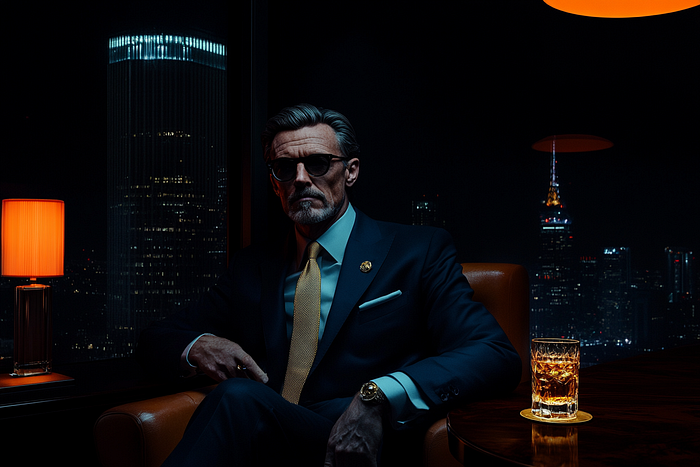
6. The Ruler: Powerful and Established
- Who They Are: Confident, authoritative, and reliable. Ruler brands project a sense of stability and control.
- Industries: Luxury, finance, corporate brands.
- Key Visual Styles: Rich, elegant colors (gold, black, navy blue), symmetrical layouts, sharp, clean lines.
- Tone of Voice: Professional, formal, and authoritative. Avoid casual language.
Design Tips:
- Use high-quality imagery to showcase luxury or reliability.
- Include structured layouts that emphasize order and hierarchy.
- Add subtle texture or metallic accents to enhance the premium feel.
- Examples: Rolex, Mercedes-Benz, IBM.

7. The Jester: Fun and Playful
- Who They Are: Joyful, entertaining, and humorous, Jester brands create moments of happiness and light-heartedness.
- Industries: Entertainment, lifestyle, snacks.
- Key Visual Styles: Bold, bright colors (reds, yellows, neons), quirky illustrations, playful typography.
- Tone of Voice: Witty, funny, and irreverent. Use puns, jokes, and casual phrasing.
Design Tips:
- Use irregular layouts and patterns to convey playfulness.
- Incorporate mascots or characters to personify the brand.
- Add animated elements for interactive digital designs.
- Examples: Old Spice, M&M’s, TikTok.

8. The Explorer: Adventurous and Free
- Who They Are: Independent, curious, and driven to discover new horizons. Explorer brands encourage freedom and discovery.
- Industries: Travel, outdoor brands, activewear.
- Key Visual Styles: Earthy tones (greens, browns, deep oranges), rugged textures, natural photography (mountains, trails).
- Tone of Voice: Empowering, inspirational, and adventurous. Use vivid descriptions and active language.
Design Tips:
- Highlight outdoor or aspirational imagery.
- Use large hero sections with immersive visuals for websites.
- Include interactive maps or storytelling for digital platforms.
- Examples: Patagonia, The North Face, Jeep.

9. The Sage: Knowledge and Understanding
- Who They Are: Thoughtful, wise, and logical, Sage brands provide education and reliable information.
- Industries: Education, research, consulting.
- Key Visual Styles: Muted colors (blues, greys), professional serif fonts, structured layouts.
- Tone of Voice: Informative, insightful, and authoritative. Use clear, concise language.
Design Tips:
- Incorporate data visualizations or infographics to communicate insights.
- Use consistent grid layouts for a professional appearance.
- Highlight expert opinions or case studies for credibility.
- Examples: Google, TED, The Economist.

10. The Rebel: Disruptive and Bold
- Who They Are: Non-conforming and daring, Rebel brands challenge norms and push boundaries.
- Industries: Activism, edgy fashion, disruptive tech.
- Key Visual Styles: Dark tones, high contrast, unconventional typography.
- Tone of Voice: Bold, daring, and provocative. Use strong statements and challenges.
Design Tips:
- Use asymmetrical layouts to stand out.
- Incorporate graffiti-style or rough textures.
- Add bold call-to-actions to energize the audience.
- Examples: Harley-Davidson, Supreme, Virgin.
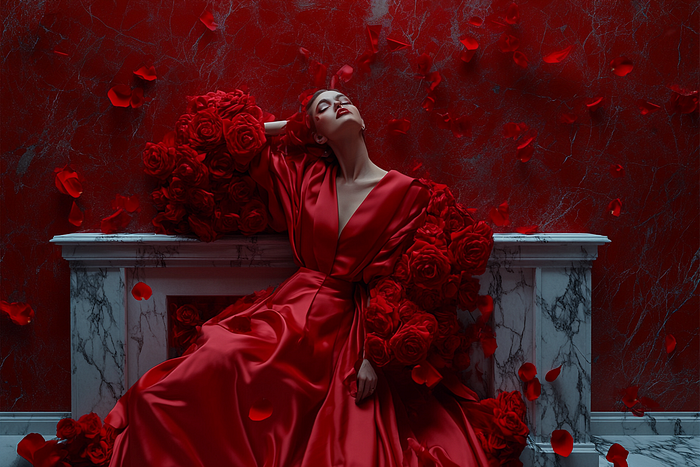
11. The Lover: Passionate and Sensual
- Who They Are: Romantic, intimate, and emotionally driven, Lover brands focus on creating deep emotional connections. They celebrate beauty, pleasure, and relationships.
- Industries: Beauty, fashion, luxury, and hospitality.
- Key Visual Styles: Warm, rich colors (reds, pinks, golds), elegant and sensual typography, imagery focusing on intimacy or indulgence.
- Tone of Voice: Passionate, personal, and evocative. Use emotional language that makes the audience feel desired and special.
Design Tips:
- Incorporate soft lighting and close-up photography for a romantic feel.
- Use serif or script fonts to evoke elegance and sensuality.
- Create immersive, luxurious user experiences that draw the audience into the brand’s world.
- Examples: Victoria’s Secret, YSL, Alfa Romeo.
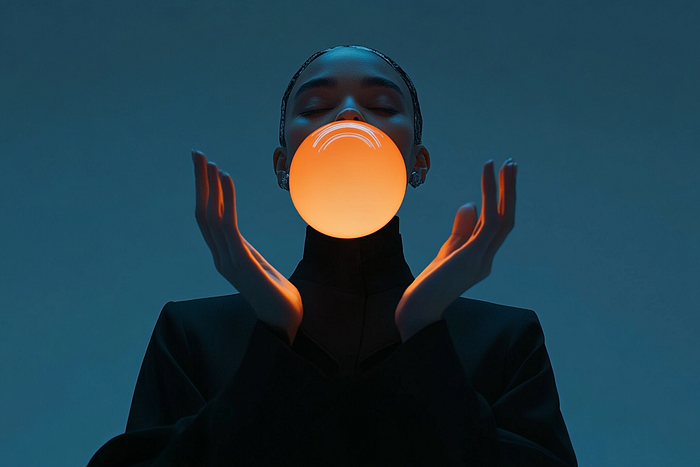
12. The Magician: Transformative and Visionary
- Who They Are: Charismatic, transformative, and innovative, Magician brands inspire their audience to imagine possibilities and believe in transformation.
- Industries: Technology, wellness, entertainment, and innovation-driven sectors.
- Key Visual Styles: Futuristic and sleek designs with gradients, glows, and magical elements like stars or light trails. Use dynamic and visually striking layouts.
- Tone of Voice: Inspirational, visionary, and awe-inducing. Use storytelling to emphasize transformation and wonder.
Design Tips:
- Leverage interactive and dynamic design elements like animations or parallax scrolling.
- Use bold, futuristic color palettes — neons, metallics, and dark gradients.
- Highlight case studies, testimonials, or videos that showcase “magical” transformations for your clients or audience.
- Examples: Disney, Apple, Tesla.
Blending Archetypes
While choosing a single archetype can help establish a clear and consistent brand identity, many businesses find themselves resonating with more than one. And that’s perfectly okay! Some of the most dynamic brands blend archetypes to reflect their complexity or appeal to different audiences.
For example:
- A brand could be 70% Caregiver and 30% Creator, focusing on nurturing their audience while sprinkling in creative inspiration.
- A Ruler archetype could add a touch of Magician to infuse innovation into their authority, making their leadership feel visionary.
However, blending archetypes isn’t about throwing multiple personalities into the mix. It’s about determining which archetype will act as your core identity and which elements from secondary archetypes will enhance or complement it.
How to choose your main archetype (and build your brand around it)
• Define your goals: Are you aiming to inspire, entertain, or empower? Your archetype should reflect your core mission.
• Know your audience: What feelings or connections do you want to spark? Think about how you want people to perceive and engage with your brand.
• Stand out in your industry: Look at your competitors. What archetypes dominate, and how can you differentiate yourself while staying authentic?
Once you’ve locked in an archetype, align all your branding elements to reflect it. Everything should consistently echo the essence of your chosen archetype, from your website’s design to your social media posts. Whether it’s bold and adventurous or calm and nurturing, this alignment builds a cohesive identity that resonates across all platforms. And if you want to add depth, layering in secondary traits can give your brand flexibility without losing its focus.




Elena Pavlova February 5th, 2025, in the evening
An interesting topic and an unusual approach to exploring it. I think everyone will recognize themselves!