
Ruta Mockute is a Technical Design Apprentice based in Kolding, Denmark, currently studying technical design while working at Bolt-On Solutions. Her career journey blends artistic creativity with technical expertise, from her Fine Arts studies in Lithuania to multimedia design in Denmark, and now to 3D modeling and technical design for automotive components. Ruta’s path reflects a unique balance of creativity, precision, and adaptability, allowing her to contribute meaningfully across diverse projects while continually refining her skills.
Ruta’s creative approach emphasizes visual clarity and emotional resonance, with a focus on communicating ideas efficiently through sketches, technical drawings, and digital tools. She draws inspiration from pioneering artists like Frida Kahlo and Vincent van Gogh while staying grounded in practical technical applications. Recognized for her adaptability and dedication, Ruta continues to explore the intersection of art and technology, advocating for authentic creative expression and the thoughtful integration of new tools in the design process.
How did you first get into the industry?

My journey began in 2010 when I pursued a bachelor’s degree in fine arts in Lithuania. After completing my degree, I sought to expand my creative expertise and enrolled in a multimedia design program in Denmark. Following two years as a multimedia designer, I realized my passion lay in 3D modeling, prompting me to pursue technical design studies. This path has allowed me to blend creativity with technical precision, fulfilling my career aspirations.
Where are you based now and who do you work for?
I am currently based in Kolding, Denmark, where I study and work as a Technical Design Apprentice at Bolt-On Solutions. My role involves designing components for various types of lorries, utilizing 3D printing, and learning from industry experts to refine my skills.
What is your personal background and what role did it play in your career?
I grew up in a small town in Lithuania, raised by middle-class parents who worked diligently to provide for me and my sisters. Their dedication instilled in me a strong work ethic, organizational skills, and attention to detail. My father’s proficiency in technical drawing and my sister’s early interest in art sparked my passion for creativity. Although financial constraints delayed my formal art education, my determination to pursue a creative career was set at age six. This background drove me to combine artistic expression with technical innovation, shaping my multifaceted career path.
If you weren’t in your current industry, what would you be doing?
If I were not in the creative or technical design industry, I would likely work in a factory while pursuing art independently. Alternatively, I might return to multimedia design within a technical company, where I could deepen my understanding of industrial processes while maintaining a creative outlet.
Can you explain your creative process? What makes it unique?

My creative process is deeply rooted in emotional clarity and concise communication. I often struggle to articulate ideas verbally, but I excel at conveying concepts through visual mediums, such as paintings or technical sketches. A quick five-minute sketch can communicate ideas more effectively than a lengthy discussion, fostering excitement and collaboration among stakeholders. This emphasis on visual simplicity and emotional resonance distinguishes my approach, enabling efficient and impactful idea-sharing.
How would you describe your style?
My style is characterized by structure, clarity, and attention to detail. Initially, I was concerned about not having a singular, recognizable style, but I’ve come to value my adaptability. Being able to tailor my work to diverse project requirements while maintaining my creative identity has proven more valuable across industries than adhering to a single aesthetic. This structured versatility supports both my mental well-being and career progression.
Which individuals do you gain inspiration from? Do you have any heroes in the industry?
I draw inspiration from experienced professionals who generously share their knowledge. Additionally, I have long admired artists like Frida Kahlo and Vincent van Gogh, whose resilience in the face of adversity motivates me to persevere in my creative journey while staying true to my identity.
What tips would you give to aspiring creatives looking for work?
I encourage aspiring creatives to step outside their comfort zones. For instance, if public speaking feels daunting, consider creating a video resume. This not only demonstrates adaptability but also showcases your authentic self, which resonates with employers. I experienced positive results from this approach and believe it can help others stand out in competitive job markets.
What tips would you give to other professionals to get more clients?
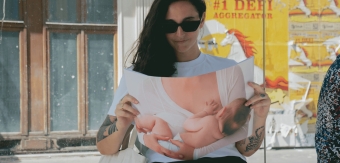
While I haven’t actively pursued clients, I believe authenticity is key. Engaging with trending topics through your work can spark meaningful conversations and attract interest. For example, my “Voice for Survivors” project leveraged a relevant social issue to connect with audiences, demonstrating how aligning creative output with current discussions can build client relationships.
Can you share a memorable experience from your career journey that shaped your approach to creativity?
During my Fine Arts studies in Lithuania, a professor remarked that a true artist never considers their work complete. This perspective, though initially surprising, has stayed with me. I often revisit past projects to refine them, reflecting a commitment to continuous improvement that shapes my creative process.
What kind of tools/kit/software could you not do without?
In my artistic work, Adobe InDesign and Photoshop are essential for project planning. For technical design, Procreate and Autodesk Inventor are indispensable for creating and refining designs. Microsoft Excel supports my organizational needs, and Spotify is a constant companion, as music fuels my creativity and focus.
What’s your secret to staying inspired and motivated?
I maintain inspiration by allowing myself periods of rest between projects, avoiding the pressure to constantly produce. Working on multiple projects simultaneously when inspired keeps my creativity flowing. By not forcing ideas and accepting moments of low inspiration, I preserve my motivation and mental energy.
What’s the work achievement you’re most proud of?
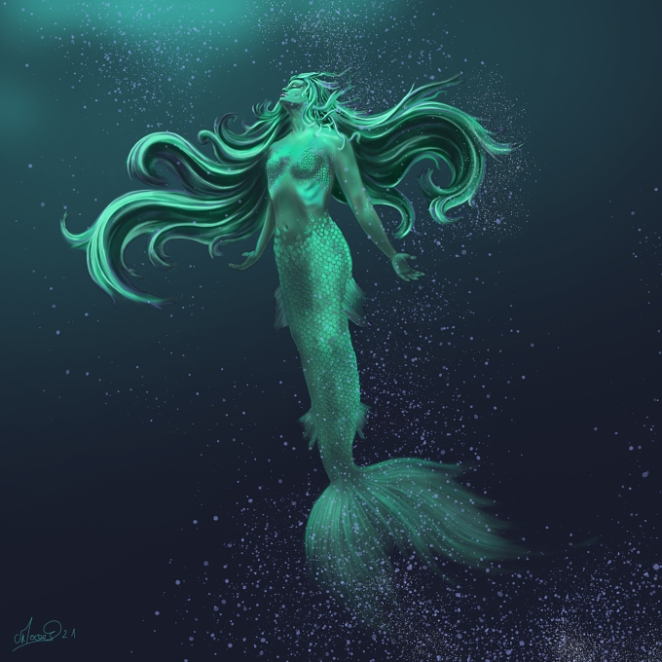
Being shortlisted for the Creativepool Annual Awards is my proudest achievement to date. This recognition validated my efforts to balance dual careers in art and technical design, motivating me to continue pursuing both with confidence.
As someone with experience in the industry, what trends do you foresee shaping the future of creativity?
I anticipate that artificial intelligence will play a growing role in creative industries, enhancing processes without replacing human creativity. Thoughtful integration of AI will augment, rather than dominate, creative workflows, allowing for innovative solutions while preserving the human touch.
What do you think sets apart truly exceptional creatives from the rest of the pack?
Exceptional creatives often possess a quiet intensity, constantly observing and analyzing their surroundings. Their ideas emerge from introspective silence, delivering impactful concepts with clarity and depth. This ability to distill complex thoughts into compelling work distinguishes them.
How do you think technology has influenced the creative industries and how have you adapted to these changes?
Technology has accelerated the pace of creative work, demanding efficiency and adaptability. I’ve learned to balance speed with quality, recognizing that experience helps identify when to prioritize thoroughness or expediency. Patience with myself has been key to navigating these changes effectively.
What is the one thing that you would change about the industry?
I would advocate for greater appreciation of creative professionals, fostering environments where they feel valued and empowered to contribute ideas. Additionally, removing the “2-3 years of experience” requirement from job postings would provide more opportunities for young talents to showcase their potential and build meaningful careers.
Any websites, books or resources you would recommend?
I recommend reading biographies of artists and professionals who have overcome challenges. These stories offer perspective and resilience, reminding us that perseverance can lead to success despite obstacles.????