
Drawing on over 25 years of hands-on experience, director Brent Harris shares the instincts, techniques, and practical strategies he’s developed for bringing real people and their stories to the screen with cinematic authority for brands like Nike, Goodyear, GNC, and most recently, Toyota Gazoo Racing.
From world-famous athletes such as Kylian Mbappé and Dale Earnhardt Jr. to complete unknowns, the piece explores director-led, obsessive research, casting beyond traditional routes, and the pursuit of a deeper truth that moves beyond mere literal fact. What Werner Herzog has described as the “Ecstatic Truth.”
Over the years, I’ve had the privilege of bringing many real-life stories to the screen in the commercial realm. One thing I’ve learned is that there’s no fixed method, no magic trick.
Honoring a subject’s truth demands curiosity, intuition, a filmmaker’s instinct, and above all, a willingness to adapt, riff and improvise. With that in mind, here are the principles that guide my process, and hopefully they offer a useful compass for others too.
You can only tell the stories that you know
Be curious. Be obsessive. And be relentless in your research.
If you want to portray someone’s story honestly, the research has to be personal. Don’t rely on others to do this for you. Do the hard work yourself.
I start my process, just as a documentarian would, by doing a deep background search on google—digging through childhood articles, interviews, social posts, community pages, and local archives. Sometimes I even try to speak to people who know the subject well: parents, siblings, high school teachers or coaches, handlers, friends, even competitors.
I look for clues, facts, or anything that reveals the mortal before the myth.
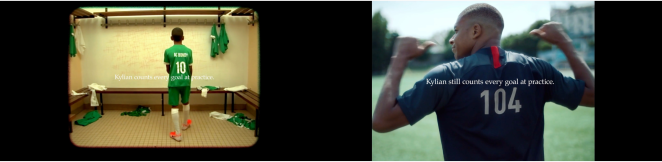
The small details are as important as the big ones. Discovering a small fact about Mbappé’s counting every goal he scores, even at practice, inspired a magical little moment in the Nike film we were making about him.
If you’re casting for real people, with real stories, go find the real deal
For GNC’s Courage to Change campaign, we wanted to feature those who had actually lived transformative experiences, who had reshaped themselves and ultimately risen.
So rather than going the traditional casting route, our team put out the word to the local community, posted on social media, pinned up notices in community centers, and spread the message by word of mouth.Once we had found some promising leads, our callbacks became much more of an interviewing process than an audition.
In a very short period of time, we found, amongst others:
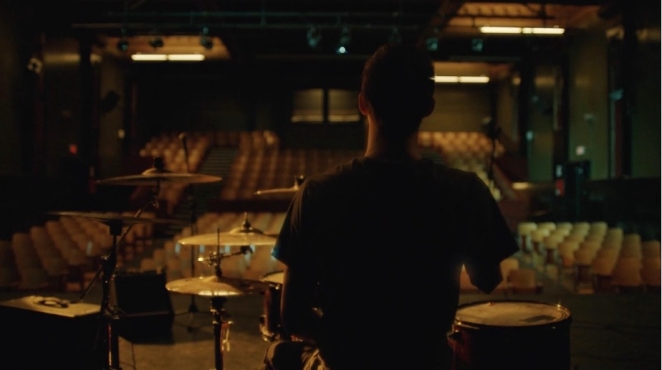
- A one-armed drummer who plays with more fire than most full-limbed musicians I’ve ever encountered
- A 90-year-old former Olympian who still swims with the grace and precision of a young athlete
- A courageous female firefighter who, in her former life, was a male high school football star The film wasn’t built around them, it was built from them.
When you’re portraying someone’s past, get forensic about it
For Toyota’s Her Name Is Jade, we treated racing prodigy Jade Avedisian’s early years almost like a historical reconstruction. We studied home videos, kart racing articles, press interviews, and old social media posts. All of it informed the casting, wardrobe, props, and tone.
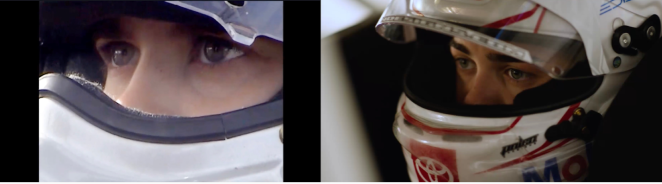
When Jade’s dad first saw the girl playing young Jade, he teared up.
The objects people love hold more truth than any scripted line
Just ask Jade Avedisian how important her orange No. 7 midget kart was to her. Her dad gave it to her for her 7th birthday. And it inspired her entire racing career.
That kart wasn’t a prop, it was the spark of her identity.
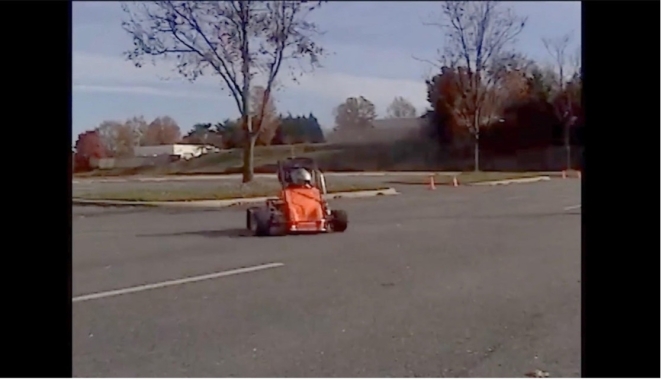
You can also ask Micah, my producer on the project, just how important having that car in the film was to me.
Seeking the ‘Ecstatic Truth’
To depict someone responsibly, you honor the facts, but you don’t stop there. Facts alone aren’t the whole story. What matters just as much is capturing something deeper: their essence, their spirit, their drive. From that awareness, the work can become more poetic, using symbolism and metaphor to reveal a deeper truth.
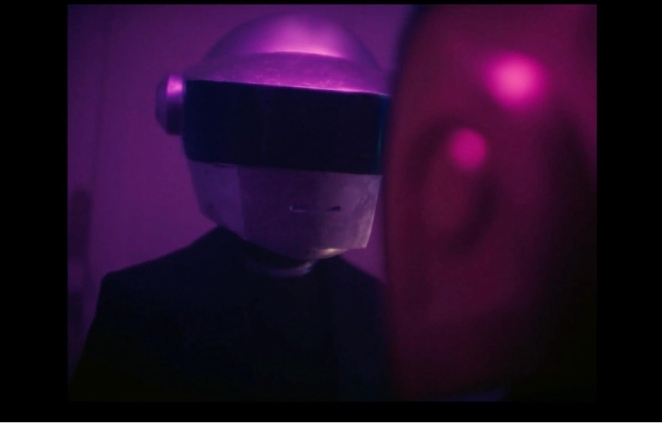
When I had the opportunity to make a tribute film for the recently disbanded Daft Punk, I dug into the facts of their early years. Then I found the origin myth: we were pushing the levels so hard in the studio that an amp exploded and “turned us into robots”. It was instantly clear that this apocryphal story captured their spirit far better than any verified detail, so that myth became the spark of my interpretation.
Use the medium to express the era, and the inner life
When recreating “home movies,” don’t settle for modern cameras and Post plug-ins. These will never quite replicate the organic imperfections or texture of old footage. Rather, source the actual format of the period that you are revisiting.
’70s Super8, ’80s VHS, ’90s MiniDV, Early 2000s HDV, Today iPhone. Shooting in-format brings the right atmosphere and an emotional truth to the images.
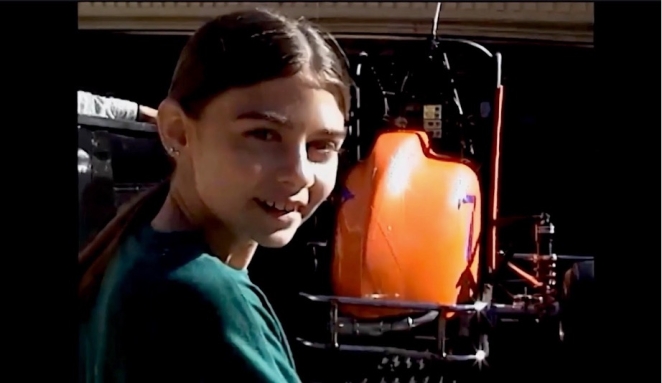
Whenever possible, put the camera in a parent’s or coach’s hands, or channel how they would film their own child. Let the kid interact naturally, even playfully, with being filmed. Looking into the lens is often a good thing.
More recently, we’ve been using AI to subtly extend moments of archival footage; or transforming still images into short motion clips, while still preserving their integrity of course.
Shoot where the story was actually lived
When we shot Mbappé, I insisted on shooting in his actual childhood neighborhood of Bondy. After all, this vibrant, working class neighborhood is famously where his footballing journey began.
My French producer was not a big fan of this idea. She thought that Bondy would be hard to access and difficult to control, which could be risky for the production.
But I could not be swayed.
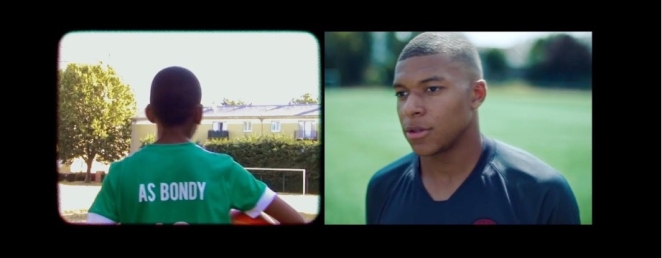
We ended up shooting inside his actual childhood apartment building. On the real pitch outside. The community came out as word spread. It created such a beautiful atmosphere it inspired our filmmaking.
The next day I met Kylian for the first time, I told him that we’d just been filming in his beloved Bondy. He lit up. And it set the perfect tone for the rest of our collaboration.
Precision. Playfulness. Use your intuition to unlock performance
Some superstar athletes have shot more commercials than you ever will. So being on set gets old for them fast, use your intuition to shift their energy.
You may need to surprise them. Challenge them. Turn it into play. Or, just let them be.
For Mbappé, we showed him YouTube clips of intricate old moves he did as a kid, and then we challenged him to match them on camera. He hit everything, every time, and enjoyed it.
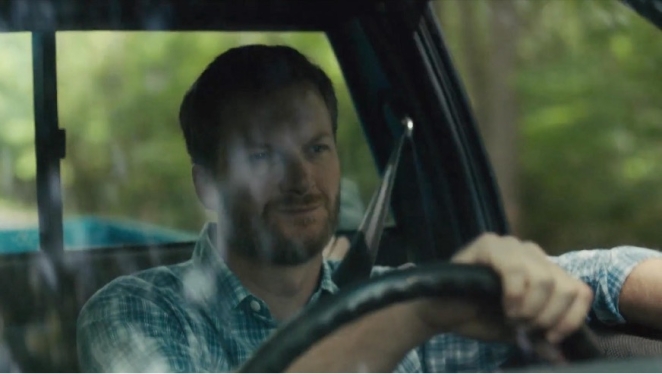
With Dale Jr., the emotional beat I was seeking came from stripping everything away: we simply mounted cameras and sent him on a quiet drive with a song that meant something to him. Far away from our prying eyes, he went somewhere internal, and the camera caught it.
Protect the person, and you protect the truth
Portraying real people requires building an environment where they can be themselves without fear or self-consciousness. Some need quiet. Some need energy. Some need warmth. Some need space. Make sure that your crew understands they share a responsibility for creating the right atmosphere for your subject.
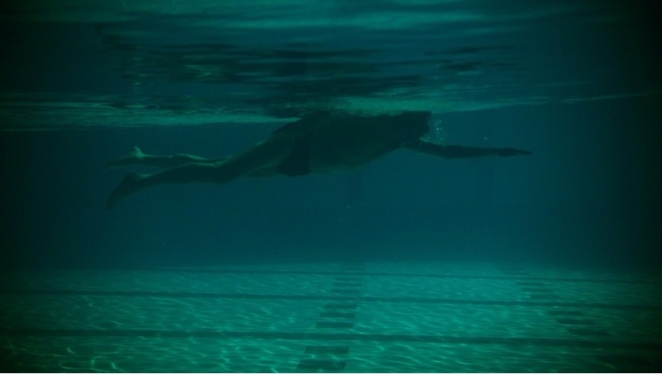
Our 90-year-old Olympian only made it through the cold-weather swim because the crew wrapped him in towels between takes, fussed over him, and made him laugh. His comfort was part of the story; it allowed us to capture him as he truly was.
People open up when you show that their story matters to you
To portray someone well, you have to be invested in telling their story. And sometimes you need to let them know just what that story means to you.
Once I was shooting a Nike track and field athlete and I sensed that he was holding back a bit. As we walked back to his starting position, I quietly told him my wife and I had postponed our elopement so I could be there to film him. (True fact.)
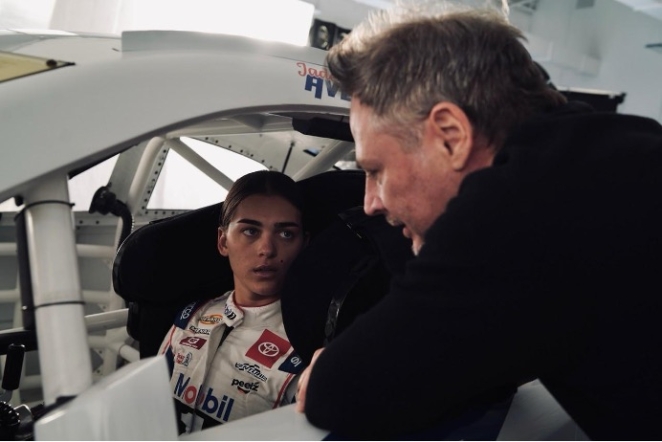
The next take, he gave everything. The Nike client later said they’d never seen him run that fast.