
From Barcelona to Berlin, Julien Marsouin has built a career defined by curiosity, cultural awareness, and creative resilience. Starting as an intern at DDB Barcelona while still at university, he quickly learned that sometimes all it takes is one encounter to change the trajectory of a career. Ten years later, Julien has carved out his own path as a freelance creative copywriter, collaborating with agencies and in-house teams across Europe, the US, the UAE, and South America.
His multicultural background, Spanish and French, born in Germany, raised internationally, has shaped his sensitivity to nuance and local mindsets. Today, that perspective drives his work on global campaigns, where understanding culture and emotion is just as important as words themselves. In this interview, Julien reflects on freelancing, the lessons learned from working with international teams, and why he believes the future of creativity lies not in storytelling but in “storyfeeling.”
How did you first get into the industry?
While studying at university in Barcelona, I was lucky enough to meet José María Roca de Vinyals (President & CCO DDB Spain), who gave me the chance to start as an intern copywriter at DDB Barcelona, 10 years ago. During my fourth and final year at uni, I spent every afternoon after class working on the Volkswagen account. I still think about it: sometimes, ’’all’’ it takes is a 5-minute meeting with the right person at the right time to shape the direction of your next few years of a career!
Where are you based now and who do you work for?
I’ve been based in Berlin for 5 years now and work as a freelance creative copywriter (a great city for launching a solo career and staying inspired, thanks to the huge mix of creative people around). These days, most of my clients are spread across Europe, but I’ve also worked with teams in the US, UAE, and South America. Most of my clients are ad agencies or in-house creative teams looking for a freelancer who can jump in fast, help scale up, and boost their creative output.
What is your personal background and what role did it play in your career?
I’m both Spanish and French, born in Germany, and I’ve had quite an international upbringing, lots of moving around as a kid, and then again as an adult (though now it’s a bit more by choice!).
That background gave me a real sensitivity to cultural nuances and local mindsets, which naturally shaped my career. Today, I focus mostly on international campaigns and cross-country projects, working on transcreation, copy, and creation and development of concepts that need to connect across cultures.
If you weren’t in your current industry, what would you be doing?
If I weren’t in the advertising field, I’d have like to be immersed in the world of sonic branding (it’s quite related in fact) collaborating with artists, rights holders and tech pioneers to shape how brands are heard, not just seen. I feell like music has a unique power to make messages resonate, and I’ve always been drawn to that. So, it’s kind of an extension of the ad industry!
What tips would you give to aspiring creatives looking for work?
First, be curious by learning about as many topics as you can: art, psychology, economy, fashion, business… it all becomes creative fuel you can pull from later! This also helps to figure out what you’re good at and what you actually enjoy doing. That’s how you define your niche, cut down the fierce competition, and build real expertise in a specific area.
And maybe the most important one: stop talking only about your services. Talk about your client’s goals! Understand how they make money on a project and show how you’re helping them win.
What tips would you give to other professionals to get more clients?
To act as a micro-studio instead of just a solo creative. By that I mean becoming great not only at your core skill, but also at your own marketing, communication, and client experience (offering a clear, reliable, well-branded service across every touchpoint). From first contact to final delivery, everything should feel smooth and pro.
It’s also about building trust. Be fast, be clear, and be someone clients want to work with again. Most new clients actually come through word of mouth, so the more you create a great experience, the more your name speaks for you.
And finally, don’t just wait for work to come to you. Reach out!
Can you share a memorable experience from your career journey that shaped your approach to creativity?
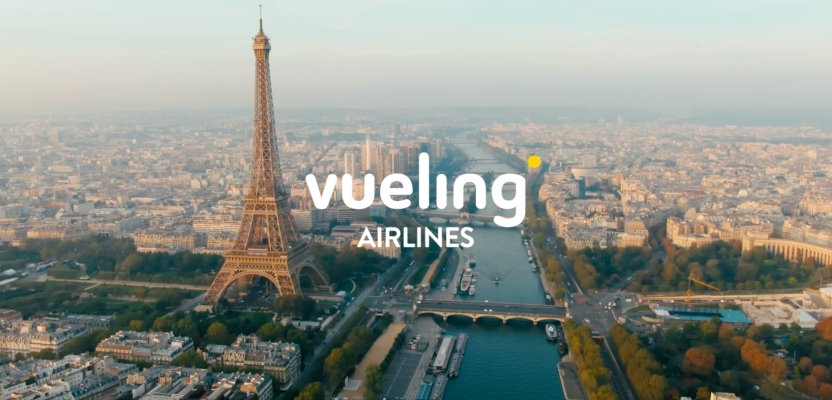
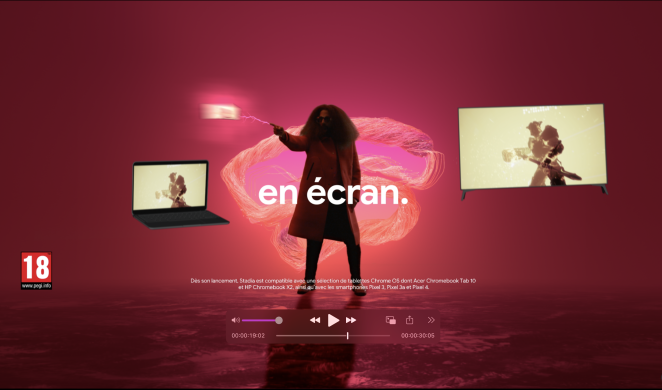
At R/GA Berlin, I had the chance to work on a global Google campaign with a truly international team. That experience made something click: creativity isn’t just shaped by personality, it’s shaped by culture. Where we come from, and the environments we’ve moved through, define how we think, collaborate, and solve problems.
I saw it first-hand. Argentinian creatives brought powerful storytelling instincts very naturally. American producers knew how to handle big budgets with ease and confidence. Germans had a systems-thinking mindset that brought precision to every idea.
That project taught me how valuable and necessary cultural diversity is when creating work that needs to resonate across borders. It’s something I carry with me daily now, and I’m always curious about how to spot and use these cultural nuances to make each project sharper, richer, and more relevant.
What’s the work achievement you’re most proud of?
Keep freelancing for almost a decade now, with its up and downs. I’m proud, or at least very happy, to have stayed curious, resilient and in demand, while collaborating with amazing teams and brands. If there’s one thing I’ve earned, it’s knowing how to stay calm when things get tough… and humble when everything goes way too well.
As someone with experience in the industry, what trends do you foresee shaping the future of creativity?
I feel that we’re heading into an era where emotional intelligence will matter more than ever. In a world flooded by fast content and AI-generated assets, what will truly cut through is work that understands human nuance (culturally and emotionally). Brands will need to be more intuitive, more grounded in reality, and more comfortable with vulnerability. It’s not just about storytelling, could we from now call it ‘storyfeeling', please?
How do you think technology has influenced the creative industries and how have you adapted to these changes?
The future of creativity is right now belonging to those who know how to work with machines without becoming…well, mechanical. We’re moving towards a hybrid model where creatives use AI not just to generate, but to challenge their own instincts and leave more room for craft.
So, it’s not easy at all, but I feel that the challenge is to be constantly updated about the new trends and processes that keep evolving more and more. The difference is now in how we curate, question, and elevate what these tools spit out.
What is the one thing that you would change about the industry?
AI is here to stay, and that’s fine. But I’d change the industry's tendency to chase output over impact. We’re generating more content than ever, yet it often feels like we’re just flooding the system. Instead of taking time to craft, reflect, or elevate ideas, we’re skipping ahead to the next thing. The pace is impacting a bit the value of creativity. All this Innovation shouldn't come at the cost of deep emotional connection.