

Today's consumers want to buy into brands that stand for something; brands that tell stories. When a circular journey is integrated into this story, brands become stronger, broader, deeper.
Circular brand models that consider the whole system from product delivery through to product end provide a win win win. A win for sustainable benefit, a win for the business model and, when communicated and branded in the right way, a win for consumer reward too. Today’s consumers want to buy into brands, which stand for something; brands that tell stories and that connect with our culture in a meaningful way. When a brands core value is connected to its circular journey, it can hugely increase consumer desire. Circular brand models encourage brand love because they enable brands to play an ongoing role in consumers’ lives, encouraging lasting relationships that can turn into brand advocacy.
Here are our top three examples of circular brand models creating consumer desire.
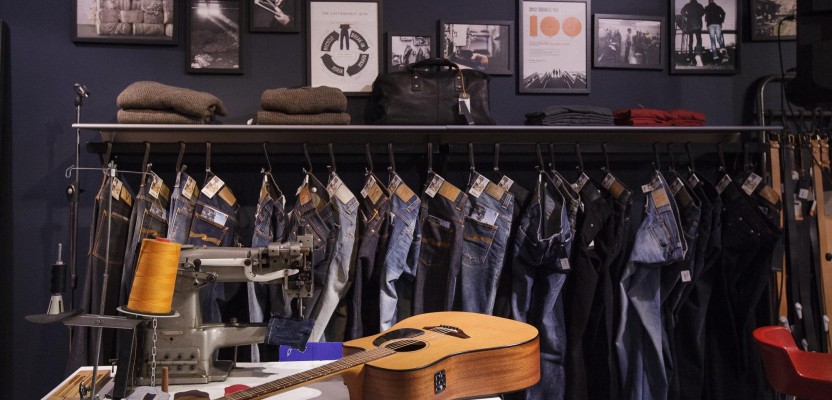
1. Nudie Swedish denim label Nudie Jeans started in 2001 and have since built on their expertise in premium denim craftsmanship. They believe that jeans share the same attitude as music; both are made to last. Therefore, the Nudie brand model does not include a disposal option. Instead it consists of four steps; break in, repair, reuse and recycle. By offering a free repair service, their consumers are encouraged not to repurchase their denim, saving them time and money, as well as achieving Nudie’s own environmental goals.
2. Lush Cosmetic brand Lush is well known for its commitment to sustainability and has pioneered the selling of many of its products without any packaging. Now, it is driving an initiative to extend the lives of its packs. For every empty pack that customers return to store, they are rewarded a facemask in thanks. In working towards a self-sustainable plastic supply, Lush prevented 9 million plastic bottles ending up in landfill in 2013 alone. Simply labelling a brand as ‘ethical’ is not enough to add value, clever incentives that earn the consumer more rewards is.
3. Splosh Splosh is playing its part in saving the environment by building a refill model around its home cleaning products. The first step for a Splosh consumer is the purchase of a starter box kitted out with two or four bottles containing concentrate sachets. Beyond that, the only thing required is the refills, which are sent in the post, packaged neatly in recyclable cardboard. Developing a hassle-free and economical means of receiving essential commodities is a clever way of locking in the consumer and helping their business to grow.
For brands to gain true and everlasting love and loyalty, they need to play an ongoing role in their consumers’ lives. Circular brand models encourage this through advocating quality, durability, and, through consumers themselves being given the chance to play a part in the sustainability cycle.