

Today, people expect brands to respond appropriately and personally. And as a result, brand design needs to be capable of far more complex interactions than ever before.
In today’s world of constant change, brands must provide consistency but also must have the flexibility to respond to our changing needs in new and different ways. They need to create engaging experiences at a local level, that connect globally to a larger story.
When brands combine flexibility with an overarching sense of consistency, they can provide us with the continuous assurance we desire. They can also reassert their status so that we re-appraise them and continue to desire them as our cultures and needs change. Today more than ever, brands must be alive, flexible and human. And the role of strategic brand design is key.
We recently wrote about the ongoing rise of the online brand community, with brands from Starbucks (My Starbucks idea), Harley Davidson (Harley Owners Group) and Lego (Lugnet) all building innovative communities into their business strategies. As well as providing fantastic customer and product insights, these communities mean brands have to be bold, authentic, open and importantly human.
When brands are human, they have the ability to adjust and flex their personality to fit the situation and importantly the person they are interacting with (as apposed to communicating to). As humans, we behave differently to each other in the pub compared to the board-room. Today, people expect brands to respond appropriately and personally. And as a result, brand design needs to be capable of far more complex interactions than ever before.
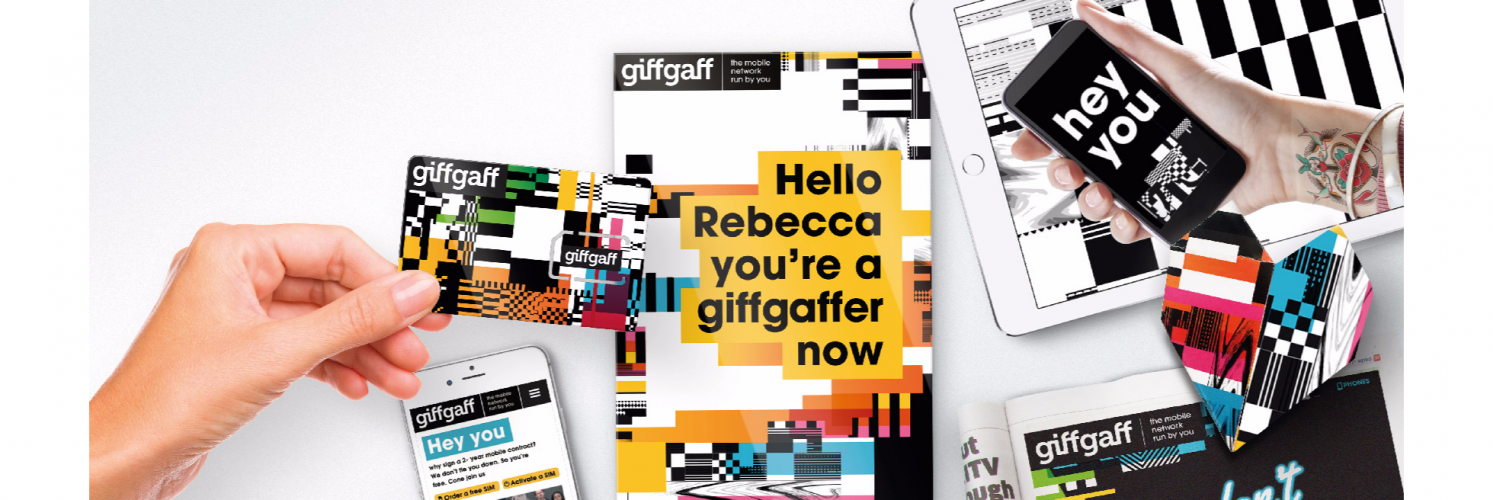
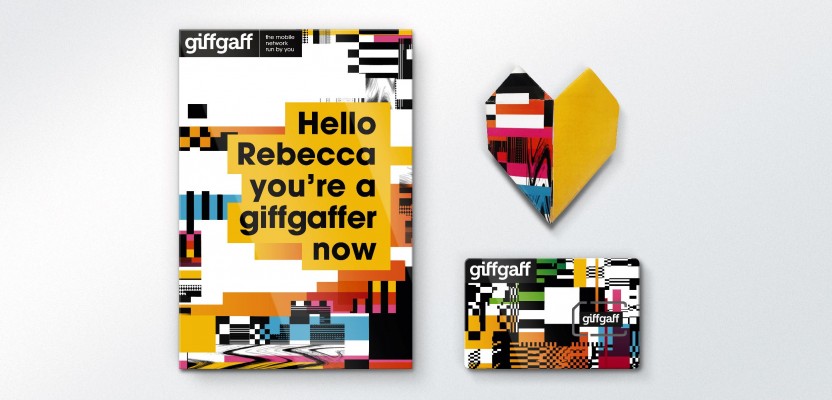
Brand and identity design have a hugely important role to play in allowing brands to communicate this humanity, flexibility and fluidity, both through visual and verbal communications. Think of giffgaff, the ‘no contracts’ mobile network run by its members. The brand identity does not create a singular solution, but instead has a range of personalities that can be deployed in appropriate brand situations. Similarly, the ‘digital noise’ design is based around the fluid and constantly moving pixel to represent constant evolution, reflective of giffgaff’s evolving member community.
Brands have to be based on a big idea, but similarly, they also need many different smaller ideas, or components of their personality. And like us all, they need to be able to respond in different ways to people’s different need-states. In order to do this they can’t be static, or they will break. When used effectively, brand design is the perfect tool to effectively communicate the alive, fluid and human quality of your brand.