

For creative strategist Elise Décultot, the strongest ideas don't begin in a brainstorm—they begin by paying attention. Whether she's observing conversations on social media, spotting behaviours on the streets of Paris and Amsterdam, or jotting thoughts into her iPhone Notes, her approach is rooted in culture and human insight. It's this belief in creating work that naturally fits into people's lives that has shaped campaigns for brands including Happn, Nespresso, Netflix, HBO Max, JBL, OPPO and New Balance.
Having worked across agencies, global brands and now as the founder of dclt studio, Elise has built a reputation for combining strategic thinking with creative ambition. In this interview, she reflects on her journey into the industry, why kindness and organisation are underrated creative skills, the projects she's most proud of, and why the future of advertising lies in creating things people genuinely want to engage with—not just adverts they happen to see.
How did you first get into the industry?
 I was such an organized person that I originally wanted to work in events, so I studied communications and event management. Slowly, I realized that communications was much broader, and I switched my focus to PR, strategy and creativity.
The funny thing is that the organization part never left. Today, I think being organized is one of the most important, but underrated, skills for a creative. To get one idea to life, you need to be able keep a project on track, follow clients feedback, so if you're a mess, it's probably not going to work.
Where are you based now and who do you work for?
I'm based in Amsterdam, but I split my time between Amsterdam and Paris. Working across both markets gives me the opportunity to collaborate with different creative cultures and ways of thinking.
I work with advertising and communications agencies, as well as directly with brands (Happn, Nespresso, Netflix, HBO Max, JBL, OPPO, Martini, New Balance, Yves Rocher...). I support clients on both pitches and ongoing projects, helping shape the creative and strategic direction from brief to execution.
One of my main objectives for the years to come, would be to take briefings for new countries. I’d love to navigate into new cultures (Morocco, Japan, Argentina…).
What is your personal background and what role did it play in your career?
 I grew up in a family where hard work was always valued. My parents are passionate about what they do, and I remember seeing them work long hours, stay committed to their projects and always strive to do their best.
They encouraged me and my siblings to approach everything with the same mindset. That ethic is the base of how I see work today. In our industry, projects can take months, or even years, to come to life. You need patience, attention to detail and above all, I think you need to care: if you genuinely care about what you're making, you’ll keep pushing it until you believe it’s good enough.
If you weren’t in your current industry, what would you be doing?
Sometimes I dream about having a much more concrete job, and a very French one: baker.
I love advertising and communications, but I occasionally miss the idea of making something physical with my hands and creating a direct link with customers every day. After COVID, I even started baking my own sourdough bread. Then life happened, I started travelling constantly between Paris and Amsterdam and could not keep up with the sourdough. But who knows? Maybe I'll become a baker one day :)
Can you explain your creative process? What makes it unique?
 Whenever I start a new brief, I immerse myself in the brand's DNA, and I make sure to feed myself with as much inspiration as possible. I look at recent campaigns, award-winning work, and most importantly, what's happening in culture and in people's lives. And I try to connect the brand to it.
I wouldn't claim that my process is unique, but I do believe relevance is everything. The ideas that resonate most are the ones that naturally connect with the world around us. When an idea feels culturally meaningful, people engage with it because it already belongs in the conversations they're having.
How would you describe your style?
Culturally relevant.
As said previously, if it doesn’t resonate with people, it doesn’t work. So, I spend a lot of time looking at what’s happening around us (conversations, behaviors, trends…). And living between Paris and Amsterdam has probably reinforced that. It constantly reminds me that a good idea needs to meet people where they are.
Which individuals do you gain inspiration from? Do you have any heroes in the industry?
 A lot of my inspiration comes from my friends. Many of them don't work in advertising but seeing them launch projects and pursue ambitious ideas is very motivating.
But within the industry, I look a lot to Jean Paoli, my former teammate at Weber Shandwick Paris. Jean is one of the most passionate and hardworking creatives I've ever met, with an huge knowledge of advertising and culture. Every conversation with him can turn into a creative idea. He taught me the importance of never giving up on an idea too quickly. If something isn't working, find another route. Stay solution oriented. And most importantly, do not settle for middle results. Great work often comes from the determination to keep improving until it feels right.
What tips would you give to aspiring creatives looking for work?
Look out for problems. Around you, in your group of friends, in the news, on social media, everywhere... Our job is to identify problems in people's lives and find an interesting way to solve it. That’s how brands can become a natural part of the conversation.
What tips would you give to other professionals to get more clients?
 Be nice. Getting a project from idea to reality is already hard enough, so I think we all want to work with people who make the process enjoyable. I actually believe kindness is an important skill. Being able to collaborate, listen and make people want to work with you again is just as important as having great ideas.
What kind of tools/kit/software could you not do without?
iPhone Notes.
It sounds simple, but that's where a huge part of my life lives. Ideas starters, observations from the streets, random thoughts, things I hear from friends at parties… a lot of things end up there.
What’s your secret to staying inspired and motivated?
 Take a break.
Launching my own studio has been rewarding but also demanding, and like many people, I've come close to burnout. I've learned that stepping away from work isn't a luxury, it's part of the creative process. Rest allows you to come back with fresh eyes. So, I try not to feel guilty about taking time off, even if it’s not always easy.
What’s the work achievement you’re most proud of?
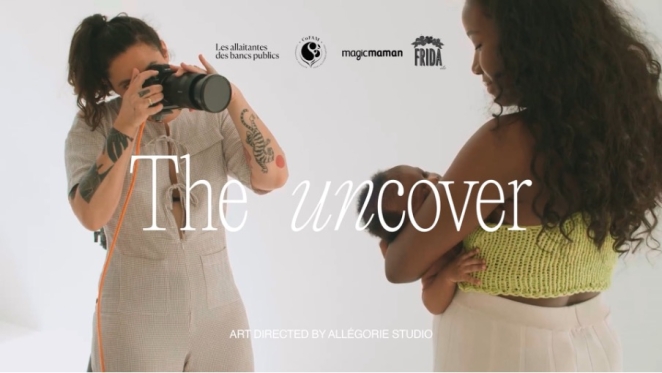
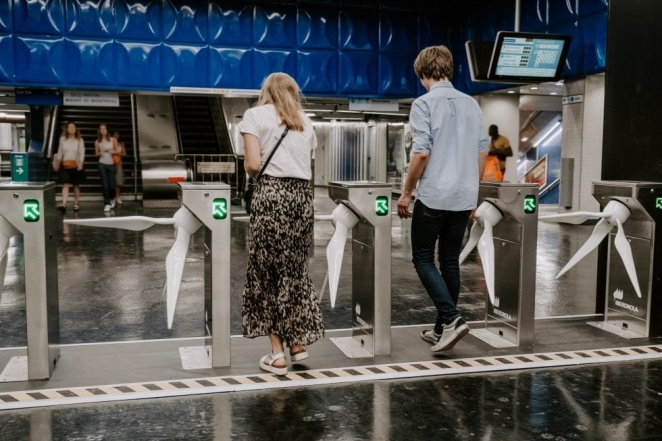
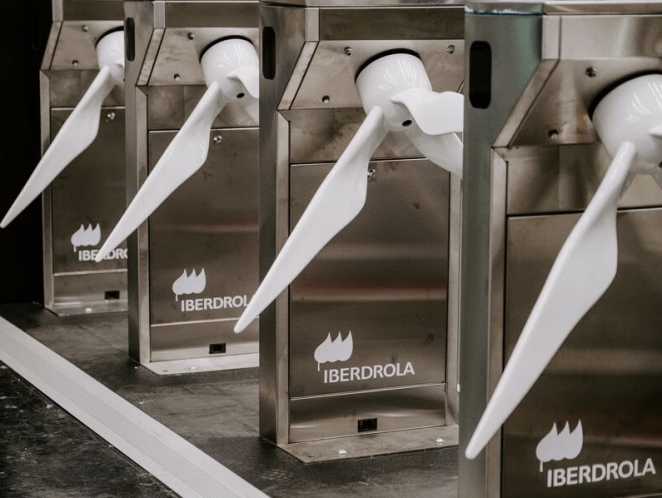
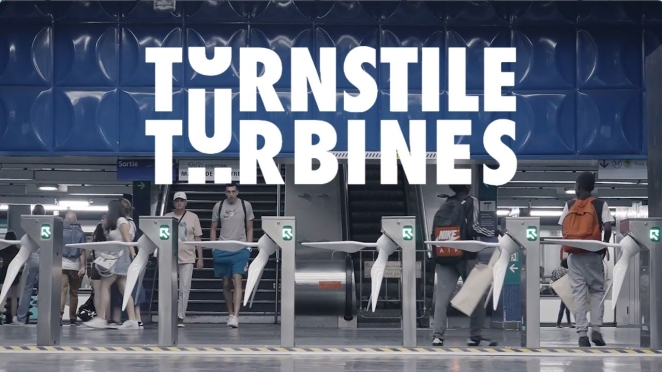
I'm particularly proud of Turnstile Turbines and The Uncover, two projects developed with Weber Shandwick Paris. Turnstile Turbines took almost two years to bring to life and involved a lot of technical challenges. Seeing it finally happening made all the effort worthwhile. I also love The Uncover because it's the opposite: a very straightforward idea, executed in a very simple way, with a very low budget.
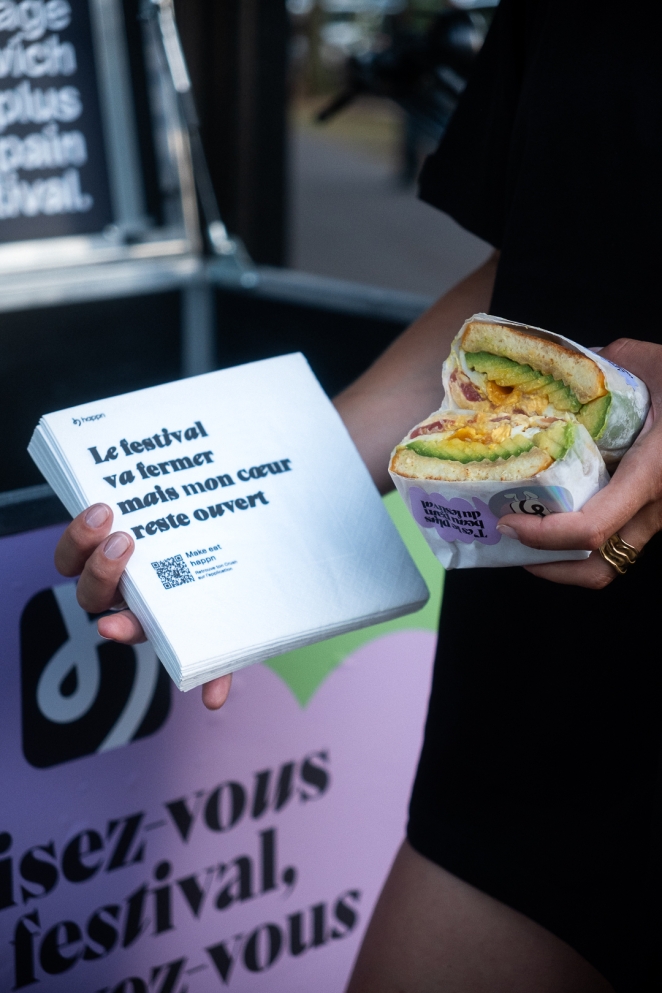
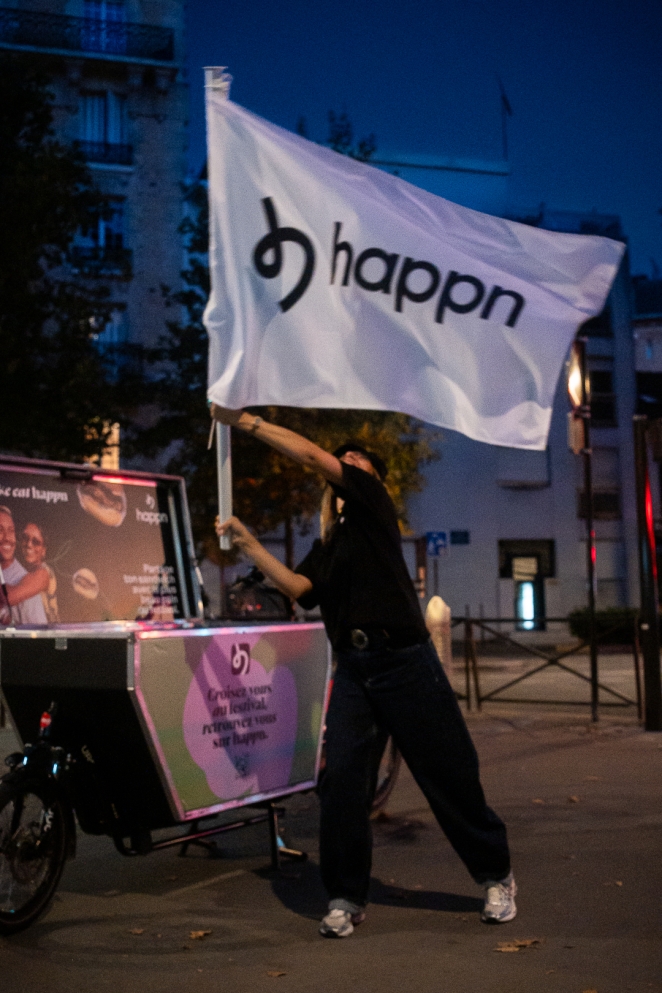
More recently, as founder of dclt studio, I'm super proud of the latest campaign I developed for Happn, Make Eat Happn. From strategy and concept development to production, everything was managed through the studio. It was an important step because it proved to me that a small independent structure can successfully deliver every stage of a campaign.
As someone with experience in the industry, what trends do you foresee shaping the future of creativity?
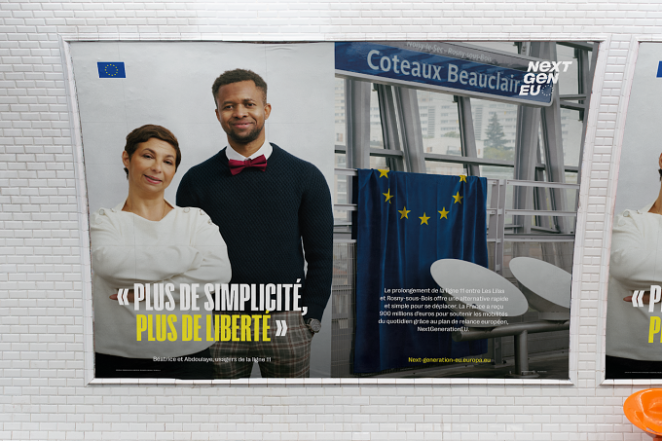 I think advertising is becoming less and less about advertising. Brands used to communicate mainly through TV, print or digital campaigns. Today they’re creating objects that people want to own, use or collect, using the culture of limited editions and drops. For example, Coke Sticks from Coca-Cola, Magnum Grip or Lidl Trolly Bag. Brands that will stand out are the ones which will get it naturally.
What do you think sets apart truly exceptional creatives from the rest of the pack?
Simplicity. The best ideas are usually the simplest ones. All our ideas should be understandable by a 5-year-old kid, and that’s what I’m trying to keep in mind for any brief coming in.