


The advertising industry is at a definite crossroads in 2026. As brands plan for the future of advertising agencies, a debate rages between the Davids and Goliaths of adland; the big network agencies and the upcoming boutique shops. Will the global holding companies continue to dominate, or will nimble independents take the crown in 2026? The answer isn’t just a matter of size, but which model can better serve the evolving needs of brands in a fast-changing landscape.
The Big Agency Advantage
Ocean Outdoor
Big advertising networks (the large, full-service agencies often part of global holding companies) bring some clear strengths to the table.
Global Reach & Scale
Large agencies have offices and teams around the world, enabling them to execute massive multi-market campaigns seamlessly. Their scale means they can deploy extensive resources across disciplines (from creative and media buying to PR and analytics) all under one roof. For brands needing worldwide consistency and quick scaling of campaigns, this global muscle is a major advantage.
Deep Specialised Talent Pools
With hundreds or thousands of employees, big agencies employ specialists in every conceivable niche – strategists, data analysts, creative directors, media planners, and more. This breadth allows one-stop access to diverse expertise, often coordinated by an account team. Complex, multi-channel projects can benefit from having all these skill sets in-house, ready to tackle any challenge.
Industry Clout & Partnerships
Established network agencies often boast decades-long relationships with media outlets, tech platforms, and production vendors. Their brand reputation and networks can unlock premium media placements and exclusive opportunities that smaller firms might not access as readily. They also tend to have bargaining power (for example, negotiating better ad rates or securing high-profile sponsorship deals) simply due to the volume of business they bring.
Established network agencies often boast decades-long relationships
Advanced Tools & Data Capabilities
Big agencies have the capital to invest in cutting-edge technology, proprietary research, and data platforms. Many have entire divisions dedicated to AI-driven insights, programmatic media, and marketing science. In fact, surveys indicate a stark gap in tech adoption: 60% of large agencies report that AI significantly improves client retention, compared to just 10% of boutique agencies. These investments mean that big shops can offer robust data analytics, predictive modeling, and automation – appealing to brands that want the latest marketing tech applied to their campaigns.
Proven Processes & Reliability
With scale comes structure. Large agencies have refined processes for quality control, legal clearance, and compliance, especially useful for brands in regulated industries or those requiring meticulous consistency. They follow standardized procedures with clear protocols, which can provide a sense of reliability and risk mitigation for clients who value a conservative approach. For example, a highly regulated pharma brand might feel more secure with a big network agency known for its rigorous approval workflows and global compliance teams.
It’s worth noting that these advantages often come with higher price tags and some trade-offs. Big agencies carry significant overhead (from swanky offices to large management layers) costs which trickle down to clients. A client of a huge firm might end up subsidizing resources or infrastructure they don’t actually use.
There’s also the risk that if you’re a smaller account at a big agency, you could be serviced by junior staff behind the scenes rather than the star talent you met in the pitch. Still, for brands that need the full-scale firepower and global integration that only a big network can provide, these agencies offer an unmatched platform.
The Boutique Agency Advantage
Name and Name
On the other side of the spectrum, boutique agencies (smaller independent shops or specialized firms) have been making waves and many argue their model is the one better aligned with the future.
Personalised Service & Senior Expertise
At a boutique agency, clients aren’t just a number. You often work directly with high-level talent (the founders, creative leads or senior strategists) not a maze of account managers. This hands-on senior involvement means the people crafting your campaigns deeply understand your brand and vision. In fact, one industry survey found 81% of brands felt they got better outcomes with boutique agencies thanks to direct senior talent involvement. The relationship tends to be closer and more collaborative, which can translate into work that’s closely tailored to the client’s story and needs.
Agility and Speed
Nimbleness is the hallmark of boutiques. With lean teams and fewer bureaucratic layers, small agencies can execute projects in a fraction of the time a big agency might take. Decisions get made quickly, creative concepts can go from idea to approval in days, not weeks, and campaigns can pivot on a dime as market conditions change. One study noted that large projects often run 45% over budget and 56% past deadline on average (thanks to big team “too many cooks” syndrome), whereas smaller teams stay more efficient by default. This agility is crucial in today’s fast-paced digital landscape – when a trend or opportunity pops up, boutiques can capitalize immediately before the moment passes.
Flexibility & Client Focus
Boutique agencies pride themselves on being flexible partners. They typically adapt to the client’s way of working rather than forcing a rigid process. Need to change a campaign mid-flight? A smaller shop can likely adjust with a quick phone call – not three levels of approvals. In one survey by Hubspot, 84% of brands said they chose smaller agencies for their greater flexibility and ability to adapt campaigns quickly. This flexibility extends to engagements as well: boutiques are often open to project-based work, performance-based fees, or other non-traditional arrangements if it better aligns incentives with client results. Their goal is to act as a true extension of the client’s team, not a corporate vendor, which is why many marketers say independent firms feel more like partners invested in their success.
84% of brands chose smaller agencies for their greater flexibility
Cost-Effectiveness & Transparency
With lower overhead, boutique agencies can often deliver competitive pricing and bang for your buck. You’re not paying for a massive downtown office or a global CFO’s salary; the budget goes into the work itself. Smaller firms also build their reputation on trust (they live by repeat business and referrals) so they emphasize transparent pricing and accountability. It’s usually easier to see exactly what you’re paying for. Many clients appreciate that there are fewer surprise fees or bloated retainers when working with a nimble independent shop. And if results don’t justify the spend, a boutique knows the client can and will walk – a powerful motivator to stay efficient and effective.
Creative Innovation & Niche Expertise
Freed from the “one-size-fits-all” playbook that big agencies sometimes impose, boutiques often excel at creative thinking and specialized expertise. They can afford to take creative risks and craft unconventional campaigns without needing high-up approvals or aligning with a holding company’s global template. Many boutique agencies focus on specific industries or services – for example, a shop known for edgy social media campaigns, or one that specializes in fashion branding. This niche focus means they bring genuine expertise and passion in that area. They’re also more likely to experiment with new platforms and ideas (early adopters of TikTok marketing or AI tools, for instance) since they’re not bogged down by legacy processes. As one commentary put it, “they move faster, think smarter, and treat every project like it actually matters” – which can lead to breakthrough creative work.

It’s no surprise then that client satisfaction tends to be higher with smaller agencies – one survey found 72% of businesses reported better satisfaction working with boutique firms over large agencies. Brands today increasingly seek that human touch and dedication. A personalized, agile team that’s hungry for the client’s success can often outperform a big shop where the client might get lost in the shuffle. As a result, more brands are switching to specialized indie agencies that feel like a close partner rather than just another vendor.
Industry Trends Shaping the Future

Inition
Why is this big-versus-boutique debate coming to a head now? Several industry shifts are rewriting the rules and will determine which model wins out by 2026:
Consolidation at the Top
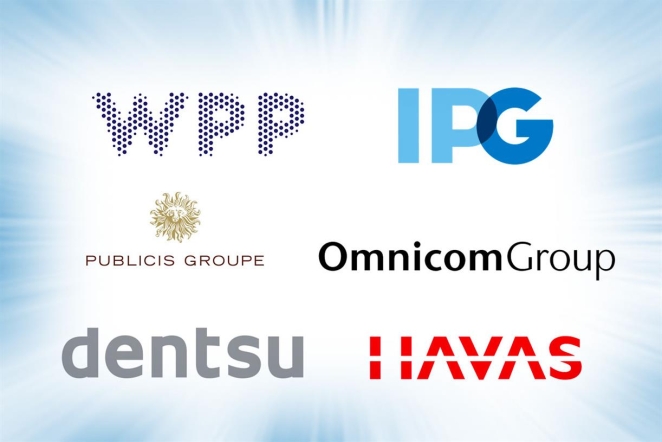
The major holding companies have been merging and streamlining to maintain growth. In late 2025, Omnicom’s $13.5 billion acquisition of Interpublic Group (IPG) stunned the industry, creating the world’s largest advertising conglomerate. The immediate fallout saw iconic agency brands merged or retired and thousands of layoffs. In theory, this consolidation gives big networks more scale.
But it also revealed cracks in the model – as talent from those mergers flowed out into the market, many laid-off stars founded their own boutique shops or joined independent agencies, injecting fresh skill into the indie sector. Moreover, such upheaval left some clients asking, “Do we really need to pay big agency premiums for the same service we could get from a smaller, hungrier team?”. The consolidation paradox is that getting “bigger” has in some cases driven brands to seek “better” elsewhere.
In-Housing and Transparency
Over the past few years, many companies have built up internal marketing capabilities, reducing reliance on external agencies. In fact, 91% of brands have moved some advertising duties in-house, using agencies more sparingly and demanding greater transparency and ROI when they do outsource. This trend pressures all agencies – big or small – to prove their value.
However, when brands do seek outside help, they’re often looking for very specific strengths they can’t easily replicate internally (be it a creative breakthrough, specialist knowledge, or extra bandwidth). Here, boutiques have been capitalizing: marketers say they want “agile, data-driven partners who prioritize their success over corporate synergies”. In other words, an external agency must feel like a nimble expert extension of the team, not a black-box vendor. Smaller agencies that operate transparently and collaboratively check that box for many clients.
Technology as the Great Equalizer
The digital revolution and democratization of marketing tech have largely leveled the playing field between large and small agencies. Today, a five-person agency can access the same programmatic ad platforms, social media tools, and AI analytics as a holding company. The difference is not access to technology; it’s organizational bloat. Boutique agencies leverage off-the-shelf and affordable tools to automate campaigns, analyze data, and optimize in real-time just like the big players.
“The difference is not access to technology; it’s organizational bloat”
Skill and agility matter more than sheer size when everyone has similar tech at their fingertips. In areas like influencer marketing, for example, independents have thrived by quickly adopting new AI-driven discovery tools and social commerce integrations that big agencies were slower to pivot to. The takeaway: technology is no longer a moat exclusive to the big networks. It’s now empowering sharp boutique teams to compete head-on.
Performance Over Prestige
Gone are the days when flashy TV ads and award-show glory alone kept clients happy. Results are the reigning currency. Brands large and small are laser-focused on ROI, whether that’s sales lift, lead generation, or engagement metrics. Agency hiring decisions are increasingly made on “who will drive outcomes” rather than “who has the bigger name.” This shift toward performance-based partnerships favors agencies that are accountable and hyper-focused on client KPIs.
Boutique agencies, often being hungrier and willing to put skin in the game, have embraced performance-based fees and real-time optimization as a way to prove their value. (It’s telling that performance-based payment models have rapidly become standard.) Big agencies are adapting too, but it’s a cultural shift for organizations used to hefty retainers. In 2026, the winners will be those who can tangibly demonstrate business results, not just deliver glossy creative. Many independents build their entire model around that principle, focusing on conversions and customer growth over vanity metrics.
Hybrid Approaches
It’s not strictly black-and-white between huge networks and tiny boutiques. We’re also seeing the rise of integrated midsize agencies or micro-network collaborations, which try to blend the best of both worlds. Some former big-agency veterans have launched their own small agencies but maintain alliances with other specialized shops, creating a virtual network when needed. Meanwhile, some holding companies have spun up smaller sub-agencies or acquired indie firms but left them to operate with more autonomy and a boutique feel.
These hybrid models acknowledge that clients often want both breadth and agility – a tailored team of specialists without the red tape. For example, an integrated agency might offer PR, social, and media services under one smaller roof, coordinating closely to avoid the silos of a large network. Such models could be strong contenders in 2026, appealing to brands who don’t want to choose between size and specialization outright.
Big vs. Boutique: Which agency model will win in the future

Officina Poligonale Studio
The truth is, “winning” might not mean one type of agency completely vanquishes the other. Both big networks and boutique agencies will likely coexist but their roles and share of the pie are set to change in 2026.
All signs point to boutique and independent agencies continuing to gain ground. The momentum is on their side, driven by clients’ demand for agility, personal attention and tangible results. 2025 was even dubbed “The Year of Independent Ad Agencies” based on industry research tracking their rise. That trend is expected to carry into 2026 as more brands (especially growth-focused and mid-sized advertisers) choose specialized partners who can move fast and innovate.
The massive consolidation at the top (e.g. the creation of a mega-agency from the Omnicom-IPG merger) ironically is proving the case for going small as thousands of talented refugees from big firms set up shop independently, the pool of high-quality boutique agencies has never been stronger. And many clients are finding that a crack team of specialists can often out-hustle and out-perform a big agency that’s busy managing its own complexity.
Both big networks and boutique agencies willcoexist but their roles and share of the pie are set to change in 2026
However, this doesn’t mean big agencies are obsolete. Far from it. The global giants will still win business, particularly with the world’s largest advertisers and those who value scale and security. Enterprise brands that need a single partner to handle multi-continent campaigns and prefer a conservative, process-driven approach will continue to turn to the big networks.
Big agencies will remain the choice for large, slow-moving enterprise deals and companies prioritizing brand safety and consistency over experimentation. In other words, the holding-company model will still make sense for certain clients in 2026 – but likely those are the more traditional, risk-averse advertisers or those requiring the full suite of services in many markets at once.
For many brands, the optimal solution might not be an either/or choice. We’re seeing brands adopt a hybrid agency strategy: perhaps retaining a big agency for global brand management or media buying clout, while engaging boutique firms for creative campaigns, social media bursts, or particular market expertise.
Should brands hire big agencies or boutique agencies?
The answer can be both – depending on the project. A savvy brand in 2026 might use a large network agency for what it does best (say, a massive product launch that needs 25 country roll-outs), but tap a smaller creative boutique for a cutting-edge TikTok campaign or a culturally nuanced local market push. The lines are blurring as holding companies acquire or mimic boutiques, and independents partner up to extend their reach.
Adaptability Is the Real Winner
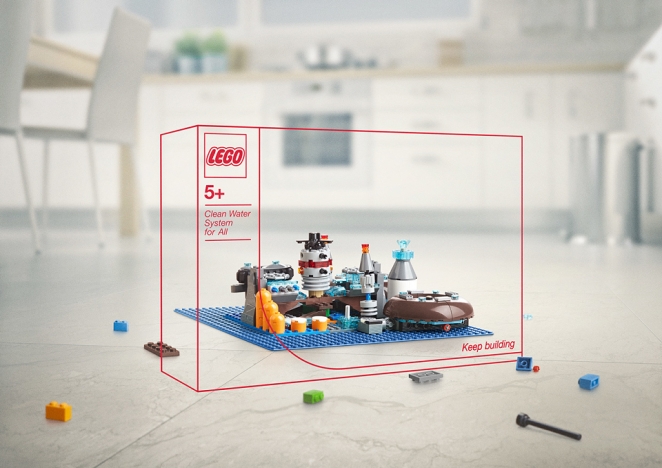
Atila Martins
Ultimately, the future of advertising agencies isn’t about size defeating size; it’s about which model best adapts to what clients value most. And what do clients value in 2026? Agility, innovation, transparency, and results.
Any agency (big or small) that can deliver on those fronts will thrive. Boutique agencies have built their model around exactly these values, which is why they’re ascendant. The big networks, to stay competitive, are being forced to reinvent and shed their old “Mad Men” era baggage, becoming leaner and more client-centric than ever before.
So, who wins in 2026, big or boutique?
If current trends hold, the edge goes to the boutiques for new and dynamic brands, while the big networks remain players for those who need what only scale can provide. In the long run, we expect a more fragmented, specialized, performance-driven landscape where independent experts thrive, and legacy giants play a more limited (but still important) role.
The real winners will be the agencies (of any size) that blend the best of both worlds: the ones that pair creativity and personal service with smart use of technology and global savvy. And of course, the biggest winners will be the brands that get to choose from a richer variety of agency partners to find the perfect fit for their needs.
The real winners will be the agencies that blend the best of both worlds
In the battle of big vs boutique, the verdict by 2026 may well be that bigger isn’t necessarily better; better is better. The agency model that “wins” will be the one that delivers better ideas, better speed, and better results for clients. And that’s a future every marketer can get behind.