



In creative work, feedback is inevitable. But what if the goal isn’t to brace for it, dodge it, or dilute it—but to design for it? For too long, client feedback has been seen as the unpredictable x-factor in the creative process: a hurdle to clear, or a gauntlet to survive. But that mindset reinforces a false divide. It keeps the creative team and client on opposite sides of the table, when in fact they need to be sitting together.
Laura Stein, Chief Creative Officer at Bruce Mau Design, puts it best: “Every new project needs a bit of ‘culture-making’ at the outset—setting the right tone, expectations, and defining ways we’ll get to great work. This includes the client as well. If you can set up a collaborative culture from the very beginning, you can avoid the rollercoaster ride of praise and criticism.”
The traditional creative-client dynamic tends to be transactional: the agency presents, the client critiques. Work happens in isolated phases, and feedback becomes a reactive force. But when collaboration is baked in from the start, feedback evolves into something else entirely: a shared process of discovery.
Setting the Tone Early

Martin Lewis
The "culture-making" Stein refers to isn’t just about team morale or office vibes. It’s about designing the mechanics of the relationship. Who talks when? Who decides what? How do we disagree? These questions shape the project just as much as the brief does.
Bruce Mau Design uses a practical, intentional strategy to shift this dynamic: kicking off every project with a generative workshop. It’s not a warm-up or a formality—it’s foundational. “This allows everyone to start a relationship more naturally, be curious on both sides, be in real dialogue, instead of setting up the project as a series of presentations by us and feedback/criticism by them,” says Stein. “The client is inside the work and responsible for its outcome.”
That’s a powerful reframe. It asks clients to stop being gatekeepers of taste and become co-creators of meaning. It shifts the energy from evaluation to exploration.
Criticism vs. Curiosity
In most projects, the moment creative work is shown is the moment tension creeps in. Everyone tightens up. Creatives worry they’ll have to defend. Clients feel pressure to have an immediate opinion. Feedback, in that context, becomes a kind of judgment day.
But in a culture of collaboration, feedback isn’t a verdict. It’s a conversation. That’s why Stein and her team often structure strategy workshops as provocations rather than polished solutions.
“The more we can circle the answer together, the closer we get to a solution that will resonate,” she explains. “I once had a designer who was distraught after one of those sessions: ‘They didn’t pick any of them.’ I was very happy with how it went – none of the ideas were meant to be The One. They were meant to stretch their thinking. And help us then move to what we knew to be the right solution.”
This kind of iterative thinking only works when the client is brought into the ambiguity, not shielded from it. It requires a shift in mindset: from seeing feedback as critique to seeing it as co-navigation.
Making the Client Part of the Creative Team
Jesse Boyce
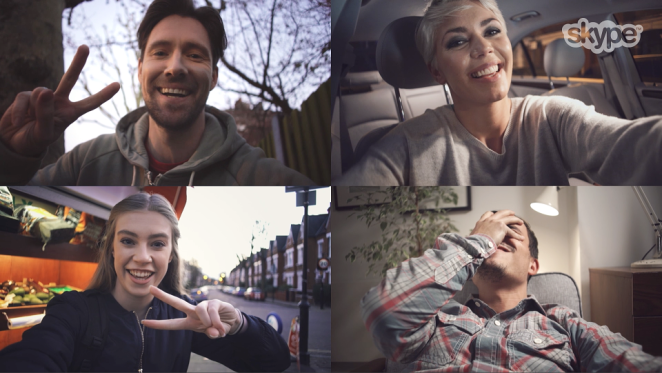
The most successful creative relationships treat clients like team members, not customers. That doesn’t mean they design or write or code. It means they engage in the same processes of inquiry, trial, and iteration.
Stein recounts a client who specifically requested a workshop instead of a traditional pitch. “If I could, I would pitch this way every time,” she says.
It’s easy to see why. A workshop-style pitch isn’t a monologue—it’s a working session. It lets teams demonstrate not just what they’ve done, but how they think. It turns the pitch from a performance into a partnership.
In that spirit, creative teams should be rethinking not just their output but their process. How early are clients brought in? How open are you to shaping the solution together, not just selling it? When you get stuck, do you share the roadblock or hide it until it’s solved?
Building Feedback Literacy
Of course, not all clients are ready to workshop. Some need to unlearn habits just like creative teams do. That’s where feedback literacy comes in: the ability to give, receive, and use feedback in a constructive way.
Creative teams can help guide this. Don’t just ask clients what they think—ask them why. Don’t just take notes—summarize what you heard, and test for clarity. Create space to separate emotional reactions from strategic goals. All of this takes time, but it saves much more down the road.
It also pays to be transparent about the purpose of each phase. If you're sharing early concepts, say so. Set expectations for what kind of feedback is helpful at each stage. Not everything is up for grabs at every moment.
From Critique to Collaboration
Ashley Gray
When the creative process is structured as a conversation instead of a contest, feedback becomes less about taste and more about alignment. It becomes a shared tool, not a weapon.
This shift doesn’t happen by accident. It happens by design. It happens when we build relationships, not just presentations. When we treat clients as thinkers, not approvers. When we invite them into the work, not just the review.
So the next time you feel braced for the feedback round, ask yourself: how was the table set? Was the client brought in early? Were they engaged as partners, or cast as critics? Because the creative process doesn’t have to be a rollercoaster of praise and criticism. With the right setup, it can be a steady, collaborative climb.
As Stein shows, when you build a feedback loop on trust, curiosity, and shared ownership, you don’t just survive the feedback. You evolve with it. And the work gets better because of it.
Jason Elkin June 6th, 2025, in the evening
Love reading this article a simple yet powerful perspective that can be applied to all business interactions. Thank you Laura!