
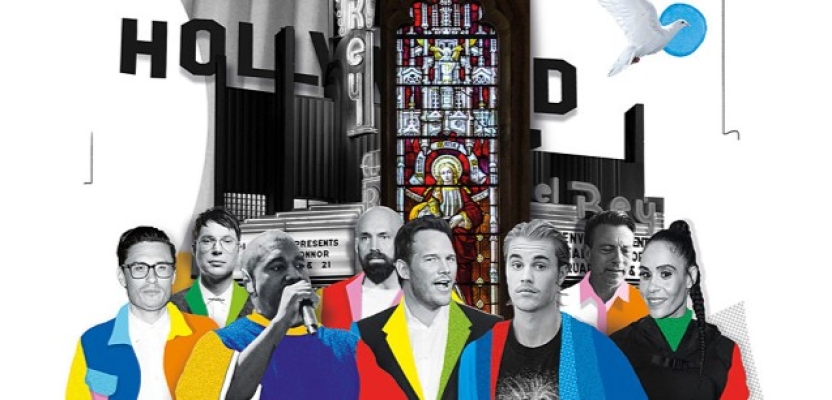

To say the summer of 2024 has been a rough ride for Hollywood would be a spectacular understatement. While there have been a few notable outliers, many of the major blockbuster releases that were expected to dominate the box office not only fell below expectations but, in some cases, lost hundreds of millions of dollars.
This has prompted countless industry insiders to question the future of big-budget filmmaking. With streaming services continually reshaping the entertainment landscape and a noticeable shift in audience behaviour, is Hollywood as we know it on the brink of collapse? And what does that mean for the creative industries?
The Summer of Flops
This past summer witnessed a series of high-profile disappointments. Films that came with star-studded casts, heavy marketing campaigns, and enormous budgets struggled to break even, let alone turn a profit. While some were casualties of poorly received narratives or creative missteps, others faced challenges that seemed beyond their control.
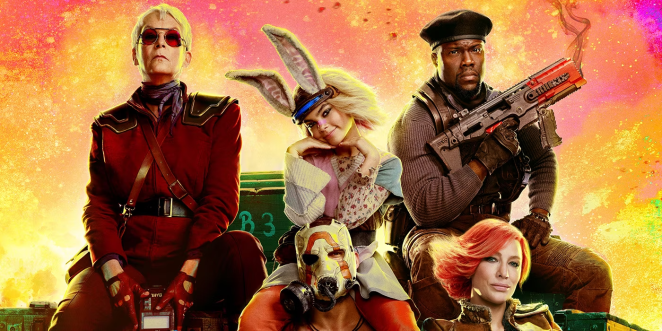
Borderlands made just over $30 million on a $120 million budget
One significant factor is the changing habits of moviegoers. The pandemic accelerated a shift toward at-home entertainment, with audiences becoming accustomed to instant access via streaming platforms. For many, the allure of the cinema no longer outweighs the convenience of watching a film from the comfort of their couch. Add to this the rise of high-quality, original content from streaming giants like Netflix, Amazon Prime, and Disney+, and it's easy to see why even the most hyped blockbusters are failing to draw crowds to cinemas.
The Streaming Surge
Streaming services have not just changed how we watch films; they've changed what we expect from them. The subscription model allows for a diverse range of content to thrive, from niche indie films to grand-scale epics. With audiences now expecting more variety and willing to explore genres they might have previously ignored, the traditional Hollywood formula of big budget, tentpole films is starting to feel stale.
Moreover, streaming platforms have the financial clout to support ambitious projects without the box office pressure that cinemas impose. This has led to a creative renaissance of sorts, where filmmakers can take risks that would be untenable in the high-stakes world of theatrical releases. As a result, Hollywood's reliance on formulaic blockbusters is increasingly at odds with the evolving preferences of a more discerning and fragmented audience.
Audience Apathy and Changing Tastes
Hollywood's troubles go beyond the rise of streaming. There is a growing sense of apathy among audiences toward big-budget filmmaking, often criticized for its reliance on franchises, sequels, and reboots. Many viewers are tired of the same recycled stories and are yearning for originality and diversity in storytelling. This desire is being fulfilled more effectively by independent films and international cinema, which are more accessible than ever thanks to streaming services.
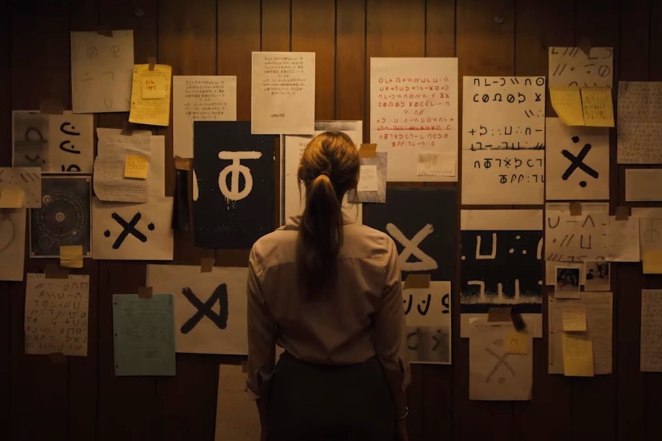
Longlegs made over $100 million on a less than $10 million budget
The lacklustre performance of many big-budget films has also been attributed to a disconnect between Hollywood and its audience. Studios have been accused of pandering to what they perceive to be audience demands, leading to formulaic storytelling and a lack of creative risk-taking. Meanwhile, viewers are gravitating towards content that challenges norms and provides fresh perspectives—qualities that the current Hollywood model struggles to deliver. Just look at the runaway success of the genuinely bizarre low-budget horror film Longlegs compared to the shocking failure of superhero tentpole movie and Spiderman spin-off Madame Webb for proof.
What This Means for the Wider Creative Industries
Hollywood's struggle has a ripple effect on the wider creative industries. Film has long been a cultural touchstone, influencing trends in fashion, music, advertising, and even technology. If Hollywood continues to falter, it could signal a broader shift in cultural consumption, where traditional media forms give way to new and more interactive experiences.
For filmmakers, artists, and other creatives, this period of upheaval presents both a challenge and an opportunity. On one hand, the decline of big-budget filmmaking could mean fewer opportunities within the traditional studio system. On the other, the rise of streaming and digital media opens up new avenues for creativity, funding, and distribution. Creators now have more power to tell diverse stories and reach global audiences without the need for Hollywood's backing.
Is Hollywood Truly Dead?
While it's tempting to declare Hollywood dead, the reality is more nuanced. Hollywood is undergoing a significant transformation, forced to adapt to an era where storytelling is not confined to the silver screen. The industry's future may lie in a more hybrid approach—embracing streaming while still leveraging the unique experience of cinema. Big-budget films are unlikely to disappear entirely, but they may evolve, becoming more selective, innovative, and reflective of the diverse audience they aim to serve.
Hollywood's decline is not so much a death as it is a rebirth, driven by the relentless march of technology and changing audience tastes. As with any major shift, there will be winners and losers. But for the creative industries at large, this evolution could usher in a new golden age of storytelling—one that is more inclusive, varied, and accessible than ever before.
In the end, it's Hollywood's ability to reinvent itself that will determine its fate. If it can learn from its summer of flops and embrace the new storytelling paradigms championed by streaming and digital media, it might just live to entertain the masses another day.