
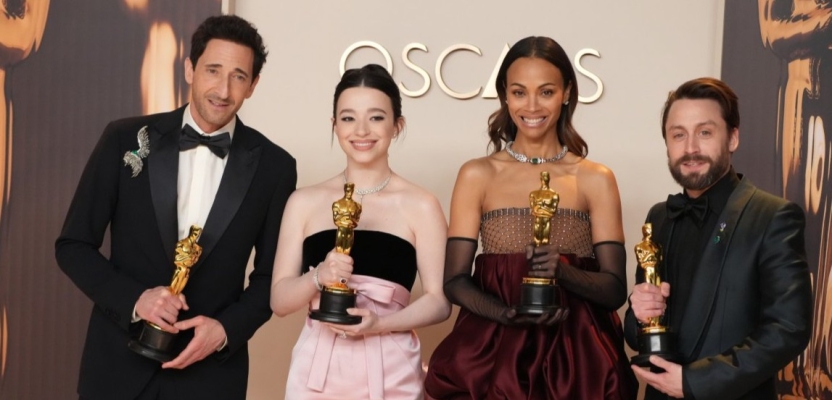

The Academy Awards has always been a magnet for controversy, which is why it was so surprising this weekend when everything just seemed to go… ok. No big rebellious speeches and few voices of dissent to raise above the glistening gold pulpit. It was just about as vanilla as it’s possible for an Oscars ceremony to be. As far as the actual films being honoured, however, it actually speaks volumes of the trends currently gripping our creative industries as a whole.
In a night where independent spirit, narrative ambition, and fearless boundary‐pushing took centre stage, films like Anora, The Brutalist, and The Substance have not only redefined what awards success looks like—they’ve also sent a clear message to creatives everywhere.
At the same time, a few misfires (looking at you bizarre and unnecessary James Bond routine) and a lingering political unease reminded us that even the biggest nights in showbusiness can be a mixed bag.
The Indie Triumph: Anora and the New Face of Cinema
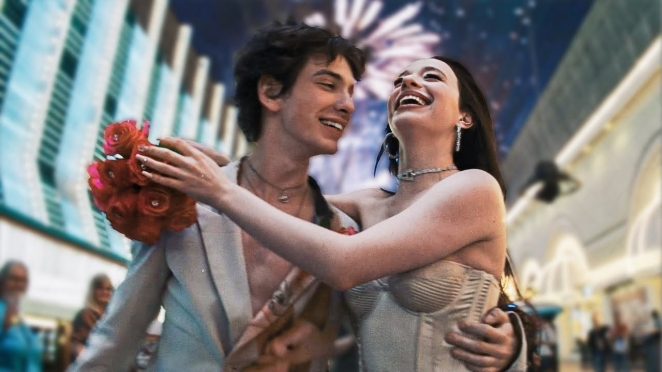
At the heart of the 2025 Oscars was Anora, the breakout independent film that clinched a leading five trophies—including Best Picture, Best Director, Best Actress, Best Original Screenplay, and Best Film Editing. Made on a shoestring budget of $6 million and yet grossing significantly above expectations, Anora represents a seismic shift in the cinematic landscape. For creatives, this is more than just a win on a trophy shelf—it’s a resounding endorsement of authenticity, risk-taking, and unconventional storytelling.
Anora’s success underscores a vital lesson: great art doesn’t have to come from blockbuster budgets. Instead, it can thrive on passion, originality, and a commitment to a genuine narrative. The film’s success signals that audiences, critics, and peers alike are increasingly valuing stories that speak truth to life—stories that prioritize the human condition over the polished veneer of mainstream commercialism. For designers, writers, filmmakers, and advertisers, this victory is a call to innovate; to push beyond the safe confines of conventional formats and to embrace the raw, unfiltered spirit that independent work so effortlessly conveys.
Creatives can draw inspiration from Anora’s resourcefulness—from its scrappy production methods to its deeply personal storytelling. The film’s accolades encourage artists to believe that limitations can become strengths, and that small teams with big ideas can disrupt even the most entrenched industry norms. In an era where digital tools and alternative financing models are levelling the playing field, Anora is a testament to the power of vision over volume.
Embracing the Long Form: The Brutalist and the Revival of Epic Storytelling
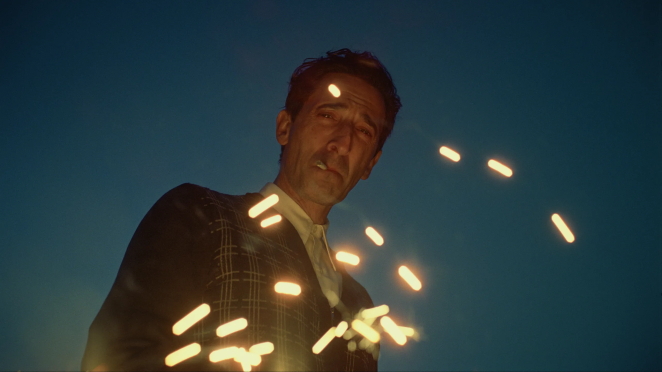
In a time when social media and short-form content have conditioned audiences to expect rapid-fire, bite-sized entertainment, The Brutalist has boldly reasserted the value of immersive, long-form storytelling. With a runtime that stretches over three and a half hours—and a thoughtfully inserted intermission—The Brutalist challenges the prevailing norm. It’s a cinematic marathon that invites viewers to pause, reflect, and truly savour a meticulously constructed narrative.
The film’s success is not merely measured by its box-office returns or awards tally; it’s reflected in the cultural conversation it has sparked. The intermission, once considered an outdated relic of bygone eras, has been reinvented as a moment for audiences to catch their breath and absorb the grandeur of a story that demands both time and attention. For creatives, this is a critical reminder: depth and complexity often require patience, and in our era of fleeting digital interactions, there remains an audience eager for experiences that unfold at a deliberate pace.
The Brutalist’s epic scale—and the willingness of its creators to invest in an immersive viewing experience—offers a clear directive to creatives in every field: sometimes, less is more when it comes to pacing. It’s a nudge for filmmakers, scriptwriters, and even digital content creators to experiment with formats that allow narratives to breathe. In a world dominated by short clips and rapid-scroll feeds, there is renewed appreciation for content that respects the audience’s time, inviting them to embark on a journey rather than just providing a quick fix.
Moreover, the film’s technical achievements—its use of VistaVision to recreate a tactile, almost tangible aesthetic—remind us that innovation in storytelling can also be found in how a story is presented. It’s an encouragement for visual artists and filmmakers to look back to classic techniques and reimagine them with modern technology, blending the old with the new to create something both timeless and fresh.
The Substance and Fearless Experimentation
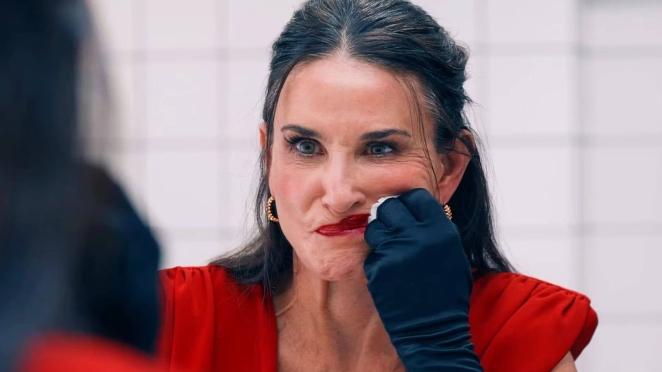
If Anora celebrates authenticity and The Brutalist champions epic storytelling, then The Substance stands as a beacon for boundary-pushing creativity. With its bold narrative choices, visceral themes, and experimental approach to genre, The Substance has proven that the creative risks that once scared off traditional studios are now celebrated.
This horror film’s success reflects a growing appetite among audiences for narratives that defy convention and push against conventional narratives. By embracing elements of body horror, satirical commentary, and wildly unconventional character arcs, The Substance challenges viewers to confront discomfort—and in doing so, it expands the creative palette for filmmakers and storytellers. For creatives, its accolades are a powerful reminder that innovation often lies at the edge of the familiar. Pushing the envelope isn’t just encouraged; it’s essential.
In practical terms, The Substance teaches creatives that bold thematic experiments and visual storytelling techniques can create memorable, culturally resonant work. Whether you’re in film, advertising, or digital media, the film’s willingness to cross traditional boundaries is an invitation to experiment with new formats, challenging the audience to see the world through a different lens. It’s an affirmation that sometimes, the art that resonates most is the art that dares to be different.
Trump’s Lingering Shadow
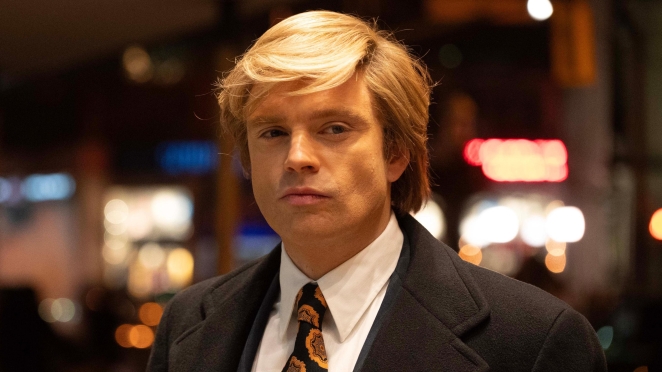
While the films have been the clear protagonists of the night, a quieter, more pervasive undercurrent was the general sense of unease emanating from the political backdrop. Despite the focus on cinematic artistry, the spectre of Trump still looms large—whether in the subtext of acceptance speeches or in the careful avoidance of overt political commentary. Not to mention the fact Sebastain Stan was nominated on the night for playing the current US president in a less than flattering (and vastly underrated) biopic.
Trump’s influence has become a kind of shorthand for the divisiveness and tension pervading not just politics but also cultural expression. His lingering presence in public discourse has forced creatives to navigate a tricky balance: they must tell their stories authentically without becoming mired in overt partisanship that can alienate or polarize audiences.
For the creative community, this atmosphere is both a challenge and an opportunity. On the one hand, it serves as a reminder that art does not exist in a vacuum—political realities inevitably seep into creative work. On the other, it highlights the potential for art to serve as a counterbalance: a medium through which critics of the status quo can express dissent, spark dialogue, and inspire change. Whether consciously or not, many of this year’s winners have tapped into a collective yearning for narratives that reconcile personal ambition with larger political and social concerns.
This subtle political tension—the awareness that art is both a reflection of and a reaction to the world around us—should embolden creatives. It calls on artists to be both fearless and thoughtful in addressing the realities of our time, ensuring that their work remains relevant, resonant, and responsible.
When Nostalgia Misses the Mark
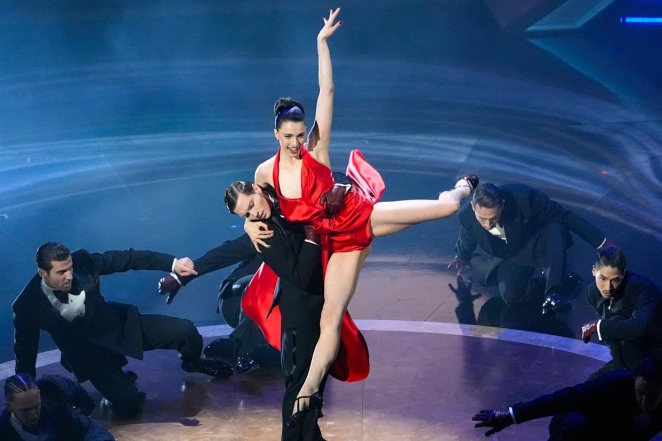
No Oscars review of 2025 would be complete without a nod to the already infamous James Bond routine—a segment that, by most accounts, fell spectacularly flat. Intended as a tribute to the legacy of the Bond franchise and its longtime producers, the routine instead came off as forced, outdated, and painfully miscalculated.
The segment featured a medley of iconic Bond tunes, cover performances by pop stars, and elaborate choreography that seemed more concerned with ticking nostalgic boxes than with capturing the spirit of the films. In an era when creative authenticity is prized, this clumsy homage felt like a relic of a bygone age—one that fails to resonate with today’s audiences.
For creatives, the mishandled tribute underscores the risk of leaning too heavily on nostalgia without understanding what made the original material so compelling. Rather than celebrating innovation, the routine appeared to be a desperate grasp at retro charm—a reminder that homage must be sincere, inventive, and contextually aware. In short, it served as a cautionary tale: when trying to evoke the past, ensure that your approach is as fresh and vibrant as the era you wish to honour.
A Blueprint for Evolution
The 2025 Oscars have proven to be much more than a celebration of cinematic excellence—they have offered a blueprint for creative evolution. The triumphs of Anora, The Brutalist, and The Substance collectively send a resounding message: authenticity, risk-taking, and narrative ambition are the currencies of the future. Independent cinema is not only thriving—it’s redefining the landscape. Long-form storytelling, as championed by The Brutalist, is making a comeback, reminding us that in an age of instant gratification, depth and immersion still have a cherished place. And The Substance’s daring experimentation is a clarion call for creatives to step beyond safe boundaries and embrace the unexpected.
At the same time, the missteps—the awkward Bond tribute and the lingering political tensions symbolized by Trump’s shadow—offer important lessons. They remind us that while honouring the past can be meaningful, it must be done with a fresh perspective and a keen understanding of the present. They also underscore that politics and art are inextricably linked, and that navigating this intersection requires both courage and nuance.
In a world where creative output is constantly challenged by commercial pressures, rapid technological changes, and a polarized political climate, the lessons of 2025’s Oscars are both timely and timeless. They invite every creative professional—from filmmakers and designers to advertisers and digital storytellers—to take a step back, reimagine their craft, and dare to be different. The Oscars have always been a mirror of their times, and this year’s reflection is one of bold, innovative risk-taking combined with a measured, thoughtful appreciation for the art of storytelling.
As we move forward, let these wins remind us that great ideas are not the privilege of the few with deep pockets, but the reward for those who dare to be authentic, to tell their stories with passion, and to look beyond the conventional. For creatives, the 2025 Oscars are not an endpoint but a starting point—a spark that can ignite a new era of art that is both challenging and deeply human.
Ultimately, while the night was punctuated by moments of both brilliance and blunder, it stands as a testament to the power of creative evolution. The winners of this year’s Oscars have redefined what is possible in cinema—and by extension, in all creative endeavours. And if there’s one takeaway for all of us, it is this: creativity, in all its messy, unpredictable glory, is our most potent tool for understanding and transforming the world.