



We’re barely two weeks into 2026 now so it’s difficult to really claim one way or another what this will be “the year of” but it’s always wise to study what the big brands are up to at this time of year. Will there be a swift pivot towards nostalgia in a world that grows darker and more dangerous by the day? Or are they going to embrace the chaos?
Whatever the direction of travel, consumer expectations have certainly shifted over the last 12 months and so have the priorities guiding brand strategy. It’s no longer enough to have flashy ads or a sleek logo. Success now hinges on authentic connections, clear brand purpose, and innovative approaches that resonate with both people and algorithms.
In fact, the branding and positioning landscape has shifted away from polished perfection toward something much more valuable: raw humanity. Below, we explore the key areas defining what brands are looking for in 2026 and how these changing priorities are reshaping marketing strategies and agency relationships.
Why Are brands Changing the Way They Brief Agencies?
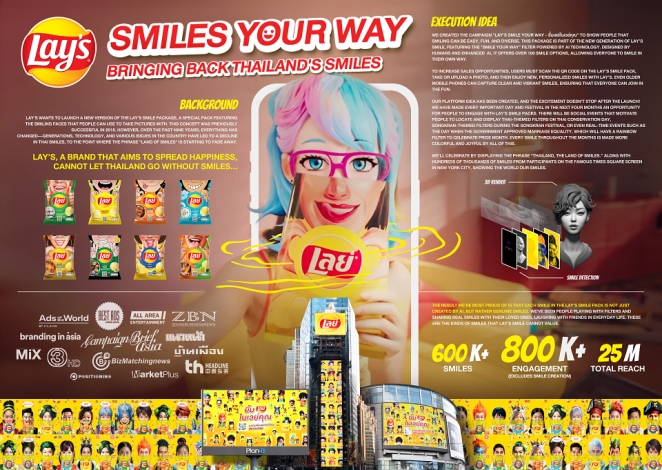
Brilliant and Million
Brands in 2026 are doubling down on long-term brand building and trust, even as they maintain pressure on performance. Notably, brand awareness and equity are back in focus. Indeed, 62% of CMOs were tracking brand awareness metrics in 2025, up from 42% in 2024, which points towards a renewed emphasis on brand-building efforts.
However, the way brands build awareness and value has changed. Rather than just seeking broad reach, brands are aiming for deeper engagement and credibility. Trust has become a critical currency: according to Edelman, a striking 88% of consumers say trust in a brand is as important to them as price or quality when making purchase decisions.
This means brands are prioritizing activities that foster trust and loyalty, recognizing that a trusted brand can command loyalty and even price premiums in a competitive marketplace. The brand marketing strategy now revolves around creating a consistent, credible presence across channels, so that every interaction (whether a social post, customer service chat, or ad campaign) reinforces the brand’s reliability and value.
At the same time, brands are keenly aware that consumer attention is harder to earn in an age of information overload. The cost of producing content has dropped thanks to digital tools and AI, but the cost of gaining true attention has skyrocketed. This has pushed brands to shift from pumping out polished, generic marketing to focusing on what genuinely connects with audiences.
In other words, brand positioning and messaging are being recalibrated: instead of projecting an image of corporate perfection, brands seek to position themselves as relatable, values-driven partners in the consumer’s life. They are asking, “What do we stand for, and how do we prove it in every interaction?” Answering this question has led to a set of clear priorities: authenticity, purpose, innovation, and deeper partnerships.
Authenticity and Trust Take Center Stage
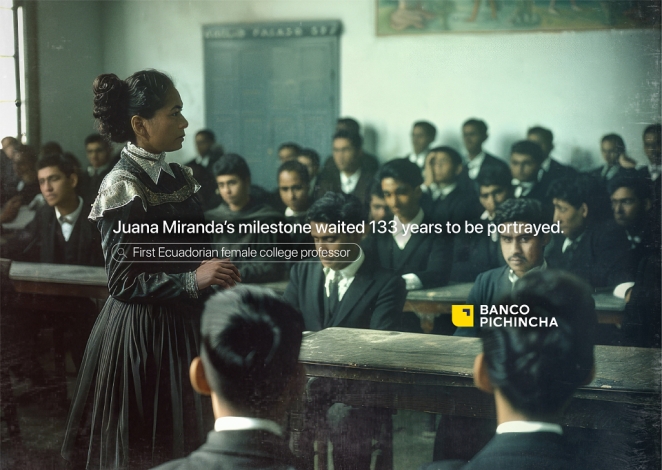
MullenLowe Delta
In 2026, with disinformation rife and only magnified by AI, authenticity is the bedrock of brand strategy. An overwhelming 88% of consumers say authenticity is important in deciding which brands they support. With audiences increasingly adept at filtering out marketing “fluff” (and quick to sense when content is AI-generated or insincere), brands are striving to sound and act more human in all they do.
That means showcasing real voices, real stories, and sometimes even flaws. The brands poised to win are those willing to let real people speak on their behalf, show their process, and participate honestly in culture. In practice, this could look like featuring employees’ or customers’ stories on social media, sharing behind-the-scenes glimpses, or responding with candor when issues arise.
Building trust through transparency is another essential piece of the puzzle. Honesty and openness (about everything from product sourcing to the use of technology) help brands stand out as trustworthy. Notably, audiences are now highly AI-literate and expect brands to be upfront about when and how they use AI in interactions.
Brands that clearly disclose when customers are chatting with a bot or when content is AI-assisted can build trust through honesty, not perfection. Similarly, being transparent about mistakes or challenges, rather than hiding them, often earns consumer respect. Authenticity in 2026 means sharing the truth of the brand’s journey, not just the glossy highlights.
One emerging strategy here is “micro-storytelling” – sharing small, unpolished stories frequently, instead of only big-budget campaigns. These candid moments (an employee’s day at work, a quick customer testimonial, a real-time response to a cultural moment) signal that humans are behind the brand.
Purpose and Values as a Compass
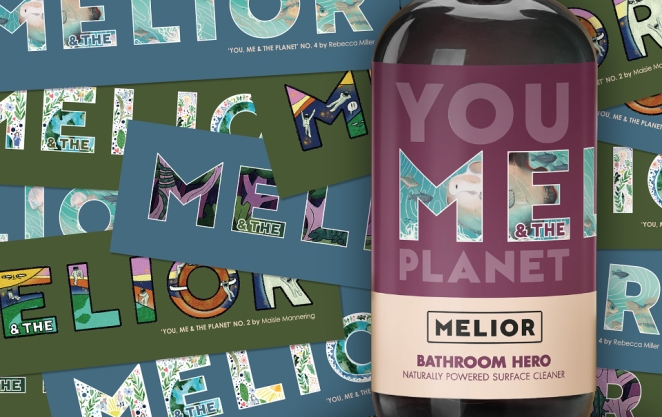
Biles Hendry
Another thing brands are emphatically prioritizing in 2026 is a strong brand purpose and clear values, not just on paper but in practice. Consumers today don’t just ask what a brand sells, but why it exists and what it stands for. Research finds 71% of people say a brand’s purpose is important to them, and nearly half say a brand’s stated purpose positively influences their buying decisions.
In the UK and beyond, terms like “brand purpose” and “brand value” have become central to marketing conversations, reflecting growing search interest. But there’s a catch: many brands have not communicated their purpose effectively, so most consumers struggle to identify the purpose of major brands. This gap is driving brands in 2026 to clarify and broadcast their purpose more consistently and, crucially, to align their actions with their words.
Consumers, especially younger ones, are quick to call out performative or inconsistent behavior. Brand values need to align with those of the audience. Most shoppers prefer brands whose values mirror their own and if there’s a blatant mismatch, 39% say they would permanently boycott even their favorite brands.
This is a powerful incentive for brands to live their values authentically. Whether it’s sustainability, social justice, inclusivity, or community support, brands are looking to integrate these values into their core business strategy.
For example, rather than running the occasional charity campaign, many brands are establishing ongoing programs that give back to communities, because three out of four Gen Z consumers are more likely to buy from brands that actively contribute to charity or social causes. The message is clear: purpose-driven branding and positioning is not a “nice-to-have” – it’s a competitive necessity in winning hearts and minds.
Brands are now expected to have a voice on societal issues by default too. If a brand stays silent on a major social or environmental issue, consumers assume it’s either doing nothing or trying to hide something. In 2026, therefore, brands are carefully choosing causes that align with their identity and speaking up in a genuine way. They understand that purpose builds a kind of emotional equity that complements product value.
In the long run, a well-defined and authentically communicated purpose can boost brand loyalty and even resilience in crises. As one set of industry statistics put it, when a brand supports the community, consumers are more likely to support that brand in turn. Brands are looking to cultivate this goodwill by standing for something meaningful and proving it through action.
How are Brand priorities Changing?
Gramafilm
Innovation has always been important to brands, but in 2026 it’s less about shiny gadgets and more about using technology thoughtfully to enhance the customer experience and build brand differentiation. One major shift is the rise of AI-driven discovery: consumers are increasingly turning to AI assistants and large language model platforms (like ChatGPT) to ask what to buy or which brands to trust.
This means brands are now vying to be the recommended answer when an AI is asked for, say, “the best sustainable sneaker brand” or “a reliable budget smartphone.” In response, forward-looking brands are focusing on Answer Engine Optimization (AEO) – structuring their content and digital presence so that AI tools recognize them as authoritative, credible sources.
In other words, brand awareness strategy is becoming as much about being algorithm-friendly as it is about being memorable to humans. Brands are investing in high-quality content, expert partnerships, and consistent positive signals (good reviews, active communities) across the web to earn this algorithmic trust.
Beyond search, brands are also exploring immersive and innovative ways to engage consumers. With audiences suffering digital fatigue, companies are looking into multisensory brand experiences that make interactions more engaging and memorable. This kind of brand innovation serves a strategic purpose: it keeps the brand relevant and exciting in consumers’ minds.
For example, some retail brands are blending physical and digital experiences (think AR-enhanced shopping or virtual showrooms) to create a sense of novelty and deeper connection that flat two-dimensional ads can’t achieve. The goal is to spark genuine excitement and engagement, which in turn fuels organic awareness as customers share these experiences.
Crucially, however, brands are careful to leverage technology without losing the human touch. The mantra for many in 2026 is that AI should be a co-pilot, not a replacement. Brands want to automate where it improves efficiency but they’re ensuring that the final creative output or customer interaction retains human warmth and empathy. Because an AI alone can create a piece of content, that content likely isn’t distinctive enough; the human element provides the emotion, cultural context, and lived experience that make a brand experience memorable.
In summary, brands are looking to be innovative in 2026 by embracing new tech and platforms, but always in service of building a more personalized, convenient, and human-feeling experience for the customer.
Integrated Storytelling
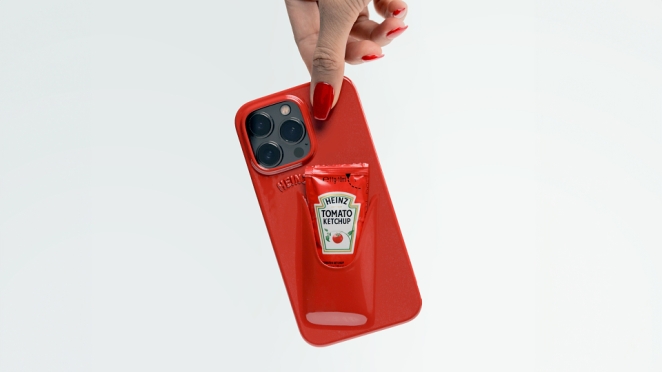
The Kitchen @ Kraft Heinz
With trust and purpose so high on the agenda, brands are also seeking greater consistency across all touchpoints. Gone are the days when a brand could say one thing in an ad and do something different in customer service or on their website. Now every facet of the brand’s presence needs to sing from the same hymn sheet – reinforcing the same core values, voice, and promises. This has led to what some are calling a move from isolated campaigns to integrated storytelling.
Rather than treating marketing campaigns as standalone bursts of creativity, brands are crafting more continuous narratives that unfold over time and across channels. The content a brand shares on social media, the experiences it offers in-store or in-app, and the stories it tells through PR or advertising are all being woven into one cohesive brand story.
A powerful example of this shift is the emergence of the “trust brief.” Industry strategists predict that in 2026, brands will evolve beyond the traditional creative brief (which might focus on a single campaign’s look and feel) to a trust brief – a guiding document for agencies and teams that emphasizes building credibility at every turn.
Instead of asking, “What’s our next big creative idea?” brands are asking, “How will this initiative reinforce the trustworthiness and authority of our brand ecosystem?” In practical terms, a trust brief ensures that every piece of content is vetted for credibility and consistency – claims must be backed by data or evidence, and stories must highlight real benefits or positive change brought to customers’ lives. This integrated approach helps brands win over both humans and AI gatekeepers by presenting a united, authoritative front.
The focus on integration also means breaking down silos between marketing, PR, customer service, and even product teams. Brands are looking for ways to maintain a unified voice and message whether a consumer is reading a tweet, a press release, or a product FAQ.
A seamless, credible brand experience builds familiarity and trust over time. Consistency is so crucial that even when updating brand visuals or messaging, companies in 2026 do so carefully – they are mindful not to alienate loyal customers who have emotional ties to existing brand elements.
The challenge is to stay fresh and modern without sacrificing the recognizable and trusted parts of the brand identity. In essence, brands want to be seen as dependable and genuine at every touchpoint, and they’re aligning their strategies accordingly.
What Brands Expect From Agencies: New Expectations in 2026

FDRY - Foundry Digital
All these shifts in brand priorities naturally extend to what brands expect from their agency partners. In 2026, the client-agency relationship is evolving into more of a strategic partnership than a simple service provider transaction.
Brands are seeking agencies that can move at the speed of change, deliver specialized expertise, and collaborate seamlessly with in-house teams. In fact, the expectations of clients have fundamentally changed – they’re looking for agility, accountability, and a true extension of their internal team.”
This means an agency must be nimble enough to pivot quickly with market trends, transparent and results-driven in their work, and integrated in a way that feels like they are part of the brand’s own organization.
Several specific qualities stand out in what brands want from agencies now:
- Agility and Speed: Marketing cycles are faster than ever, and brands need agencies that can respond in real-time and capitalize on emerging trends or sudden changes. Whether it’s adjusting a campaign based on viral feedback or deploying a new content strategy when an algorithm changes, agencies must be quick on their feet.
- Specialized Expertise: With the marketing landscape growing more complex (think AI tools, niche social platforms, data privacy rules, etc.), brands value agencies that bring deep expertise in critical areas. Industry leaders note that brands are putting pressure on agencies to provide both breadth and depth – especially in navigating new tech. There’s a “dual pressure” on agencies to be highly specialized while remaining flexible, particularly as AI platforms proliferate and require informed strategy.
- Strategic Thinking & Accountability: Gone are the days of vanity metrics. Brands expect agencies to tie campaigns to business outcomes and prove their impact. This involves using data and analytics to guide creative decisions and measure success. Agencies that proactively suggest strategic improvements (rather than just taking orders) are highly prized. As one CMO quipped, clients don’t just want to “buy time” – they want to buy outcomes. Agencies must therefore be accountable for results and ROI, not just deliverables.
- Cultural and Values Alignment: Since brands are heavily focused on purpose and authenticity, they want agencies who understand and embrace the brand’s values. An agency that can communicate in the brand’s tone and guard its reputation is a valuable partner. Moreover, trust and confidentiality are paramount – essentially, the agency should care about the brand’s consumers and mission as much as the brand does.
Another trend influencing agency relationships is the shift in how brands brief their agencies. The rise of the “trust brief” indicates that brands are changing what they ask for: instead of commissioning one-off ads, they’re asking agencies to help build an “authoritative brand ecosystem” that consistently earns trust. This might involve more content marketing, thought leadership, community management, and other trust-building exercises, rather than just traditional advertising.
It also reflects a reality where AI search algorithms might evaluate a brand’s overall online presence; thus, brands expect agencies to ensure every campaign contributes to a larger narrative of credibility. In practical terms, an agency might now be tasked with ensuring that a brand’s SEO, PR, social media, and ad campaigns all reinforce key messages and purposeful storytelling that AI and humans alike will recognize as authentic.
Interestingly, even as some companies have built in-house marketing capabilities, the fast pace of change in areas like AI is causing brands to rely on external partners for cutting-edge skills. There’s recognition that an outside perspective can drive innovation. Clients in an AI-powered environment will continue to rely on agencies but only if those agencies step up with the right value. Agencies which effectively harness AI and specialize will thrive, and that clients might actually outsource more if agencies deliver the value they need.
In other words, brands are happy to partner closely with agencies, provided those agencies can do things better, faster, or more innovatively than could be done in-house.
A Pursuit of Something Timeless
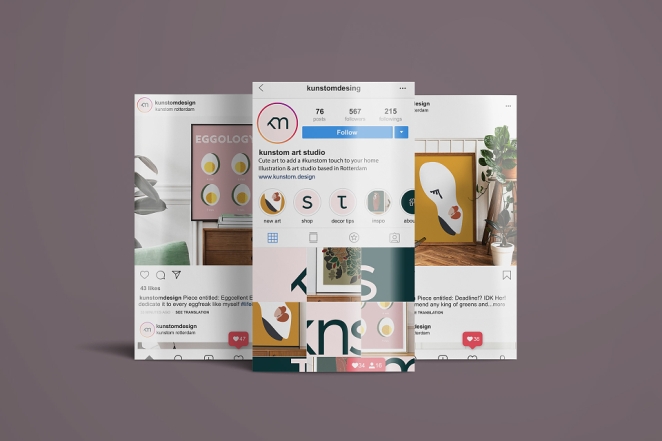
Studio Anka
What brands are looking for in 2026 is a harmonious blend of authenticity, purpose, innovation, and partnership. They want to build brands that people trust and care about (which means being genuine and value-driven) while also staying ahead of technological shifts and cultural trends.
The priorities have shifted toward long-term relationship-building with consumers: fostering trust through transparency, demonstrating purpose through action, and engaging audiences with human-centric storytelling. Brands are also recalibrating how they measure success, balancing traditional metrics like awareness with deeper measures of trust, loyalty, and community engagement.
All these changes significantly influence how brands work with agencies and marketing teams. The ideal partners are those who can embody the brand’s mission, move with agility, and ensure consistency across a fractured media landscape. Briefs are getting broader and more holistic (think trust briefs over simple creative briefs) to ensure every effort ladders up to a credible brand narrative.
Ultimately, brands in 2026 are in pursuit of something quite timeless (loyal customers who believe in them) but the way to achieve that now lies in evolving with the times. By focusing on authenticity, aligning with consumer values, innovating wisely, and collaborating deeply with the right partners, brands aim to not only meet consumer expectations but also to build stronger brand equity that stands the test of time in this new era.
Shawnee Dee January 18th, in the small hours
Great article.