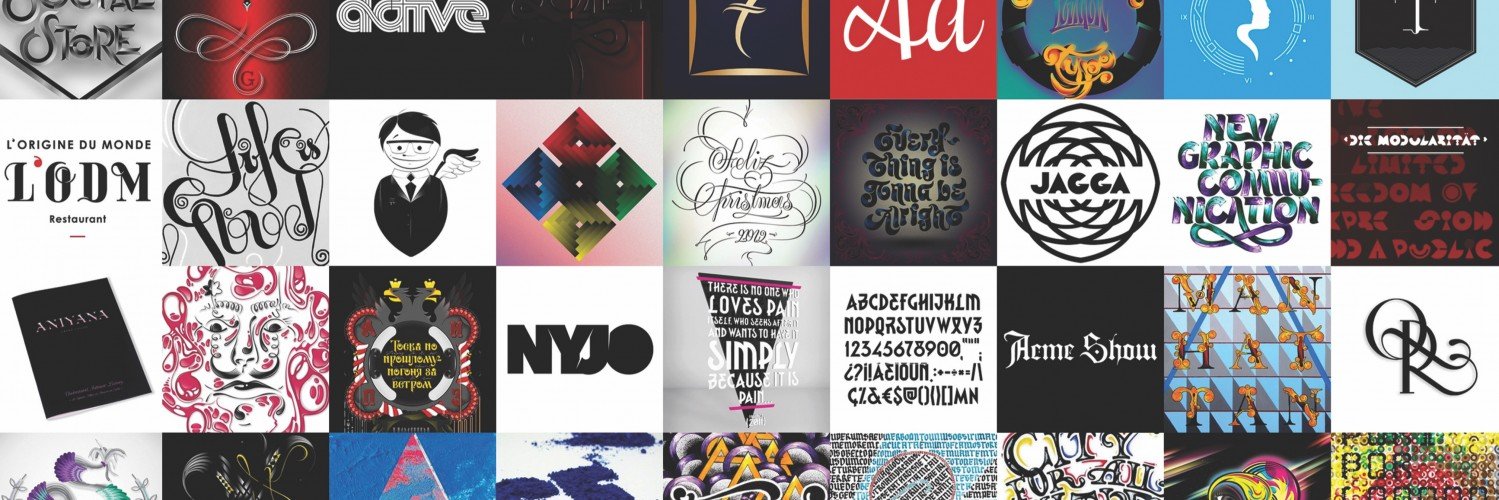
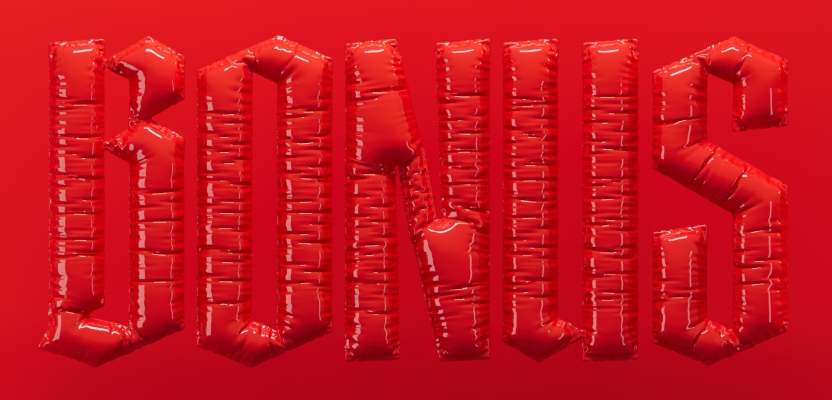

Creativepool is thrilled to shine our Member Spotlight on Alex Camacho: a graphic and type designer whose journey from Barcelona’s skate and graffiti scenes to London’s cutting-edge studios has redefined what it means to blend raw creativity with technical finesse.
With a hands-on foundation in print and digital design, Alex crafts bold, punchy visuals that balance the freedom of doodled sketches with pixel-perfect polish. Splitting his time between two of Europe’s most vibrant creative hubs, he brings a fresh, DIY spirit to every branding and typography project, proving that the best solutions emerge where play, experimentation, and rigorous craft collide.
How did you first get into the industry?
I started out with internships at two very different design studios, one with a focus on editorial design and another more centred on digital. That contrast gave me a solid grounding in both print and digital thinking early on. I was lucky that the digital studio gave me the space and flexibility to experiment and explore ideas during projects.
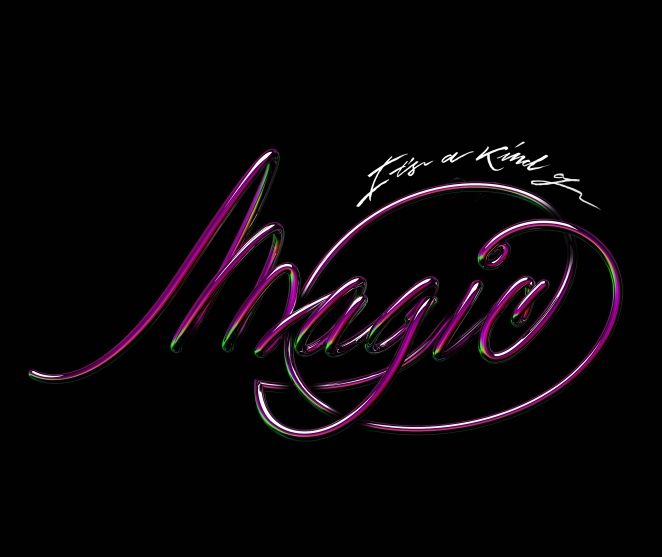
That freedom really shaped how I approach design, not just as a way to solve problems, but as a space to play, test, and push concepts further. Those early experiences helped me find my direction, especially in branding and typography, which have become central to my work.
Where are you based now and who do you work for?
I’ve been based in London since 2009, but over the last couple of years, I’ve also been spending part of the year in Barcelona. Remote work has made it possible for me to share my time between both cities, which is something I really value nowadays.
It gives me a fresh perspective creatively and allows me to stay connected with clients internationally. I currently work as a freelance designer, collaborating with agencies, brands, and organisations across sectors, from advertising and branding to illustration and type design.
What is your personal background and what role did it play in your career?
I'm originally from Barcelona, and my background is deeply rooted in visual subcultures. I grew up immersed in skateboarding, graffiti, and punk and hip hop music. A world full of raw creativity, bold visuals, and a strong DIY attitude that definitely shaped how I see design. I’ve also always been drawn to craft; even as a kid, I loved making things by hand. That mix of street culture and hands on experimentation laid the foundation for my interest in art, typography, illustration, and design.
I studied a BA in Graphic Design at Elisava in Barcelona, and later completed an MA in Communication Design at Central Saint Martins in London. Before settling in London, I travelled a lot and spent extended periods of time in the United States and Asia, which had a big influence on me both personally and creatively. Being exposed to so many different cultures and ways of thinking helped me stay open minded and curious, qualities that continue to shape my work today.
If you weren’t in your current industry, what would you be doing?
I’m attracted to all kinds of crafts, especially painting. Nowadays, I spend a lot of time in front of the screen, and sometimes I miss working more with my hands or spending time outdoors. If I weren’t in design, I’d love to explore more hands on creative work, whether that is painting, sculpture, or something that lets me connect with materials and the open air.
Can you explain your creative process? What makes it unique?
My creative process really depends on the project and the brief, but ideally I start everything by hand. I have a very manual approach to design, and I always begin by sketching and developing ideas on paper. I often get quite far with the concept just by hand before moving to the computer.
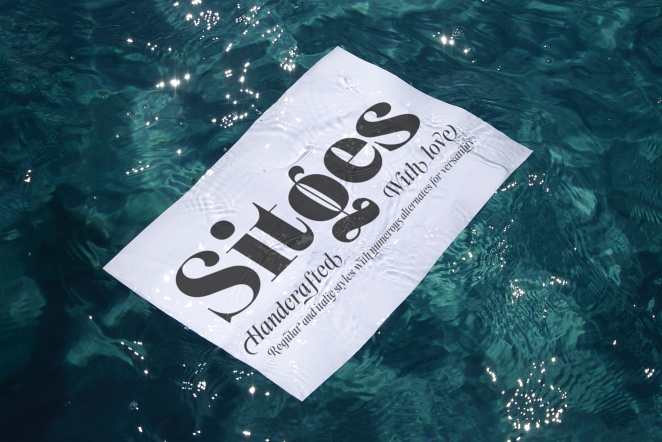
Once I am happy with the sketch, I redraw and polish all the details digitally. What I really love about working on the computer is how it allows me to achieve a level of precision and detail that is difficult to get by hand. Also, the software we have today is amazing for experimenting and pushing ideas further to see where they can go.
How would you describe your style?
I try not to have a fixed style and always adapt to the client’s brief. That said, I think there is something consistent across all my work, even if it is hard for me to pinpoint exactly what. I am drawn to strong visuals with punch that grab attention and communicate clearly. I also like my designs to be polished and clean, with attention to detail that makes the final result feel refined.
Which individuals do you gain inspiration from? Do you have any heroes in the industry?
I draw inspiration from many different sources, but there are certain big names I always like to go back to and revisit their work. People like Ken Barber, Victor Moscoso, Milton Glaser, La Boca, Tony Di Spigna, Michael Doret, and many more. Each of them brings something unique to the table and inspires me to push my own creative boundaries.
What tips would you give to aspiring creatives looking for work?
I think it is very important to focus on personal work. If you are not getting client projects, create your own. Make the kind of work you would like to be hired for in the future. That way, clients can see what you are capable of and the type of work you want to do. It shows initiative, creativity, and helps you build a portfolio that truly represents you.
What tips would you give to other professionals to get more clients?
It is a difficult question, because as a freelancer there are always ups and downs. Sometimes it is hard not to get stressed while waiting for the next project. In my case, I try to stay focused on personal work.
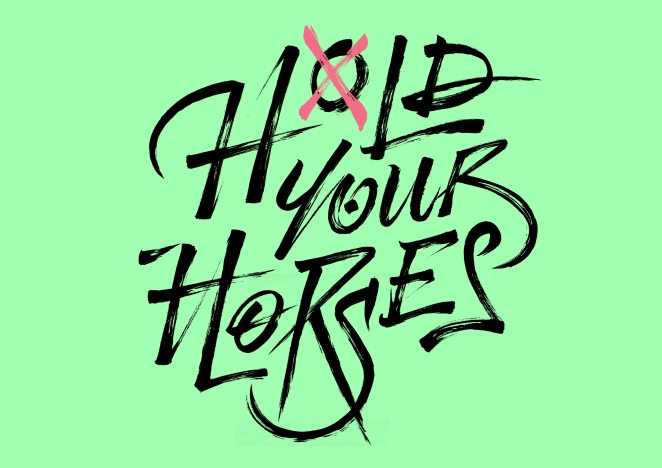
I spend time developing my typeface collection and working on things I usually do not have time for when I am busy with client projects. Personal projects keep me motivated and visible, and often lead to new opportunities.
Can you share a memorable experience from your career journey that shaped your approach to creativity?
One experience that really changed the way I approach design was studying my MA at Central Saint Martins. At the time, there were hardly any formal classes, the course was built around conversations, feedback, and open discussions about the projects we were working on.
That environment allowed me to understand how other people think and approach creative work. Since there were almost no structured lessons, everything I wanted to learn, I had to find my own way. It was very self directed, which taught me to be proactive, resourceful, and confident in shaping my own path.
Over those two years, I learned a lot about different ways of seeing and developing ideas. It was especially inspiring to be surrounded by people from so many cultures and backgrounds, and to see how that shaped their thinking and process. It taught me to be more open, reflective, and flexible in my own creative journey.
What kind of tools/kit/software could you not do without?
I use many different programs depending on the project. The ones I use most often are Adobe Illustrator, Photoshop, Cinema 4D, After Effects, and Glyphs. Each one plays a different role in my workflow, whether it is for design, motion, 3D, or type development.
What’s your secret to staying inspired and motivated?
I try to take on work that allows me to learn something new, whether it is a new technique, style, or software. That is what keeps things interesting for me. I do not like repeating the same style over and over, because I get bored easily. Learning and experimenting is what keeps me motivated and excited about the work I do.
What’s the work achievement you’re most proud of?
I do not want to repeat myself, but the work I am most proud of is usually personal. When there is no client involved, it can actually be more challenging because all the decisions depend on you. It pushes me to trust my own vision, experiment more, and grow as a designer. Those projects feel the most rewarding.
As someone with experience in the industry, what trends do you foresee shaping the future of creativity?
What I see is that technology is playing a bigger role in creativity every day. At the same time, there are two very different directions happening, and both are equally interesting. One is highly technological, with tools like AI and 3D becoming more common.
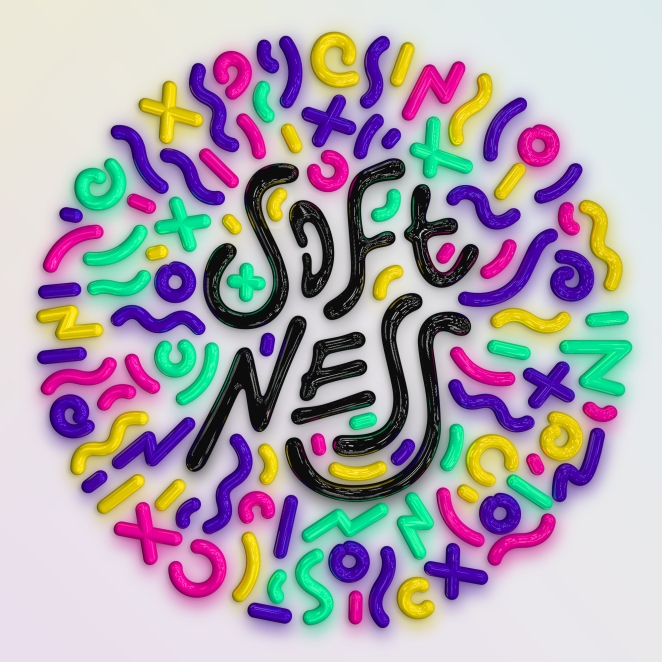
The other is more manual and craft-based, where designers are reconnecting with handmade processes. I think it is exciting to see how each designer finds their own voice within these directions.
What do you think sets apart truly exceptional creatives from the rest of the pack?
I think great designers have a strong natural talent, but they are also great thinkers. I always appreciate a clever idea executed with excellent technique. And without a doubt, behind every designer who consistently produces great work, there are many, many hours of hard work and dedication.
How do you think technology has influenced the creative industries and how have you adapted to these changes?
Technology has definitely democratized design. It is now much easier to access tools, resources, and tutorials. If someone wants to learn a new software, the internet is full of free content to get started, which I think is amazing.
On the other hand, technology has also led to a flood of similar-looking designs that often reflect the tool more than the designer. For me, the challenge is finding the right balance between a strong idea and a well executed visual. That is where creativity really stands out.
What is the one thing that you would change about the industry?
One thing I would change is the fast pace mentality that some clients have. Good design takes time to develop and refine, but often there is pressure to deliver everything immediately.
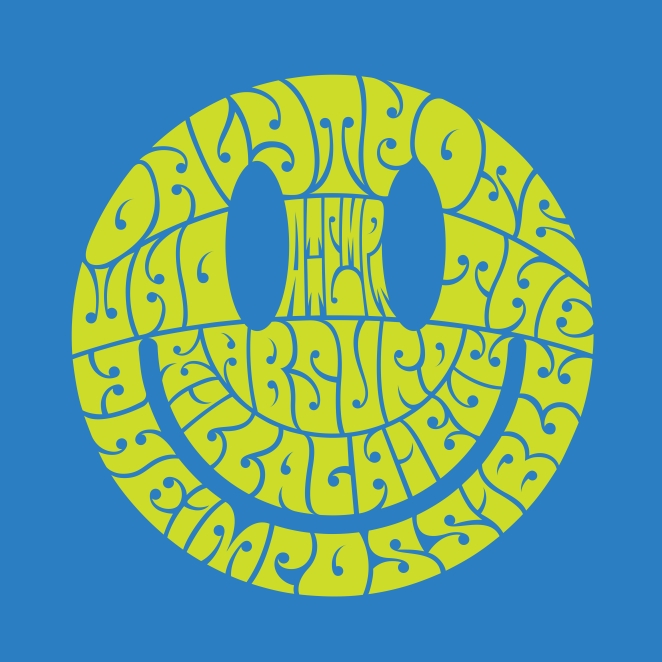
Of course, that is hard to change because it reflects how society works today, everything needs to be done by tomorrow, because the day after might already be too late. It is something we cannot fully control, so we have to learn to adapt while still trying to protect the quality of our work.
Any websites, books or resources you would recommend?
Websites like Itsnicethat.com, ilovetypography.com, typographica.org, Tdc.org, are great online resources. I am also a big collector of design books. One of the latest additions to my collection is Alphabet City by Michael Doret — I am a huge fan of his work.