

In a world saturated with digital noise, one thing consistently cuts through the chaos: nostalgia. Brands are increasingly turning to the past to strike emotional chords and spark connection. But behind the warm fuzzies lies a more complex question—how much nostalgia is too much? Industry voices weigh in on why this trend holds such sway, what risks it carries, and how brands can use it without getting stuck in rewind.
I caught up with a few industry insiders to gain some insight into why this trend continues to resonate and how brands can navigate its complexities.
The Emotional Shortcut of Nostalgia

Daisy Noble, Strategy Director at The Clearing, elucidates the appeal of nostalgia in branding:
"It's easy to see why so many brands lean into nostalgia. By tapping into people’s memories (so often viewed through rose-tinted spectacles) it’s a shortcut to powerful emotion – which brands crave - whilst also signalling comfort, reassurance and trust."
However, Noble cautions against over-reliance on this tactic:
"But while shortcuts can be great, they can also be a lazy alternative. By borrowing emotion and trust from a previous time, brands aren’t challenged to create something unique, creative and relevant for today. Brands have to bridge the gap between nostalgia and the future otherwise there’s a real risk of getting stuck in the past."
Nostalgia's Cross-Generational Appeal

Zoe Lewis, Partner at Amplify, highlights how nostalgia fosters happiness and security among consumers, driving trends across various sectors:
"Nostalgia works in marketing by making consumers feel happy and secure. This emotional pull is a driving force behind current trends and is currently evident across a range of categories."
She points to Coca-Cola's revival of retro-inspired flavors and the resurgence of Y2K fashion, propelled by platforms like TikTok, as evidence of nostalgia's pervasive influence. Lewis also notes its impact in the luxury market:
"In the luxury market, the recent 20-year celebration of the collaboration between Louis Vuitton and Takashi Murakami sparks nostalgia for early 2000s fashion, attracting Millennial fans’ purchasing power while captivating Gen Z by spearheading the campaign with Zendaya."
The toy industry, too, leverages nostalgia to engage multiple generations:
"This cross-generational appeal of nostalgia is also prominent in the toy industry. Hasbro's relaunch of the Furby strategically targets Millennial parents' fond memories while incorporating updated features to attract Gen Alpha. This initiative joins the ongoing popularity of other nostalgic toys like Tamagotchi, further highlighting the potent and widespread influence of nostalgia in today's consumer landscape."
Reflecting on Contemporary Culture
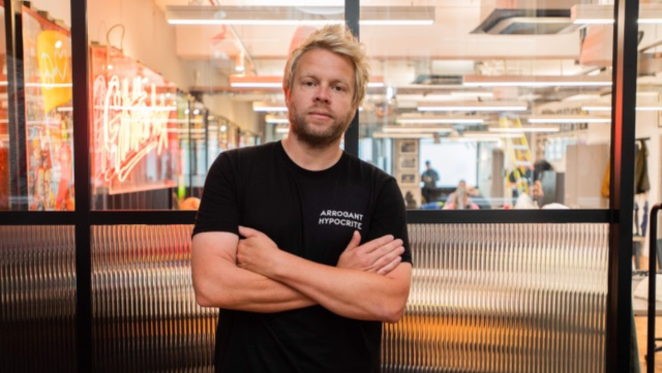
James Kirkham, Founder at ICONIC, offers a critical perspective on the prevalence of nostalgia in advertising:
"Nostalgia's dominance is often seen as a damning indictment of contemporary culture's failure to generate new aesthetic movements worthy of emotional attachment."
He observes that brands' frequent revisitation of past decades underscores a cultural stagnation:
"When brands repeatedly mine the 80s, 90s, and early 2000s, they're tacitly acknowledging that algorithm-driven culture has produced a frictionless, context-free present that people struggle to connect with."
Kirkham emphasizes the communal experiences of the past as central to effective nostalgic campaigns:
"The most effective nostalgic campaigns work because they tap into collective memory formed before digital fragmentation. The playground conversations about Nintendo, the shared VHS tapes, the music that defined generational moments represent the last gasp of truly mass cultural touchpoints."
He warns that brands risk perpetuating a fragmented cultural landscape:
"Brands are selling the communal experience of the past, a sharp contrast to today's hyper-personalised recommendation engines that ensure we're consuming different content from our neighbours."
As a solution, Kirkham advocates for creating new shared experiences:
"The antidote to nostalgia addiction is recognising what it's really telling us. People crave cultural anchors and shared reference points. Forward-thinking brands will use nostalgic aesthetics as a bridge toward creating new collective experiences. Think physical retail concepts, community-centred events, and cultural spaces that forge fresh memories rather than recycling old ones."
Tapping into our Collective Memory

Becki Ritchie, Senior Strategist at Proud Robinson + Partners, feels there's something communal and relatable about a nostalgia kick.
"Deeply evocative, nostalgia is a powerful tool, tapping into personal and collective memory to make comms more relatable, impactful and appealing. It’s a shortcut to meaning and resonance and creates a means for brands to participate in these shared cultural experiences."
She also muses on the way our political and social climate can act as something of a nostalgic mirror.
"The resurgence of past values, romanticising "simpler times” and giving new, deeper meaning to everyday artefacts of times gone by can all provide a sense of comfort, validation or even hope."
A New/Old Emotional Currency

Joanna Allcock, Brand and Client Development Lead at Seed/Amplify, believes nostalgia has become emotional currency, especially for Gen Z.
"In uncertain times, brands are tapping into the comfort of the past to drive connection, joy and escapism. We’ve seen it in the rise of “kidult” culture, collectibles like Sonny Angels and Lego are booming, not just as toys but as little luxuries with mental health benefits. TikTok’s pushing them to Gen Z, not kids, and it’s working. Nostalgia here isn’t passive - it’s a coping mechanism."
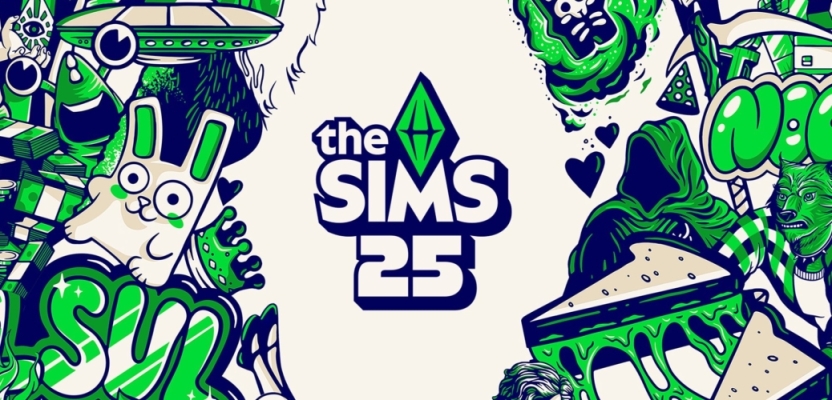
It's The Sims' 25th anniversary that nailed it for her: limited-edition vinyls, collabs with real-world creators, and a throwback content drop all helped blur the lines between nostalgia and now. As she continues:
"The best nostalgia marketing doesn’t just rehash the past, it reimagines it in a way that feels culturally relevant and emotionally resonant. But it has to evolve. Without fresh thinking, nostalgia risks becoming a creative crutch. Done right, though, it’s still one of the most powerful tools brands can use."
Final Thoughts
Nostalgia works because it feels good—and in uncertain times, comfort sells. But brands can't rely on recycled memories alone. The smartest strategies use nostalgia as a launchpad, not a crutch—bridging familiar feelings with fresh experiences. By blending emotional resonance with cultural relevance, brands can create campaigns that not only honour the past but help define what’s next.