

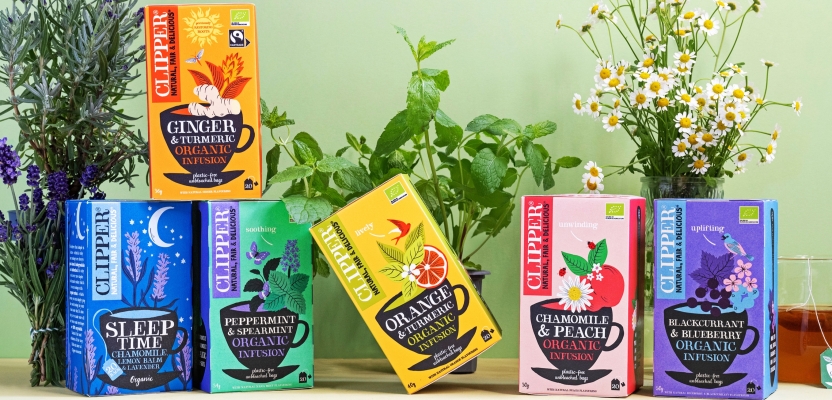

When Ugur Vidinligil swapped the agency boardroom for the camera lens, he wasn’t just changing careers, he was re-engineering the way brands tell their stories. Having cut his teeth at global heavyweights like BBDO and Ogilvy, Ugur’s frustration with seeing his creative vision lost in translation pushed him behind the camera.
What began with a makeshift can shot for BP, crafted entirely from daylight and reflectors, has since evolved into a career spanning FMCG giants, coffee chains, and restaurants across London.
Blending the sharp eye of an art director with the technical rigour of a photographer, Ugur approaches every brief as both strategist and storyteller, bridging the gap between creativity and commerce with visuals that feel as considered as they are compelling.
How did you first get into the industry?
Before becoming a professional photographer, I started my career in advertising as an art director. I worked at several local and global agencies including BBDO and Ogilvy. Over time, tight budgets and the frustration of not getting the visuals I envisioned pushed me to start taking photos for my own campaigns.

My first ever printed work was a can shot for a BP engine oil ad. I didn’t own any lights then—I set everything up using daylight, reflectors, and blockers. A few years later, I left my job at Ogilvy Istanbul to become a full-time photographer. Back then, most of my work was for ad campaigns.
Where are you based now and who do you work for?
I’ve been based in London since early 2016. I currently work as a freelancer with a mix of clients—ranging from restaurants and coffee chains to well-known FMCG brands.
What is your personal background and what role did it play in your career?
I’ve been into photography since I was about 7 or 8 years old, thanks to my dad who always had his Kodak Retinette 1A with him. He gave me my first camera when I was 10. I studied mechanical engineering at university, which I didn’t enjoy and never pursued as a profession, but it shaped my analytical way of thinking.
After university, I moved into advertising as a graphic designer/art director. I’ve always had an eye for design and visuals, and advertising sharpened my understanding of brand identity, marketing, consumer behaviour, and storytelling. It also helped me build a strong portfolio and network, which proved invaluable when I transitioned into photography.
Outside of my professional work, I spend a lot of time photographing architecture and city streets. It’s something I genuinely enjoy and return to whenever I have free time. My dad was an architect, and he introduced me to Modernism and Brutalism early on.
Over the years, I’ve found myself naturally drawn to those styles, and they’ve had a big influence on the way I approach my personal photography. They’ve helped shape the way I see and frame spaces, and that influence is quite visible in my self-promotional work.
If you weren’t in your current industry, what would you be doing?
I’d probably have pursued architecture. I love researching design and architecture and photographing buildings wherever I go. My self-promotional photography often revolves around this.
That said, I’d also have loved to be a rally driver! Motorsports were my other big passion growing up. I used to drag my family to races—camera in hand, of course.
Can you explain your creative process? What makes it unique?
Unlike many in my industry, I’m not afraid of client meetings, marketing strategies, or diving into reports. I try to approach every project with a positive, calm, and attentive mindset.
I believe brand teams often know their product or service better than anyone else, so I make it a priority to listen and learn from them. Alongside that, I do my own research—not just into visuals, but into how competitors communicate, what they say, and how they say it.
Once I understand the brand identity and positioning, I look for new ways to communicate their message visually. I enjoy being part of the ideation process and bringing something fresh to the table. I think what makes my approach unique is that I’m not just delivering technically strong images—I try to contribute to the brand’s visual language in a meaningful way.
Whether it's refining their look or helping shape how they're perceived, I want my work to support and elevate their identity. I'm also never shy about trying new techniques or taking on extra effort to make a project stand out.
How would you describe your style?
I’m drawn to structure, patterns, and visually balanced compositions. Balance is a keyword for me. I don’t think of myself as a super artsy photographer—more like a director. I like organizing and engineering visual solutions. With my background in branding, I try to bridge the gap between creativity and strategy to deliver efficient, appealing results.
Which individuals do you gain inspiration from? Do you have any heroes in the industry?
Inspiration comes from everywhere—one perfect photo by an unknown photographer can amaze me. Social media, for all its noise, still delivers surprising beauty. Sometimes you’re just scrolling through the feed of an ordinary person—someone sharing family moments or travel photos—and suddenly, there it is: a stunning shot.
Something real and unexpected. That’s the beauty of photography. Everyone's an observer, and anyone can capture a remarkable image. How accessible this medium actually is.
Some personal heroes:
- Filip Dujardin – for his impossible architectural compositions.
- Gregory Crewdson – for his magical lighting and scenes.
- Daido Moriyama – for his raw, real, sometimes harsh photography.
- Saul Leiter – for his honest, naive photography and his take on art and life.
- Peter Mitchell – for his brilliant work documenting an era in Britain.
- Erwin Olaf and Loretta Lux – both visually stunning and conceptually strong.
What tips would you give to aspiring creatives looking for work?
It’s hard to see the full picture when you're just starting out. Don’t connect with people just to find work—connect to socialise, make friends, and enjoy shared interests. Find people whose company you genuinely like. More often than not, those are the people you’ll end up working with too.
Instead of fixating on getting jobs right away, focus on discovering your style and enjoying the process. Photography is more than just a skill—it’s a way of seeing the world. Try to hold on to that amateur spirit: stay curious, passionate, and open. If you love what you do, that authenticity comes through—and it’s what draws the right opportunities to you.
What tips would you give to other professionals to get more clients?
Same as above: connect genuinely. Find people you click with. Like choosing a dentist—you want someone who makes you feel at ease, not just the most experienced one.
Also, focus on your online presence. I’m still working on this myself. Word of mouth is great, but building an accessible, engaging digital profile is increasingly important. That’s how people find and evaluate you now.
Can you share a memorable experience from your career journey that shaped your approach to creativity?
Early in my career, I was working at a local advertising agency in Istanbul. The agency had just lost some clients and was downsizing its team. Despite handling nearly three times the workload of one of my colleagues, I was the one who got let go. At the time, I took it very personally—I was angry and frustrated. It felt unfair, and I carried that weight for a while.
Eventually, I managed to pick myself up and let go of those hard feelings. Not long after, I found a new job at a much less-known agency—one that turned out to be a great fit. It was there that I created some of my best work and ended up winning several awards.
That experience taught me that there’s rarely a perfect formula in the creative industries. What looks “right” on paper doesn’t always work out in practice. You have to stay open, keep exploring, and—most importantly—find your people. The right environment can make all the difference.
What kind of tools/kit/software could you not do without?
My 35mm prime lens. It’s versatile, fast, and intimate—perfect for a wide range of shoots. Sure, I use other lenses when the job calls for it, but my 35mm is always my go-to when I leave the house.
What’s your secret to staying inspired and motivated?
I genuinely believe this is the best job in the world. I remind myself of that often—my hobby turned into my career, and that’s something I never take for granted. To keep things fresh, I try to explore different genres and challenge myself creatively.
I shoot architecture as well as food, people as much as liquids, streets as much as restaurants. Switching between professional and personal subjects helps me stay inspired and motivated.
What’s the work achievement you’re most proud of?
Nearly 20 years ago, I shot a simple washing-up sponge for a WWF print ad about golf courses' impact on the environment. It was part of a campaign by Ogilvy and went on to win an Epica award. It might have been a humble shot, but it was one of my first—and I was over the moon.
As someone with experience in the industry, what trends do you foresee shaping the future of creativity?
The line between photo and video is getting thinner. With tech evolving rapidly, commercial photography is shifting toward motion and live visuals.
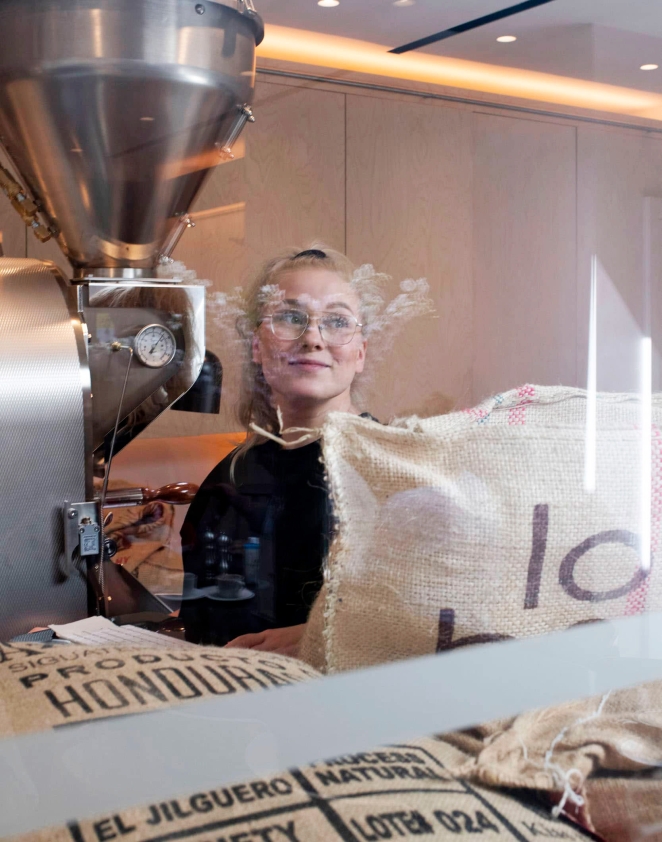
I also think photographers will become more like directors—overseeing image creation rather than just clicking shutters.
What do you think sets apart truly exceptional creatives from the rest of the pack?
I think approach and attitude make all the difference. People who genuinely enjoy what they’re doing (who don’t treat it like a job) tend to be much more creative. It’s about staying connected to what drew you to photography in the first place. I thin it really makes a huge difference.
How do you think technology has influenced the creative industries and how have you adapted to these changes?
It’s been a constant evolution—from film to digital, from studio lights to mobile phones, from clean-cut photography to raw, real-life visuals, and now to hyper-real, AI-generated content.
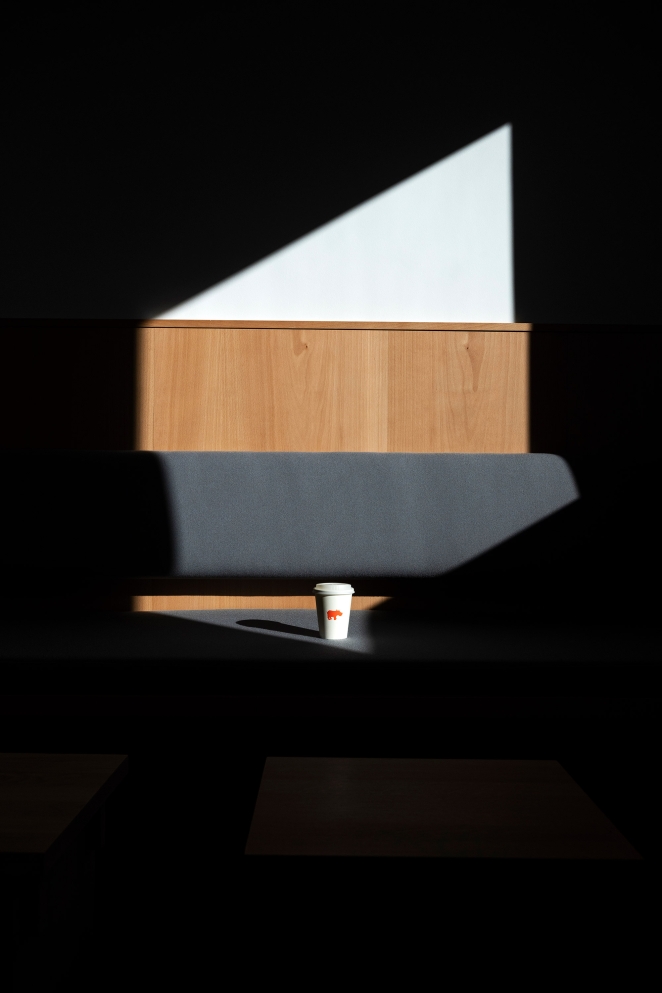
Creativity comes with constant change. If you’re not evolving, you’re just another white-collar worker ticking boxes. I try to adapt as much as I can. The changes never stop—but I’m still here.
What is the one thing that you would change about the industry?
Better copyright protection. And a more ethical approach to how AI tools use our content—it’s frustrating to see years of work used to generate images for free.
Any websites, books or resources you would recommend?
If I had to recommend one thing for inspiration, it’d be watching “In No Great Hurry”—an interview with Saul Leiter available on the Saul Leiter Foundation website. It’s a masterclass in humility and perspective. Very down to earth, very honest, and very human.
Creatives often start seeing themselves as giants as they create —but this film is a quiet reminder to stay grounded and remember that we’re not making life-changing discoveries.