

The world of design is one that’s forever adapting to the ever-shifting landscape of public whims and cultural norms. This year, however, we appear to be on the cusp of a cultural upheaval, with progressivism and patience giving way to regression and rage. Will the design world reflect the global shift to the right? Or will it act as a necessary protest against mainstream fascism? As ever, I expect it to be something of a compromise between the two extremes.
With that in mind, here’s a look at 10 design trends myself and the creative community at large feel could be shaping the creative world in 2025.
1. Chaotic, “Messier” Aesthetics
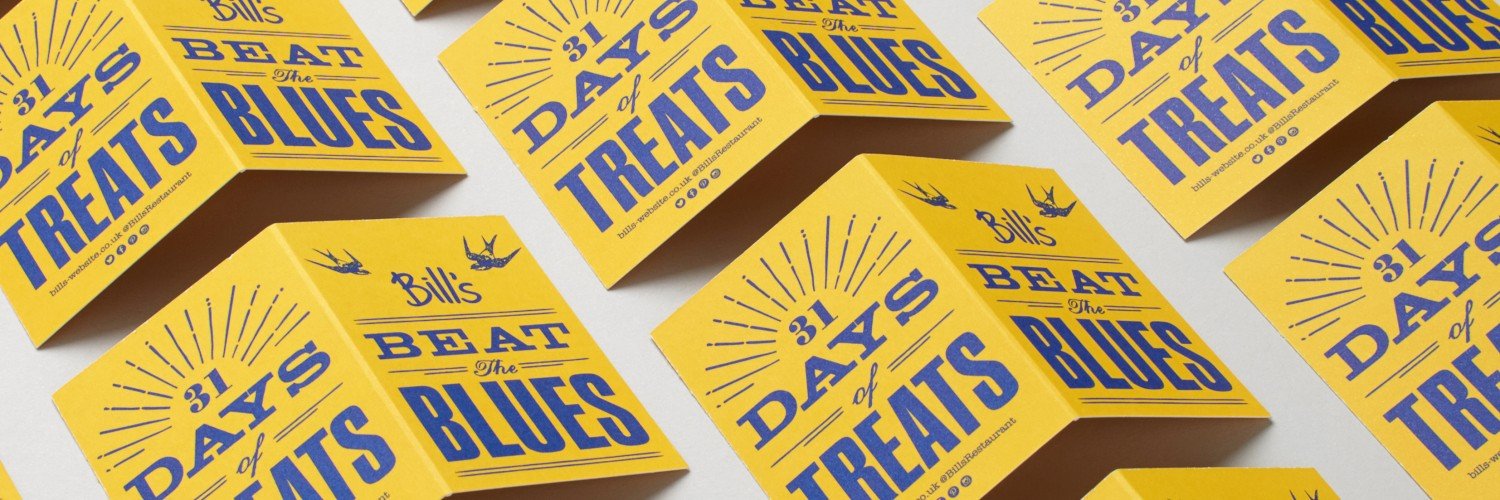
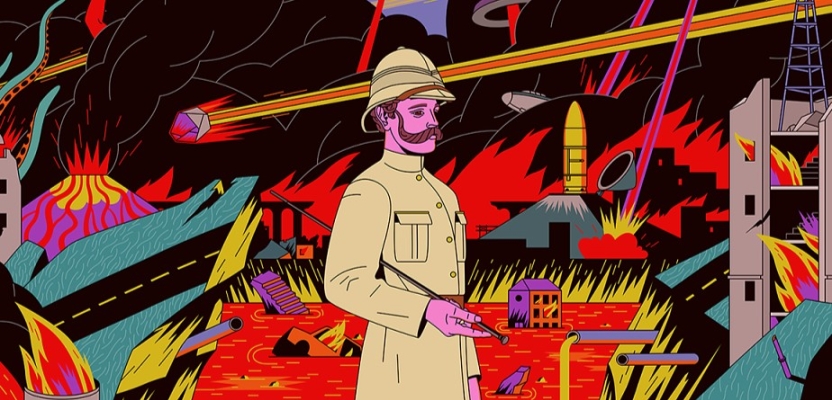
Minimalism has long reigned supreme, but after years of Pinterest-perfect grids and subdued palettes, 2025 is poised to be the year of larger, bolder, and more chaotic statements. Highly textural, layered, “messier” design will bring a new level of energy and authenticity to brand communications. Expect irreverent uses of typography, collage-like layouts, clashing colour schemes, and organic shapes—anything that disrupts the typical order. While chaotic design may seem out of control, the best examples will balance artistic spontaneity with strategic structure, ensuring that brands don’t sacrifice clarity altogether.
2. Accessible Design Takes Priority
No longer an afterthought, accessibility has become an essential requirement for brands seeking to connect with global audiences. We’re seeing brands adopt improved colour contrast ratios, readable typefaces, and inclusive user experiences from the ground up rather than simply checking a box. In practice, this trend means designers are collaborating more often with specialists—such as UX researchers, accessibility experts, and testers with different abilities—to produce truly inclusive solutions. From websites that can be navigated with assistive technologies to packaging that is easier to open for people with limited dexterity, accessible design is becoming a hallmark of thoughtful, future-focused brands.

Vico Benevides
“I believe accessible design will continue to become a bigger focus for businesses in 2025,” says Lana Zoppi, Design Director at brand strategy and design agency, Studio Noel. “At the moment, we are finding many businesses are asking for accessible design, but there seems to be a disconnect between that and what design agencies are actually able (and sometimes willing) to deliver. 2025 is hopefully the year where we see tides shifting and design agencies focus on gaining the much-needed skills in creative, accessible design.”
3. Colour as a Signifier of Innovation
Colour trends for 2025 are predicted to go beyond seasonal Pantone picks to reflect broader cultural influences—think dynamic neon and digital-inspired palettes alongside soothing earth tones. Vibrant colour usage will also help brands stand out amid increasingly cluttered online spaces. From bold, gradient backgrounds to color-coded product lines, colour’s ability to convey emotion and brand identity will be more critical than ever.
4. AI-Driven Design Collaboration
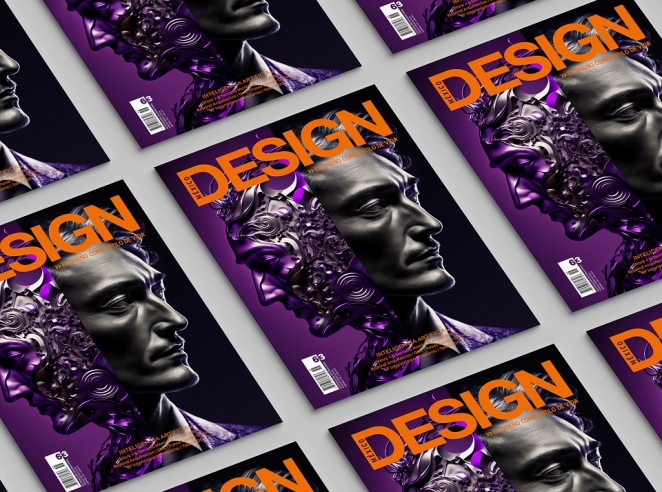
The technology driving much of the new wave of design is artificial intelligence. AI design tools can speed up workflows, generate initial mock-ups, and perform iterative tasks that free up designers to focus on concept and storytelling. While some fear that AI might replace designers, forward-thinking creative professionals instead see AI as an invaluable collaborator—one that can handle repetitive tasks, propose surprising creative leaps, and help refine user experiences in data-driven ways.
Luciano Koenig Dupont
OMSE founder James Kape is one creative giving AI cautious welcome. "AI has deeply embedded itself into everyday design tools, even when you're not actively seeking it out," he explains. "In Photoshop, for example, you can use the Generative Fill feature to remove, fix, or generate content with just a few clicks. Beyond that, new AI platforms like Exactly.ai enable users to generate illustrated assets from simple sketches, offering a new level of accessibility to design."
5. Authentic Storytelling and Brand Expression
Consumers in 2025 want to align with brands that tell genuine stories reflecting shared values. Rather than relying on sterile mission statements, designers are shaping brand narratives through carefully curated imagery, localised storytelling, and content experiences that invite user participation. Expect brand touchpoints—packaging, websites, social feeds, and digital ads—to all speak in a single cohesive voice, reinforcing deeper connections with audiences.
6. Sustainability-Driven Design
With environmental concerns at an all-time high, brands are seeking sustainable solutions that go beyond a green colour palette. Products and packaging with reduced waste, designs that minimise carbon footprints, and ethically sourced materials are all the rage. Designers are tasked with weaving sustainability seamlessly into design concepts, ensuring that the brand experience is both beautiful and eco-responsible.
Charis Tsevis
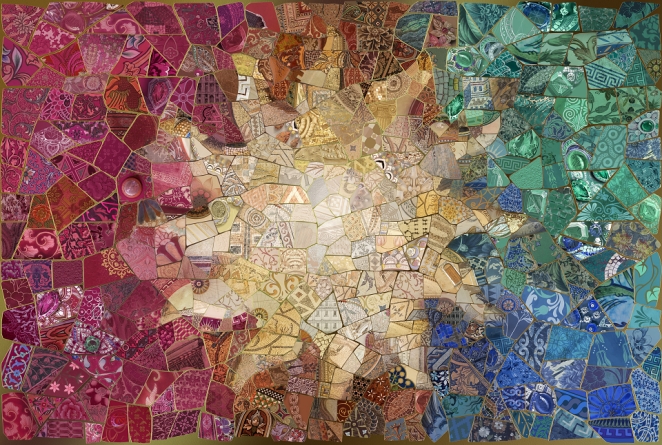
"Brands are looking to wear their ethics proudly, like a fine suit," says Simon Manchipp, founding partner at SomeOne. "In 2025, expect a visual language that whispers of environmental stewardship: natural textures, earthy palettes. But brands will not only look sustainable but ensure they're rooted in ecological mindfulness. Packaging may move to be as minimal as a haiku, made of materials that leave barely a footprint, and designs will exude a sense of calm, as though the planet itself had taken a deep, contented breath."
7. Micro-Interactions in UX
Small details often make the biggest impact. Micro-interactions—those subtle yet satisfying haptic cues, hover effects, and transition animations—will be a key differentiator in 2025. Thoughtful motion design and tiny user experience moments help communicate personality, guide behaviour, and build a sense of delight throughout digital products. From gentle vibrations on mobile apps to playful loading animations, micro-interactions can transform an ordinary user experience into an unforgettable one.
8. 3D and IRL Elements and Experiences
As 3D modelling software becomes more accessible, three-dimensional elements are showing up everywhere—online, in-store, and across brand campaigns. Designers are creating stunning 3D illustrations, product mock ups, and even fully immersive AR/VR experiences to drive engagement. This trend blurs the line between the physical and digital worlds, inviting audiences to step inside a brand’s universe rather than passively consuming static images.

Michael Scantlebury
Tom Munckton, executive creative director at Fold7Design, feels "there's a rebalancing happening of the 'virtual' to 'physical' showings for brands, with big retail marketplaces exploring more and more IRL [in real life] experiences combined with pure e-commerce. This is in line with broader trends around human-made design. With the world wearying of AI, we're seeing more of the human details, nuance and imperfections creep back in."
9. Biophilic and Organic Influences
After years of sleek minimalism, expect to see more organic textures, nature-inspired motifs, and calming colour palettes drawn from the natural environment. Biophilic design, incorporating nature to support well-being, brings a sense of balance and warmth to digital interfaces, physical spaces, and print materials alike. This trend aligns with the growing mindfulness around sustainability and holistic user experiences.
10. Data-Informed Personalisation
Last but not least, the pursuit of personalisation will intensify in 2025. Consumers are comfortable with technology that adapts to their preferences, and brands have the analytics to refine user experiences at scale. Whether it’s a website that tailors content based on the visitor’s browsing history or packaging that offers dynamic QR codes revealing personalised product information, data is fuelling hyper-targeted, user-centred design solutions.

Hasmik Mkhchyan
"Visualising data is becoming the 'new luxury,'" stresses Sarah Williams, co-CEO of Beardwood&Co. "Apple is doubling down on Health in their latest Apple Watch release, and everyone from Spotify CEO Daniel Ek to health platform Equinox to motivational speaker Tony Robbins is getting in on the opportunity to offer high-end, data-driven health services at a premium. The key focus? Making the unseen visible and the future predictable."
Final Thoughts
Across all these trends, one theme resonates: authenticity. The most successful design in 2025 will spring from truly understanding user needs, telling brand stories with heart, and taking creative risks that break with convention.
There is a growing demand for design agencies to step up and deliver accessible, original experiences that reflect the increasingly diverse range of consumers and cultures around the world. With immersive technologies, bold new approaches to aesthetics, and an unwavering commitment to inclusion, 2025 holds exciting possibilities for designers ready to embrace change and shake things up.