


The creator economy isn’t going anywhere, and more brands than ever are catching on to its appeal as a one-stop shop for higher audience engagement, broader audience reach and lower CPM than your usual media spend.
But as #ad after #ad saturates our feeds; audiences are quickly tiring of the same old stuff. Welcome to influencer fatigue. It’s not going anywhere. And it’s a big problem for brands stuck in the old ways.
But influencer fatigue isn’t so much a problem audiences have with influencers as a problem caused by the way brands approach influencer marketing activity. If you really want to make an impact, tacking on an influencer partnership at the end of your campaign because “audiences will think it’s more authentic coming from them” isn’t going to cut it.
Trust the process
Instead, your creator partnerships need to be more than just an afterthought. They need to be part of your bigger picture, and as such, seamlessly integrated into a broader overarching message or activation. Bring creators in early, and get them involved in the planning process from the start.
Though it feels daunting to relinquish some creative control, brands that trust the process - and trust the creators they work with - will end up with content that performs better than if they hadn’t. The goal here isn’t to hand over the reins entirely to the creator you’re working with, but to align your own message and values with theirs in order to build a unified story.
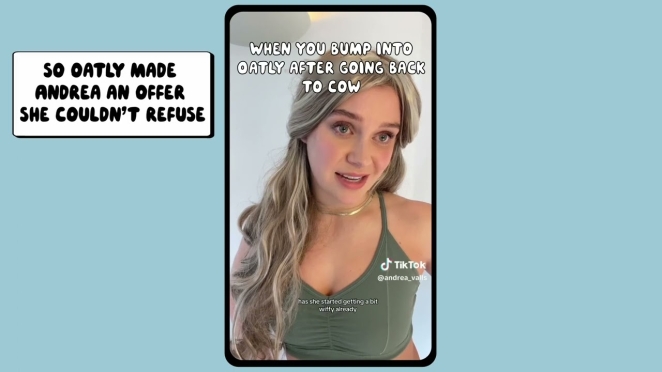
Audiences don’t hate ads - in fact, sponsored posts like Andrea Valls’s Oatly ad, Emma’s Rectangle’s think-outside-the-box ad for BYOMA and Marc Jacobs’s tongue-in-cheek partnership with Nara Smith prove otherwise. When a creator partnership is done right, it’s rewarded with positive sentiment, engagement and even virality.
The answer to cutting through that endless stream of scripted, run-of-the-mill influencer content - and assuaging an increasingly savvy audience that knows when they’re being sold to - lies with your consumers. Social isn’t adland. It’s a window into others’ real lives; a place where people go to be entertained, catch up with their friends, and feel inspired. This is your biggest opportunity for creating content that makes an impact: turning an everyday experience into a marketable moment.
Beat the fatigue
Campaigns like Guinness’s ‘Guinnfluencers’ capitalised on existing consumer behaviour, acknowledging regular people who already enjoyed Guinness by making them part of the storytelling process. And it worked - with the brand’s chief exec crediting Guinnfluencers for driving a 24% uplift in women drinking Guinness, and general growth in consumers aged 25-45 in the UK and Ireland, according to the Financial Times.
Likewise, the Ninja CREAMi broke through influencer fatigue by leveraging relatability, with everyday users sharing their homemade ice cream creations - from the decadent to the wacky - that resonated with audiences.
The CREAMi’s virality and resulting sellout success was powered mainly by user-generated content and snowballed organically from a Tiktok published by a health and fitness fan lauding the CREAMi’s ability to make delicious, low-calorie protein ice cream at home.
By focusing on the experience of making ice cream rather than just the product itself, the Ninja CREAMi appealed to viewers' imaginations and integrated seamlessly into their lives. Plus, its niche appeal to health and fitness communities - arguably unexpected from a product that makes frozen sweet desserts - meant it had a standout appeal in a crowded market.
Get real
The initial appeal of influencer marketing was in its personal touch. People trusted their favourite creators and influencers, and so they trusted their recommendations - whether they be completely unprompted, or at the hands of a lucrative sponsored post.
But as more brands catch on to the benefits of creator partnerships, the authenticity that once characterised these endorsements has become diluted. Couple this with the rising cost of living, concerns about overconsumption and the rising ‘de-influencing’ trend, and something that would have seemed aspirational even ten years ago now feels alienating.
Instead, shoppers are favouring employee-generated content and consumer-centred campaigns. Brands like eBike hire company Lime excel in highlighting the experiences and human truths of the people who use their product, whether it be memes that any cyclist can relate to or entertaining cycling vlogs, prioritising storytelling over mere return on investment (ROI).
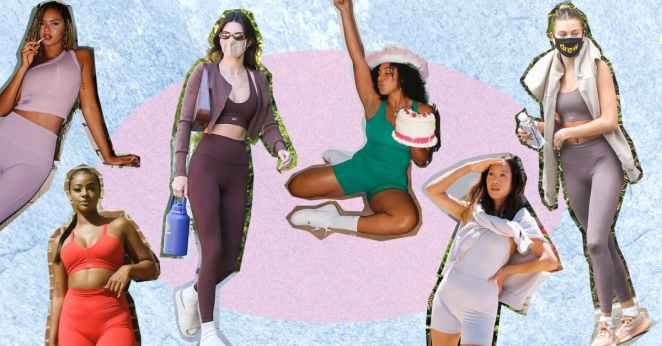
Elsewhere, the likes of Set Active in the USA and Australian apparel brand REMMIE BY RILEY embody the same approach, turning their employees into creators to counter influencer fatigue.
These brands understand that not every piece of content has to push a product. Sometimes, a relatable story or a familiar face does the job better than any logo could. By showcasing real voices, they’re building trust and a global community of fans that equate to more than just followers, but people who consistently show up for the brand, buy repeatedly, and recommend to friends by word of mouth.
Here’s the bottom line: to beat influencer fatigue, your brand needs to evolve. Integrate influencers your campaign from the start, focus on user-generated content, focusing on building an actual community rather than using the word as a synonym for followers, and leverage employee advocacy to reveal more of your human side. That way, you’ll create a genuine, two-way connection between your brand and your most loyal, engaged fans and customers.