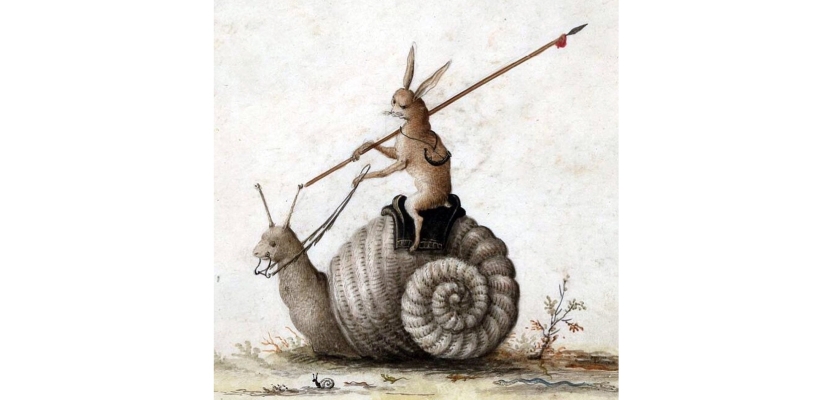


Was reading about the re-opening of Antwerp’s Royal Museum of Fine Arts, which has undergone an eleven-year long restoration (I know. That’s quite a project, even by my standards. I guess some things really do need time.)
What was really interesting (well, as interesting as seeing this much love given to a museum, which is heart-warming in itself) was that as part of the programme the curation team had also been taking a studied look at how visitors use galleries and it turns out the answer is - unshockingly - at some pace. Average ‘dwell times’ (to borrow retailer’s parlance) in front of something as magnificent as a painting can be as little as seven seconds.
Ok, so that’s not so surprising. Art’s a marmite thing. But the haste, trying to squeeze in everything is a modern problem. The KMSKA curators decided to try and change that, with an arresting reorganistion of the displays based on the philosophy of slow looking.
Intrigued, I discovered this really is a thing, part of the Slow Movement was new to me (but shouldn’t have been, as a big fan of The Idler. Yes, as a designer. The contradictions I have to place myself in, you wouldn’t believe.)
Serendipitously - given I reversed the sensory facilities in my last post - slow looking is all about ‘hearing with the eyes’ which appeals to me just as much. The neat (and attractive) opportunity slow looking affords in my line of work is that while this approach might seem to take more time (which is a drag), it actually ends up saving you time. Paying attention - listening with your eyes - and time to the problem in hand gets you to a better understanding.
And yes, blindingly self evident, but look what happens when we rush important decisions. Twitter.
We’re all rushing to be the best multi-taskers (or rather multi-switchers. Very few of us are actual multi-taskers. Unless you’re a unicycling chainsaw juggler), squeezing stuff into every gap.
Sometimes thinks are more rewarded slow looked.