

Even if you’re an on-site-full-time-desk-bound work hound, life can feel peripatetic and shiftless. You inhabit projects for only a time before the scenery shifts and you’re into the next gig.
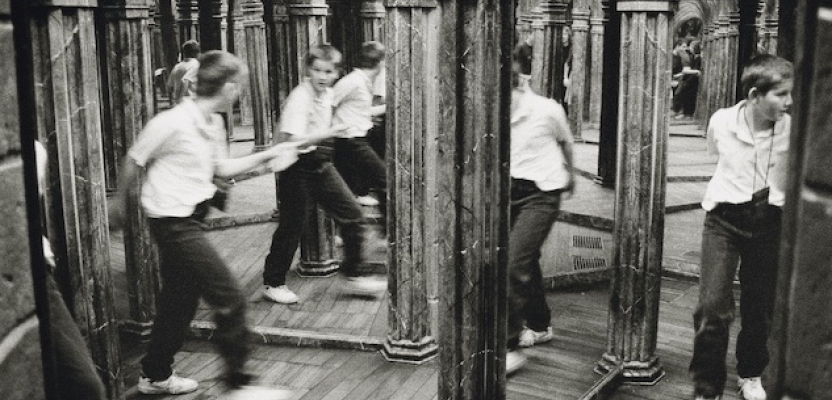
Projects are bit more than a tent, but less than something properly concrete (I’d venture, even if you happen to be in-house, as it were). And they’re often imbued with all kinds of disorientating effects as a result of their temporary and shape-shifting nature; and if you wanted a name for these places, then spiegeltent would hard to beat.
The spiegeltent was (and still is) a simple Dutch description - literally ‘mirror-tent’ - which popped-up in existence in 19th Century “often as a feature attraction at various international arts festivals.” Or in fact for pressing into use wherever an event needed an undercover space and the village or town couldn’t furnish one.
Made, as you’d expect, of timber and canvas, this particular form of architecture were lavishly decorated with stained glass and mirrors, transforming them into veritable magic halls of mirrors.
The result was a kind of Crystal Palace in reverse - rather than letting the light in, everything is refracted back on itself and any (naturally, artificially generated) light needed is trapped into a magical, time-suspending interior. Apparently they make for marvellous stages for all kind of entertainment and tricks of the eye.
The false estate that passes for a real place in the projects we occupy are lined with glittering mirrors, all the better to trap the light (and you) in.
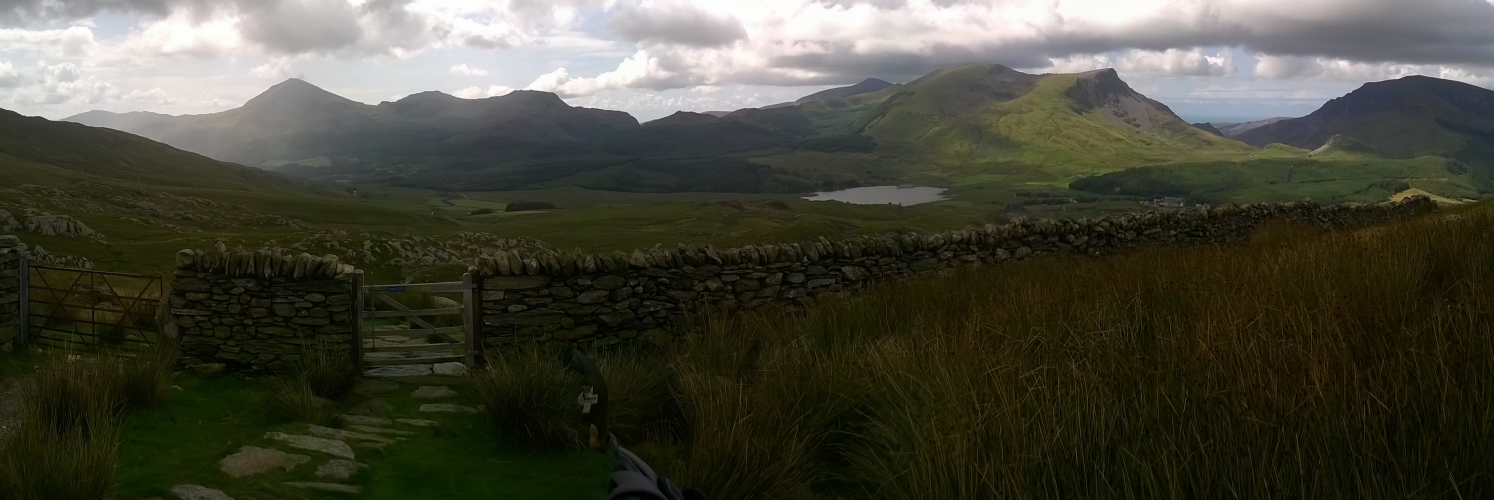
So that thing about it best being inside the tent? That’s really not our place.
You need to be on the outside of your own spiegeltents to see the situation - and be able to reflect - more clearly.